
Best time and high seasonality
Compare recommended travel periods, typical demand seasons, weather comfort, and sky conditions across all twelve months.
Weather and travel guidance
January sits near the peak of Botswana's summer rains. Expect hot, humid days, warm nights and highly localised thunderstorms: one area may receive a heavy downpour while another nearby stays dry. Chobe and the far northeast are generally wetter than the Kalahari southwest. In good-rain years, water can spread across parts of Makgadikgadi, but pan flooding remains season-dependent. Allow flexibility for remote road or airstrip operations, confirm access shortly before travel, and brief clients for sun, heat and sudden rain.
February remains one of Botswana's wettest months, with warm nights, hot afternoons and showers that may be intense but unevenly distributed. Kasane and Chobe are normally wetter than Maun or the western Kalahari, while Makgadikgadi can receive longer wet spells in February and March; pan flooding still depends on the season's total rain. Soft or waterlogged tracks can alter remote transfers. Build in time buffers, check operator access updates, and recommend breathable layers, rain protection and quick-drying, sturdy footwear.
March is still warm and within the summer rainy season, but average rainfall begins to ease from the January-February peak. Thunderstorms remain possible across the country, and the northeast is generally wetter than the west and southwest. Makgadikgadi may still receive longer rainy spells, leaving some pan and access conditions highly variable. Keep remote routing provisional, ask suppliers about current road and airstrip status, and explain that local rain is separate from the later Okavango flood pulse arriving from Angola.
April is a transition month: rainfall usually drops markedly, days stay warm, and evenings become noticeably cooler. A late shower is still possible, so conditions can differ between Chobe, the Delta, the pans and the drier Kalahari. Do not assume that drier skies mean uniformly dry ground; residual rain can still affect remote tracks, while the Okavango's upstream flood pulse follows a different timetable. Pack light layers plus rain protection, confirm transfers, and prepare clients for broad day-to-night temperature swings.
May normally opens Botswana's dry winter season. Most days are sunny, rainfall is scarce, and temperatures are comfortable by afternoon, but nights and early departures can be cold—especially in the southwest and Kalahari. In the Okavango system, upstream floodwater may begin progressing into more channels even as local rain ends, so land and water conditions are not interchangeable. Recommend warm layers for dawn and evening, sun protection for daytime, and supplier confirmation of water-based activities and any flood-sensitive crossings.
June is dry, clear and cool by Botswana standards. Typical afternoons are mild to warm, while dawn temperatures fall into single digits at Maun, Ghanzi and Gaborone; frost or near-freezing conditions are possible in the southwest. At the same time, the Okavango flood pulse advances during the national dry season, creating a wetter northern wetland beside a dry Kalahari landscape. Advise proper cold-weather layers for open-air mornings, sun protection later, and route checks where changing water levels affect crossings or activities.
July is generally Botswana's driest and coolest month. Clear skies bring pleasant daytime conditions but rapid heat loss after sunset; the Kalahari and southern areas can be much colder at dawn than Chobe. The Okavango flood is commonly near its broad seasonal maximum around July or August, though the extent and timing vary each year. Prepare clients for cold early starts, warm afternoons and dusty land routes, and verify current water levels, boating availability and flood-sensitive transfers rather than relying on the calendar alone.
August remains almost rainless, but days begin warming while mornings and nights stay cool. Kasane and Maun are usually milder before sunrise than Ghanzi or the south; dry air also produces a large day-to-night temperature range. Okavango water can remain extensive after the winter flood peak, while Kalahari and pan routes are dry, sandy and increasingly dusty. Recommend layered clothing, lip balm and sun protection, ample water, and current supplier advice for both high-water northern activities and remote overland transfers.
September is a hot, dry spring transition. Afternoon temperatures climb quickly—especially around Maun, Kasane and the Kalahari—while nights lose much of winter's chill. Rain is usually limited, although an isolated early storm is possible and should not be treated as the start of dependable rains. Landscapes and unsealed roads can be dusty, and heat exposure becomes the main comfort issue. Schedule strenuous activities earlier, allow a midday pause, reinforce hydration and sun protection, and confirm water-dependent plans in the Delta.
October is often one of Botswana's hottest months and a volatile bridge into the rains. Temperatures can become severe before cloud or a thunderstorm brings short-lived cooling, yet rainfall onset is irregular and highly local. The northeast is climatologically wetter than the southwest, but no single storm describes the wider country. Build itineraries around early and late activities, shaded midday rest and generous water. Keep remote road plans flexible after storms, and check actual Delta levels as the annual flood footprint may be receding.
November marks the start of summer and the rainy season, but the change is rarely uniform. Expect hot afternoons, warm nights and increasing cloud, with brief, heavy thunderstorms possible beside areas that remain dry. Chobe and the far northeast usually receive more rain than the Kalahari southwest; early rain may green the pans without producing lasting surface water. Give suppliers room to adjust remote road or airstrip transfers, confirm conditions close to departure, and brief clients for heat, sun and sudden downpours.
December is firmly within Botswana's hot, wet summer. Thunderstorms become more established, humidity rises, and cloud or rain can interrupt the heat for a short time; dry intervals and bright sun still occur between showers. Kasane and Chobe are normally wetter than Maun, Ghanzi and the southwest, while the pans respond only when enough rain has accumulated. Expect locally muddy or waterlogged remote tracks, build transfer buffers, recheck access with each supplier, and pack breathable clothing, rain cover and strong sun protection.
- Travel recommended
- April to October
- Typical travel season
- Shoulder · April to June, November
- Weather comfort
- Good · April, September to October
How to read this: month icons show the typical sky and rain pattern; Weather grades broad travel comfort; Travel Seasons show typical demand and pricing. None is a forecast, and supplier periods vary.
Wildlife Overview
Broad planning guide for Botswana’s principal wildlife regions. Visibility varies by reserve, habitat, season and itinerary; no sighting is guaranteed.
- African bush elephantChobe and northern circuitsLikelihood: Abundant
- African buffaloChobe and OkavangoLikelihood: Abundant
- Plains zebraNorthern wetlands and MakgadikgadiLikelihood: Abundant
- Red lechweOkavango wetlandsLikelihood: Abundant
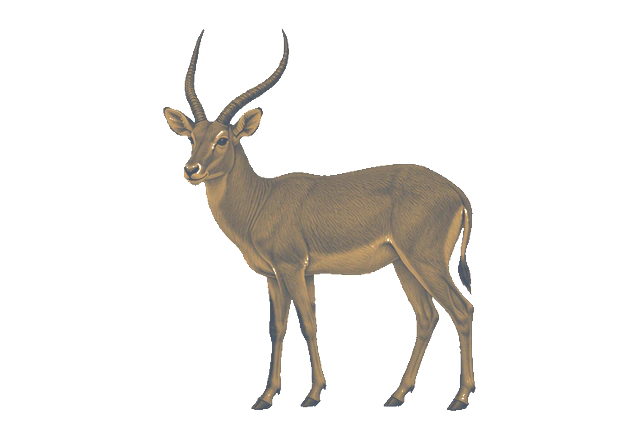
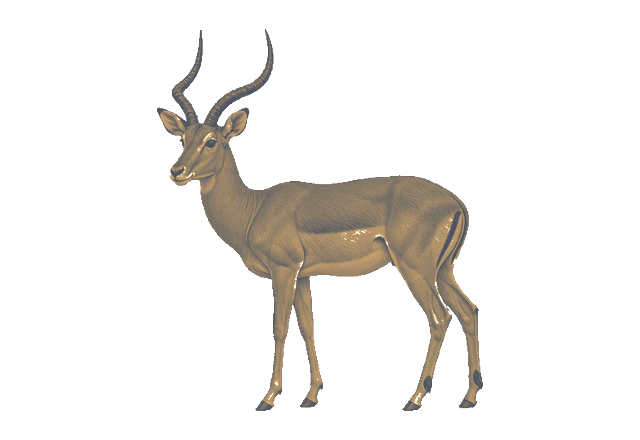
- ImpalaChobe and OkavangoLikelihood: Abundant
- GiraffeNorthern and central circuitsLikelihood: Common
- HippopotamusOkavango and Chobe waterwaysLikelihood: Common
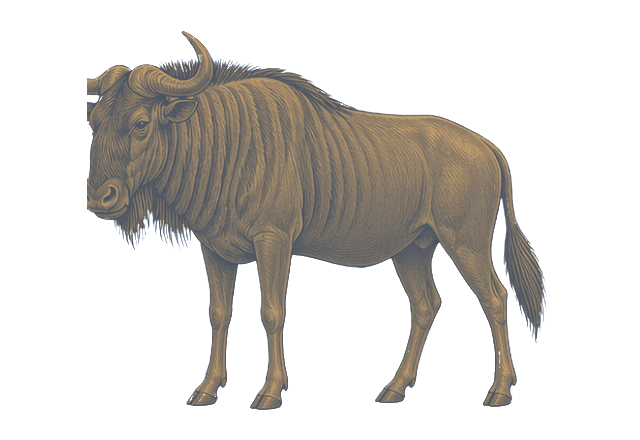
- Blue wildebeestPans and suitable northern routesLikelihood: Common
- LionPrincipal northern reservesLikelihood: Common
- Spotted hyenaPrincipal northern reservesLikelihood: Common
- Nile crocodileOkavango and Chobe waterwaysLikelihood: Common
- LeopardChobe, Moremi and LinyantiLikelihood: Occasional
- CheetahKalahari and open-grassland routesLikelihood: Occasional
- African wild dogOkavango, Moremi and LinyantiLikelihood: Occasional
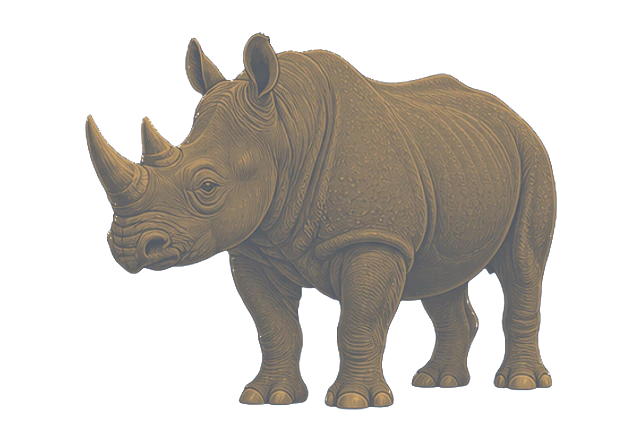
- White rhinocerosTargeted protected rhino areasLikelihood: Rare
- Black rhinocerosExceptional targeted encounterLikelihood: Very rare












Travel, health, visa, and entry preparation
Check each traveller's circumstances and the official sources below before booking or departure.
Travel advice
Government of Canada travel advice for Canadian travellers recommends a high degree of caution in Botswana because of crime.
The guidance notes petty theft, vehicle-related crime and some violent incidents, and advises additional planning for travel after dark and for emergency response in remote areas.
- Protect documents and valuables
- Keep passports, cash and other valuables secured and out of sight, stay alert in cities and border areas, and avoid isolated places.
- Plan movements after dark
- Avoid walking alone at night, use reputable transport, and do not resist if confronted during a robbery.
- Use reputable guides in wildlife areas
- Arrange reputable guides for wildlife areas, follow park instructions, and account for longer emergency-response times in remote regions.
Health advice
Review vaccination, yellow fever and malaria guidance for the traveller and itinerary.
- Vaccines
- Advise travellers to review routine immunisations and itinerary-specific recommendations with a qualified travel-health professional at least one month before departure. Requirements vary by age, health, activities and route.
- Yellow fever
- Botswana does not routinely require yellow-fever vaccination for direct travel from a non-risk country. A valid certificate is required for travellers aged one year or older arriving from, or transiting for more than 12 hours through, a country with yellow-fever transmission risk. Confirm the current rule for the actual itinerary.
- Malaria
- CDC identifies malaria transmission in named Botswana districts and subdistricts, with different guidance for rare or sporadic areas and no listed transmission in Gaborone. Check every overnight stop against the current CDC table and refer the traveller to a qualified clinician.
Consult a qualified travel-health professional for advice based on the traveller and itinerary.
Visa and entry
Verify the requirements for every traveller.
Visa requirements depend on passport, residence and itinerary. Travellers who require a Botswana tourism visa can use the official eVisa portal or the government's in-person process.
Verify eligibility and document requirements before ticketing. The government service page describes the online and in-person routes, required documents and a typical processing time of 7 to 14 working days.