
Best time and high seasonality
Compare recommended travel periods, typical demand seasons, weather comfort, and sky conditions across all twelve months.
Weather and travel guidance
January in Eswatini is normally hot, humid and within the core summer-rain period. The highveld is cooler and wetter, while eastern lowveld afternoons can be oppressive before thunderstorms. Plan outdoor work early, carry rain protection and keep road time conservative after heavy downpours; festive demand can outlast the calendar-year peak. Demand is generally lower outside holiday exceptions, although seasonal closures or reduced services can narrow the practical choice. Use this as climate-planning context, not a forecast, and recheck access and the short-range outlook near departure.
February in Eswatini remains warm and rain-prone, with showers or thunderstorms often developing after brighter starts. Western elevations usually receive more rain than the eastern lowveld, although any region can see a locally intense storm. Use flexible daily sequencing, protect luggage and electronics, and avoid promising uninterrupted views or dry walking surfaces. Demand is generally lower outside holiday exceptions, although seasonal closures or reduced services can narrow the practical choice.
March in Eswatini is a late-summer transition: warmth and humidity persist, but the wet pattern usually begins easing. Highveld cloud and showers can contrast with longer bright intervals in the lowveld and Lubombo foothills. Keep rain alternatives in the programme and brief clients for warm days, cooler elevated evenings and variable trail conditions. Demand is generally lower outside holiday exceptions, although seasonal closures or reduced services can narrow the practical choice. Keep transfer timing conservative where mountain, gravel or park roads are central to the itinerary.
April in Eswatini usually brings a marked reduction in rain, comfortable daytime temperatures and greener post-rain landscapes. Highveld mornings and evenings cool sooner than the lowveld, so a layered packing list is more useful than one national temperature claim. This is a strong month for mixed culture, scenery and protected-area itineraries, while Easter dates may alter traffic and availability. Demand is usually transitional, so check event dates, supplier rate bands and availability instead of assuming one national pattern.
May in Eswatini is typically dry, mild by day and increasingly cool after sunset. The highveld can be crisp at dawn, while the lowveld remains pleasantly warmer and often supports longer outdoor days. Schedule scenic drives and walks with warm layers for early starts, and verify that seasonal activity timetables have shifted to winter hours. Demand is usually transitional, so check event dates, supplier rate bands and availability instead of assuming one national pattern. Build enough itinerary flexibility for a local weather change to alter one day without disrupting the whole route.
June in Eswatini sits in the cool, dry winter, with many clear days and cold starts at elevation. Mbabane and exposed highveld areas may feel sharply colder than eastern reserves, where afternoons are generally milder. Pack genuinely warm layers for dawn and evening, and explain that dry weather does not mean consistently warm conditions. Demand is typically high, so secure constrained rooms, transfers and permits early and verify every product's dated rate band. A country-level label cannot replace the forecast and access check for the exact overnight stops shortly before departure.
July in Eswatini is commonly the coldest part of the dry season, pairing clear skies with chilly nights and early mornings. Frost is possible in elevated western districts, whereas the lowveld typically warms more readily after sunrise. Avoid overselling winter as beach-like weather: plan later starts for cold-sensitive clients and include windproof layers. Demand is typically high, so secure constrained rooms, transfers and permits early and verify every product's dated rate band. Keep transfer timing conservative where mountain, gravel or park roads are central to the itinerary.
August in Eswatini remains dry and sunny but begins a gradual warming trend, especially in the lowveld. Highveld nights can still be cold, while eastern afternoons may already feel warm enough for lighter clothing. Balance warm dawn layers with sun protection, reserve key activities early and account for major cultural-event dates in late winter. Demand is typically high, so secure constrained rooms, transfers and permits early and verify every product's dated rate band. Confirm any weather-dependent excursion with the operating supplier, because local conditions can diverge quickly.
September in Eswatini is a dry spring month with warmer days, cool-to-mild nights and generally strong visibility. The lowveld heats faster than the highveld, while exposed mountain routes can remain breezy and cooler. This is a useful cross-country touring window; plan hydration and sun protection, and check dates for national ceremonies before fixing transfers. Demand is usually transitional, so check event dates, supplier rate bands and availability instead of assuming one national pattern. Pack for the widest likely day-to-night range rather than relying on a capital-city average alone.
October in Eswatini is warm spring moving toward the rains, with rising humidity and an increasing chance of afternoon storms. Eastern lowveld heat can build quickly, while highveld cloud, showers and cooler evenings create a wider packing range. Keep strenuous activities early, add a rain layer and leave room to reschedule exposed walks if convection develops. Demand is usually transitional, so check event dates, supplier rate bands and availability instead of assuming one national pattern. Pack for the widest likely day-to-night range rather than relying on a capital-city average alone.
November in Eswatini usually marks the return of regular summer rain, warm nights and rapidly greening landscapes. Rain is often greater on the highveld, yet intense local thunderstorms can also disrupt lowveld and Lubombo plans. Use flexible transfer and activity timing, brief for insects and humidity, and verify each reserve's wet-weather access after heavy cells. Demand is generally lower outside holiday exceptions, although seasonal closures or reduced services can narrow the practical choice.
December in Eswatini is hot, humid and often wet, with thunderstorms interspersed with bright intervals rather than constant all-day rain. The highveld stays relatively cooler and cloudier; the lowveld can combine intense heat with short, heavy downpours. Plan around festive traffic and inventory pressure, protect outdoor contingencies and build extra border and road time. Demand is typically high, so secure constrained rooms, transfers and permits early and verify every product's dated rate band.
- Travel recommended
- April to October
- Typical travel season
- Shoulder · April to May, September to October
- Weather comfort
- Excellent · April to May, September to October
How to read this: month icons show the typical sky and rain pattern; Weather grades broad travel comfort; Travel Seasons show typical demand and pricing. None is a forecast, and supplier periods vary.
Wildlife Overview
Broad planning guide for Eswatini’s principal wildlife regions. Visibility varies by reserve, habitat, season and itinerary; no sighting is guaranteed.
- Plains zebraHlane and MkhayaLikelihood: Abundant
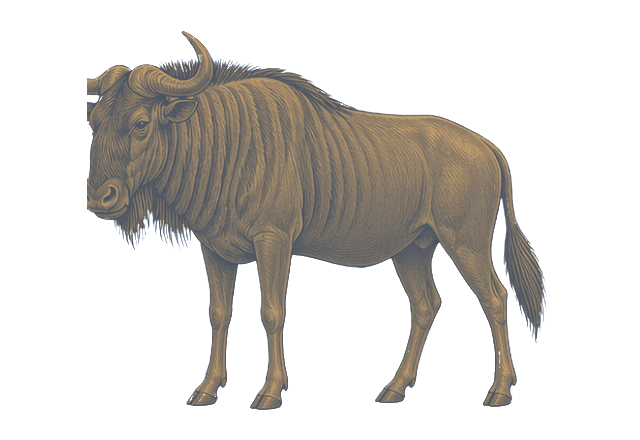
- Blue wildebeestHlane and MkhayaLikelihood: Abundant
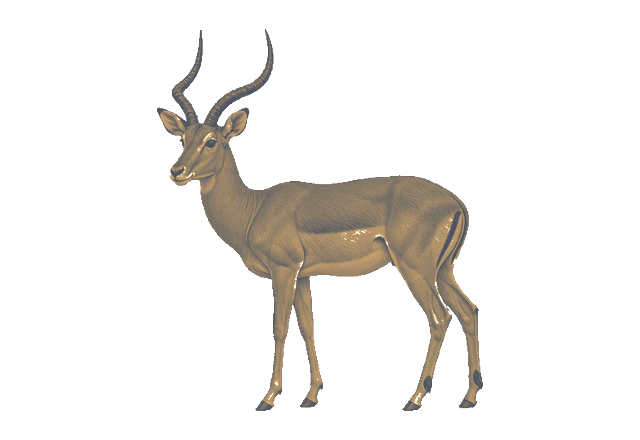
- ImpalaMkhaya and HlaneLikelihood: Abundant
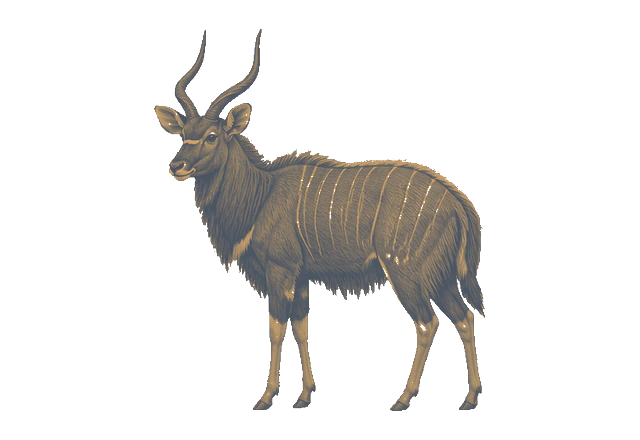
- NyalaMkhaya Game ReserveLikelihood: Abundant
- African bush elephantHlane and MkhayaLikelihood: Common
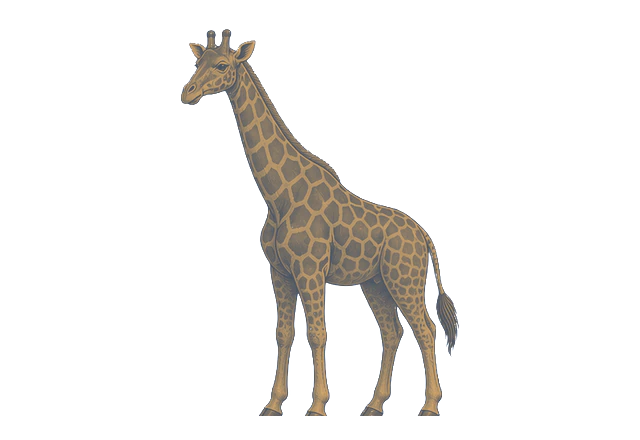
- GiraffeHlane and MkhayaLikelihood: Common
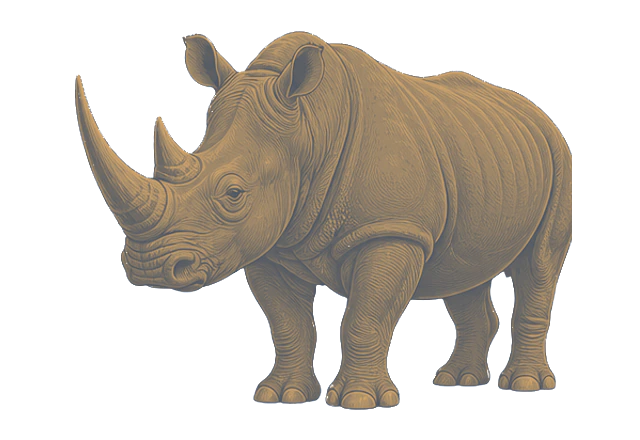
- White rhinocerosGuided Mkhaya visitsLikelihood: Common
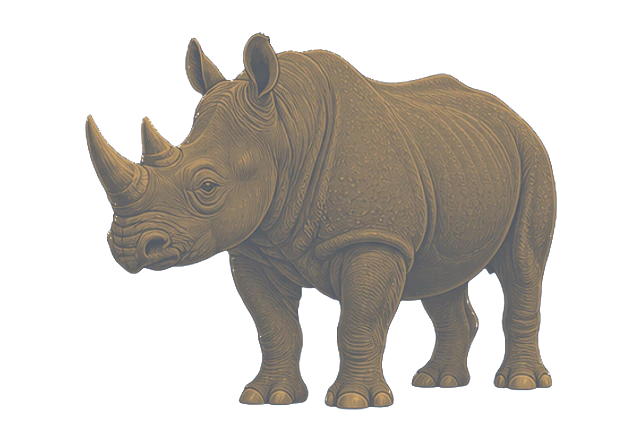
- Black rhinocerosGuided Mkhaya visitsLikelihood: Common
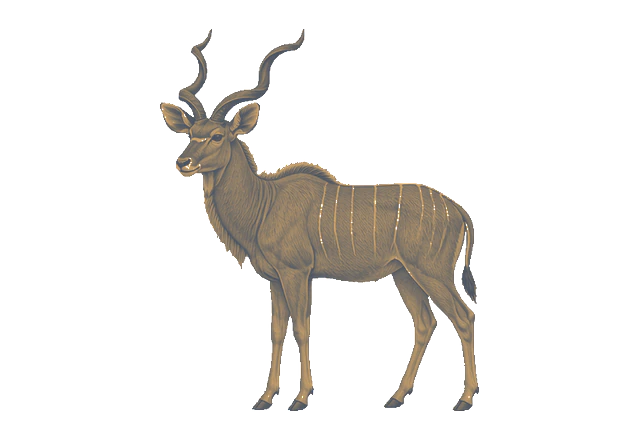
- Greater kuduMkhaya Game ReserveLikelihood: Common
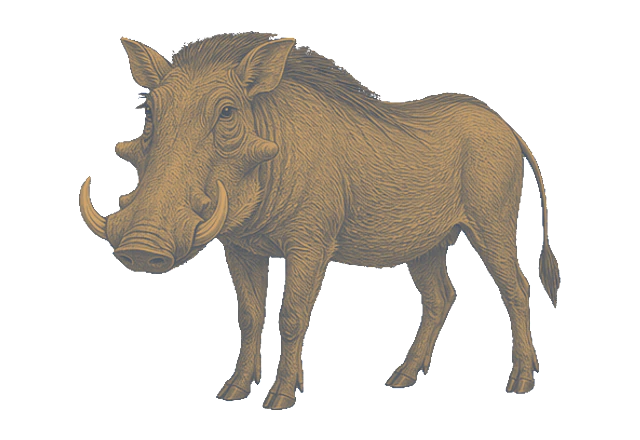
- Common warthogHlane and MkhayaLikelihood: Common
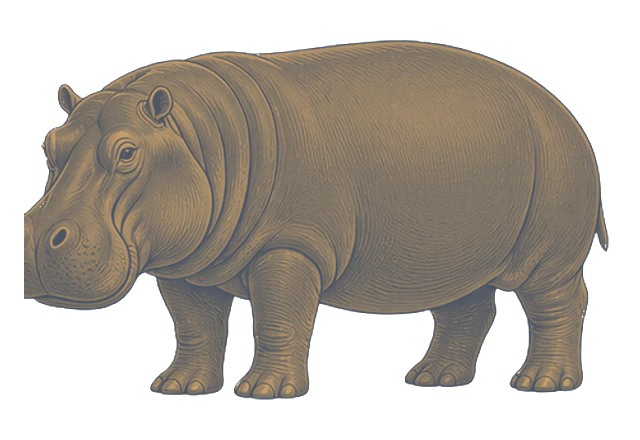
- HippopotamusHlane water areasLikelihood: Occasional
- LionHlane managed lion areaLikelihood: Occasional
- African buffaloMkhaya Game ReserveLikelihood: Occasional
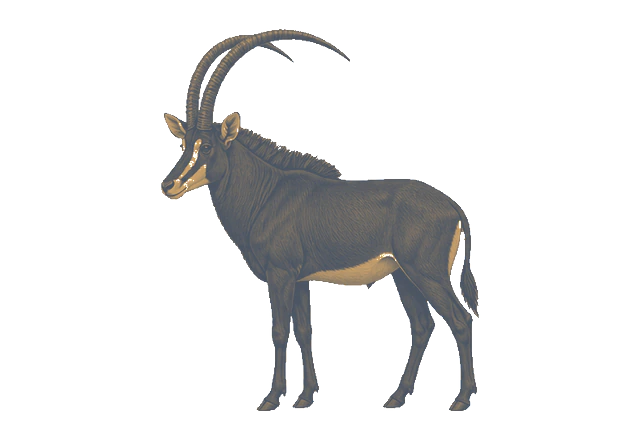
- Sable antelopeMkhaya Game ReserveLikelihood: Occasional
- LeopardElusive; principal reservesLikelihood: Rare
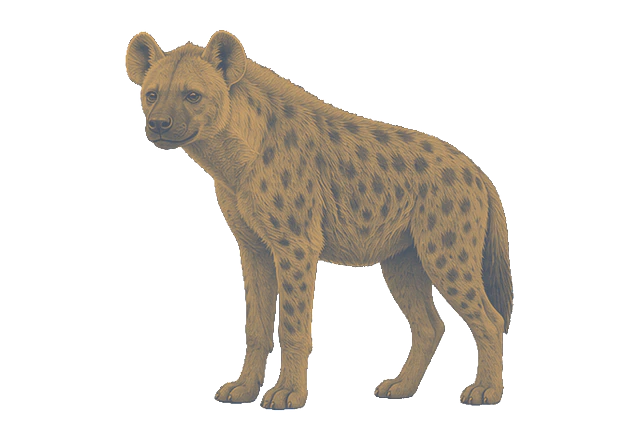
- Spotted hyenaElusive; principal reservesLikelihood: Rare





Travel, health, visa, and entry preparation
Check each traveller's circumstances and the official sources below before booking or departure.
Travel advice
Canada advises exercising a high degree of caution throughout Eswatini because civil unrest may arise or change quickly.
Civil unrest and demonstrations, together with crime and nighttime road risks, call for heightened care.
- Demonstrations and unrest
- Stay away from demonstrations and large gatherings, follow local-authority instructions, and monitor reliable local reporting because even a peaceful event can become violent.
- Entry and border checks
- Confirm passport, visa, health-document, and land-border requirements with the relevant authorities before departure; operating hours and entry rules can change, and border officials make the final admission decision.
- Road and personal security
- Keep travel documents and valuables secure, avoid walking after dark in higher-risk urban or rural areas, and schedule land journeys for daylight while keeping vehicle doors locked and valuables out of sight.
- Wildlife and guided activities
- Observe wildlife from a safe distance, leave a vehicle only when a professional guide or warden confirms it is safe, use reputable insured operators, and follow park rules and staff directions.
Health advice
Review vaccination, yellow fever and malaria guidance for the traveller and itinerary.
- Vaccines
- Review routine immunizations and destination-specific vaccines with a qualified travel-health clinician at least a month before departure when possible. CDC lists hepatitis A for unvaccinated travellers aged one year or older and hepatitis B for unvaccinated travellers of all ages. Consider typhoid vaccination for rural or poor-sanitation travel, a stay of about a month or longer, or visiting friends or relatives; advice should be individualized for age, health, itinerary and activities.
- Yellow fever
- CDC does not recommend yellow-fever vaccination for travel to Eswatini itself. Eswatini requires proof for travellers aged nine months or older arriving from a country with yellow-fever transmission risk, including airport transits or layovers longer than 12 hours in such a country; confirm the rule for the complete itinerary before travel.
- Malaria
- CDC identifies malaria transmission in eastern areas bordering Mozambique and South Africa, including all of Lubombo and the eastern halves of Hhohho, Manzini, and Shiselweni. Ask a qualified clinician whether prescription prevention is appropriate for the itinerary and use mosquito-bite precautions; do not select medication without individualized medical advice.
Consult a qualified travel-health professional for advice based on the traveller and itinerary.
Visa and entry
Verify the requirements for every traveller.
Visa need depends on nationality and travel purpose. Travellers who require a visa can use the Government of Eswatini eVisa service; stays longer than 30 days and travel for work or study may require a residence permit instead, and an issued visa does not guarantee admission at the border.
First confirm whether the traveller's nationality and purpose require a visa. If one is required, review the Ministry guidance, create or use an account on the Government of Eswatini eVisa portal, complete the appropriate application, provide the requested supporting documents, pay any applicable fee, and retain the issued eVisa for border inspection. Recheck passport pages, proof of purpose and funds, onward travel, and any yellow-fever certificate requirement before submitting.