
Best time and high seasonality
Compare recommended travel periods, typical demand seasons, weather comfort, and sky conditions across all twelve months.
Weather and travel guidance
January is within Ethiopia's main dry period across Addis Ababa, the northern historic circuit and much of the central highlands. Days are often bright and mild at elevation, but nights can be cold in Simien, Bale, Lalibela and Gondar; Afar and the lower east remain much hotter. Festival dates can tighten rooms and transport. Build warm dawn layers into highland itineraries, carry strong sun protection, avoid treating one city forecast as national evidence, and reconfirm road, flight and site access shortly before departure.
February is generally dry over the central and northern highlands, with clear intervals, warm afternoons and cool nights, while heat intensifies in Afar and other lowlands. The southern and eastern rainfall cycle may begin changing before the main highland rains, so conditions diverge sharply by route. It remains a practical touring month, but altitude and dust matter. Plan layered clothing, hydration and slower acclimatisation, and check local road, air and trekking conditions rather than applying Addis Ababa weather to the whole country.
March is a transition month in Ethiopia. The lighter Belg rains become more likely across parts of the central, eastern and southern highlands, often as afternoon showers separated by useful dry periods; northern heritage routes can remain comparatively dry. Lowland heat is a separate concern, especially toward Afar and the Somali Region. Keep outdoor visits flexible, protect luggage and electronics from sudden rain, allow extra road time, and confirm the exact rainfall and access pattern for every highland, Rift Valley or lowland stop before finalising the itinerary.
April commonly falls within the Belg rainy period in central and southern Ethiopia, bringing more cloud, showers and locally muddy roads, while northern districts and the arid northeast can follow a different pattern. Rain is not usually continuous, but mountain paths, unsealed approaches and domestic flight operations may be less predictable. Use waterproof layers and grippy footwear, place time-sensitive visits early in the day, build transfer buffers, and ask each supplier about present road and trail conditions; country-level season labels cannot replace route-specific checks.
May is highly regional. Belg rain can continue in the south and parts of the central highlands, the north may be comparatively drier, and heat remains severe in Afar and other low elevations. Green landscapes and quieter sites can suit flexible clients, but showers, soft roads and visibility on mountain routes still require planning. Pair light rain protection with sun and heat precautions, avoid tight same-day air-to-road connections, and verify each destination because Addis Ababa, Bale, the Omo basin and the Danakil Depression do not share one weather timetable.
June marks the approach or start of the main Kiremt rains across much of Ethiopia's central and northern highlands. Cloud builds, showers become more frequent and higher routes can turn cool, while the southern and eastern lowlands may remain much drier or follow a separate rainfall cycle. Road conditions can change quickly beyond paved corridors. Favour itineraries with operational flexibility, carry warm waterproof layers, leave recovery time around domestic flights and long drives, and obtain current local advice for trekking, remote roads and any Danakil travel before confirming.
July is usually one of the wettest months in Ethiopia's central and northern highlands. Expect frequent cloud, cool conditions at elevation and heavy spells that can disrupt mountain paths, views and unsealed roads, although rain varies within a day and the arid east remains different. This is a low-demand period for conventional highland touring, not a statement that all travel stops. Use robust rainwear and footwear, reduce road mileage, protect contingency days, and verify landslide, route, flight and site conditions with local operators immediately before travel.
August remains within the main highland rainy season and is commonly very wet around Addis Ababa, the northern circuit and elevated trekking regions. Persistent cloud and saturated ground can obscure views or slow road journeys, while Afar stays hot and follows a very different regime. Green scenery can reward experienced, flexible travellers, but schedules need resilience. Avoid fragile same-day connections, carry warm waterproof layers, allow for route substitutions, and seek current destination-level guidance on roads, trails and domestic flights instead of relying on a national average.
September is a transition out of the main rains. Early weeks can still be wet and cloudy across central and northern highlands, but precipitation generally eases and the landscape becomes vivid green; Meskel travel can increase pressure around key cities and heritage sites. Southern and eastern patterns may not match the north. Retain rain protection and road buffers, book festival-sensitive services early, and confirm whether mountain trails and unsealed links have dried sufficiently. Treat late September as more dependable than an automatic dry-season start.
October normally brings much drier and brighter conditions to Ethiopia's central and northern highlands after the Kiremt rains. Green landscapes, comfortable highland afternoons and improving roads support broad touring, though nights remain cool and the southern or southeastern short-rain pattern can differ. Demand rises as the peak period begins. Reserve key heritage stays and transport early, pack layers for altitude plus sun protection, and confirm current conditions for lowland heat, remote roads and trekking; the national recommendation is broad rather than universal.
November is usually dry and sunny across Addis Ababa, the northern historic circuit and many highland routes, with cool nights and strong daytime sun. Afar and other lowlands are still much hotter, while parts of southern and southeastern Ethiopia can receive separate short rains. This is a high-demand planning month. Secure domestic flights, guides and accommodation ahead, include warm layers for dawn and elevation, and keep route-level weather checks in the brief so clients understand that mountain, Rift Valley and desert conditions can differ markedly.
December sits in Ethiopia's main dry and busy travel period. Highland days are often clear and comfortable, but temperatures fall quickly after sunset in Simien, Bale, Lalibela and other elevated areas; the Danakil and lower east remain hot. Holiday and festival movements can constrain rooms, guides and transport. Book early, schedule demanding walks after acclimatisation, combine warm layers with sun and hydration planning, and recheck road, air and site operations close to travel because regional weather and holiday pressure remain itinerary-specific.
- Travel recommended
- September to March
- Typical travel season
- High · October to January
- Weather comfort
- Excellent · October to January
How to read this: month icons show the typical sky and rain pattern; Weather grades broad travel comfort; Travel Seasons show typical demand and pricing. None is a forecast, and supplier periods vary.
Wildlife Overview
Broad planning guide for Ethiopia’s principal wildlife regions. Visibility varies by reserve, habitat, season and itinerary; no sighting is guaranteed.
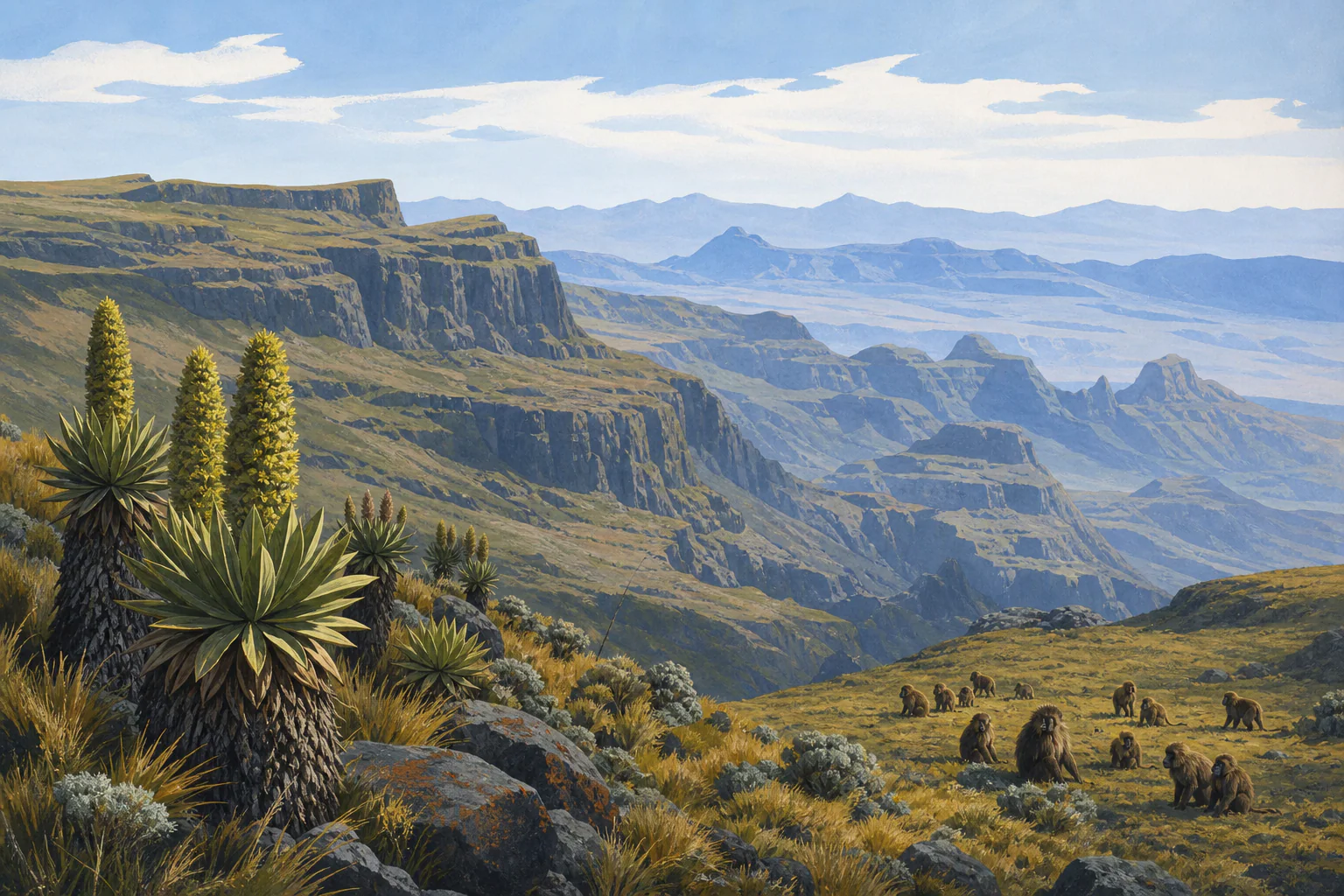
- GeladaTargeted Simien or Guassa routesLikelihood: Abundant
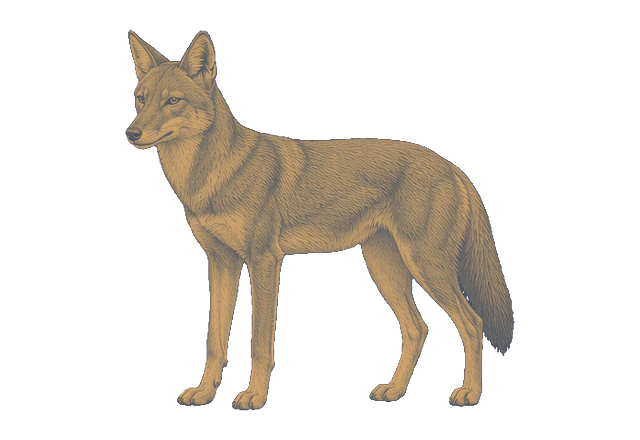
- Ethiopian wolfTargeted Bale Mountains routesLikelihood: Common
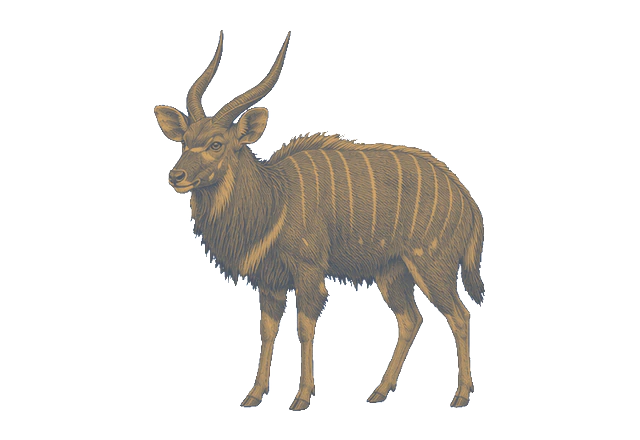
- Mountain nyalaBale MountainsLikelihood: Common
- Bale monkeyTargeted northern Harenna bamboo-forest searchesLikelihood: Rare
- Bearded vultureSimien MountainsLikelihood: Common
- Nile crocodileLake Chamo boat tripsLikelihood: Common
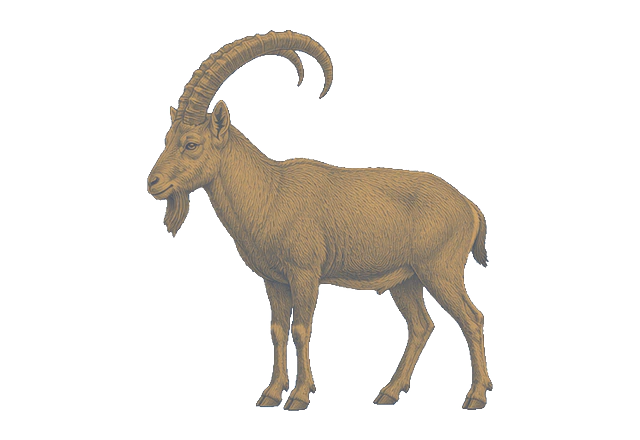
- Walia ibexSimien MountainsLikelihood: Occasional
- Spotted hyenaHighland and selected lowland routesLikelihood: Occasional
- African bush elephantMainstream circuit; stronger at remote CheberaLikelihood: Very rare
- African buffaloMainstream circuit; stronger at remote CheberaLikelihood: Very rare
- LionMainstream circuit; stronger at remote CheberaLikelihood: Very rare
- LeopardExceptional highland or remote encounterLikelihood: Very rare









Travel, health, visa, and entry preparation
Check each traveller's circumstances and the official sources below before booking or departure.
Travel advice
Canada advises avoiding non-essential travel across Ethiopia because security conditions can worsen quickly; Addis Ababa is treated separately at a high-caution level, and stricter regional restrictions apply elsewhere.
Regional advice appliesCivil unrest, violence, fuel shortages, armed conflict and crime, with severe regional restrictions and limited consular capacity in some areas.
- Regional restrictions
- Check the live regional advisory against every planned stop. Canada says to avoid all travel to Amhara, Benishangul-Gumuz, Tigray, Gambella, specified Oromia zones and numerous border areas; Addis Ababa remains at a high-caution level.
- Road, fuel and operator planning
- Do not treat overland sectors as routine touring transfers. Reconfirm each route with an experienced operator, plan for roadblocks and communications outages, avoid driving after dark outside cities, carry reserve supplies and keep the fuel tank at least half full.
- Danakil and remote areas
- Canada reports that foreigners have previously been targeted in the Danakil Depression. If travel proceeds despite the advisory, use a reputable experienced guide with an official security escort, prepare for extreme heat and difficult terrain, and carry water and food.
- Documents and checkpoints
- Have the passport stamped immediately on arrival, carry identification, stop at every checkpoint, remain calm and follow security instructions, and arrange any visa extension before the authorized stay expires.
Health advice
Review vaccination, yellow fever and malaria guidance for the traveller and itinerary.
- Vaccines
- Arrange a travel-health consultation at least one month before departure. CDC recommends being current on routine vaccines and discusses hepatitis A, hepatitis B, typhoid and polio for Ethiopia, with meningococcal, cholera, rabies and other vaccination decisions depending on season, itinerary, activities, age and health.
- Yellow fever
- CDC recommends yellow-fever vaccination for travelers aged 9 months or older, except that it is generally not recommended when travel is limited to Afar or Somali. Proof is required for travelers aged 9 months or older arriving from a country with yellow-fever transmission risk, including an airport transit or layover longer than 12 hours in such a country; verify the rule for the actual route.
- Malaria
- CDC lists malaria transmission in all areas below 2,500 metres, including Addis Ababa, and recommends prescription prevention medicine for those areas together with mosquito-bite precautions. A qualified clinician should select medicine for the traveler and itinerary.
Consult a qualified travel-health professional for advice based on the traveller and itinerary.
Visa and entry
Verify the requirements for every traveller.
Ethiopia’s official portal accepts single-entry tourist eVisa applications from citizens of all countries, subject to the stated requirements, approval and the immigration decision at entry.
Apply only through the official form. Prepare a recent passport-size photograph and a passport valid for at least six months from the intended entry date, normally submit at least three days before arrival, and note that validity begins on the intended arrival date. Recheck live requirements and fees before paying.