
Best time and high seasonality
Compare recommended travel periods, typical demand seasons, weather comfort, and sky conditions across all twelve months.
Weather and travel guidance
January in Lesotho falls in midsummer, with warm lowland days, frequent convective rain and a meaningful storm risk. High passes remain cooler, exposed and prone to fog or rapid deterioration even while Maseru is warm. Place long drives and walks early, retain indoor or cultural alternatives and verify rivers, unsealed roads and pass conditions after heavy rain. Demand is generally lower outside holiday exceptions, although seasonal closures or reduced services can narrow the practical choice. Pack for the widest likely day-to-night range rather than relying on a capital-city average alone.
February in Lesotho is still within the main wet season, bringing warm valleys, afternoon storms and green highland scenery. Altitude keeps nights cooler and makes thunder, cloud and road conditions more variable in the east than lowland averages suggest. Use conservative transfer times, waterproof equipment and flexible hiking plans; never infer a safe pass from conditions at the gateway. Demand is generally lower outside holiday exceptions, although seasonal closures or reduced services can narrow the practical choice.
March in Lesotho is a late-summer transition with warm afternoons, cooler nights and rain that often becomes less persistent. Highlands can still receive strong storms or low cloud, while western valleys may have longer bright spells. A mixed scenery and culture programme works well if guides can move exposed activities around the short-range forecast. Demand is generally lower outside holiday exceptions, although seasonal closures or reduced services can narrow the practical choice. Keep transfer timing conservative where mountain, gravel or park roads are central to the itinerary.
April in Lesotho usually offers mild days, cooling nights and a clearer post-rain landscape before winter takes hold. Eastern high country cools much faster after sunset than Maseru and can see an early wintry system. It is a strong touring and walking window, but Easter demand and variable pass weather require date-specific reservations and checks. Demand is usually transitional, so check event dates, supplier rate bands and availability instead of assuming one national pattern. Confirm any weather-dependent excursion with the operating supplier, because local conditions can diverge quickly.
May in Lesotho is generally dry and crisp, with clear visibility, mild lowland afternoons and increasingly cold nights. Mokhotlong and exposed high passes can be near or below freezing while western valleys remain comfortable in sunshine. Pack layered cold-weather clothing and use daylight fully; clients should understand that clear weather is not the same as warmth. Demand is generally lower outside holiday exceptions, although seasonal closures or reduced services can narrow the practical choice.
June in Lesotho is a dry winter month marked by cold mornings, short days and possible snow or ice in the highlands. Lowland sunshine may feel pleasant at midday, yet exposed eastern routes can remain bitterly cold and windy. Use winter-capable vehicles, avoid optimistic pass timings and verify heating, hot water and activity operation at remote stays. Demand is generally lower outside holiday exceptions, although seasonal closures or reduced services can narrow the practical choice. Pack for the widest likely day-to-night range rather than relying on a capital-city average alone.
July in Lesotho is commonly among the coldest months, with dry clear intervals but a real chance of highland snow, frost and ice. Temperature and access differences between Maseru and the Maloti high country are operationally significant. Treat snow as a possible disruption rather than a guaranteed attraction; confirm the route, vehicle, lodge utilities and backup plan. Demand is typically high, so secure constrained rooms, transfers and permits early and verify every product's dated rate band. Keep transfer timing conservative where mountain, gravel or park roads are central to the itinerary.
August in Lesotho remains dry and cold at night but usually begins a gradual late-winter warming during the day. High-altitude wind and frost persist after lowland conditions have moderated, and a snow event remains possible. Retain warm layers and conservative dawn departures while using generally clear visibility for scenic road and walking plans. Demand is typically high, so secure constrained rooms, transfers and permits early and verify every product's dated rate band. Confirm any weather-dependent excursion with the operating supplier, because local conditions can diverge quickly.
September in Lesotho is a dry spring month with warmer days, cold-to-cool nights and broad mountain visibility. Western valleys warm sooner, while the eastern highlands stay exposed and can shift quickly under a passing front. This is one of the strongest country-wide touring windows; build around festival dates and keep sun, wind and cold protection together. Demand is typically high, so secure constrained rooms, transfers and permits early and verify every product's dated rate band. Pack for the widest likely day-to-night range rather than relying on a capital-city average alone.
October in Lesotho brings warmer spring conditions and the first meaningful build-up toward the summer-rain season. Thunderstorm risk usually grows first as a daily planning issue, while highland nights remain cooler than lowland readings imply. Start exposed walks early, monitor lightning and keep a flexible afternoon; demand can be strong for mountain and cultural journeys. Demand is typically high, so secure constrained rooms, transfers and permits early and verify every product's dated rate band.
November in Lesotho is warm and increasingly unsettled as summer rain becomes more regular across the country. Highland cloud, hail or sudden cold can contrast with warmer lowland intervals, making one packing rule inadequate. Use morning activity windows, waterproof layers and route-specific road checks; avoid rigid promises about mountain views. Demand is usually transitional, so check event dates, supplier rate bands and availability instead of assuming one national pattern. Keep transfer timing conservative where mountain, gravel or park roads are central to the itinerary.
December in Lesotho combines warm summer weather, frequent storms and a major holiday-demand period. High elevations stay cooler and can be cloudbound even when western approaches are bright between showers. Protect transfer margins, confirm festive operating hours and give mountain routes a credible wet-weather alternative. Demand is typically high, so secure constrained rooms, transfers and permits early and verify every product's dated rate band. A country-level label cannot replace the forecast and access check for the exact overnight stops shortly before departure.
- Travel recommended
- April to October
- Typical travel season
- Shoulder · April, November
- Weather comfort
- Excellent · April to May, September
How to read this: month icons show the typical sky and rain pattern; Weather grades broad travel comfort; Travel Seasons show typical demand and pricing. None is a forecast, and supplier periods vary.
Wildlife Overview
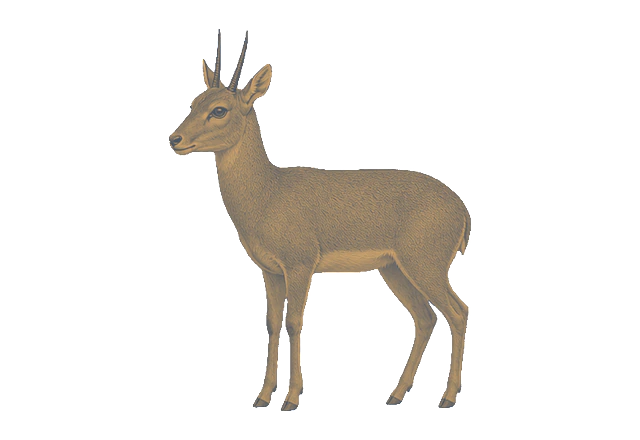
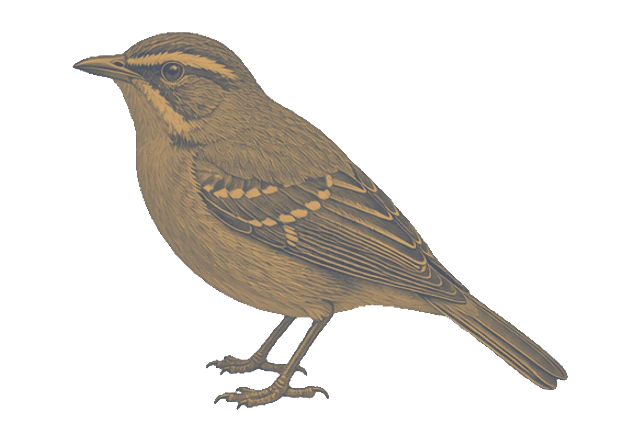
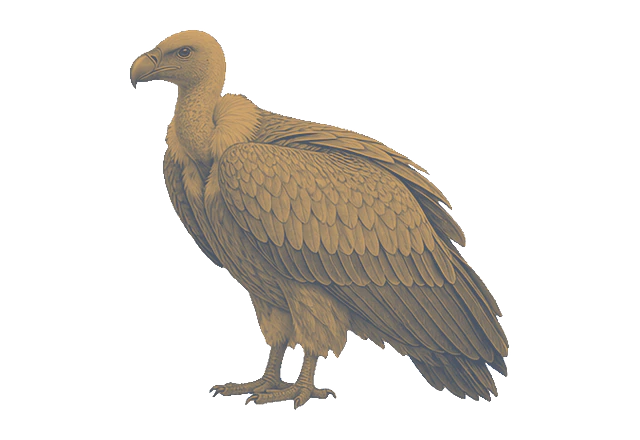
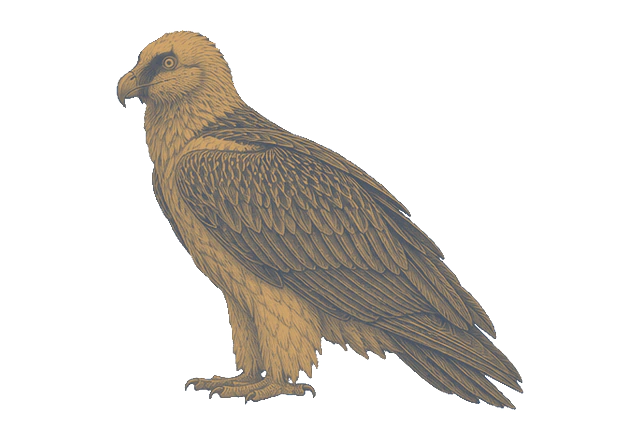
Broad planning guide for Lesotho’s principal wildlife regions. Visibility varies by reserve, habitat, season and itinerary; no sighting is guaranteed.
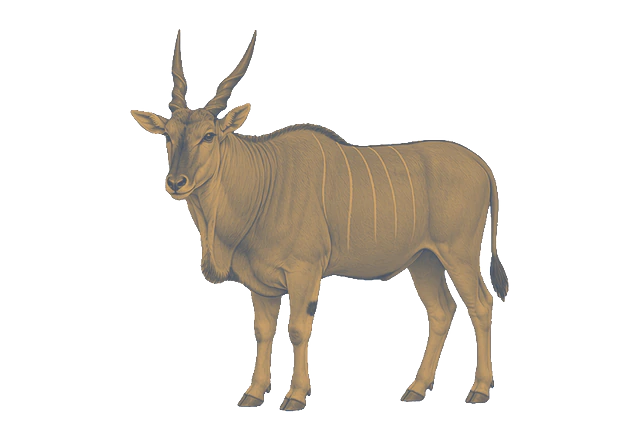
- ElandTsehlanyane and highland reservesLikelihood: Common
- Grey rhebokBokong and highland reservesLikelihood: Common
- Sloggett's ice ratHigh-altitude grasslandsLikelihood: Common
- Rock hyraxTsehlanyane and BokongLikelihood: Common
- Drakensberg rockjumperMafika Lisiu and highland birding routesLikelihood: Common
- Cape vultureBokong and Mafika Lisiu viewpointsLikelihood: Common
- Bearded vultureHighland escarpmentsLikelihood: Occasional
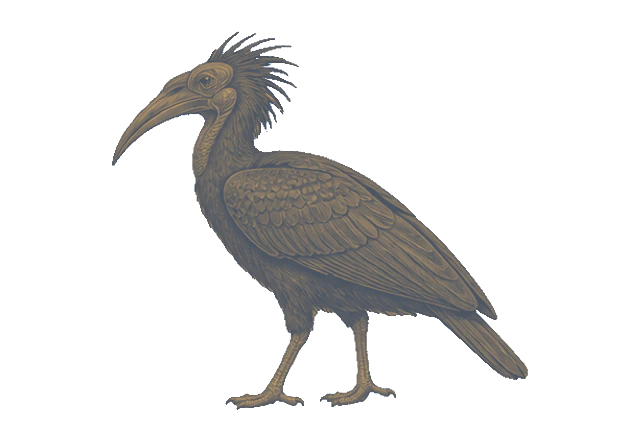
- Southern bald ibisHighland wetlands and cliffsLikelihood: Occasional
- LeopardExceptional remote highland encounterLikelihood: Very rare



Travel, health, visa, and entry preparation
Check each traveller's circumstances and the official sources below before booking or departure.
Travel advice
Canada advises exercising a high degree of caution throughout Lesotho because of crime.
Petty theft and violent crime can affect visitors in cities, at accommodation and restaurants, on poorly lit roads, and in some remote mountain areas.
- Crime and valuables
- Use accommodation with effective security, keep passports and valuables secured, remain alert in public places and popular visitor areas, and avoid poorly lit streets and unnecessary movement after dark.
- Driving and carjacking
- Plan road travel for daylight, keep vehicle doors locked and windows closed, do not pick up hitchhikers, and confirm that a South African rental vehicle has written authorization to enter Lesotho.
- Mountain routes and hiking
- Mountain weather and road conditions can change quickly, rescue coverage is limited, and Sani Pass requires a suitable four-wheel-drive vehicle. Use an experienced reputable guide, carry warm and emergency equipment, share the itinerary, and arrange insurance that covers evacuation.
- Demonstrations and gatherings
- Avoid demonstrations and large gatherings, follow local-authority instructions, and monitor reliable local reporting because peaceful events can become violent or disrupt transport.
- Entry and transit checks
- Confirm passport validity, visa or extension requirements, vehicle documents, and any South Africa transit conditions with the relevant authorities before departure because border and carrier rules can change.
Health advice
Review vaccination, yellow fever and malaria guidance for the traveller and itinerary.
- Vaccines
- Review routine immunizations and destination-specific vaccines with a qualified travel-health clinician at least a month before departure when possible. CDC lists hepatitis A for unvaccinated travellers aged one year or older, hepatitis B for unvaccinated travellers of all ages, and typhoid for most travellers; rabies vaccination decisions depend on planned activities and access to prompt care.
- Yellow fever
- CDC does not recommend yellow-fever vaccination for travel to Lesotho and reports that Lesotho does not require proof of vaccination for entry. Transit or onward destinations may apply different certificate rules, so confirm requirements for every country and airport transit in the complete itinerary before travel.
- Malaria
- CDC's Lesotho destination page does not list malaria in its vaccines and medicines table as of the access date. This absence is not a declaration of zero risk; discuss the full itinerary with a qualified clinician and consider mosquito-bite precautions, especially when travel also includes neighbouring countries.
Consult a qualified travel-health professional for advice based on the traveller and itinerary.
Visa and entry
Verify the requirements for every traveller.
Lesotho's Ministry of Home Affairs states that the eVisa application system is suspended. Visa need still depends on nationality and exemption arrangements, so travellers who require a visa must obtain current manual instructions from Immigration before travel.
Do not rely on the inactive eVisa application link. Check whether the traveller is visa-exempt, then use the ministry's current contact details to obtain the online or manual application process. Confirm required documents, fees, processing time and visa issuance directly with Lesotho Immigration before booking or departure.