
Best time and high seasonality
Compare recommended travel periods, typical demand seasons, weather comfort, and sky conditions across all twelve months.
Weather and travel guidance
January sits in Madagascar’s hot, humid rainy season and brings the greatest operational caution to many routes. The east and northwest are much wetter than the southwest, while highland storms can be intense and tropical systems may affect roads, flights or coastal travel. Some protected areas become difficult or close temporarily, so a national weather label is never enough. Keep routes short and recoverable, confirm each park and road before travel, avoid critical same-day connections, and prepare clients for heat, insects, heavy showers and abrupt regional changes.
February remains within the main rainy and tropical-storm period. Eastern rainforest and northern routes may receive prolonged rain, yet the southwest can be much drier; these contrasts make point-to-point verification essential. Flooding, damaged roads or cancelled domestic flights can outlast the storm that caused them, and some park trails may be unavailable. Use conservative travel times, reconfirm accommodations and protected-area access, retain alternatives around exposed coastal legs, and brief clients that bright conditions in one region do not establish safe passage elsewhere.
March is usually still wet, hot and humid, although rainfall may begin easing at different times by region. The east coast can remain cloudy and rain-prone while southern drylands have longer bright intervals; highland roads and unsealed park approaches may still carry wet-season damage. Tropical weather risk also persists. Avoid treating March as a guaranteed transition, ask each park and transport supplier for current conditions, preserve spare time between distant regions, and explain that wildlife access may depend more on the selected habitat and road than on a national monthly rating.
April begins the broad dry-season transition and is often a useful shoulder month. Rain generally retreats, humidity falls and more parks or overland routes become workable, but the east stays wetter and recent storms may leave delayed repairs. Highland evenings can turn cool while the southwest remains warm and relatively dry. Build an itinerary around verified reopenings rather than calendar assumptions, schedule rainforest walking with rain protection, retain buffer time for long road sectors, and brief clients for both strong sun and lingering showers across different climate zones.
May usually provides one of Madagascar’s most balanced national windows. Conditions are cooler and drier across much of the highlands and west, access is broadly more dependable, and the east—although still wetter—often becomes easier to plan. Cloud climatology shows that no single sky icon describes every region. It is a strong month for combining contrasting habitats before the busiest period: verify rainforest trail conditions, include warm layers for highland mornings, protect long driving days with realistic stops, and match wildlife expectations to each named protected area.
June is cool and predominantly dry in the highlands and west, while the east coast can remain cloudy with regular showers. Nights around Antananarivo and elevated parks may feel cold, and road journeys can start in fog or low cloud even when afternoons improve. Demand classifications conflict: some publishers place June in the main high period while another treats it as lower. Reserve scarce park-side stays where needed, pack proper warm and rain layers, plan early starts cautiously, and verify regional road and trail conditions instead of relying on a dry-season shorthand.
July is within Madagascar’s cool dry period and a higher-demand travel month. The central highlands can be cold at night, eastern rainforest remains damp and cloud-prone, and southern or western routes are usually much sunnier. Holiday demand tightens well-known circuits even though weather quality differs by region. Book critical guides, flights and park-side accommodation early, allow for long road sectors, and bring warm layers plus rain protection for eastern itineraries. The month is workable but not universally ideal, particularly for clients sensitive to cool upland conditions.
August continues the cooler dry season and is one of the busiest months on established routes. Western and southern areas are often bright and dry, while the east retains cloud and showers; highland dawns can still be cold. Demand pressure can reduce flexibility when a flight or road plan changes, so recovery options need designing before arrival. Secure constrained accommodation, domestic transport and specialist guides early, avoid overloading driving days, and make the regional contrast explicit so clients carry insulation for altitude as well as sun and rain protection.
September is a strong broad travel window as temperatures rise while much of the country remains relatively dry. Highland mornings are less severe, western and southern routes are generally dependable, and eastern rainforest still requires cloud and shower tolerance. Higher demand persists across popular parks and circuits. Protect scarce guides and domestic transport early, use realistic road timings, and schedule wildlife walks for the correct habitat and time of day. Keep rain cover for the east and strong sun protection elsewhere rather than presenting September as uniformly clear.
October is warm, mostly dry and widely suitable before the main rains return, making it another high-demand month. The east can still be wet, the southwest remains markedly drier, and heat builds in western or northern areas. Demand sources disagree on whether October is peak or shoulder, but constrained inventory is a practical risk. Book important parks, guides and flights early, avoid tight connections after long road sectors, and brief clients for rising heat, variable cloud and the possibility of early storms without overstating a single national pattern.
November is a transition into the hot rainy season. Humidity and thunderstorm risk rise, first rains can alter unsealed roads, and the east or northwest may deteriorate before southern drylands. Some demand calendars keep November high, others call it shoulder, so use supplier dates rather than a country-wide price promise. Preserve flexible routing, recheck protected-area access and domestic flights, allow recovery time around long transfers, and prepare clients for stronger heat, insects and abrupt local showers while keeping wildlife claims tied to the actual park.
December is hot, increasingly humid and within Madagascar’s rainy season. The east and northwest usually receive more rain and cloud than the southwest, while tropical systems can affect transport well beyond a direct coastal impact. Festive dates may tighten selected flights or stays even though broad demand classifications remain low. Book essential holiday logistics early but keep the itinerary forgiving, confirm every park and overland sector close to departure, avoid critical same-day flight connections, and prepare for heat, downpours, insects and short-notice access changes.
- Travel recommended
- April to June, September to October
- Typical travel season
- Shoulder · April to May, November
- Weather comfort
- Good · April, June to August
How to read this: month icons show the typical sky and rain pattern; Weather grades broad travel comfort; Travel Seasons show typical demand and pricing. None is a forecast, and supplier periods vary.
Wildlife Overview
Broad planning guide for Madagascar’s principal wildlife regions. Visibility varies by reserve, habitat, season and itinerary; no sighting is guaranteed.
- IndriAndasibe and AnalamazaotraLikelihood: Common
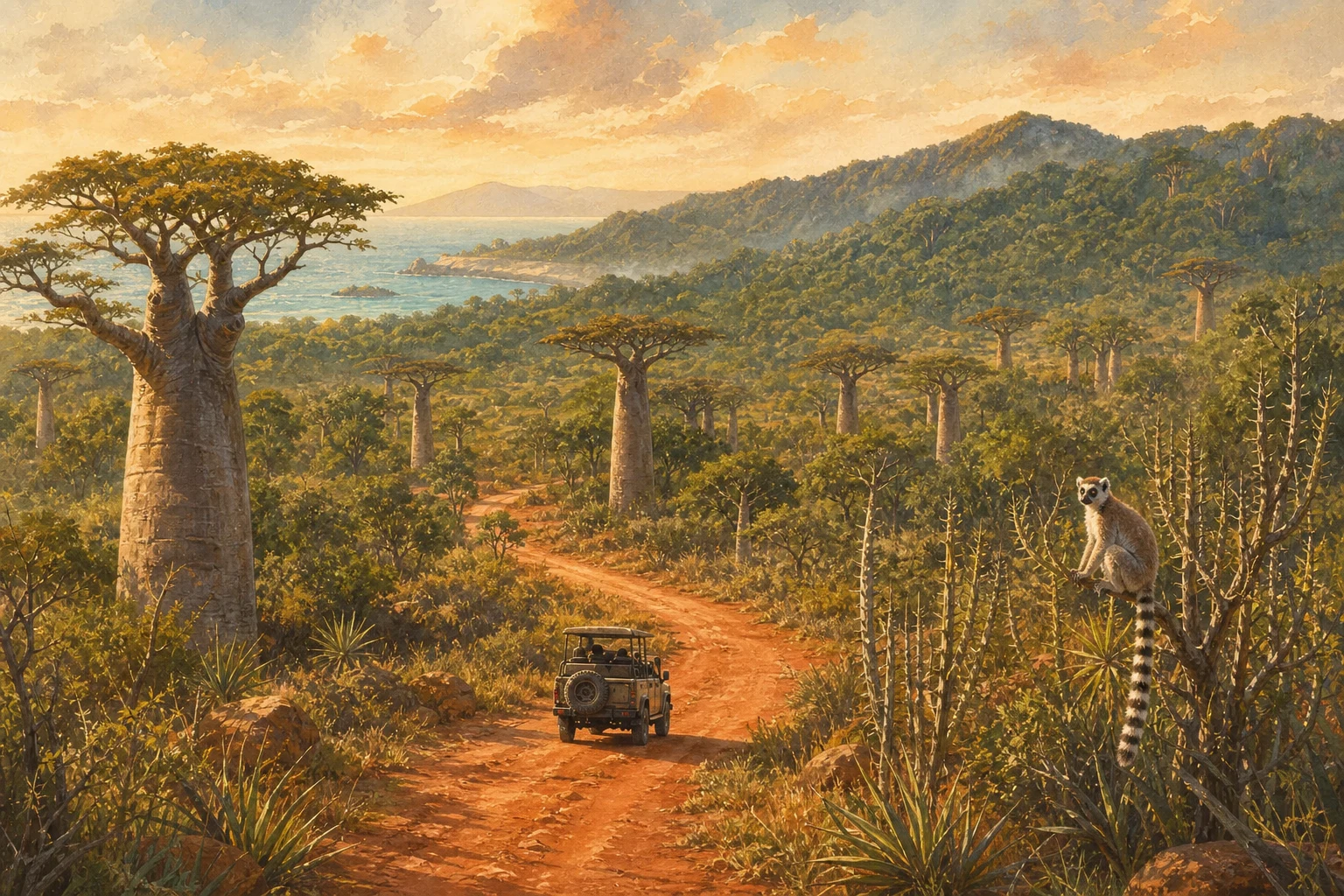
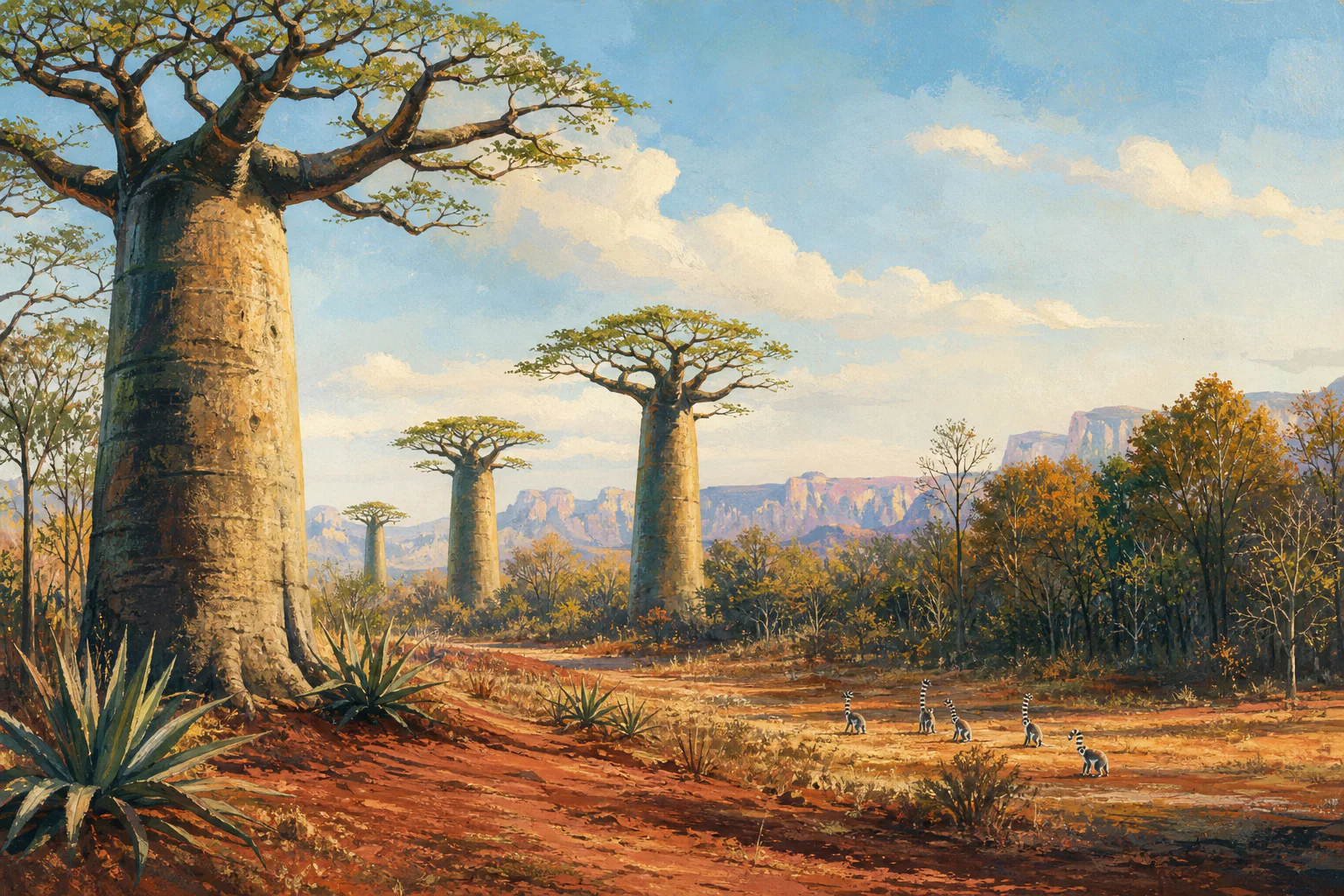
- Ring-tailed lemurBerenty ReserveLikelihood: Abundant
- Verreaux’s sifakaBerenty and selected southern reservesLikelihood: Common
- Black-and-white ruffed lemurMantadia and eastern rainforestLikelihood: Occasional
- Parson’s chameleonEastern rainforest searchesLikelihood: Occasional
- Diademed sifakaAndasibe–Mantadia rainforestLikelihood: Occasional
- Grey mouse lemurTargeted southern night walksLikelihood: Occasional
- Giant leaf-tailed geckoTargeted eastern rainforest searchesLikelihood: Occasional
- Radiated tortoiseTsimanampesotse and southern routesLikelihood: Occasional
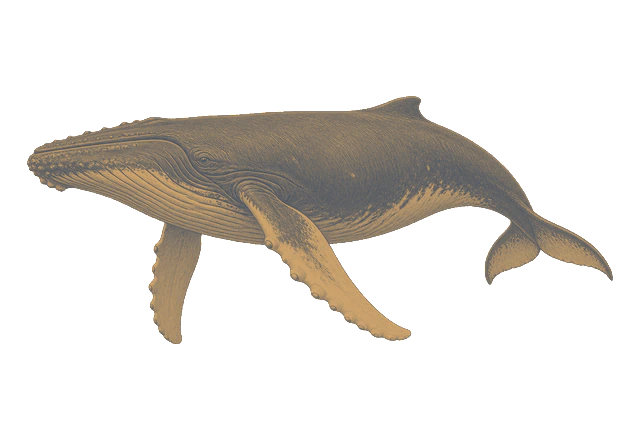
- Humpback whaleJun–Sep · northeast-coast whale tripsLikelihood: Common
- FossaExceptional western or northern encounterLikelihood: Very rare
- Aye-ayeSpecialist nocturnal itineraryLikelihood: Very rare











Travel, health, visa, and entry preparation
Check each traveller's circumstances and the official sources below before booking or departure.
Travel advice
Canada advises exercising a high degree of caution throughout Madagascar because of widespread crime and the potential for political instability.
High crime and the potential for political instability, with additional risks on roads and in isolated tourist areas.
- Parks, beaches and guides
- Armed gangs have assaulted visitors in isolated parks and coastal areas. Do not visit alone, seek current operator advice, and use a Ministry of Tourism-accredited national guide whose badge you verify.
- Road transfers
- Avoid driving after dark; use a four-wheel-drive vehicle and an experienced hired driver outside major cities; and recheck road conditions during the November-to-April rainy season. Armed attacks have occurred on parts of RN7 and RN13, so consider flying where the live advisory indicates that it is safer.
- Crime and public gatherings
- Protect passports and cash, avoid displaying valuables or walking in isolated areas, use reputable operators and lodging, and leave demonstrations or large gatherings. Do not resist an armed robbery.
- Checkpoints and contingencies
- Carry your passport, remain calm at official roadblocks, follow local-authority instructions, and allow buffer time because rural police, rescue support and transport can be limited.
Health advice
Review vaccination, yellow fever and malaria guidance for the traveller and itinerary.
- Vaccines
- Arrange a travel-health consultation at least one month before departure. CDC recommends being current on routine vaccines and recommends hepatitis A and typhoid for most travelers; hepatitis B and rabies decisions depend on age, vaccination history, activities, animal-exposure risk and access to prompt care.
- Yellow fever
- CDC does not recommend yellow-fever vaccination for Madagascar itself. Proof is required for travelers aged 9 months or older arriving from a country with yellow-fever transmission risk, including an airport transit or layover longer than 12 hours in such a country; verify the requirement for the actual route.
- Malaria
- CDC lists malaria transmission throughout Madagascar except that transmission is rare in Antananarivo. It recommends prescription prevention medicine for all areas outside the city of Antananarivo, together with mosquito-bite precautions; for Antananarivo it recommends bite precautions without chemoprophylaxis. A qualified clinician should select medicine for the traveler and itinerary.
Consult a qualified travel-health professional for advice based on the traveller and itinerary.
Visa and entry
Verify the requirements for every traveller.
Official Malagasy information describes non-immigrant short-stay visas of up to 90 days through Malagasy diplomatic or consular missions or immigration control at an airport or port, but no functioning government online application workflow for an ordinary tourist visa was verified.
Consult the official information page and confirm the current process with the responsible Malagasy mission. Prepare the current form and supporting documents requested for tourism, including a passport with sufficient validity and blank pages, a recent photograph and return-travel evidence. Recheck requirements and fees, and do not submit documents or payment to an online portal unless a Malagasy government mission confirms the functioning address.