
Best time and high seasonality
Compare recommended travel periods, typical demand seasons, weather comfort, and sky conditions across all twelve months.
Weather and travel guidance
January is near Malawi’s rainfall peak, with humid conditions, frequent cloud and locally heavy showers. Lake shore, plateau and highland routes do not respond identically, and flooded or softened roads can disrupt access after rain has moved on. Some operations reduce activity in the wet low-demand period. Keep transfers conservative, confirm park, lodge and boat schedules close to travel, and brief clients for heat, insects, slippery trails and intense sun between showers. Current conditions matter more than the national monthly average.
February remains in Malawi’s main wet season. Cloud and showers are widespread, but rainfall amount, road impact and temperature vary with altitude and region; northern highlands may feel cooler while the lower Shire Valley stays warm and humid. Unsealed roads, river levels and lake weather can alter planned activities. Avoid rigid multi-stop timing, verify each property’s seasonal operation and access, retain a spare travel margin, and recommend breathable layers, waterproof protection and sturdy footwear for wet ground rather than assuming rain is continuous every day.
March is still rainy and humid, though the timing of seasonal retreat varies from year to year and by region. Heavy showers can continue, ground may remain saturated and access problems can persist after a clearer day. Lake, plateau and protected-area routes need separate checks. Lower demand may improve flexibility where operations remain open, but it does not remove weather risk. Confirm roads, boats and accommodation status shortly before arrival, keep recovery time around long transfers, and prepare clients for mixed bright intervals, downpours, insects and muddy paths.
April is a transition month as Malawi’s rains generally ease and travel conditions begin improving. Some regions dry sooner than others, while wet ground or damaged access can remain after the last substantial shower. Temperatures become more comfortable and clearer periods increase, though cloud still varies between lakeshore, plateau and highland areas. April remains in the reconciled low-demand calendar and can suit flexible clients. Verify reopenings and road status, retain light rain protection, and avoid treating seasonal cessation as one fixed national date.
May usually starts Malawi’s cool dry period in earnest. Rainfall falls sharply, humidity eases and roads become more dependable, while mornings in elevated areas turn noticeably cool. Skies remain a mix of sun and cloud rather than uniformly clear across the country. Demand sources disagree on whether May is already high or still shoulder; the reconciled calendar keeps it shoulder. Confirm supplier rate dates, pack layers for altitude and early starts, and use the improving access to combine lake, plateau and protected-area regions without compressing long transfers.
June is dry, comfortable and cool by Malawi standards. Highland and plateau mornings can be cold, cloud may linger in exposed uplands, and lakeshore temperatures are generally milder. Road reliability is usually better than in the rainy season, but distance and local maintenance still shape routing. June remains a shoulder month in the reconciled demand calendar despite one publisher’s earlier high-season boundary. Protect limited rooms where needed, include proper warm layers, confirm boat or park operations, and keep realistic road times between widely separated regions.
July lies within Malawi’s dry winter and higher-demand period. Rain is limited, but nights and dawns can be cold on the plateau and especially in the northern highlands; mixed cloud remains more defensible nationally than a universal clear-sky label. Lake shore areas are milder and often comfortable. Book constrained protected-area and lakeside inventory early, prepare clients for cold open-air starts and warm afternoons, and preserve sensible transfer times. Good seasonal access still requires route-level road, boat and activity confirmation.
August is dry, increasingly sunny and one of Malawi’s strongest broad weather months. Mornings remain cool at altitude, while lower areas and the lakeshore warm quickly after sunrise. Roads are generally dependable, dust can increase, and higher demand reduces flexibility at well-known stays. Reserve key rooms, guides and domestic transport early, include warm layers for elevated starts, and maintain hydration and sun protection through the day. Wildlife likelihoods still depend on the selected protected area, habitat, water level and guide effort rather than the favorable weather rating.
September stays dry and sunny while temperatures rise, particularly in the Shire Valley and other low elevations. Access is usually dependable, but dust, heat and longer distances still need active management. Higher demand continues and constrained inventory can make route recovery difficult. Secure priority stays and transfers early, schedule strenuous activities for cooler hours, carry strong sun protection and water, and distinguish lake, plateau and protected-area conditions. Dry weather improves reliability but does not establish an encounter promise for any species.
October is hot, dry at first and increasingly transitional as Malawi approaches the rains. Lowland afternoons can be intense, while highlands remain cooler and the onset of showers varies by year and region. Demand publishers disagree: some treat October as high, another as shoulder; the reconciled calendar keeps high while requiring supplier confirmation. Plan early activity starts, protect hydration and shade, verify rate boundaries, and recheck roads or lake operations if first storms arrive. Do not assume one national rain-onset date.
November usually brings the return of hotter, wetter conditions, but rainfall onset is uneven across Malawi. Early storms may be highly local, create difficult unsealed roads or interrupt lake and protected-area activities while another region remains dry. Most reviewed rate calendars move into lower demand, although individual properties differ. Keep multi-stop itineraries flexible, confirm seasonal opening and access, allow recovery time around long transfers, and brief clients for heat, humidity, insects, strong sun and sudden showers rather than promising either dry travel or daily rain.
December is warm, humid and within Malawi’s main rainy season. Cloud and showers increase across the country, with local differences in timing and intensity; roads or trails can become difficult even when rain is intermittent. Holiday travel may create selected inventory pressure inside a broad lower-demand rate period. Confirm operating dates, boats and road access close to travel, avoid critical same-day onward connections after remote sectors, and prepare clients for wet ground, insects, tropical rain and bright, hot intervals. Supplier updates should override a generic monthly label.
- Travel recommended
- April to October
- Typical travel season
- Low · November to April
- Weather comfort
- Good · April, July, October
How to read this: month icons show the typical sky and rain pattern; Weather grades broad travel comfort; Travel Seasons show typical demand and pricing. None is a forecast, and supplier periods vary.
Wildlife Overview
Broad planning guide for Malawi’s principal wildlife regions. Visibility varies by reserve, habitat, season and itinerary; no sighting is guaranteed.
- African bush elephantLiwonde and MajeteLikelihood: Abundant
- HippopotamusLiwonde and Shire RiverLikelihood: Abundant
- Nile crocodileLiwonde and Shire RiverLikelihood: Abundant
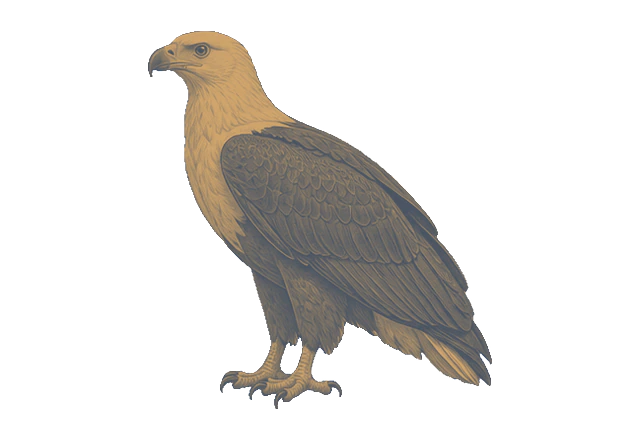
- African fish eagleLakeshore and Shire waterwaysLikelihood: Abundant
- African buffaloLiwonde and MajeteLikelihood: Common
- LionMajete and LiwondeLikelihood: Common
- Plains zebraNyika PlateauLikelihood: Common
- LeopardNyika Plateau, especially the Chelinda forest edgeLikelihood: Common
- Sable antelopeMajete and suitable reservesLikelihood: Common
- Roan antelopeNyika PlateauLikelihood: Common
- African wild dogMajete and LiwondeLikelihood: Occasional
- Black rhinocerosMajete Wildlife ReserveLikelihood: Occasional
- CheetahMajete Wildlife ReserveLikelihood: Occasional












Travel, health, visa, and entry preparation
Check each traveller's circumstances and the official sources below before booking or departure.
Travel advice
Canada advises travellers to exercise a high degree of caution throughout Malawi because of crime.
The advisory identifies regular petty theft, violent crime in major cities and other traveller safety risks, including poor road safety.
- Secure valuables
- Keep passports, cash and devices secured and out of sight, especially around markets, transport terminals, tourist areas, restaurants and hotels.
- Limit night movements
- Avoid walking after dark, remain alert in Lilongwe and Blantyre, use vetted transport and do not resist during a robbery.
- Plan safer road transfers
- Prefer daylight travel with experienced drivers, avoid informal lifts and allow for variable road conditions and limited emergency care.
Health advice
Review vaccination, yellow fever and malaria guidance for the traveller and itinerary.
- Vaccines
- Review routine immunizations and Malawi-specific recommendations with a travel-health professional at least one month before departure. Vaccine decisions depend on age, health, activities and the current itinerary.
- Yellow fever
- CDC does not recommend yellow fever vaccination for Malawi itself. Proof is required for travellers aged one year or older arriving from, or after an airport transit longer than 12 hours in, a country with yellow fever transmission risk.
- Malaria
- CDC lists malaria transmission throughout Malawi and recommends prescription prevention for travellers. Discuss the itinerary and medicine choice with a clinician, start and continue the medicine as directed, and use mosquito-bite precautions.
Consult a qualified travel-health professional for advice based on the traveller and itinerary.
Visa and entry
Verify the requirements for every traveller.
Malawi provides an official online eVisa service. Current rules distinguish nationalities eligible for visa on arrival from those that require a visa or prior authorization before departure.
Use the official eligibility wizard to confirm the traveller's category. When pre-departure authorization is required or preferred, create an eVisa account, submit passport and trip details, pay online, wait for approval, then download and print the approval document before travel.