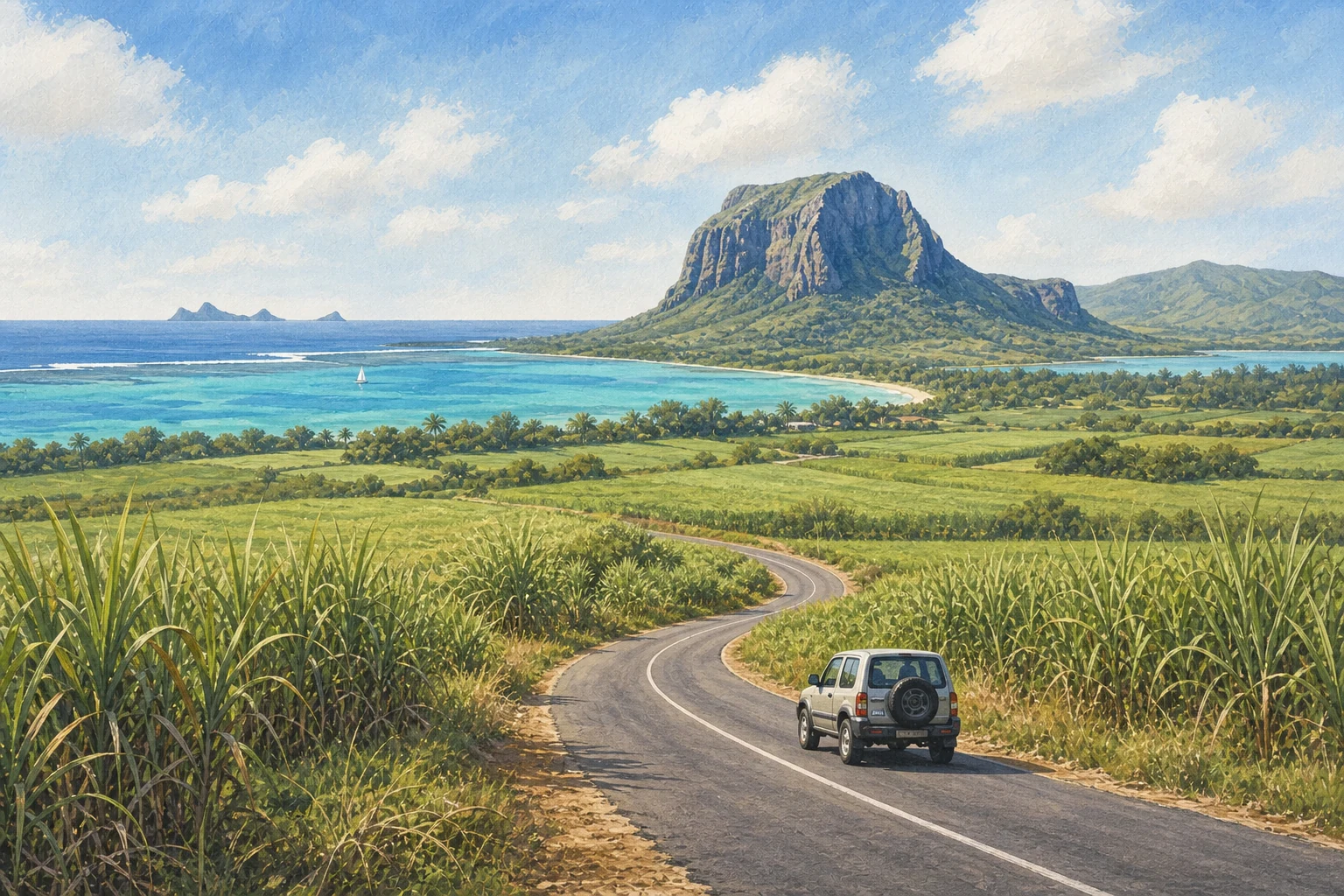

Best time and high seasonality
Compare recommended travel periods, typical demand seasons, weather comfort, and sky conditions across all twelve months.
Weather and travel guidance
January is hot, humid and one of Mauritius’ wetter months, yet the meteorological service stresses that the island has no sharply defined rainy season. Heavy showers can be local and followed by strong sun; the central plateau and east are generally cooler or wetter than the west and north. Cyclone-season monitoring remains part of planning. Choose the coast for planned activities, avoid rigid marine schedules, keep transfer margins, and brief clients for heat, high ultraviolet exposure, tropical rain and short-notice official weather updates.
February is typically the wettest and among the most humid months in Mauritius. Sunshine still occurs between showers, so a rainy sky category describes higher risk rather than continuous rain. The central plateau and windward east can differ markedly from western beaches, while tropical systems may affect flights, roads or sea conditions. Keep the routing recoverable, monitor official bulletins, confirm excursion thresholds close to travel, and advise clients to carry breathable clothing, rain protection, strong sun cover and realistic expectations about regional variation.
March remains warm, humid and relatively wet, with frequent bright intervals alongside showers. The island-wide average conceals a wetter, cloudier central plateau and east and a generally drier west or north. Cyclone-season checks still apply, even though no disruption should be assumed from the calendar alone. Use flexible day sequencing, verify marine and hiking operations after heavy rain, avoid tight flight connections around weather-sensitive activities, and prepare clients for intense sun, tropical downpours and quick changes over short distances.
April is a transition toward cooler, drier conditions and begins the tourism authority’s broad recommended period. Rain and humidity generally ease, but cyclone-season monitoring continues into May and regional contrasts remain: the central plateau can be cooler or cloudier than the coast. High-season pricing often extends through April, with some properties changing rates late in the month. Confirm the exact contract dates, match coast orientation to planned activities, and keep light rain protection, sun cover and a warm layer for elevated evening visits.
May usually brings more comfortable humidity, reduced rainfall and mild temperatures. The southeast trades begin becoming more noticeable, making the east and south cooler or breezier while west and north coasts may feel calmer. Commercial calendars generally switch into lower season, although this does not promise empty hotels or cheaper rooms everywhere. It is a strong flexible month: choose the coast by activity, check sea conditions for exposed routes, carry a light evening layer, and confirm cyclone bulletins until the formal season ends rather than relying only on averages.
June is within Mauritius’ cool, comparatively dry winter. Southeast trade winds can make the east and south feel breezier, cooler and cloudier, while the west and north often offer more sheltered conditions. The central plateau is cooler than the coast and may need an extra layer. Lower-season rate calendars can improve availability but do not guarantee discounts. Match accommodation to wind exposure and planned water activities, discuss sea comfort before fixing boat trips, and brief clients for passing showers, strong sun and a noticeable coastal-to-highland temperature change.
July continues the cool winter pattern, with moderate temperatures, mixed sun and cloud, and established southeast trades. Windward east and south coasts can be breezy or choppy while western and northern sectors are often more sheltered; the plateau remains cooler. The rate convention is low season, although holiday occupancy can be stronger than the label implies. Select the coast carefully, book constrained family dates early, carry a warm evening layer, and confirm marine conditions locally because low rainfall and blue sky do not ensure calm water around the island.
August is cool and relatively dry, but southeast trades remain influential. East- and south-facing beaches can feel windy, sea conditions vary by exposure, and the central plateau may be cloudy while the leeward coast is bright. Lower-season pricing does not mean low occupancy on every date, especially during international holidays. Secure specific room categories and activities where needed, choose accommodation by coast orientation, and prepare clients for sun, breeze, a cooler evening and brief local showers instead of describing August as uniformly still or clear.
September often provides one of Mauritius’ best broad comfort windows. Rainfall is low, skies are comparatively bright, temperatures begin to rise and the southeast trades generally become less dominant, though exposed coasts can remain breezy. It is still classified as lower rate season in the reconciled convention, but occupancy evidence warns against promising quiet hotels or universal bargains. Protect scarce room types, match coast and activity, keep ferry or boat decisions weather-led, and brief clients for strong sun plus a cooler or cloudier central plateau.
October is typically the driest month and a strong all-round weather window. Temperatures warm, sunshine is comparatively abundant and trade winds ease, although local showers and coast-to-plateau contrasts persist. Commercial calendars move into high season from the start of the month, so availability and rates can tighten even before year-end. Book key stays and specialist activities early, retain normal marine connection margins, and advise clients that excellent national conditions still require route-level checks for wind, cloud and brief tropical rain.
November is warm, relatively bright and within a higher-demand period, while the formal cyclone season begins. Humidity and rainfall start rising from the dry-season minimum, but Mauritius still lacks a single marked rainy-season boundary and the west, east and central plateau can differ on the same day. Reserve constrained inventory early, follow official bulletins without treating the season itself as a disruption forecast, keep weather-sensitive activities flexible, and prepare clients for increasing heat, strong sun, local showers and changing sea conditions.
December is warm, humid and increasingly showery, but sunshine remains substantial and regional variation is pronounced. Higher demand builds toward Christmas and New Year, when rates, minimum stays and transport constraints can be much stricter. Cyclone-season monitoring and flexible marine plans are important without implying that disruption is inevitable. Secure festive inventory and policies well ahead, avoid tight onward connections after boats, choose the coast for planned activities, and brief clients for heat, strong ultraviolet exposure and short tropical rain events.
- Travel recommended
- April to December
- Typical travel season
- High · October to April
- Weather comfort
- Good · June to August, December to April
How to read this: month icons show the typical sky and rain pattern; Weather grades broad travel comfort; Travel Seasons show typical demand and pricing. None is a forecast, and supplier periods vary.
Wildlife Overview
Broad planning guide for Mauritius’s principal wildlife regions. Visibility varies by reserve, habitat, season and itinerary; no sighting is guaranteed.
- Mauritian flying foxWooded areas across the main islandLikelihood: Abundant
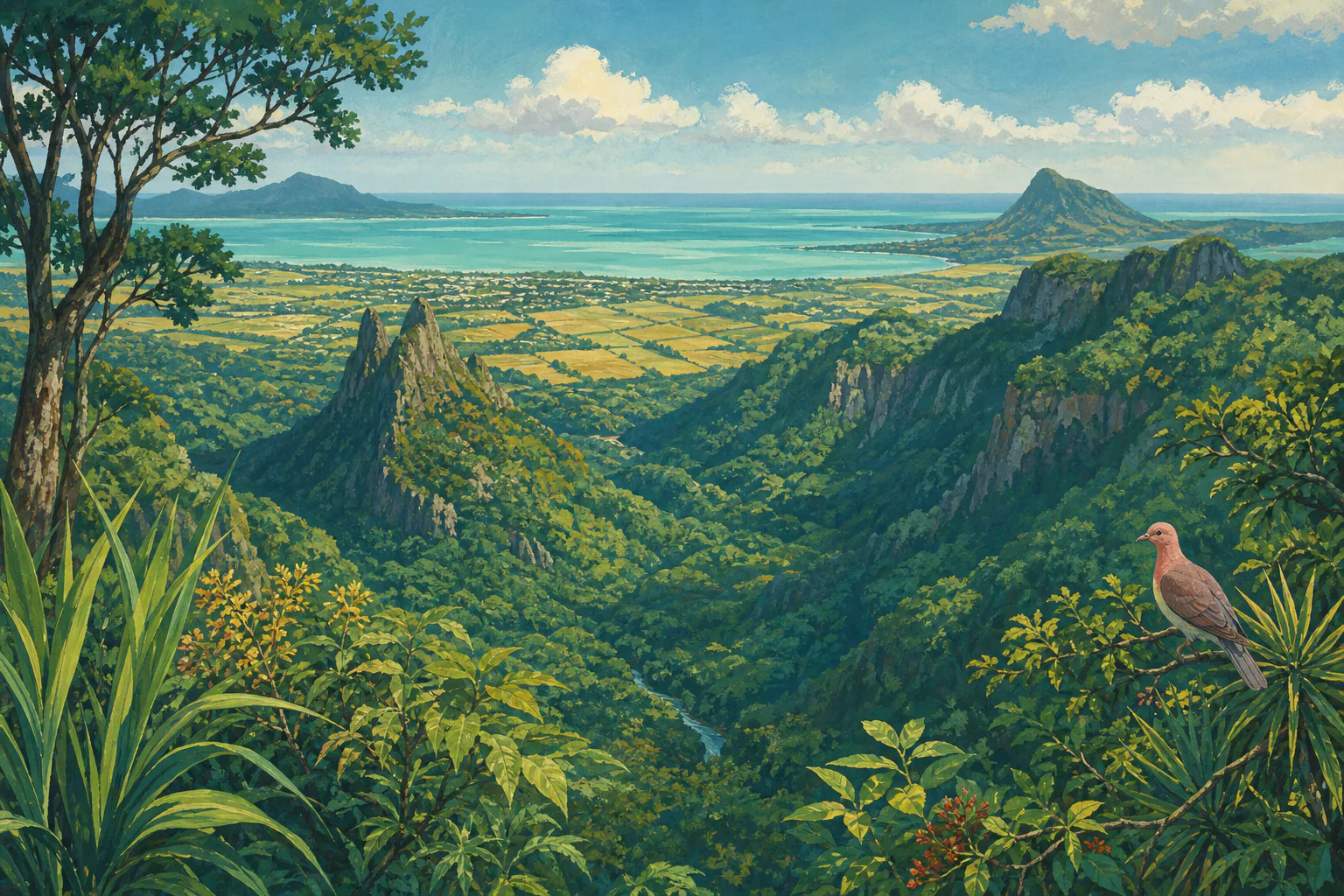
- Pink pigeonManaged forest and island reservesLikelihood: Common
- Echo parakeetBlack River Gorges and managed forestsLikelihood: Common
- Ornate day geckoAppropriate coastal and island reservesLikelihood: Common
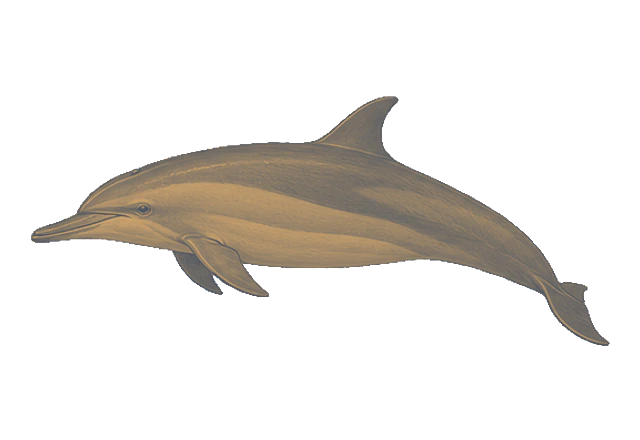
- Spinner dolphinTargeted west-coast boat tripsLikelihood: Common
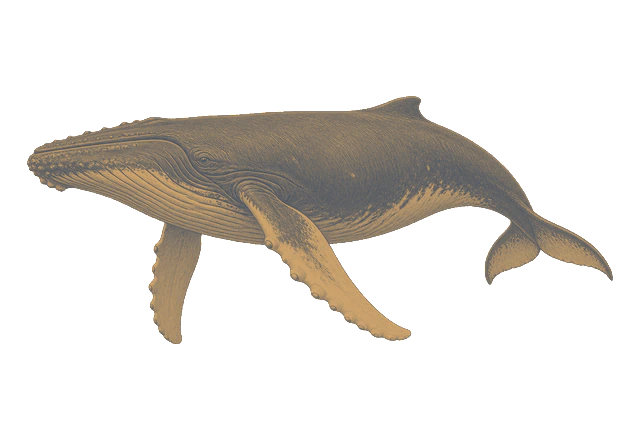
- Humpback whaleJun–Sep · targeted west-coast tripsLikelihood: Common
- Aldabra giant tortoiseÎle aux Aigrettes · introducedLikelihood: Common
- Mauritius kestrelTargeted forest reservesLikelihood: Occasional
- Mauritius fodyManaged islets and suitable forestLikelihood: Occasional
- Mauritius olive white-eyeSpecialist endemic-bird itineraryLikelihood: Rare








Travel, health, visa, and entry preparation
Check each traveller's circumstances and the official sources below before booking or departure.
Travel advice
Canada advises taking normal security precautions throughout Mauritius.
Petty theft occurs in tourist areas and some road, coastal, demonstration, and severe-weather conditions require practical precautions.
- Personal security
- Keep passports and valuables secure, stay alert in markets, on public beaches and around street ATMs, and avoid walking alone after dark. Canada notes more frequent petty crime in Port Louis, Flic en Flac and Grand-Baie, especially at night.
- Road travel
- Drive defensively, plan routes in advance and confirm insurance and roadside-assistance cover. Some roads are narrow, uneven or poorly lit, accidents are frequent, and emergency assistance can be limited.
- Coastal and water activities
- Respect swimming zones and warning flags, ask local operators about currents and hazardous marine life, keep clear of boats and restricted areas, and use reputable providers with appropriate insurance because some waters have riptides and beach equipment may not meet international standards.
- Cyclones and other hazards
- Cyclones normally occur from November to May and can disrupt transport and essential services. Monitor official forecasts, keep flexible travel arrangements and emergency contacts, follow local-authority instructions, and learn local tsunami evacuation routes.
- Entry and pre-arrival checks
- Confirm passport validity, visa eligibility and carrier requirements before departure. The Mauritius All-in-One Travel Form may save time on arrival but is not a visa application, and immigration officers make the final admission decision.
Health advice
Review vaccination, yellow fever and malaria guidance for the traveller and itinerary.
- Vaccines
- Review routine immunizations and destination-specific vaccines with a qualified travel-health clinician at least a month before departure when possible. CDC lists hepatitis A for unvaccinated travellers aged one year or older, hepatitis B for unvaccinated travellers of all ages, and typhoid for most travellers; rabies vaccination depends on planned activities and access to prompt care. CDC also reports a chikungunya outbreak and advises mosquito-bite prevention; vaccination decisions require individualized clinical advice.
- Yellow fever
- CDC does not recommend yellow-fever vaccination for travel to Mauritius and reports that Mauritius does not require proof of vaccination for entry. Transit or onward destinations may apply different certificate rules, so confirm requirements for every country and airport transit in the complete itinerary before travel.
- Malaria
- CDC's Mauritius destination page does not list malaria in its vaccines and medicines table as of the access date. This absence is not a declaration of zero risk; discuss the complete itinerary with a qualified clinician and use mosquito-bite precautions, especially when travel also includes other countries.
Consult a qualified travel-health professional for advice based on the traveller and itinerary.
Visa and entry
Verify the requirements for every traveller.
Visa need depends on nationality, passport and purpose of travel. Travellers who require a Mauritius visa must follow the Passport and Immigration Office's manual application route; no official online submission flow was verified.
Check the official country-wise visa requirements first. If a visa is required, apply at least one month before travel through a Mauritius diplomatic or consular representative; where none exists, submit through an Air Mauritius office, and if neither is available email [email protected]. Prepare the signed application form, two passport photos, passport data-page copies, return-ticket reservation, recent bank statement, accommodation evidence and any residence, sponsorship, business, event or minor-traveller documents that apply. Documents must be in English or French, the visa is free, and applicants should wait for approval before travelling.