
Best time and high seasonality
Compare recommended travel periods, typical demand seasons, weather comfort, and sky conditions across all twelve months.
Weather and travel guidance
January falls in Mozambique’s hot, humid wet season. Maputo is usually less persistently wet than the central coast and north, yet heavy local showers can still interrupt road, air and boat plans. Beira, Pemba and the northern islands commonly carry more cloud and rain, while tropical systems may affect a much wider area than their landfall. Build recovery time around coastal transfers, confirm marine departures and road conditions shortly before travel, and brief clients for strong sun, sudden downpours, high humidity and rapidly changing forecasts.
February remains a high-rain, high-humidity month across Mozambique, with the central and northern coast generally wetter than the far south. Downpours may be short and intense or settle in for longer spells, and tropical cyclone risk remains part of coastal planning. Island boats, light aircraft and unsealed roads can all be disrupted even when a city forecast looks manageable. Avoid tight same-day connections, check each supplier’s weather threshold, and recommend breathable clothing, waterproof document protection, insect precautions and flexible daily plans.
March is still within the wet season, although rainfall often begins easing late in the month in southern Mozambique. The north and centre can remain humid, cloudy and storm-prone, and saturated ground may prolong access problems after the rain stops. Sea conditions are route-specific, so a bright morning does not ensure an uninterrupted island transfer. Use conservative connection times, seek current advice for rural roads and river crossings, and explain that cyclone-related disruption can occur far from the storm centre through swell, rain or transport knock-on effects.
April is a transition month rather than a single national switch. Southern Mozambique usually becomes drier first, while Pemba, the northern coast and some central districts can retain showers and mixed cloud. Heat and humidity generally ease, but recent wet-season damage or soft roads may still shape remote routing. This can be a useful shoulder period for flexible clients: verify each region independently, allow a margin around boats and domestic flights, and pack for both strong sun and a passing shower instead of presenting April conditions as uniformly settled.
May normally opens Mozambique’s cooler, drier travel period. Maputo and the southern coast tend to have clear, comfortable days, while the north stays warmer and can retain occasional showers or coastal cloud. Roads and airstrips usually become more dependable as wet-season water recedes, but local repairs and island sea conditions still need confirmation. It is a strong month for combining coast and interior when clients want lower humidity without midwinter nights: include a light evening layer, strong sun protection and realistic transfer buffers.
June brings mostly dry, bright conditions to much of Mozambique. Southern mornings and evenings can feel cool, particularly inland, while Pemba and the northern islands remain warmer. Rain is usually limited, but wind and swell can still affect small-boat operations independently of rainfall. Demand rises into the broad dry-season peak, so protect key domestic flights and island rooms early. Recommend layered clothing for southern dawns, sun and wind protection on the water, and supplier checks for any remote-road or marine leg rather than assuming the dry season removes operational risk.
July is one of Mozambique’s driest and coolest months, with generally clear skies and low humidity. Maputo and southern inland areas can be crisp at night or early morning; the northern coast remains milder. Stable weather supports multi-region itineraries, but stronger seasonal winds or swell may still change boat timings, and popular coastal inventory is under higher demand. Book critical rooms and transfers well ahead, avoid unprotected same-day international connections after marine sectors, and brief clients for cool starts, warm sun and regional temperature differences.
August continues the dry winter pattern across Mozambique. Sunny days, limited rainfall and moderate humidity make overland and coastal combinations comparatively reliable, although southern nights may remain cool and northern afternoons warm. Dry roads can become dusty, while local wind and sea state—not blue sky alone—govern small-craft departures. This is still a high-demand month, especially around well-known beaches and school-holiday travel. Secure constrained inventory early, include dust and sun protection, and keep sensible connection margins around boats and domestic flights.
September is dry and increasingly warm, especially away from the coast and across northern Mozambique. Skies are often clear, roads are generally dependable and humidity remains lower than in summer, but afternoon heat begins building before the rains return. Coastal winds and swell can vary by location, so confirm water activities on the actual route. Demand stays high across the main dry-season circuit. Recommend early starts for active days, strong hydration and sun protection, and advance booking for limited island or conservation-area capacity.
October is a warmer shoulder month as Mozambique moves toward the rains. Southern and central areas may see the first thunderstorms while the north becomes hotter and more humid; timing varies substantially from year to year. Many days remain bright and travel-worthy, yet the risk of a disrupted road, flight or boat sector is higher than in midwinter. It can reward clients who accept flexibility and heat. Recheck forecasts close to departure, maintain transfer buffers, and combine breathable clothing and sun protection with a compact rain layer.
November usually marks a clearer return of the hot wet season. Humidity, cloud and thunderstorm frequency rise, first-rain road conditions can be awkward, and northern or central districts may receive substantially more rain than Maputo. Tropical systems become a planning consideration along the coast, while island transport can be affected by swell even between showers. Treat firm multi-stop schedules cautiously, ask suppliers about seasonal operating patterns, and brief clients for variable visibility, strong UV, insects, short-notice changes and occasional power or transport delays.
December is hot, humid and increasingly wet, with strong regional differences. The central and northern coast generally carry greater rain and cloud risk than the far south, while festive demand can raise prices even though the weather calendar is in a lower-reliability phase. Heavy showers, tropical systems and rough water may alter road, air or island transfers. Book holiday inventory early but keep the routing forgiving, avoid critical same-day connections after boats, and confirm operating hours, weather policies and access conditions shortly before each leg.
- Travel recommended
- May to October
- Typical travel season
- Shoulder · April to May, October, December
- Weather comfort
- Excellent · May to August
How to read this: month icons show the typical sky and rain pattern; Weather grades broad travel comfort; Travel Seasons show typical demand and pricing. None is a forecast, and supplier periods vary.
Wildlife Overview
Broad planning guide for Mozambique’s principal wildlife regions. Visibility varies by reserve, habitat, season and itinerary; no sighting is guaranteed.
- WaterbuckGorongosa National ParkLikelihood: Abundant
- African bush elephantGorongosa and MaputoLikelihood: Common
- HippopotamusGorongosa and major waterwaysLikelihood: Common
- African buffaloGorongosa National ParkLikelihood: Common
- LionGorongosa National ParkLikelihood: Common
- Nile crocodileGorongosa and southern waterwaysLikelihood: Common
- Blue wildebeestGorongosa and restored reservesLikelihood: Common
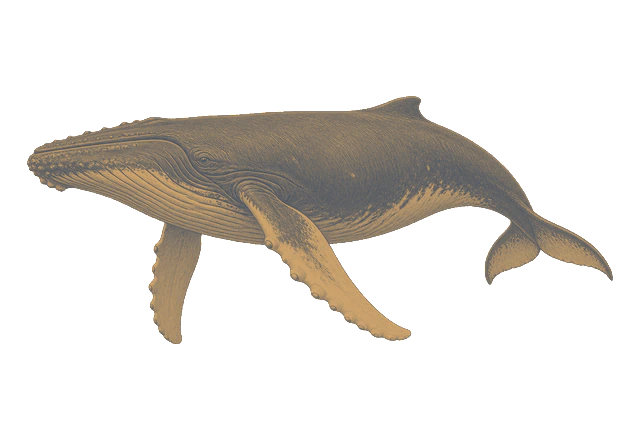
- Humpback whaleJul–Oct · Bazaruto and southern coastLikelihood: Common
- GiraffeMaputo and ZinaveLikelihood: Occasional
- Plains zebraMaputo and restored reservesLikelihood: Occasional
- Sable antelopeGorongosa and suitable reservesLikelihood: Occasional
- African wild dogGorongosa and restored reservesLikelihood: Occasional
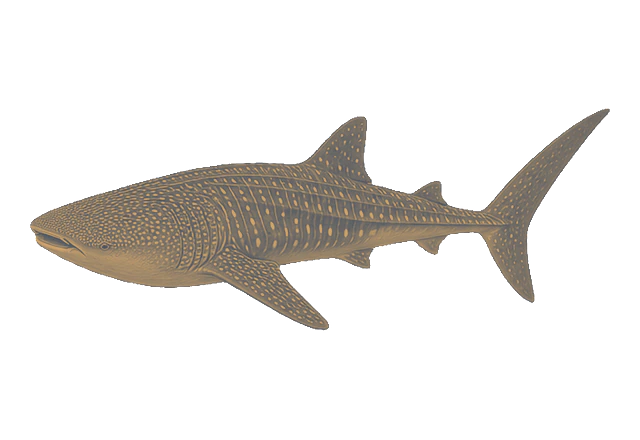
- Whale sharkTargeted Tofo and Inhambane tripsLikelihood: Occasional
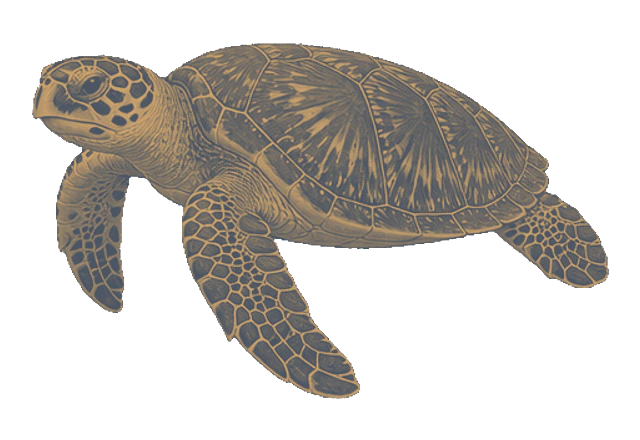
- Hawksbill turtleBazaruto and protected reefsLikelihood: Occasional
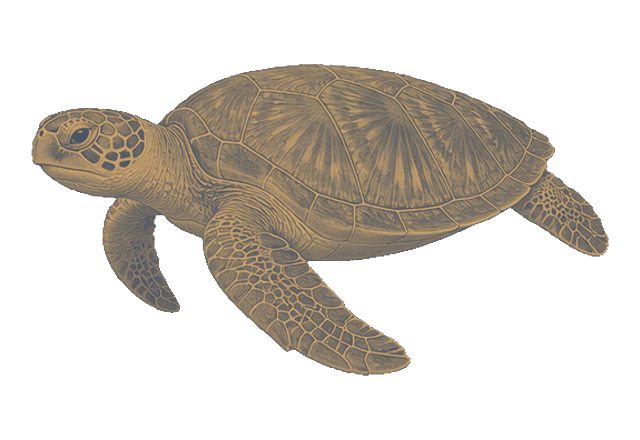
- Green sea turtleBazaruto and protected reefsLikelihood: Occasional
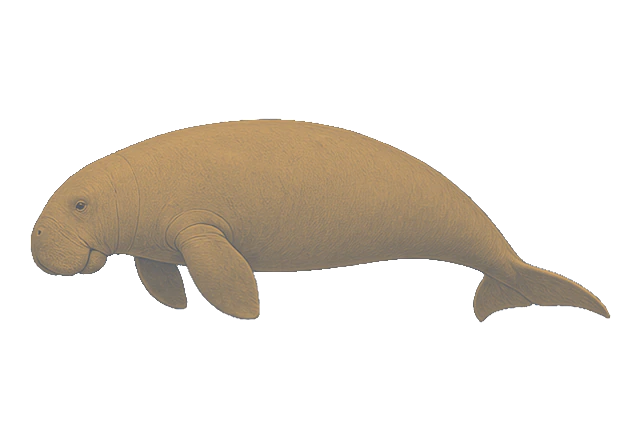
- DugongTargeted Bazaruto marine itineraryLikelihood: Rare











Travel, health, visa, and entry preparation
Check each traveller's circumstances and the official sources below before booking or departure.
Travel advice
Canada advises exercising a high degree of caution in Mozambique because of crime, an increased risk of demonstrations and violent spillovers, kidnapping and terrorism; stricter regional advisories apply in the north.
Regional advice appliesCrime, demonstrations and violent spillovers, kidnapping and terrorism, with ongoing militant activity and stricter restrictions in parts of Cabo Delgado, Nampula and Niassa.
- Regional restrictions
- Check every stop against the live regional advisory. Canada says to avoid all travel to Cabo Delgado Province except Pemba City, and to Erati and Memba districts in Nampula; avoid non-essential travel to Pemba City and to Marrupa and Mecula districts in Niassa.
- Militancy and kidnapping
- Militant attacks, roadside ambushes and kidnappings remain possible in northern areas, and Canadian consular support in Cabo Delgado is extremely limited. Do not route travel transfers through restricted areas, and have the operator reconfirm security, communications and evacuation arrangements immediately before travel.
- Demonstrations and disruption
- Avoid demonstrations and large gatherings, monitor reliable local reporting, and leave an area at the first sign of unrest. Even peaceful events can become violent, while traffic, public transport, essential services and supplies may be disrupted.
- Crime and road transfers
- Avoid walking alone at night, keep valuables out of sight, use prearranged registered taxis, and take particular care in and around Maputo, Matola, Beira and Nampula. Plan road travel for daylight, use an experienced driver and a suitable vehicle outside cities, carry identification and reserve fuel, and allow for December-to-April weather disruption.
Health advice
Review vaccination, yellow fever and malaria guidance for the traveller and itinerary.
- Vaccines
- Arrange a travel-health consultation at least one month before departure. CDC recommends being current on routine vaccines and recommends hepatitis A, hepatitis B and typhoid for most travelers. Cholera vaccination may be considered for travelers going to areas with active transmission, while rabies vaccination depends on activities, animal-exposure risk and access to prompt post-exposure care.
- Yellow fever
- CDC does not recommend yellow-fever vaccination for Mozambique itself. Proof is required for travelers aged 1 year or older arriving from a country with yellow-fever transmission risk, including an airport transit or layover longer than 12 hours in such a country; verify the requirement for the actual route.
- Malaria
- CDC lists malaria transmission throughout Mozambique and recommends prescription prevention medicine for all areas together with mosquito-bite precautions. A qualified clinician should select medicine for the traveler and itinerary and explain when to start, continue and stop it.
Consult a qualified travel-health professional for advice based on the traveller and itinerary.
Visa and entry
Verify the requirements for every traveller.
Mozambique's National Immigration Service operates an official eVisa and eTA portal. The required route depends on nationality, passport type, travel purpose and length of stay; the portal describes tourist eVisas for stays of up to 90 days.
Use only the application link endorsed by the official government portal. Select the route the eligibility check assigns, and for a tourist eVisa prepare a passport bio-page copy with more than six months' validity, a recent passport-style photo, proof of funds and accommodation, and confirmed return travel. The portal advises applying 3 to 5 days before travel; recheck eligibility, documents, fees and timing before submission, then carry the printed preliminary approval when traveling.