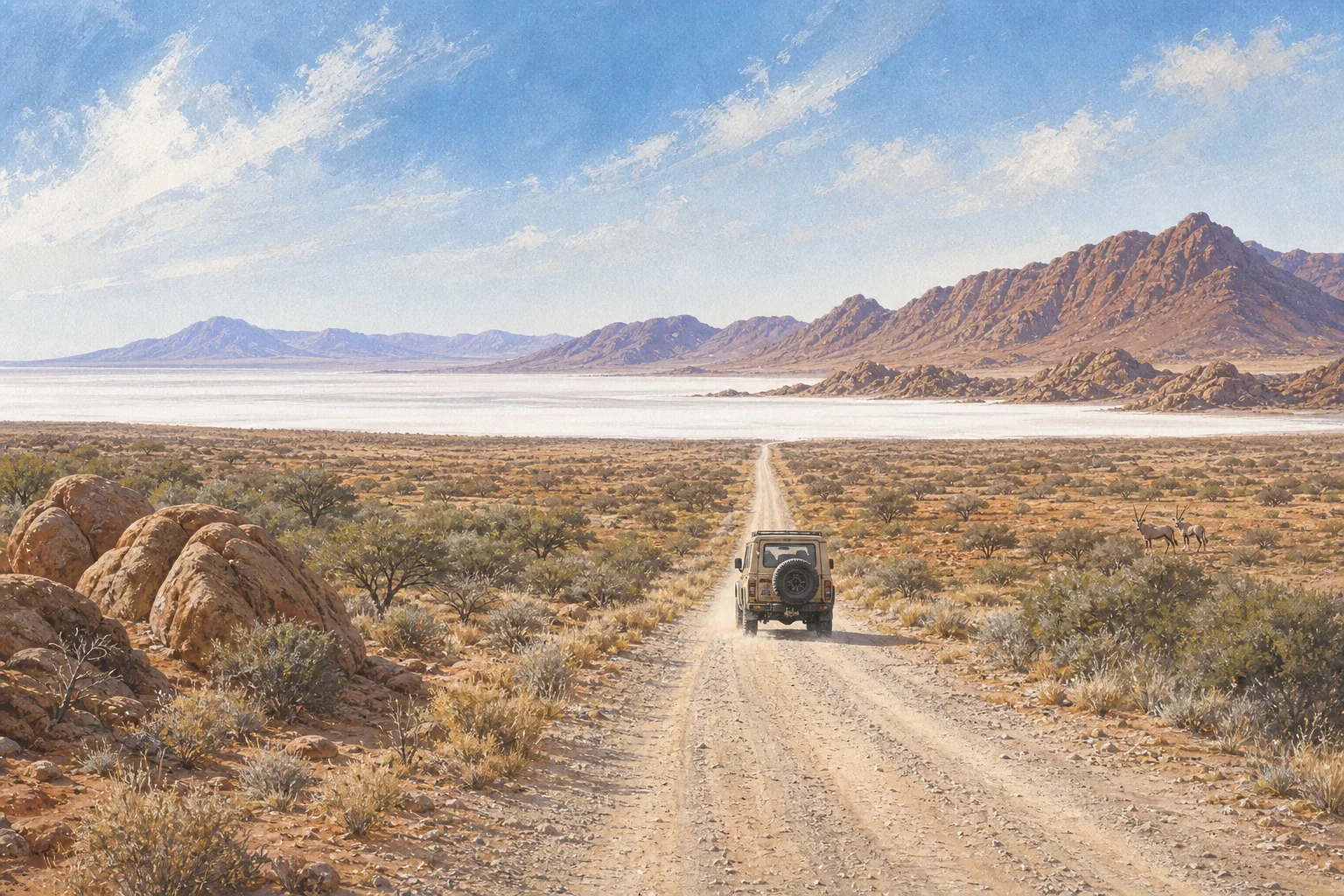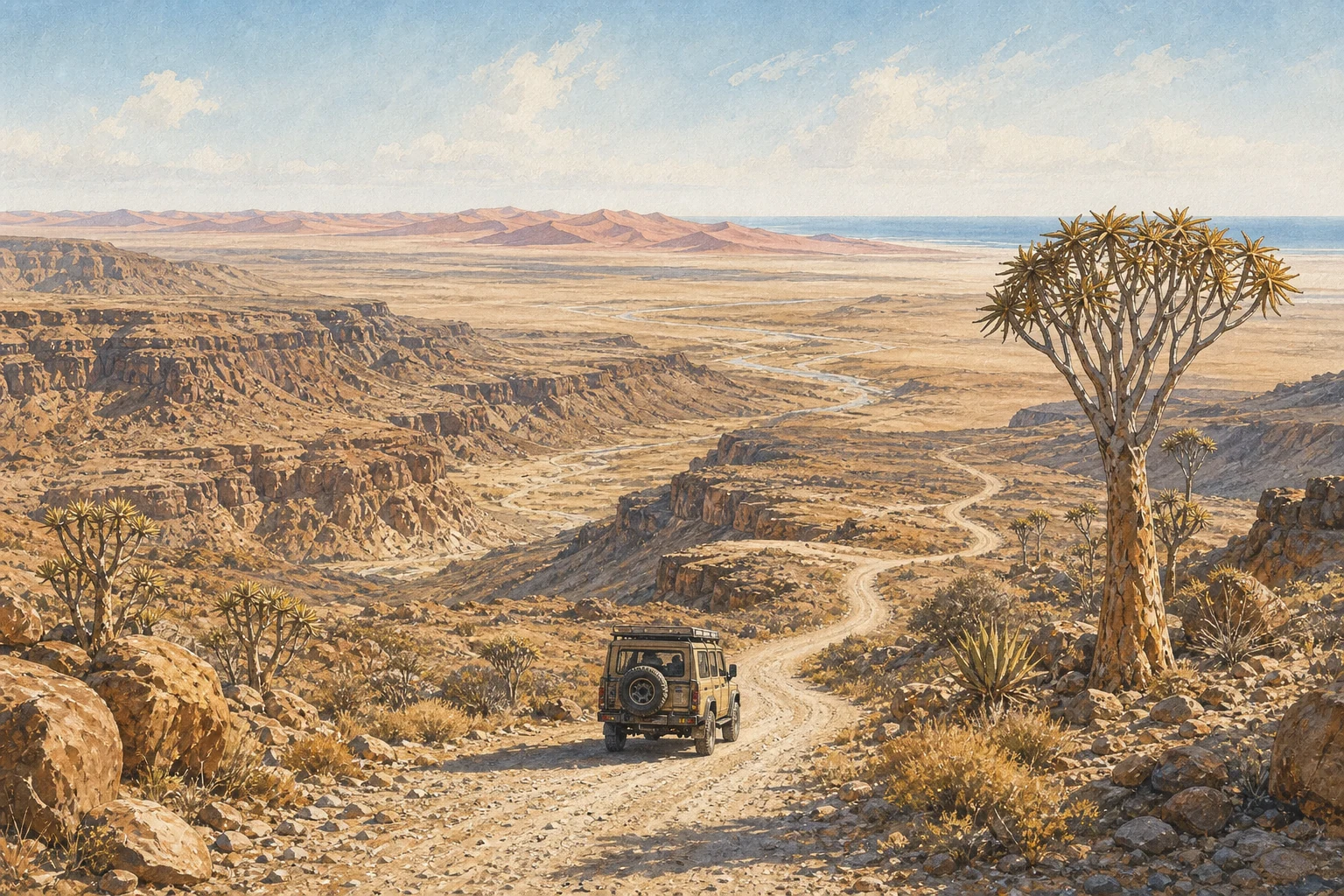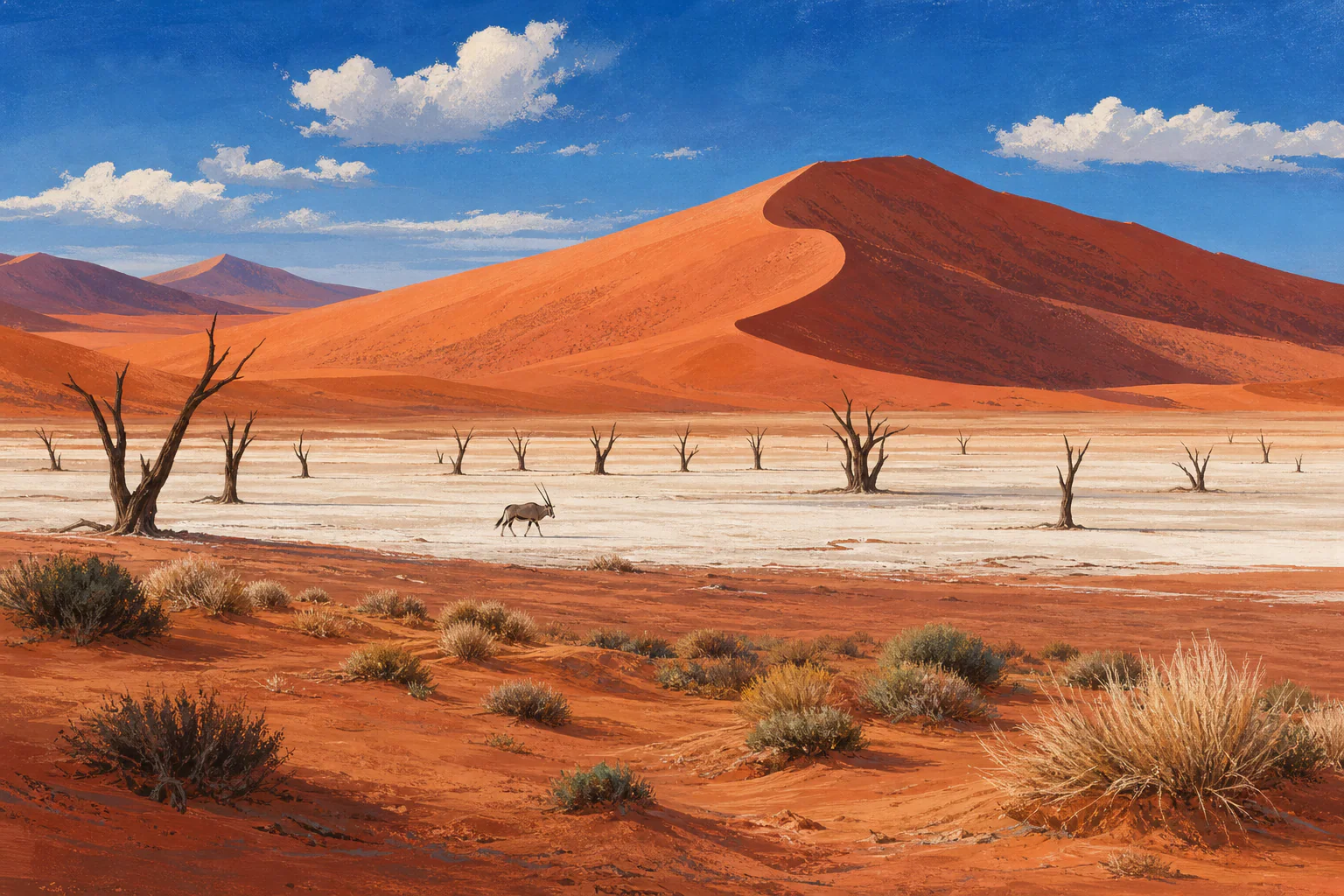

Best time and high seasonality
Compare recommended travel periods, typical demand seasons, weather comfort, and sky conditions across all twelve months.
Weather and travel guidance
January in Namibia is midsummer in the interior, with high temperatures and the greatest likelihood of showers or thunderstorms. The Atlantic coast stays much cooler and foggier, while Etosha and the northeast can be green, humid and locally stormy. Schedule strenuous desert activities at dawn, keep wet-road alternatives for northern sectors and brief clients for both coastal chill and inland heat. Demand is generally lower outside holiday exceptions, although seasonal closures or reduced services can narrow the practical choice.
February in Namibia remains hot across much of the interior and is often one of the wetter, more humid months in northern regions. Coastal fog and cool air remain a sharp contrast to warm Windhoek, Etosha and Zambezi conditions. Build heat breaks into drives, protect camera equipment from dust and rain, and verify whether remote roads or activities have wet-season limits. Demand is generally lower outside holiday exceptions, although seasonal closures or reduced services can narrow the practical choice.
March in Namibia is a late-summer month with continued heat and possible heavy storms, although rainfall begins easing unevenly. The south and coast may stay largely dry while Etosha and the northeast retain greener, more changeable conditions. Do not generalize one forecast nationwide; pair each long transfer with regional road checks and an early start. Demand is generally lower outside holiday exceptions, although seasonal closures or reduced services can narrow the practical choice. Keep transfer timing conservative where mountain, gravel or park roads are central to the itinerary.
April in Namibia usually marks a transition toward drier, cooler interior conditions and clearer travel days. Northern landscapes may remain green and damp, the desert cools at night, and the coast continues its recurring fog cycle. This is a useful value month when clients accept mixed regional conditions; retain warm coastal layers and monitor post-rain road reports. Demand is usually transitional, so check event dates, supplier rate bands and availability instead of assuming one national pattern.
May in Namibia is generally dry, clear and comfortable by day, with cooler nights spreading across the interior. The coast remains cool or foggy, while desert and plateau dawns can be cold despite strong daytime sun. Use layers for early departures, secure cold-weather gear for open vehicles and preserve realistic road-time margins on gravel. Demand is usually transitional, so check event dates, supplier rate bands and availability instead of assuming one national pattern. Build enough itinerary flexibility for a local weather change to alter one day without disrupting the whole route.
June in Namibia is a dry winter month with clear interior skies, mild afternoons and genuinely cold mornings or nights. Frost is possible inland, while Swakopmund and the Skeleton Coast may stay cool under fog or low cloud. Plan for thermal layers at sunrise, sun exposure by midday and large temperature swings during long road days. Demand is usually transitional, so check event dates, supplier rate bands and availability instead of assuming one national pattern. A country-level label cannot replace the forecast and access check for the exact overnight stops shortly before departure.
July in Namibia brings dry, stable interior weather, crisp nights and strong daytime visibility across the main touring circuit. Coastal fog remains normal, and exposed desert mornings can feel colder than clients expect before rapid warming. It is a dependable road-and-landscape month, but high demand requires early room, vehicle and activity confirmation. Demand is typically high, so secure constrained rooms, transfers and permits early and verify every product's dated rate band. Keep transfer timing conservative where mountain, gravel or park roads are central to the itinerary.
August in Namibia is dry and sunny inland, with cool nights giving way to warmer afternoons as spring approaches. Etosha water concentration increases, while the coast retains cool fog and the far northeast can be warmer. Book key stays well ahead, protect clients against both cold dawns and strong ultraviolet exposure, and keep driving days realistic. Demand is typically high, so secure constrained rooms, transfers and permits early and verify every product's dated rate band. Confirm any weather-dependent excursion with the operating supplier, because local conditions can diverge quickly.
September in Namibia is a dry spring month with excellent visibility but rapidly rising daytime heat in desert and northern interiors. The coast stays cool, creating a pronounced thermal swing on routes between Swakopmund, the plateau and Etosha. Move dune walks and active excursions to the coolest hours, carry ample water and avoid adding distance simply because roads are dry. Demand is typically high, so secure constrained rooms, transfers and permits early and verify every product's dated rate band.
October in Namibia is typically very hot inland before regular summer rain, with clear mornings and occasional heat-building cloud. Etosha, Damaraland and the south can be severe at midday; the Atlantic coast remains much cooler and sometimes fogbound. Protect early activity windows, use air-conditioned recovery time where appropriate and check heat-related operating limits. Demand is typically high, so secure constrained rooms, transfers and permits early and verify every product's dated rate band.
November in Namibia is a hot transition month when isolated thunderstorms become more plausible in the interior and northeast. Rain onset is uneven: the coast and Namib may remain dry while northern routes see short, intense cells. Maintain heat management, flexible activity timing and route-by-route road checks rather than treating the first storm as a national wet season. Many 2026 supplier tariffs still place November in a higher-demand band, although some coastal products move to shoulder pricing, so confirm the exact property's dates, inclusions and release terms.
December in Namibia combines interior summer heat, increasing thunderstorm activity and a festive travel peak. Northern and northeastern areas are more rain-prone, the desert remains highly variable, and the coast stays cool beneath fog. Allow holiday traffic and stock constraints, schedule active desert time early and maintain wet-road contingencies for remote northern sectors. Supplier bands diverge outside the festive weeks, but limited holiday inventory and peak-rate dates justify early confirmation of every room, transfer and excursion.
- Travel recommended
- May to October
- Typical travel season
- Shoulder · April to June
- Weather comfort
- Excellent · May to September
How to read this: month icons show the typical sky and rain pattern; Weather grades broad travel comfort; Travel Seasons show typical demand and pricing. None is a forecast, and supplier periods vary.
Wildlife Overview
Broad planning guide for Namibia’s principal wildlife regions. Visibility varies by reserve, habitat, season and itinerary; no sighting is guaranteed.
- Plains zebraEtosha and central circuitsLikelihood: Abundant
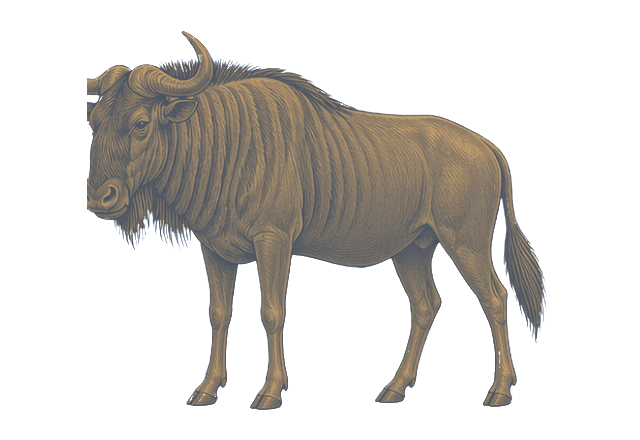
- Blue wildebeestEtosha and central circuitsLikelihood: Abundant
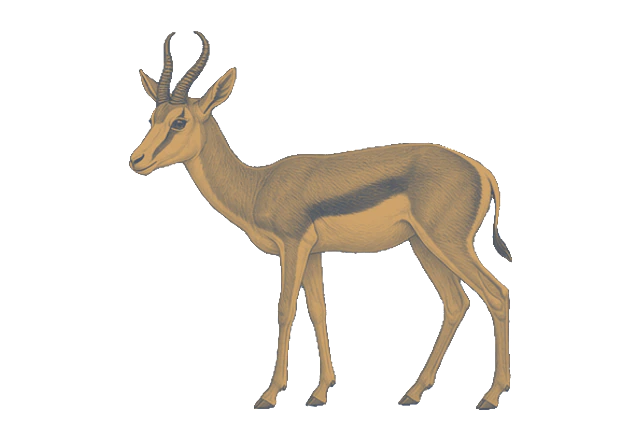
- SpringbokEtosha and arid-land routesLikelihood: Abundant
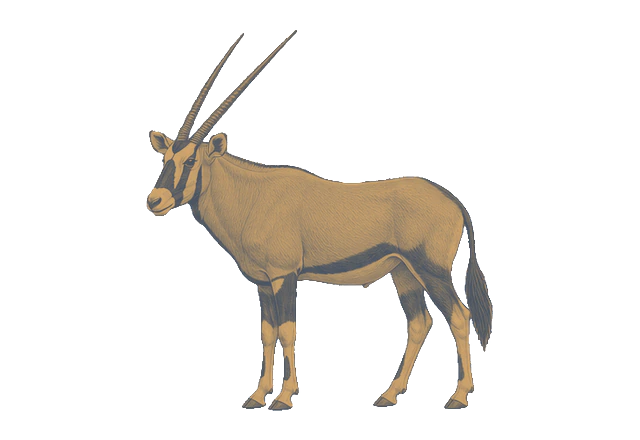
- GemsbokEtosha, Namib and Kalahari routesLikelihood: Abundant
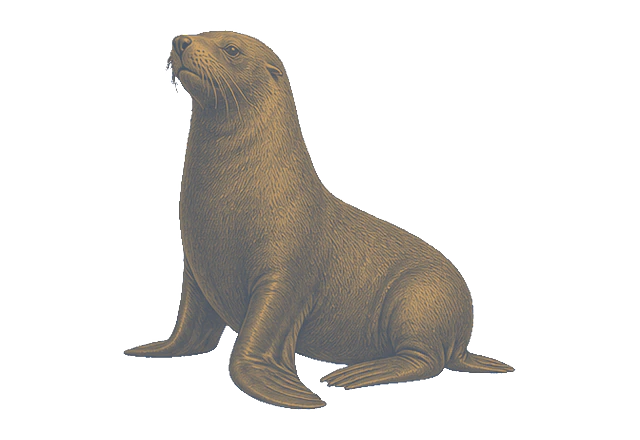
- Cape fur sealCape Cross colonyLikelihood: Abundant
- African bush elephantEtosha and northern routesLikelihood: Common
- GiraffeEtosha and northern routesLikelihood: Common
- Black rhinocerosDry-season Etosha waterholes and guided Palmwag/Kunene trackingLikelihood: Common
- LionEtosha and northern reservesLikelihood: Common
- Spotted hyenaEtosha and northern reservesLikelihood: Common
- Hartmann’s mountain zebraNamib-Naukluft and western mountainsLikelihood: Common
- White rhinocerosTargeted managed reservesLikelihood: Occasional
- LeopardEtosha and private reservesLikelihood: Occasional
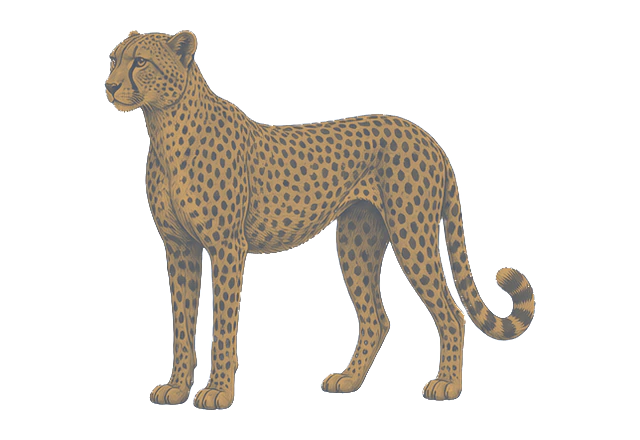
- CheetahEtosha and private reservesLikelihood: Occasional
- Brown hyenaAtlantic coast and arid-west routesLikelihood: Rare










Travel, health, visa, and entry preparation
Check each traveller's circumstances and the official sources below before booking or departure.
Travel advice
Canada advises travellers to exercise a high degree of caution throughout Namibia because of the high level of crime.
Petty theft occurs frequently and violent crime, including muggings, burglaries and carjackings, occurs particularly in Windhoek; road and remote-area travel also require careful planning.
- Protect belongings
- Secure passports, cash and devices, keep valuables out of sight, use well-lit or indoor ATMs and do not leave belongings unattended in vehicles.
- Limit exposure after dark
- Avoid walking in isolated areas after dark, keep accommodation and vehicle doors locked and use registered taxis arranged by reputable hotels or restaurants.
- Prepare remote transfers
- Travel remote roads in daylight with adequate water, food, fuel, spare tyres and reliable navigation and communications; use experienced guides for desert and wildlife activities.
Health advice
Review vaccination, yellow fever and malaria guidance for the traveller and itinerary.
- Vaccines
- Review routine immunizations and Namibia-specific recommendations with a travel-health professional at least one month before departure. Current advice can vary with the regions visited, health history and planned activities.
- Yellow fever
- CDC does not recommend yellow fever vaccination for Namibia itself. Proof is required for travellers aged nine months or older arriving from, or after an airport transit longer than 12 hours in, a country with yellow fever transmission risk.
- Malaria
- CDC lists malaria transmission in Kavango East and West, Kunene, Ohangwena, Omaheke, Omusati, Oshana, Oshikoto, Otjozondjupa and Zambezi, with rare transmission elsewhere and none in Windhoek. Prescription prevention is recommended for the listed regions; discuss the exact itinerary with a clinician and use mosquito-bite precautions everywhere risk exists.
Consult a qualified travel-health professional for advice based on the traveller and itinerary.
Visa and entry
Verify the requirements for every traveller.
Namibia operates an official eVisa and visa-on-arrival process for travellers whose nationality requires a tourist visa; eligibility and usable ports of entry depend on the traveller and itinerary.
Check the official fact sheet for nationality, passport and port-of-entry requirements. If an eVisa is required or preferred, apply through the ministry portal before travel, submit the requested passport and trip evidence, pay the official fee and carry the issued approval for the designated port of entry.