
Best time and high seasonality
Compare recommended travel periods, typical demand seasons, weather comfort, and sky conditions across all twelve months.
Weather and travel guidance
January falls in Rwanda's shorter, relatively dry season. Kigali and Akagera are often warm with bright or partly cloudy intervals, while Volcanoes and Nyungwe remain cooler, mistier and capable of showers because altitude and forest create local weather. Trails are generally more manageable than in the long rains, but not reliably dry. Pack light waterproofs, warm layers for early highland starts and sun protection for the east, reserve limited permits and lodges early, and check route and trail conditions with each park or supplier close to travel.
February begins with relatively dry, mild conditions in much of Rwanda, then rain risk usually increases from mid-month. Akagera stays warmer than Kigali, Lake Kivu and the Virunga highlands; forest and volcano routes can be damp even when the capital is bright. It is a useful shoulder month, but the transition date varies by year. Keep trekking days flexible, recommend waterproof footwear and a warm layer, avoid tight road connections after storms, and ask local teams whether the long rains have started before presenting a country-wide weather expectation.
March is normally within Rwanda's long rainy season. Cloud builds, showers become frequent and heavy bursts can make rural roads, forest paths and volcano trails muddy or slippery, although usable bright periods still occur. Akagera's lower eastern plains are warmer than the highlands, while Nyungwe can remain wet for longer. Lower demand may improve room choice, but access needs stronger planning. Use waterproof layers, gaiters or grippy boots, allow road buffers, and obtain current trail, landslide and activity status from each park and lodge before travel.
April is commonly Rwanda's wettest month, with repeated showers, high cloud and saturated ground across much of the country. Rain is rarely identical all day or in every district, yet steep Virunga and Nyungwe paths can become demanding and unsealed roads may slow sharply; Akagera is warmer but still wet. This is a low-demand period suited to clients who accept flexible operations. Protect equipment, carry serious rainwear and dry footwear, reduce transfer pressure, and verify park trails, road conditions and any weather-sensitive activity immediately before departure.
May remains in the long rains but often begins a gradual transition toward drier conditions later in the month. Rwanda stays green, with cool mist in the volcanoes and Nyungwe, milder weather around Kigali and Lake Kivu, and warmer eastern plains. Mud and short-notice route changes can remain important even when daily rainfall eases. Keep waterproofs and sturdy footwear in the brief, schedule flexible outdoor days, avoid fragile same-day connections, and ask suppliers whether trails and secondary roads have recovered; do not infer firm access from the calendar alone.
June normally opens Rwanda's main dry season. Rainfall decreases, roads and paths become easier, and days are mild in Kigali while the Virunga and Nyungwe highlands remain cool, misty and capable of light rain; Akagera is warmer and drier. Demand rises quickly for permits and specialist accommodation. Book constrained services well ahead, provide warm dawn layers and light waterproofs rather than promising clear skies, and verify current trail, road and park conditions. The Excellent grade reflects broad comfort, not identical weather across forest, lake and savannah regions.
July is one of Rwanda's driest and busiest months. Kigali is generally mild, Akagera has warm dry-season conditions, and the high volcanoes or Nyungwe can still be cold, cloudy and damp because elevation and forest override the national average. Trails are often firmer, but rain never disappears completely. Secure permits, guides and key lodges early, brief clients for both strong sun and chilly mist, and check local trail or road notices near departure. High season describes demand and availability; it is not a guarantee of cloudless mountain weather.
August usually continues Rwanda's main dry season, with broadly manageable roads and trails, mild central conditions and warmer days in Akagera. The Virunga massif and Nyungwe remain cooler and can produce mist or showers at any time, while Lake Kivu has its own breeze and storm pattern. Demand stays high and short-lead options can be limited. Reserve permits and specialist stays early, pack layered clothing, waterproof protection and sun care, and reconfirm current paths, roadworks and activity schedules rather than treating a partly sunny national icon as a local forecast.
September is a high-demand transition month. The first half often retains drier conditions, but Rwanda's shorter rainy season commonly develops from mid-month, increasing cloud and showers across Kigali, the western highlands and forest routes; Akagera remains warmer. Trail quality can change quickly after storms. Keep rainwear and grippy footwear in every itinerary, secure permits early, allow road buffers and ask suppliers when the local rain pattern has shifted. The month remains broadly recommended, with Good rather than Excellent comfort because timing is uncertain.
October normally lies within Rwanda's shorter rainy season. Expect recurring showers, green landscapes and humid intervals, with cooler mist in Volcanoes and Nyungwe, moderate conditions around Kigali and Lake Kivu, and warmer weather in Akagera. Rain can leave steep trails and unsurfaced roads slippery even when mornings begin bright. Lower demand suits flexible clients, but logistics need care. Use waterproof layers and dry footwear, protect transfer margins, and obtain current park, road and landslide information rather than interpreting Rainy Season as either closure or continuous rain.
November remains in Rwanda's short rains and often brings frequent cloud, showers and locally heavy storms. Nyungwe and the Virunga highlands are typically wetter and cooler than Kigali or Akagera, while road and trail effects depend on drainage and recent rain rather than the monthly total alone. This is a lower-demand month in the reviewed calendar. Design flexible outdoor days, carry robust rain protection, avoid tight same-day transfers, and confirm path, road and activity status close to travel. Bright breaks remain possible, but should not be sold as dependable dry weather.
December is transitional: the short rains can continue through the first half before the shorter dry season becomes more established. Kigali and Akagera often turn brighter and warmer, while high-altitude Volcanoes and Nyungwe stay cool, misty and shower-prone. Holiday demand may rise even though the month is classified as shoulder overall. Book festive dates early, retain waterproofs and warm layers, allow modest road flexibility, and confirm the actual change in local weather with suppliers. Recommended status does not mean every route is dry from 1 December.
- Travel recommended
- June to September, December to February
- Typical travel season
- Shoulder · December to February
- Weather comfort
- Good · September, December to February
How to read this: month icons show the typical sky and rain pattern; Weather grades broad travel comfort; Travel Seasons show typical demand and pricing. None is a forecast, and supplier periods vary.
Wildlife Overview
Broad planning guide for Rwanda’s principal wildlife regions. Visibility varies by reserve, habitat, season and itinerary; no sighting is guaranteed.
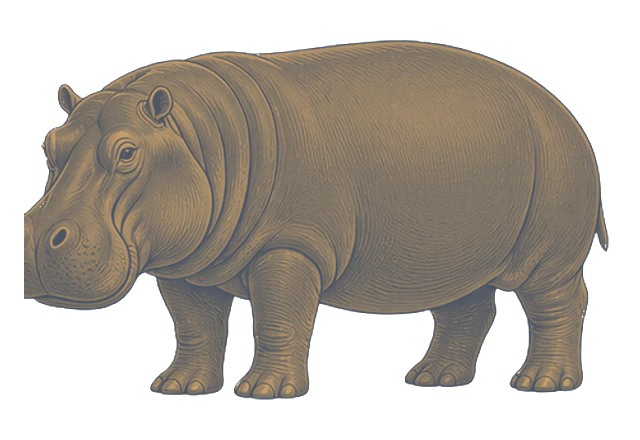
- HippopotamusAkagera lakes and wetlandsLikelihood: Abundant
- African buffaloAkagera National ParkLikelihood: Abundant
- Plains zebraAkagera National ParkLikelihood: Abundant
- African bush elephantAkagera National ParkLikelihood: Occasional
- Masai giraffeAkagera National ParkLikelihood: Common
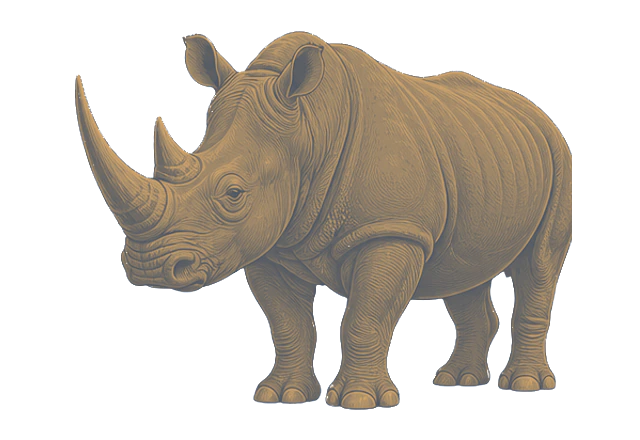
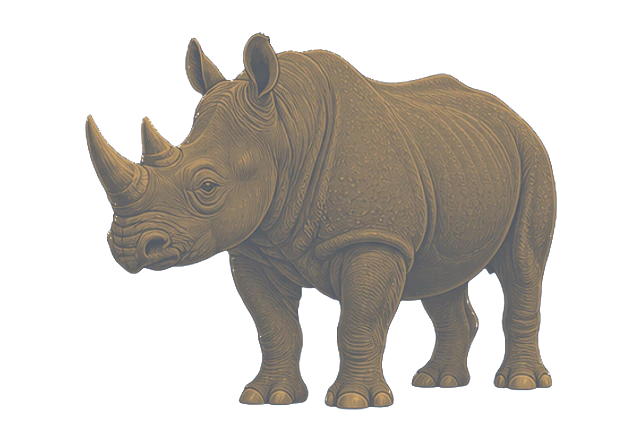
- White rhinocerosAkagera National ParkLikelihood: Common
- LionAkagera National ParkLikelihood: Common
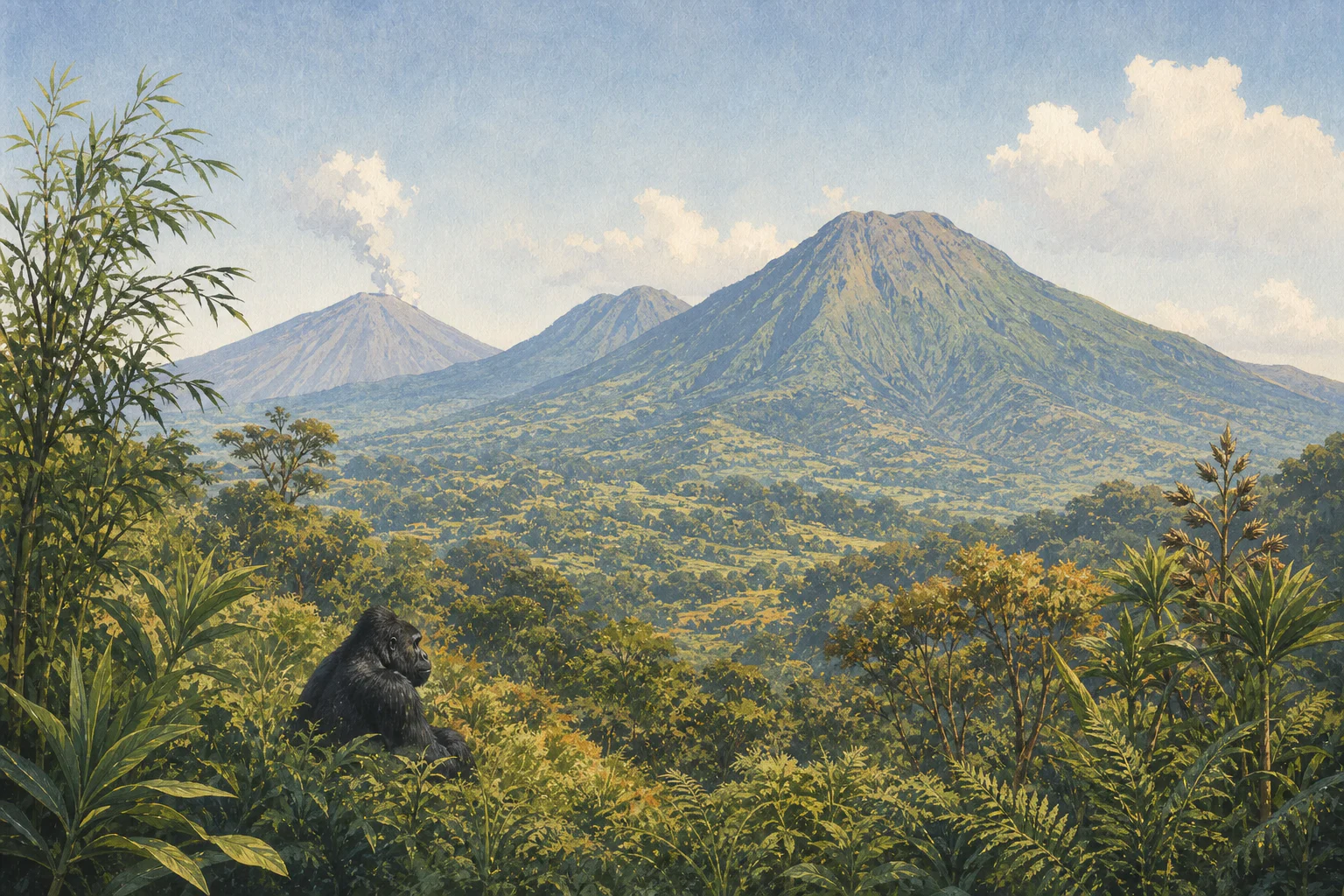
- Mountain gorillaPermitted Volcanoes National Park trekLikelihood: Common
- Eastern chimpanzeeGuided Nyungwe tracking productLikelihood: Common
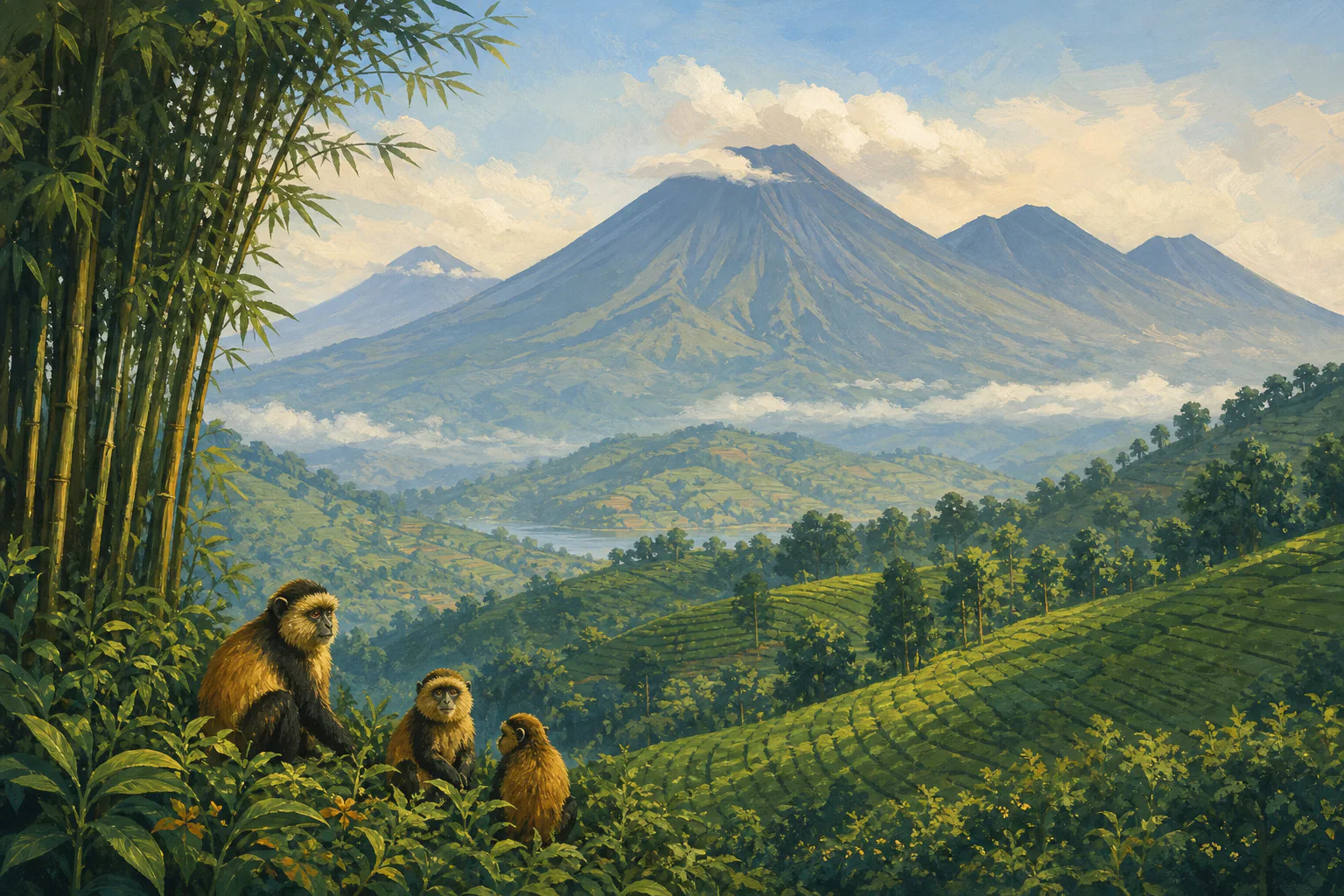
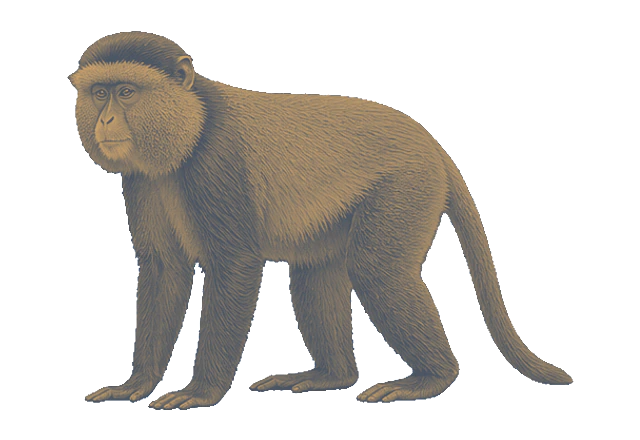
- Golden monkeyPermitted Volcanoes tracking productLikelihood: Common
- Ruwenzori black-and-white colobusGuided Nyungwe forest productLikelihood: Common
- LeopardAkagera National ParkLikelihood: Occasional
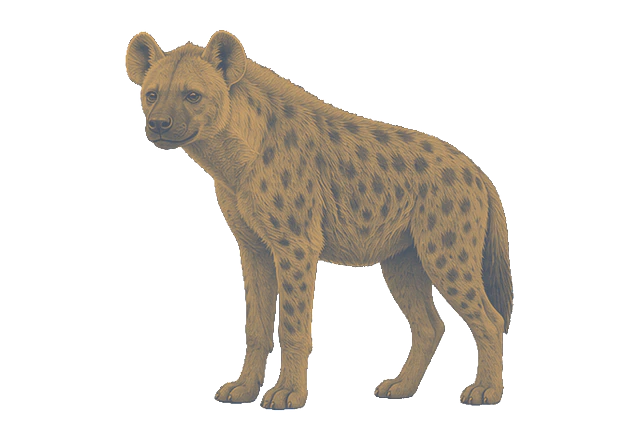
- Spotted hyenaAkagera National ParkLikelihood: Occasional
- Black rhinocerosAkagera National ParkLikelihood: Rare









Travel, health, visa, and entry preparation
Check each traveller's circumstances and the official sources below before booking or departure.
Travel advice
Canada advises taking normal security precautions in Rwanda, with a high degree of caution in specified areas near the Democratic Republic of the Congo and along the DRC edge of Volcanoes National Park.
Regional advice appliesUnstable security across the DRC border, proximity to rebel groups and occasional unclear border markings create higher risks in parts of Rubavu, Rusizi and Volcanoes National Park.
- DRC-border restrictions
- Exercise a high degree of caution between roads NR11 and NR2 and the DRC border in Rubavu, including Gisenyi, and within 10 km of the land border in Rusizi, including Rusizi town, Rwandan islands on Lake Kivu and Kamembe Airport. Recheck the live boundary before every transfer.
- Volcanoes National Park
- Exercise a high degree of caution in the section of Volcanoes National Park along the DRC border. Use the required official park permit, follow the guide and park authorities, remain on authorized routes and do not approach an uncertain border line.
- Border volatility
- Fighting in North Kivu and tensions between Rwanda and the DRC can affect Rubavu and land crossings with little notice. Confirm border status and the operator's security and evacuation arrangements immediately before travel, and do not cross into an area subject to a stricter advisory.
- Crime, roads and gatherings
- Protect valuables against pickpocketing and bag snatching, avoid isolated walking after dark, and use an experienced driver outside main roads. Stop calmly at roadblocks, carry identification, avoid demonstrations and large gatherings, and monitor reliable local reporting.
Health advice
Review vaccination, yellow fever and malaria guidance for the traveller and itinerary.
- Vaccines
- Arrange a travel-health consultation at least one month before departure. CDC recommends being current on routine vaccines and recommends hepatitis A, hepatitis B and typhoid for most travelers. Rabies vaccination depends on activities, animal-exposure risk and access to prompt post-exposure care.
- Yellow fever
- CDC says yellow-fever vaccination is generally not recommended for travel to Rwanda itself. Proof is required for travelers aged 1 year or older arriving from a country with yellow-fever transmission risk; verify the requirement for the actual route and any transit points.
- Malaria
- CDC lists malaria transmission throughout Rwanda and recommends prescription prevention medicine for all areas together with mosquito-bite precautions. A qualified clinician should select medicine for the traveler and itinerary and explain when to start, continue and stop it.
Consult a qualified travel-health professional for advice based on the traveller and itinerary.
Visa and entry
Verify the requirements for every traveller.
Rwanda allows citizens of all countries to obtain a visa on arrival without a prior application; travelers who are not visa-exempt may instead apply online through the government-endorsed Irembo service or through a Rwandan diplomatic mission.
Check the current rule for the traveler's nationality and passport before choosing visa-free entry, visa on arrival or the online application. For an online application, use only the Irembo link supplied by Rwanda's immigration authority, prepare a genuine travel document valid for at least six months, and recheck the permitted stay, entry count, fee and payment timing before submission.