

Best time and high seasonality
Compare recommended travel periods, typical demand seasons, weather comfort, and sky conditions across all twelve months.
Weather and travel guidance
January is warm, humid and among the wetter months on Seychelles’ inner islands. Showers can be intense but are often interspersed with brighter periods; cloud and rainfall vary between Mahé, Praslin and the outer islands. Seas and inter-island operations respond to wind and swell, not rainfall alone. Festive demand may remain elevated early in the month before easing. Keep boat connections resilient, protect electronics and documents, confirm weather policies for excursions, and brief clients that tropical rain does not follow a fixed daily timetable.
February remains hot and humid, with frequent showers and substantial cloud risk even though dry intervals occur. Conditions can differ markedly between island groups, and a usable Mahé forecast does not establish the sea state for a Praslin, La Digue or outer-island transfer. This is usually a lower-demand period outside holiday exceptions, which can help flexible clients. Avoid critical same-day onward flights after ferries, confirm small-craft thresholds locally, and pack breathable clothing, strong sun protection and light rain cover for rapidly changing conditions.
March begins the transition away from the wettest part of the northwest-monsoon period. Humidity stays high and showers remain possible, but longer bright intervals often emerge; regional cloud climatology still argues against describing the whole country as uniformly sunny. Winds can be lighter, yet sea conditions remain route-specific. Lower demand can suit clients who accept weather variability. Maintain buffers around ferries and small aircraft, verify excursion departures close to travel, and plan outdoor days with both rain and strong ultraviolet exposure in mind.
April is one of Seychelles’ most balanced transition months. Winds are often lighter, rainfall generally eases and warm seas support island combinations, although showers and local cloud remain possible. Mahé, Praslin and the outer islands should still be checked separately, particularly for marine sectors. Demand sits between low-season and busier calendars, so it can offer useful flexibility without winter trade-wind exposure. Reserve scarce specialist activities, keep sensible ferry-to-flight margins, and advise clients to prepare for both strong sun and a brief tropical downpour.
May usually combines lower rainfall, warm temperatures and relatively manageable winds, making it a broadly favorable month for multi-island travel. The southeast trades begin strengthening, and their effect on beaches, ferries and small boats depends on island orientation. The Tourism Department also identifies May as a lower-season opportunity, though specific resorts use their own rate calendars. Confirm the chosen coast and transfer route, allow margins around marine sectors, and brief clients that calm conditions cannot be assumed across every beach or island on the same day.
June is drier and less humid under established southeast trade winds. Skies often mix sun and passing cloud, while windward coasts can be breezy and certain ferry or small-boat routes feel rougher despite limited rain. It is a lower aggregate demand month in official tourism messaging, although other market calendars begin a midyear rise. Match accommodation to beach exposure, verify marine comfort and baggage rules, and avoid using rainfall alone as the quality signal. Clients sensitive to motion or strong wind need route-specific advice before tickets are fixed.
July sits in the dry southeast-trade period, with comparatively low rainfall, moderate temperatures and persistent breeze. Cloud can pass quickly, and exposed seas or windward beaches may be rough even under bright skies. International holiday demand makes July a higher-demand month, reducing flexibility for popular stays and transfers. Secure constrained rooms and transport early, select coasts for the planned activities, build protection around ferry connections, and explain that good dry-season weather is not synonymous with calm water throughout the archipelago.
August continues the drier trade-wind season and is commonly breezy. Rain is usually limited, but passing cloud, choppy inter-island water and beach-specific seaweed or surf can affect the client experience. This is also a higher-demand holiday month, so moving dates after arrival may be difficult. Book key island combinations well ahead, discuss sea comfort before committing to ferries, and choose accommodation with coast orientation in mind. Keep sun protection prominent because strong ultraviolet exposure persists through cooler, windier conditions.
September remains relatively dry, with southeast trades often beginning to soften later in the month. Skies commonly alternate between sun and cloud; local showers still occur, and exposed marine sectors can remain unsettled. Official tourism initiatives identify September as a lower-season opportunity, although individual properties and events differ. It can suit value-conscious clients who accept breeze and route-level variation. Confirm beach orientation, ferry conditions and activity schedules, while keeping generous margins before international departures from another island.
October is another strong transition month. Southeast trades ease, temperatures rise and seas are often more comfortable, while rainfall has not usually reached the late-year maximum. Short tropical showers and regional cloud remain possible, so the country should not be treated as one forecast point. Demand is commonly shoulder rather than peak, giving some routing flexibility. Protect specialist island or conservation access early, retain ferry-to-flight buffers, and brief clients for increasing humidity, strong sun and occasional rain rather than promising uninterrupted blue sky.
November is warm and often relatively calm as the northwest-monsoon pattern develops. It can provide favorable marine conditions and bright periods, but humidity and shower frequency rise through the month, with meaningful differences between inner and outer islands. Some commercial calendars already treat November as high demand while others see a shoulder window. Reserve constrained stays, verify the exact island sequence and boat policies, and retain alternatives for water-based days. Clients should expect heat, strong ultraviolet exposure and occasional heavy rain.
December combines the return of wetter, cloudier conditions with one of the year’s strongest festive demand periods. Humidity is high, showers can be heavy and localised, and sea or flight disruption remains possible even when rain is intermittent. Mahé conditions do not automatically represent Praslin, La Digue or distant atolls. Book rooms and transport well ahead, but keep connection plans forgiving and understand cancellation rules. Avoid tight ferry-to-international-flight timing, and brief clients for tropical rain, intense sun between showers and holiday operating constraints.
- Travel recommended
- April to May, October to November
- Typical travel season
- Shoulder · January, April, October
- Weather comfort
- Excellent · April to May, October to November
How to read this: month icons show the typical sky and rain pattern; Weather grades broad travel comfort; Travel Seasons show typical demand and pricing. None is a forecast, and supplier periods vary.
Wildlife Overview
Broad planning guide for Seychelles’s principal wildlife regions. Visibility varies by reserve, habitat, season and itinerary; no sighting is guaranteed.
- Aldabra giant tortoiseAldabra and suitable managed islandsLikelihood: Abundant
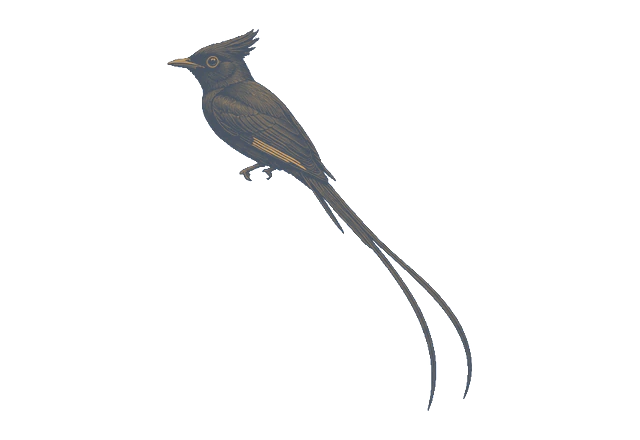
- Seychelles paradise flycatcherLa Digue and managed-island habitatLikelihood: Common
- Seychelles black parrotTargeted Praslin and Vallée de Mai visitLikelihood: Occasional
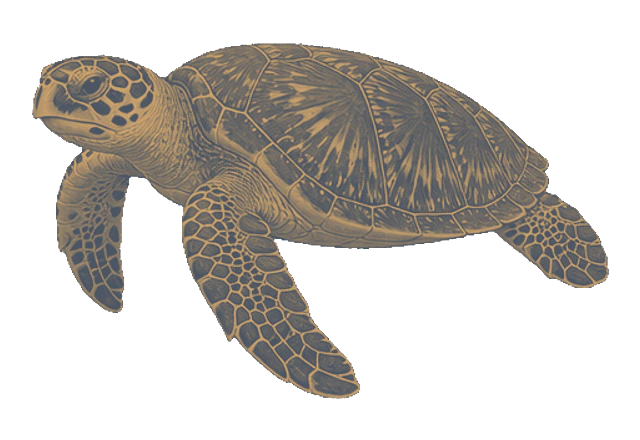
- Hawksbill turtleProtected beaches and reefsLikelihood: Occasional
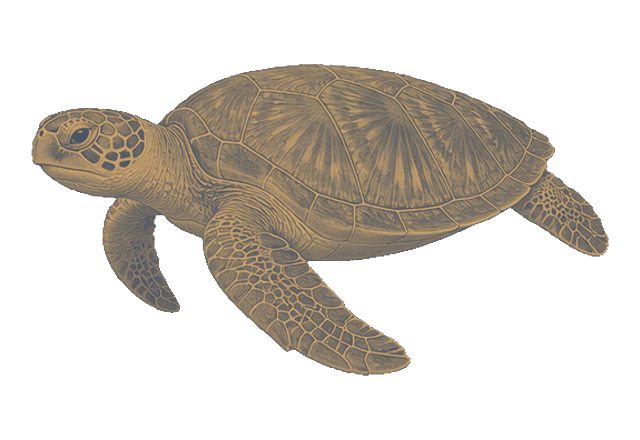
- Green sea turtleProtected beaches and reefsLikelihood: Occasional
- Seychelles magpie-robinTargeted managed-island visitLikelihood: Occasional
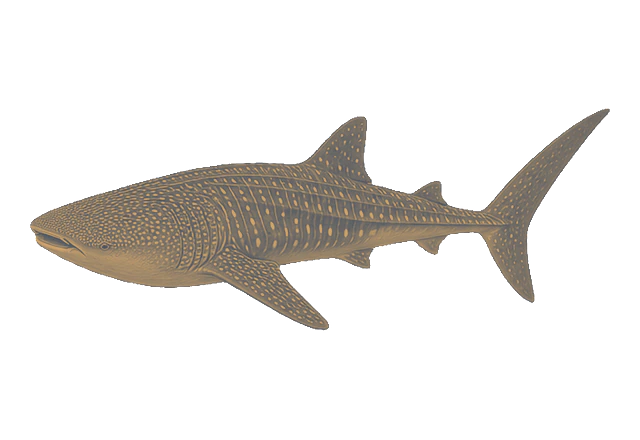
- Whale sharkSep–Nov · targeted marine excursionsLikelihood: Occasional
- Seychelles sheath-tailed batSpecialist roost-area contextLikelihood: Very rare




Travel, health, visa, and entry preparation
Check each traveller's circumstances and the official sources below before booking or departure.
Travel advice
Canada advises travellers to take normal security precautions in Seychelles.
Petty theft occurs in tourist areas, on beaches, around ATMs and on hiking trails; travellers should also prepare carefully for water, boating and road activities.
- Secure belongings
- Keep passports and valuables secure, avoid displaying wealth, never leave belongings in unattended vehicles and use ATMs in public indoor locations where possible.
- Choose safer activities
- Use experienced operators and suitable equipment for diving, hiking and boat trips, follow local warnings and avoid unmarked trails or unseaworthy vessels.
- Respect sea conditions
- Check current conditions before swimming, observe warning flags and local advice, and account for strong currents, changing monsoon conditions and limited lifeguard coverage.
Health advice
Review vaccination, yellow fever and malaria guidance for the traveller and itinerary.
- Vaccines
- Review routine immunizations and Seychelles-specific recommendations with a travel-health professional at least one month before departure. CDC currently identifies a chikungunya outbreak, so discuss vaccination eligibility and mosquito-bite prevention for the itinerary.
- Yellow fever
- CDC does not recommend yellow fever vaccination for Seychelles itself. Proof is required for travellers aged one year or older arriving from, or after an airport transit longer than 12 hours in, a country with yellow fever transmission risk.
- Malaria
- CDC's Seychelles destination table does not list malaria. This is not a guarantee of zero mosquito-borne risk: follow bite precautions and obtain itinerary-specific medical advice, particularly because other mosquito-borne infections are listed.
Consult a qualified travel-health professional for advice based on the traveller and itinerary.
Visa and entry
Verify the requirements for every traveller.
Seychelles is generally visa-free and issues an eligible visitor's permit on arrival, but every visitor must obtain an Electronic Travel Authorisation before departure.
Use the Seychelles Immigration and Civil Status page to confirm eligibility, then follow its direct link to the Electronic Travel Authorisation service before departure. Complete the immigration form and provide valid travel documents, return or onward travel, confirmed accommodation and evidence of sufficient funds as requested.