
Best time and high seasonality
Compare recommended travel periods, typical demand seasons, weather comfort, and sky conditions across all twelve months.
Weather and travel guidance
January in South Africa is midsummer: dry, bright and often windy around Cape Town, but warm, humid and thunderstorm-prone across much of the northeast and plateau. Durban is hot and humid, while the Karoo can be intensely hot and highland nights remain comparatively cooler. Book festive inventory early, plan heat-sensitive activities for morning and attach the forecast to each region rather than the country name. Demand is typically high, so secure constrained rooms, transfers and permits early and verify every product's dated rate band.
February in South Africa continues summer heat, with dry Cape conditions and regular afternoon-storm potential over interior and northeastern regions. The subtropical east remains humid; mountain and plateau temperatures vary with elevation and passing systems. Use shade and hydration, retain lightning alternatives for exposed activities and avoid assuming a Cape forecast applies to Kruger or KwaZulu-Natal. Demand is usually transitional, so check event dates, supplier rate bands and availability instead of assuming one national pattern.
March in South Africa is late summer, usually warm nationwide with continuing interior showers and a gradual seasonal shift at the Cape. Northeastern humidity and storms can persist while southwest evenings cool and frontal rain becomes more plausible. A multi-region trip needs separate packing and activity plans; keep weather-dependent days movable and allow realistic airport or urban buffers. Demand is usually transitional, so check event dates, supplier rate bands and availability instead of assuming one national pattern.
April in South Africa often provides a balanced autumn transition with milder temperatures and fewer extremes across many popular regions. Cape frontal rain becomes more possible, while northeastern rain typically eases and high-altitude nights cool quickly. It is a strong multi-region touring month if clients carry layers and each coastal, mountain and protected-area segment is checked independently. Demand is usually transitional, so check event dates, supplier rate bands and availability instead of assuming one national pattern.
May in South Africa is late autumn, bringing cool, drier conditions to the northeast and more frequent frontal rain to the southwest Cape. Johannesburg nights turn cold, the subtropical coast stays mild, and mountain routes may see frost or early snow. Pair clear northeastern touring with warm dawn layers, and give Cape outdoor plans a flexible wet-weather alternative. Demand is generally lower outside holiday exceptions, although seasonal closures or reduced services can narrow the practical choice.
June in South Africa is winter: typically dry, clear and cold at night on the plateau and northeast, but cooler and rainier in the winter-rainfall Cape. Durban and the subtropical coast are often mild, while high mountains can receive snow and exposed interiors can freeze. Do not market winter as one weather type; pack for cold dawns and Cape rain, and monitor mountain-pass conditions. Demand is generally lower outside holiday exceptions, although seasonal closures or reduced services can narrow the practical choice.
July in South Africa remains in winter, with dry sunny intervals across much of the interior and northeast and recurring frontal weather in the Cape. Highveld nights may be very cold, mountain snow remains possible, and the east coast is generally milder. Use thermal layers for early protected-area activities, rain alternatives for Cape days and date-specific school-holiday planning. Demand is generally lower outside holiday exceptions, although seasonal closures or reduced services can narrow the practical choice.
August in South Africa is late winter, usually dry in the northeast with cool mornings and warmer afternoons, while the Cape can remain cool and wet. Interior vegetation is dry, coastal conditions vary by exposure, and mountain cold fronts can still bring snow. This is a useful mixed-interest month when clients accept regional contrast; retain warm, waterproof and sun layers together. Demand is generally lower outside holiday exceptions, although seasonal closures or reduced services can narrow the practical choice.
September in South Africa is spring, with warming interiors, generally dry northeastern conditions and improving but changeable Cape weather. Wildflower regions, highlands and subtropical coast each operate on distinct local timing, and cold fronts remain possible. It is a strong national touring month, but reserve seasonal experiences and verify bloom, sea and mountain conditions near travel. Demand is usually transitional, so check event dates, supplier rate bands and availability instead of assuming one national pattern.
October in South Africa is warmer spring, often comfortable across multiple regions before the interior summer-storm pattern fully establishes. Cape conditions trend drier, the northeast becomes hotter, and the east coast grows more humid with local rain. Schedule active touring early in hotter areas and keep separate weather contingencies for coast, plateau and protected areas. Demand is usually transitional, so check event dates, supplier rate bands and availability instead of assuming one national pattern.
November in South Africa is an early-summer transition with rising heat and thunderstorm frequency inland, while Cape weather becomes drier and brighter. Kruger and the plateau green after rain, Durban turns humid, and mountain systems can still shift temperatures abruptly. Protect afternoon plans from lightning risk, manage heat and confirm festive-season supplier cut-offs before they become restrictive. Demand is usually transitional, so check event dates, supplier rate bands and availability instead of assuming one national pattern.
December in South Africa combines peak holiday demand with dry, warm Cape summer and hot, storm-prone conditions in much of the interior and northeast. Coastal microclimates, altitude and ocean exposure still produce major differences within the same province. Secure every constrained component early, build generous traffic margins and plan outdoor time around local heat, wind or thunderstorms. Demand is typically high, so secure constrained rooms, transfers and permits early and verify every product's dated rate band.
- Travel recommended
- All year
- Typical travel season
- High · December to January
- Weather comfort
- Good · June to August, November to March
How to read this: month icons show the typical sky and rain pattern; Weather grades broad travel comfort; Travel Seasons show typical demand and pricing. None is a forecast, and supplier periods vary.
Wildlife Overview
Broad planning guide for South Africa’s principal wildlife regions. Visibility varies by reserve, habitat, season and itinerary; no sighting is guaranteed.
- African bush elephantKruger and lowveld circuitsLikelihood: Abundant
- GiraffeKruger and lowveld circuitsLikelihood: Abundant
- African buffaloKruger and lowveld circuitsLikelihood: Abundant
- Plains zebraKruger and lowveld circuitsLikelihood: Abundant
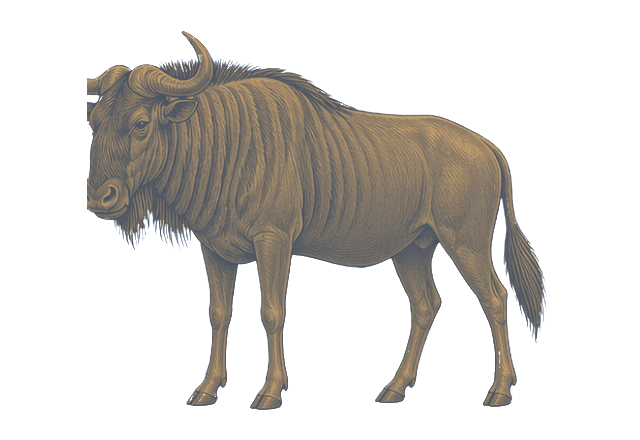
- Blue wildebeestKruger and lowveld circuitsLikelihood: Abundant
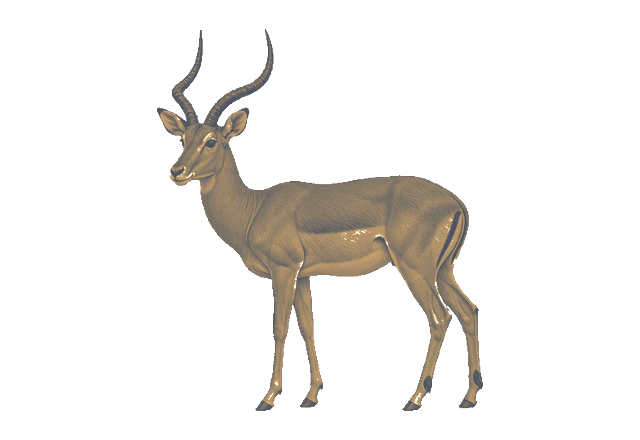
- ImpalaKruger and lowveld circuitsLikelihood: Abundant
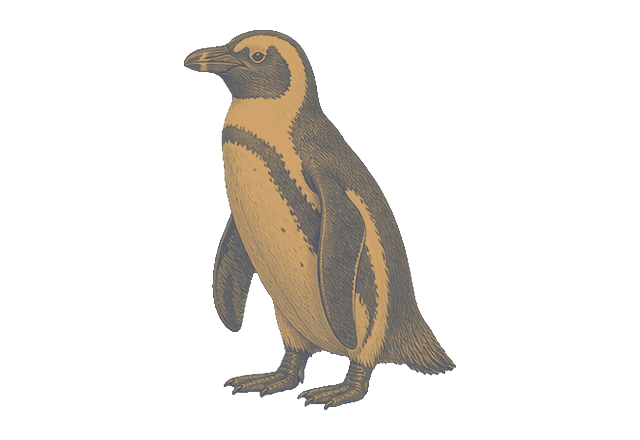
- African penguinBoulders colony visitLikelihood: Abundant
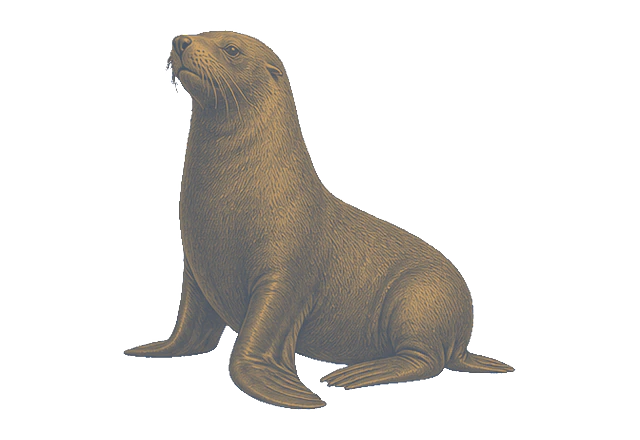
- Cape fur sealTargeted Cape coast coloniesLikelihood: Abundant
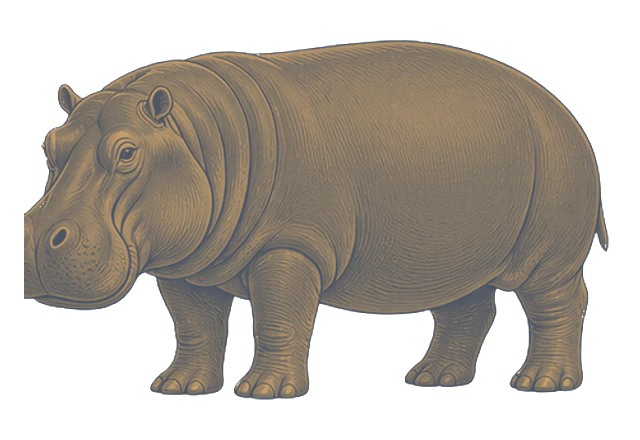
- HippopotamusKruger and eastern waterwaysLikelihood: Common
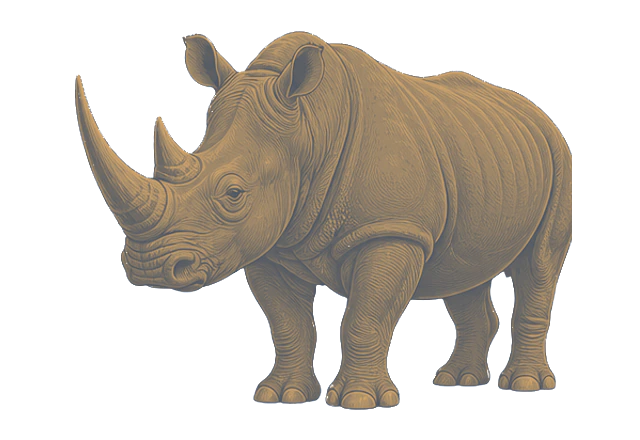
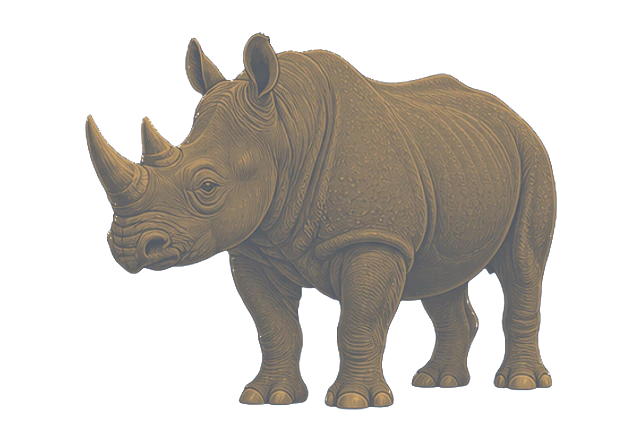
- White rhinocerosKruger and managed reservesLikelihood: Common
- LionKruger and lowveld circuitsLikelihood: Common
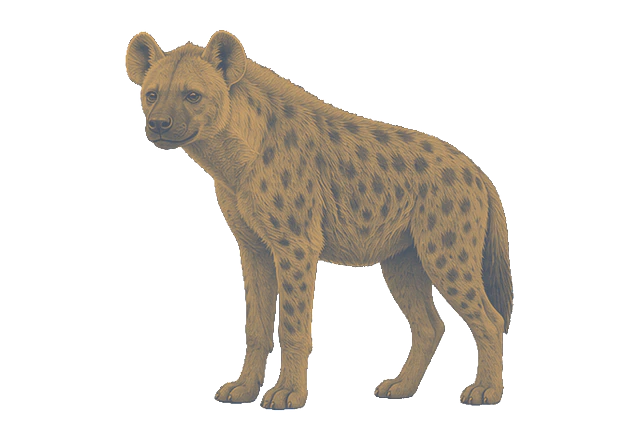
- Spotted hyenaKruger and lowveld circuitsLikelihood: Common
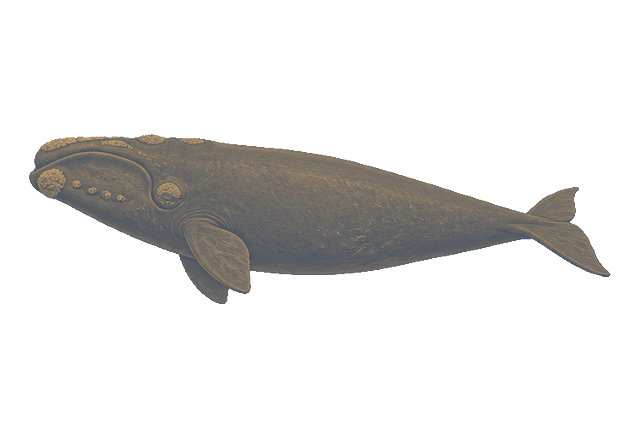
- Southern right whaleJun–Nov · De Hoop and Cape whale coastLikelihood: Common
- LeopardKruger and lowveld circuitsLikelihood: Occasional
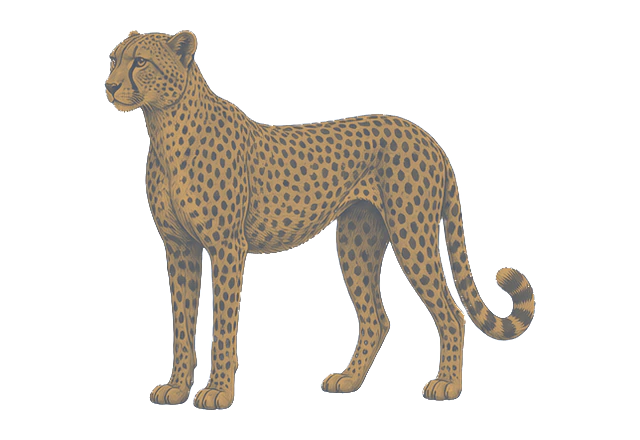
- CheetahOpen savannah reservesLikelihood: Occasional
- Black rhinocerosTargeted protected reservesLikelihood: Rare
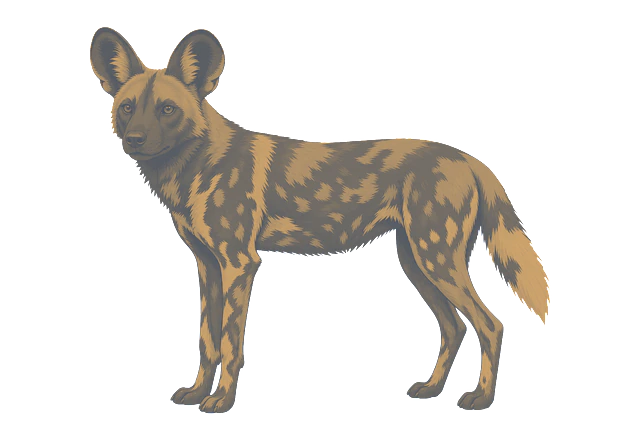
- African wild dogKruger and selected reservesLikelihood: Rare






Travel, health, visa, and entry preparation
Check each traveller's circumstances and the official sources below before booking or departure.
Travel advice
Canada advises exercising a high degree of caution throughout South Africa because of the significant level of serious crime.
Violent crime, carjacking, robbery, kidnapping and attacks in some visitor areas can affect foreign travellers, with risks often higher after dark.
- Crime and accommodation
- Use accommodation with effective security, keep doors and windows locked and valuables out of sight, avoid city centres, townships and isolated areas after dark, and do not resist an assailant.
- Airport transfers and driving
- Arrange trusted airport transport where possible, plan routes with a reliable local source, stay on main highways, keep vehicle doors locked and windows closed, and avoid driving after dark or stopping in isolated areas.
- Hiking, parks and wildlife
- Use reputable guides and operators, hike in groups, avoid isolated trails and picnic areas, follow park rules, keep a safe distance from wildlife, and leave a vehicle only when a professional guide or warden says it is safe.
- Demonstrations and outages
- Avoid demonstrations and large gatherings, monitor local reporting, and maintain water, lighting, charged communications and an emergency plan because power or water interruptions can affect transport, security and essential services.
- Entry and document checks
- Confirm passport validity, blank-page, visa, child-travel and return-ticket requirements before departure, complete any required customs traveller declaration, and check the authorized stay written into the passport on arrival.
Health advice
Review vaccination, yellow fever and malaria guidance for the traveller and itinerary.
- Vaccines
- Review routine immunizations and destination-specific vaccines with a qualified travel-health clinician at least a month before departure when possible. CDC lists hepatitis A for unvaccinated travellers aged one year or older and hepatitis B for eligible unvaccinated travellers. Consider typhoid vaccination for rural or poor-sanitation travel, a stay of about a month or longer, or visiting friends or relatives. Rabies pre-exposure decisions depend on activities and access to prompt treatment.
- Yellow fever
- CDC does not recommend yellow-fever vaccination for travel to South Africa itself. South Africa requires proof from travellers aged one year or older arriving from a country with yellow-fever transmission risk, including airport transits or layovers longer than 12 hours in such a country; confirm the complete itinerary before travel.
- Malaria
- CDC lists malaria transmission along the Mozambique and Zimbabwe borders and in specified districts of KwaZulu-Natal, Limpopo and Mpumalanga, including Kruger National Park. Prescription prevention is recommended for the higher-risk listed districts and Kruger, while some lower-transmission districts call for mosquito avoidance only. Ask a qualified clinician to match prevention to the exact itinerary.
Consult a qualified travel-health professional for advice based on the traveller and itinerary.
Visa and entry
Verify the requirements for every traveller.
Visa need depends on nationality, passport and purpose. South Africa's Department of Home Affairs provides an official Electronic Travel Authorisation service for eligible applicants, while travellers outside its current eligibility or arrival-port conditions must use the applicable mission or permit route.
Check visa exemption and ETA eligibility before applying. Eligible ordinary-passport holders create a DHA profile, capture a live image and passport details, complete the application, pay the stated fee and submit for a decision. The official portal currently limits supported arrivals to O. R. Tambo, Cape Town or Lanseria international airports; if the ETA flow does not accept the traveller or itinerary, follow the portal's direction to a South African mission or the DHA permit process.