
Best time and high seasonality
Compare recommended travel periods, typical demand seasons, weather comfort, and sky conditions across all twelve months.
Weather and travel guidance
January falls within Uganda's shorter dry season, bringing many bright intervals and generally firmer roads in the central and western travel regions. The northeast can be hot and dusty, Lake Victoria still generates local storms, and the Bwindi and Rwenzori areas remain capable of rain in any month. Demand is high. Plan hydration and shade for northern road days, layers for cool forest mornings, and light waterproofs throughout. Secure permits and key properties early, then verify current trail, road, boat and airstrip conditions for the exact route.
February is usually warm and relatively dry across much of Uganda, with hotter conditions toward Kidepo and the north, cooler nights at elevation and intermittent showers around Lake Victoria or the western forests. Rain often becomes more likely late in the month, so dry-season confidence is not absolute. High demand supports early booking. Schedule heat-sensitive activity early, carry rain protection for forest sectors, allow realistic road times, and ask local teams whether the long-rain transition has started before relying on a firm-road or clear-sky assumption.
March normally begins Uganda's first broad rainy period. Showers and thunderstorms become more frequent around Kampala, the western highlands and forest regions, while the far northeast can follow a different and sometimes later transition. Trails, unsealed roads and small airstrips may soften before monthly totals look extreme. Supplier calendars divide March between shoulder and low demand. Protect luggage and electronics, use appropriate vehicles, add transfer buffers, and obtain current trail, bridge, road and activity reports instead of assuming either continuous rain or uniform access.
April is commonly one of Uganda's wettest months, especially in the Lake Victoria basin and western highlands. Repeated showers, cloud and saturated ground can affect forest trails, unsealed park roads and transfer reliability, though rain still varies by day and the northeast is not identical. Demand is lower and some services may change. Use robust waterproof packing and grippy footwear, reduce fragile road connections, retain contingency time around tracking or boat activities, and confirm current property, trail, ferry, airstrip and road operations for each region.
May usually remains within Uganda's longer rainy period. Western forests and highlands can be very wet underfoot, the Lake Victoria basin sees frequent storms, and northern districts may be warm with their own rainfall timing. Rain can ease later, but damaged roads and saturated trails may recover slowly. Lower demand can reward flexible clients. Plan waterproof day bags, footwear and spare clothing, choose resilient transfers, and check whether camps, bridges, tracks, airstrips and activities are operating normally. Treat late-May drying as local evidence, not a national date switch.
June starts Uganda's main drier period, but it is a transition rather than an instant nationwide change. Rain normally eases around Kampala and many western routes, while forests and mountains retain cloud, showers and wet trails; the northeast is warmer and can dry more quickly. Some supplier calendars classify June as shoulder and others as high. Keep light rain gear and cool-morning layers, allow recovery time on recently wet roads, confirm tracking and boat conditions, and book permits or scarce flights early where actual demand has already risen.
July is one of Uganda's most dependable drier months, with firmer roads and many clear or partly cloudy intervals across central and western circuits. Forest and mountain rain remains possible, nights can be cool at altitude, and Kidepo or northern plains can be warm and dusty. Demand is high and permits or preferred properties tighten. Brief clients for sun, dust, cool dawns and sudden forest showers, secure constrained services well ahead, and verify current trail, bridge, road, launch and airstrip status rather than presenting Excellent weather as a guarantee.
August generally continues Uganda's drier high season, although cloud and passing rain remain normal in the western forests, around Lake Victoria and on mountain routes. Northern and northeastern areas are warmer, while high elevations stay cool and changeable. Roads are often broadly dependable but dust and local washouts can persist. Reserve permits, guides, flights and limited lodges early, pack for both sun and rain, and separate wildlife or primate expectations from weather claims. Confirm local trail, water, road and airstrip conditions for every dated itinerary.
September is a high-demand transition month in Uganda. Early weeks can retain firmer dry-season conditions, while showers and thunderstorms usually build toward the second rainy period, especially around Lake Victoria and the western highlands; Kidepo and the north may differ. Forest trails can change quickly after rain. Keep permits and accommodation booked well ahead, but add waterproof packing and road buffers. Ask suppliers whether seasonal rain has begun on each route, and verify trail, bridge, boat and airstrip status before promising dry access or clear skies.
October normally lies within Uganda's second rainy period. Warm days, cloud and recurring thunderstorms affect many central and western routes, with muddy forest trails and softer unsealed roads the main operational concerns; the northeast again follows a different pattern. Supplier calendars split October between shoulder and low demand. Build flexible activity timing, provide waterproof footwear and dry storage, avoid tight same-day road connections, and obtain current property, tracking, boat, bridge, road and airstrip reports. A rainy classification does not mean all-day rain.
November usually remains within Uganda's shorter rains, bringing humid conditions, cloud and local thunderstorms around Kampala, Lake Victoria and the western forests. The north and northeast may begin drying earlier, so one country icon necessarily simplifies regional variation. Lower demand can improve availability, but roads, trails and small airstrips may be soft. Protect luggage, use suitable vehicles, keep activity schedules flexible, and check live conditions for tracking, boat sectors, bridges and remote properties. Do not promise either continuous rain or dependable sunshine.
December is a transition into Uganda's shorter dry season. Rain often eases across central and western regions, but storms can continue around Lake Victoria and forest or mountain areas, while the north becomes warmer and drier. Festive dates and supplier calendars place demand high even when weather remains mixed. Reserve permits, flights and preferred lodges early, carry light waterproofs and sun protection, and allow practical transfer margins. Confirm whether local roads, forest trails, boat services and airstrips have recovered before treating the dry-season label as established.
- Travel recommended
- June to September, December to February
- Typical travel season
- High · July to September, December to February
- Weather comfort
- Excellent · January, July
How to read this: month icons show the typical sky and rain pattern; Weather grades broad travel comfort; Travel Seasons show typical demand and pricing. None is a forecast, and supplier periods vary.
Wildlife Overview
Broad planning guide for Uganda’s principal wildlife regions. Visibility varies by reserve, habitat, season and itinerary; no sighting is guaranteed.
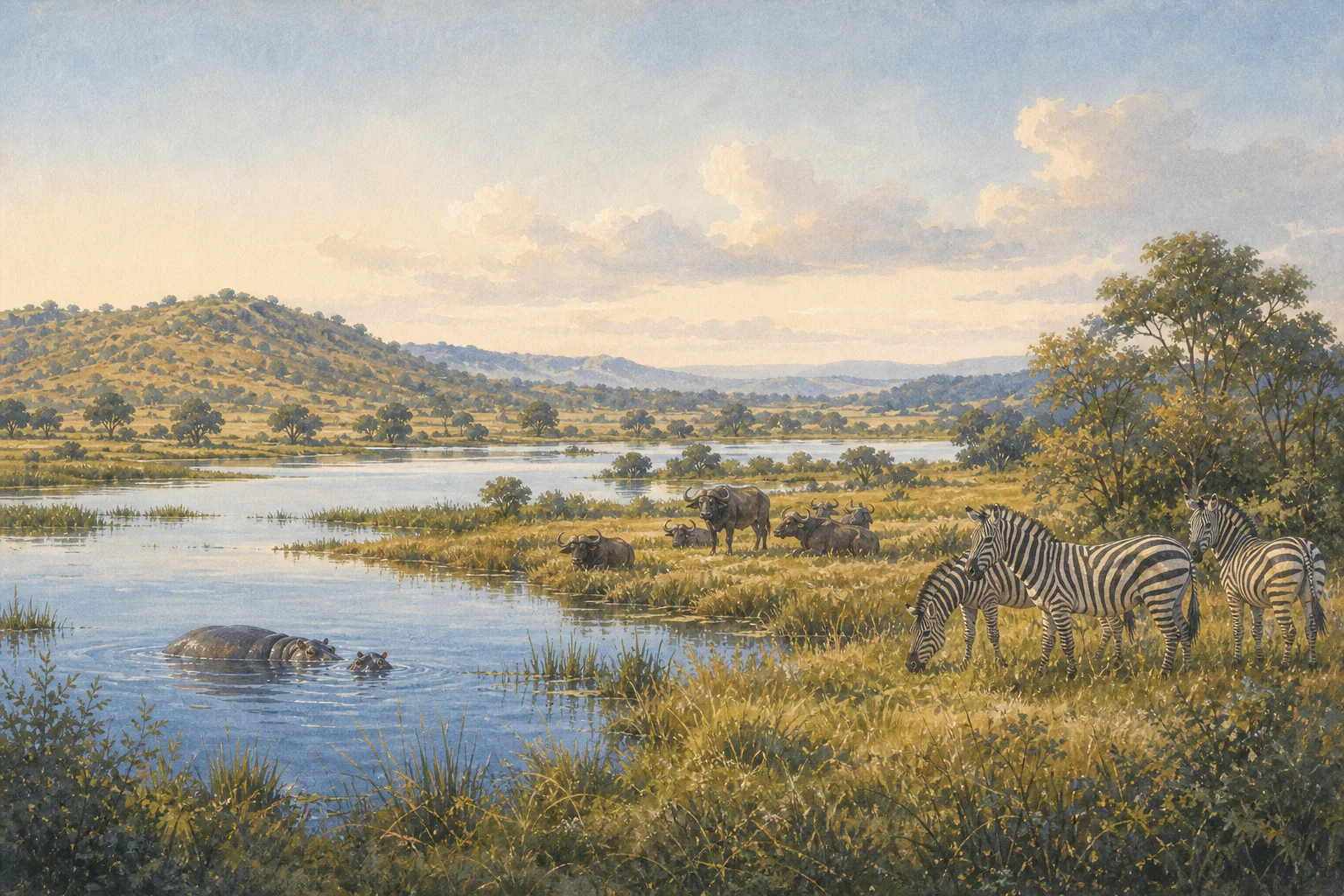
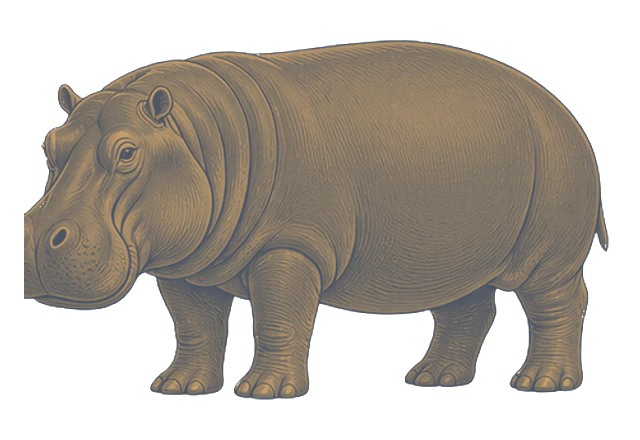
- HippopotamusMurchison and major waterwaysLikelihood: Abundant
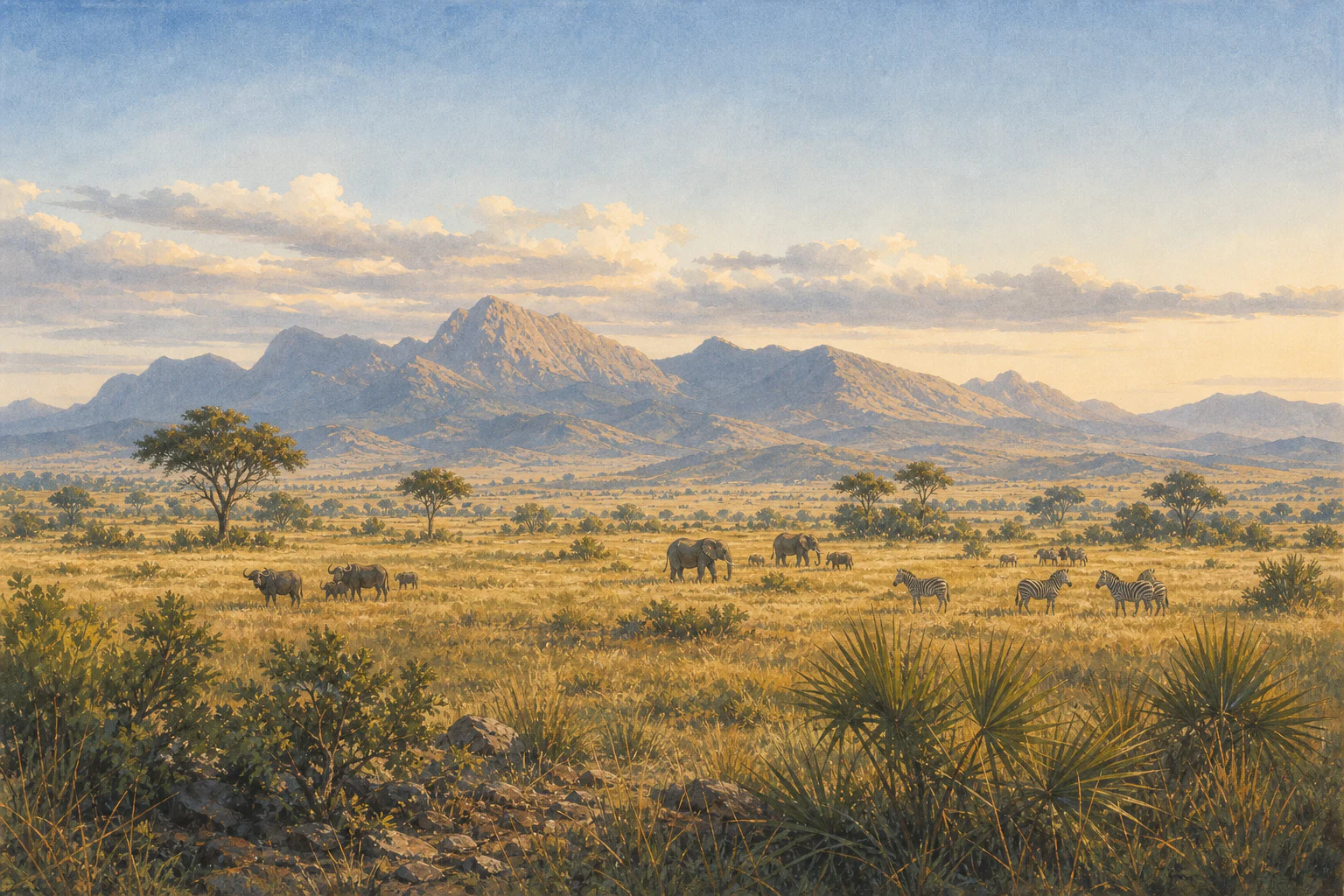
- African buffaloMurchison and principal savannah parksLikelihood: Common
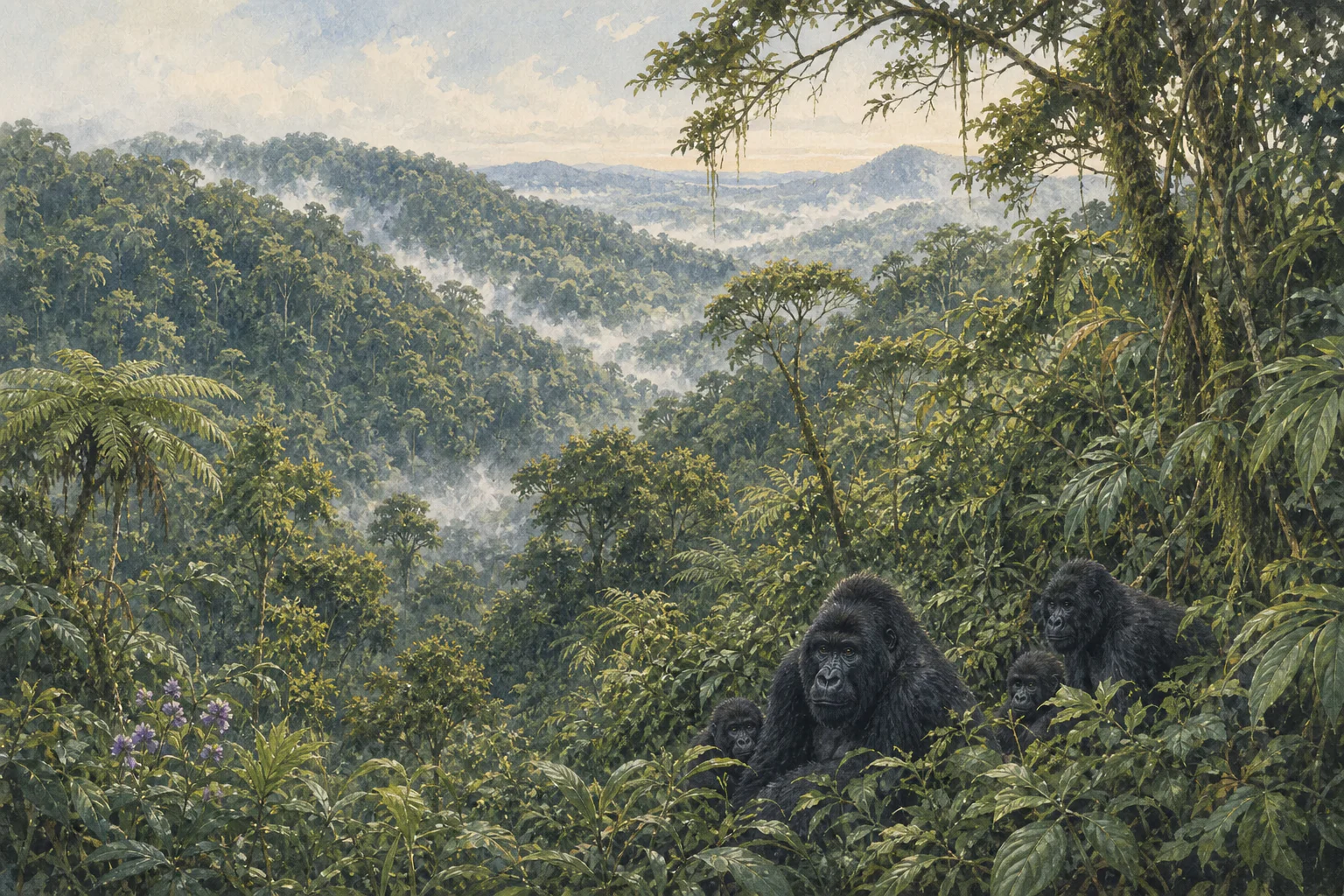
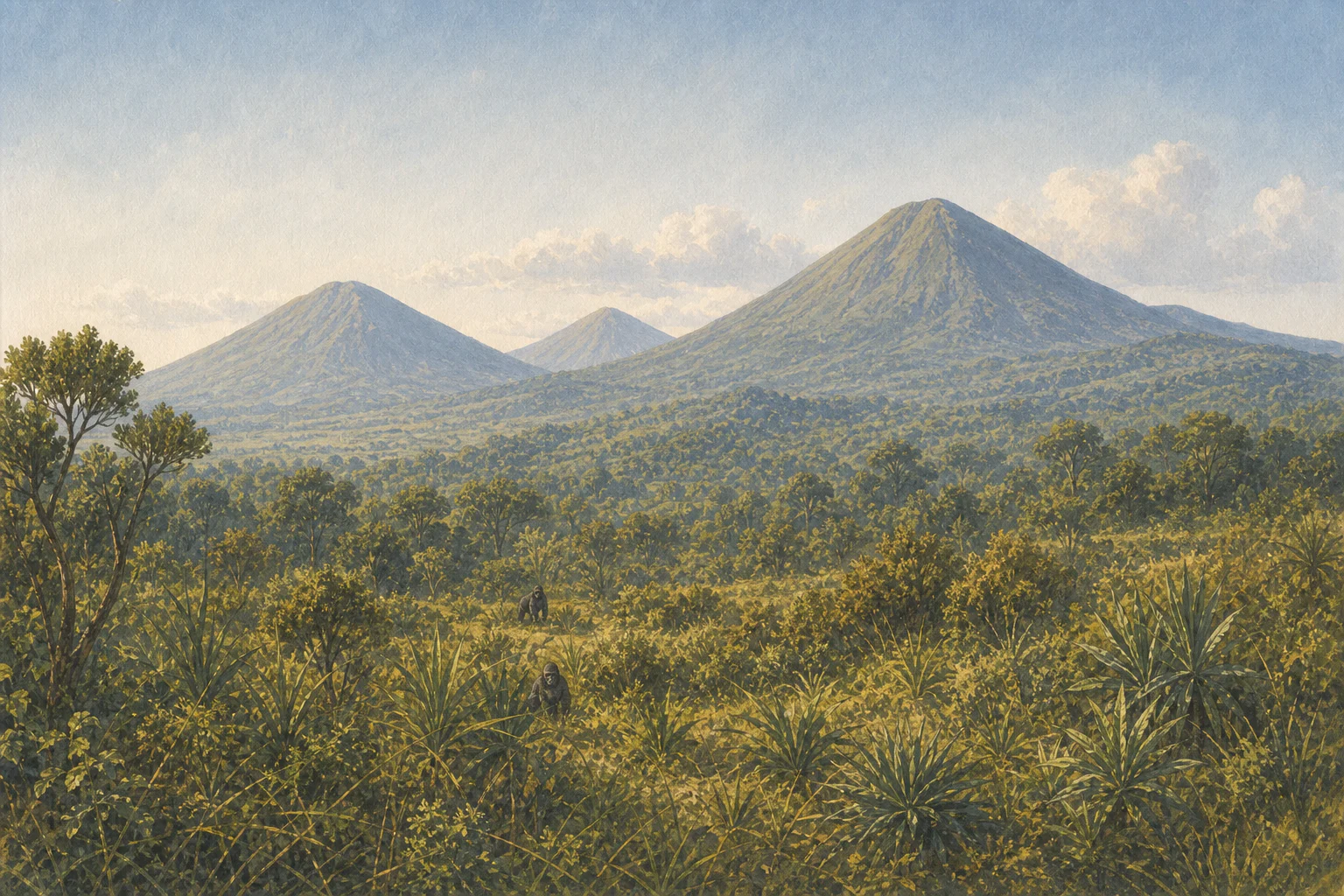
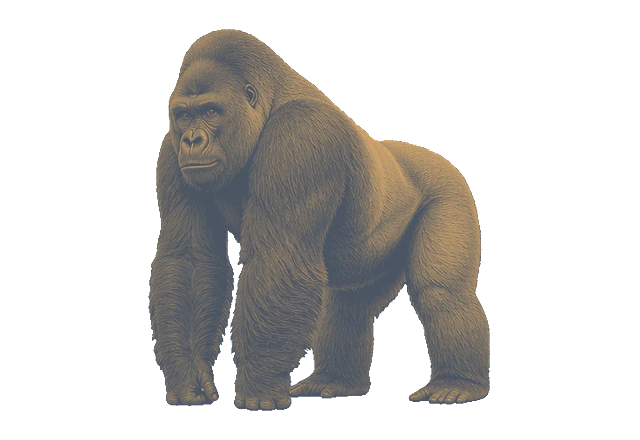
- Mountain gorillaPermitted Bwindi or Mgahinga trekLikelihood: Common
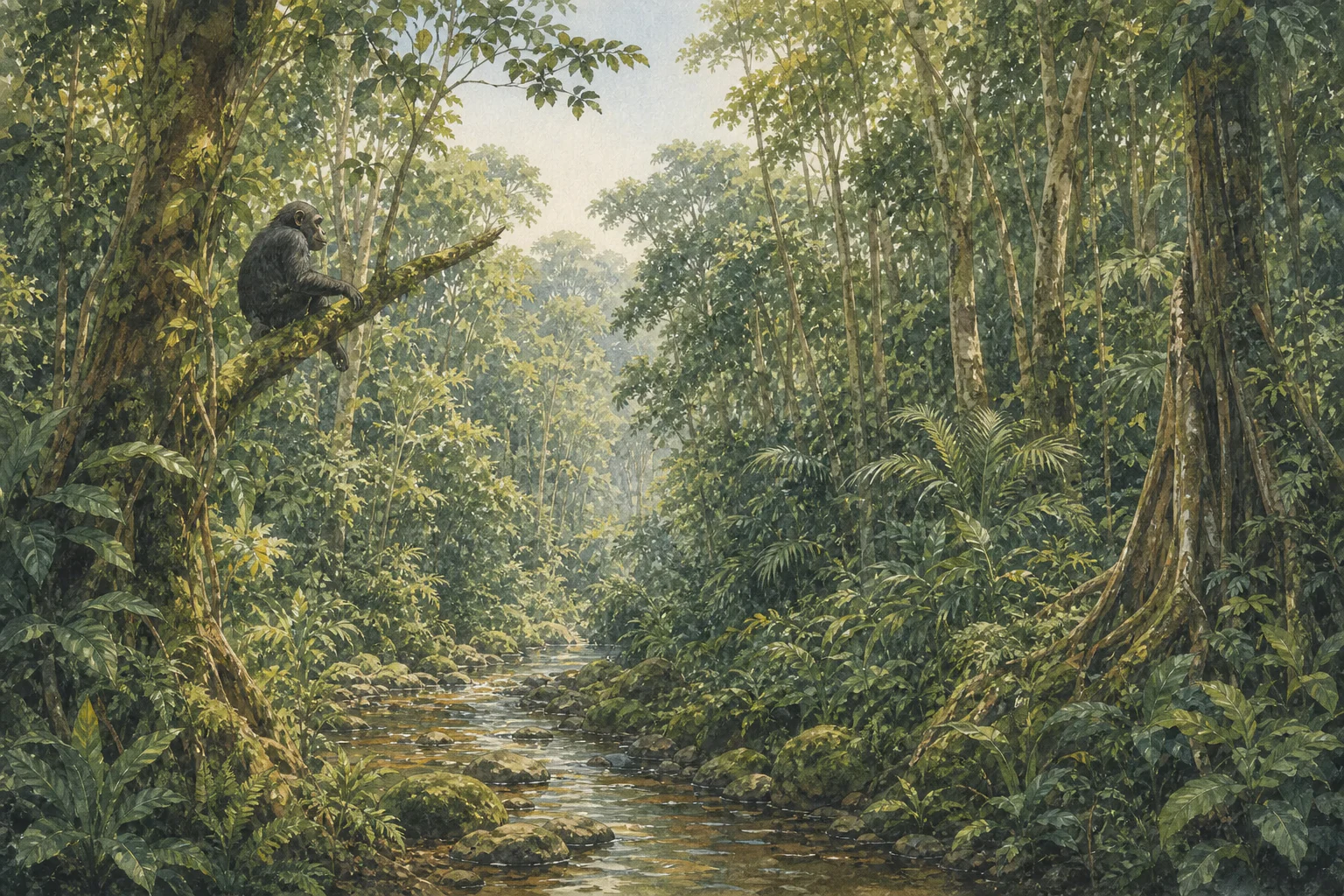
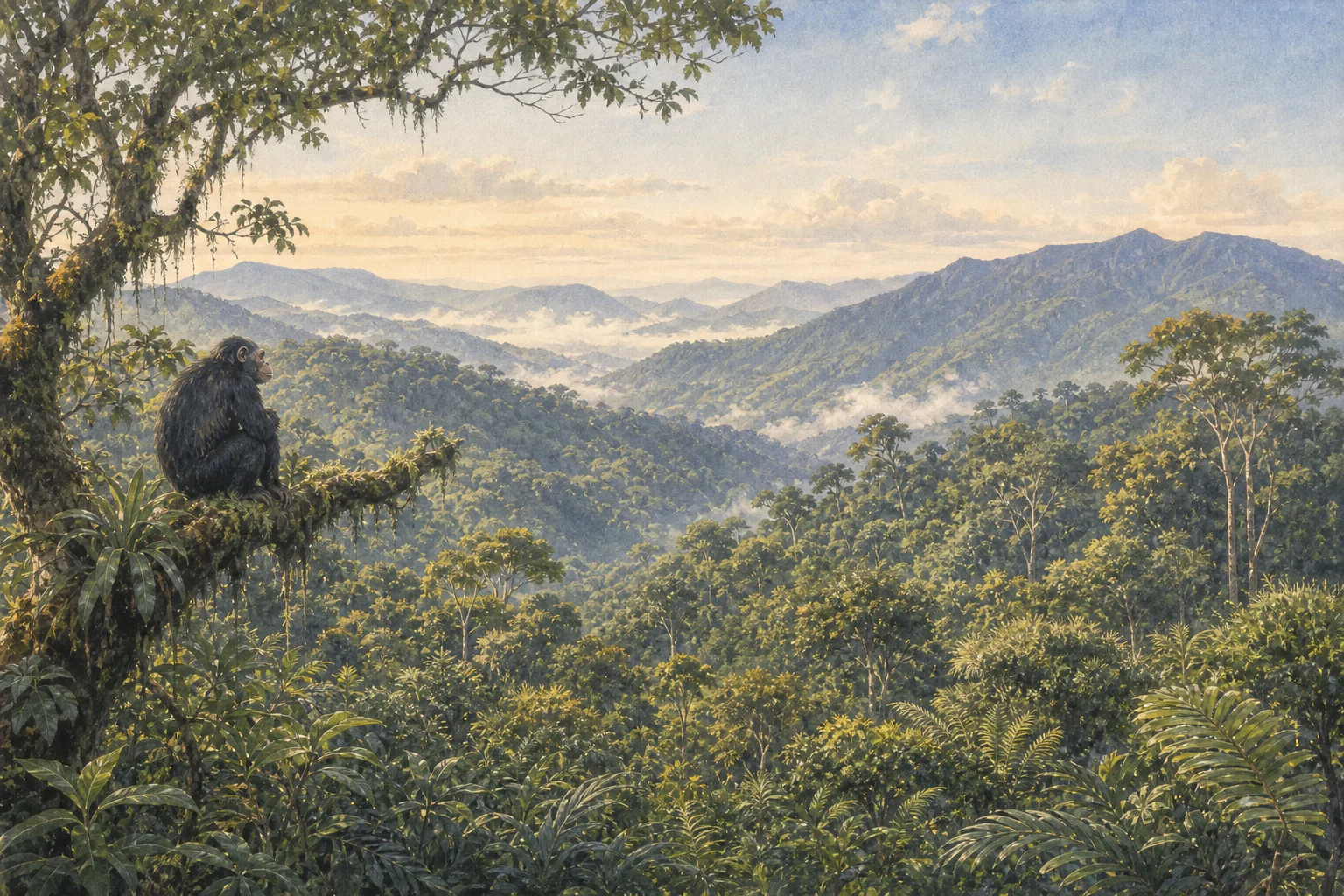
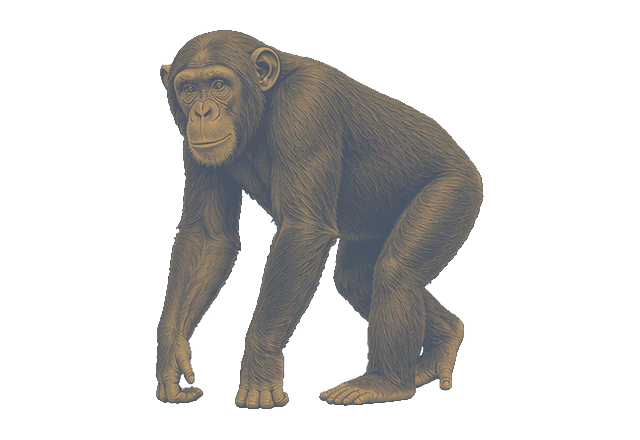
- Eastern chimpanzeeHabituated Kibale tracking productLikelihood: Common
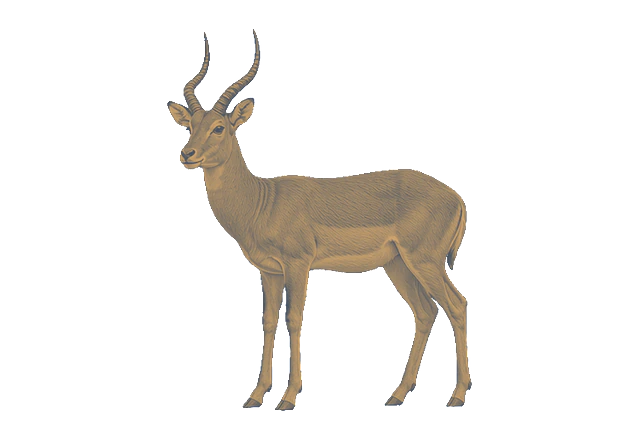
- Uganda kobMurchison and suitable savannah parksLikelihood: Abundant
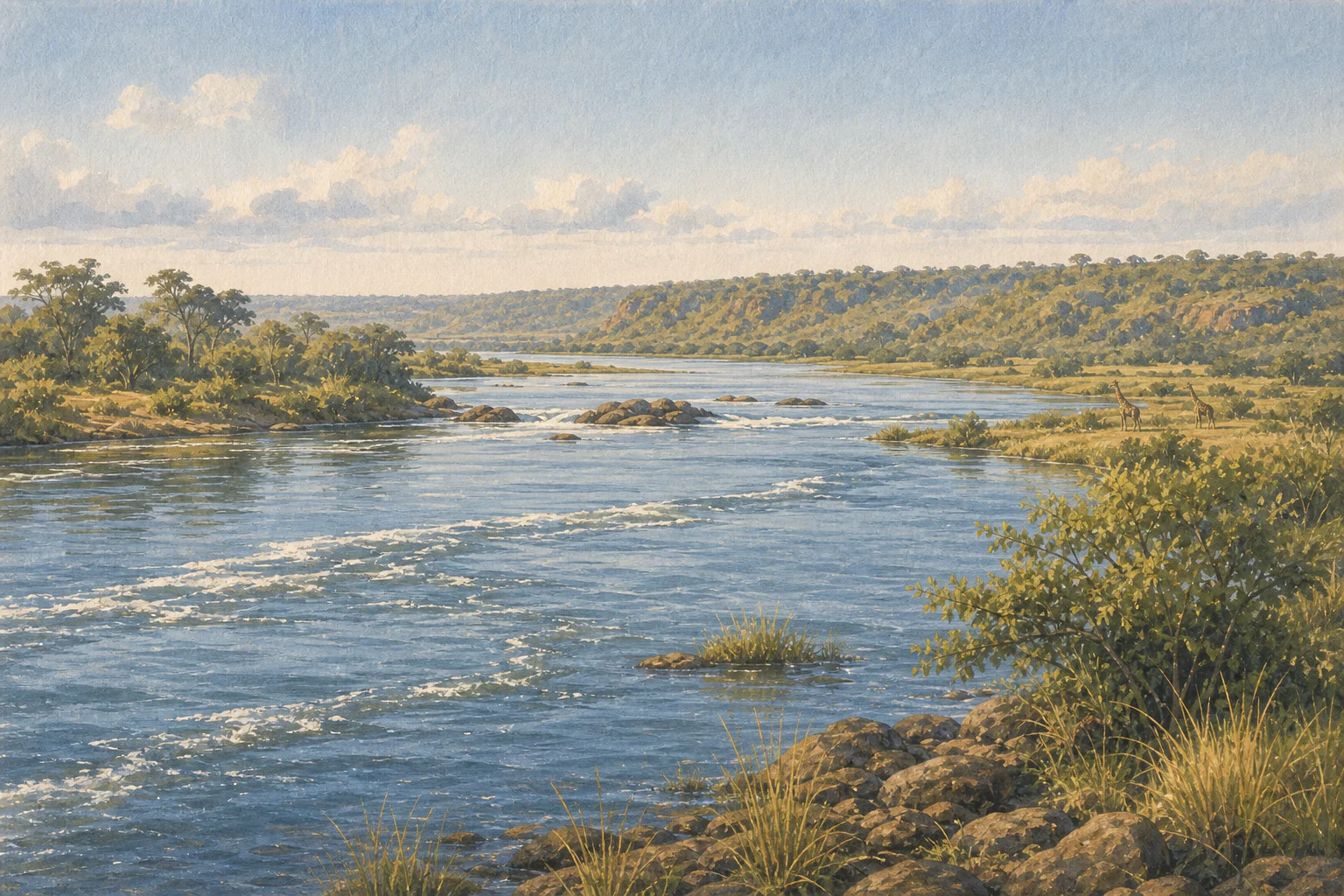
- Nile crocodileMurchison Nile boat routesLikelihood: Abundant
- African bush elephantMurchison and principal savannah parksLikelihood: Common
- Nubian giraffeMurchison Falls National ParkLikelihood: Common
- Plains zebraLake Mburo and KidepoLikelihood: Common
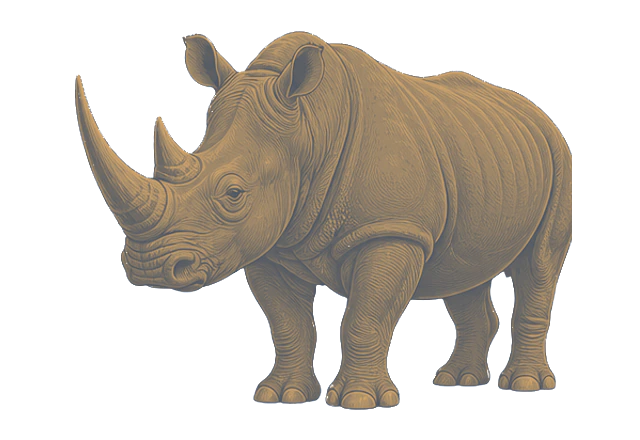
- White rhinocerosTargeted Ziwa or approved sanctuary visitLikelihood: Common
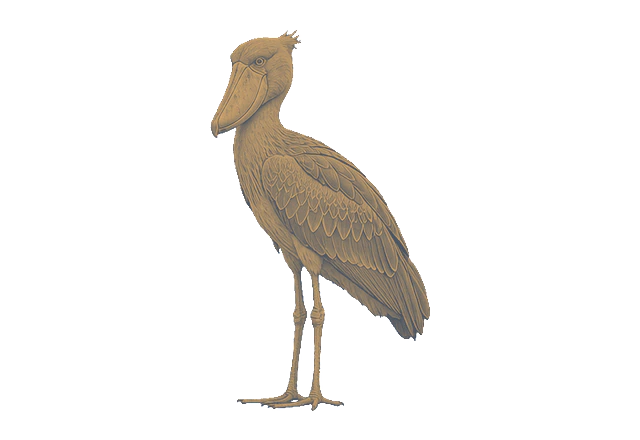
- ShoebillTargeted wetland and Murchison routesLikelihood: Common
- Golden monkeyPermitted Mgahinga tracking productLikelihood: Common
- LionMurchison, Queen Elizabeth and KidepoLikelihood: Occasional
- LeopardPrincipal savannah parksLikelihood: Occasional
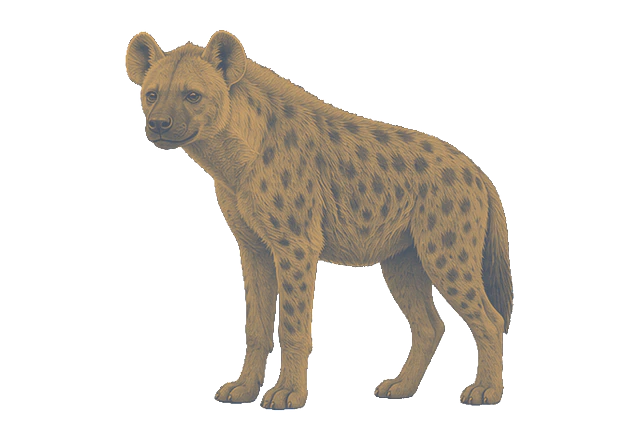
- Spotted hyenaPrincipal savannah parksLikelihood: Occasional








Travel, health, visa, and entry preparation
Check each traveller's circumstances and the official sources below before booking or departure.
Travel advice
Canada advises travellers to avoid non-essential travel to Uganda because of the regional impact of the Ebola disease outbreak, the threat of terrorism and high crime rates.
Regional advice appliesThe advisory also says to avoid all travel within 50 kilometres of the South Sudan border because of banditry and cross-border attacks, with a limited exception for guided national-park visits using well-travelled roads.
- Reconsider non-essential travel
- Review whether the journey is essential, monitor current outbreak and border measures, and maintain flexible plans for health screening, border restrictions or rapid changes in local conditions.
- Observe the regional restriction
- Avoid all travel within 50 kilometres of the South Sudan border except the national-park visits expressly excluded by the advisory when accompanied by a reputable guide and using well-travelled roads.
- Reduce security exposure
- Remain alert in public places, avoid demonstrations and night road travel, use reputable operators and transport, and follow instructions from local authorities and park wardens.
Health advice
Review vaccination, yellow fever and malaria guidance for the traveller and itinerary.
- Vaccines
- Review routine immunizations and Uganda-specific recommendations with a travel-health professional at least one month before departure. Yellow fever vaccination is central to both CDC's destination recommendation and Uganda's entry requirement; current outbreak notices and itinerary-specific risks also need review.
- Yellow fever
- CDC recommends yellow fever vaccination for all travellers aged nine months or older and reports that Uganda requires proof for all arriving travellers aged one year or older.
- Malaria
- CDC lists malaria transmission throughout Uganda and recommends prescription prevention for travellers. Discuss the itinerary and medicine choice with a clinician, take the medicine for the full directed period and use mosquito-bite precautions.
Consult a qualified travel-health professional for advice based on the traveller and itinerary.
Visa and entry
Verify the requirements for every traveller.
Travellers who require a Ugandan visa must use the official online electronic visa and permit application system and obtain approval before travel.
Confirm the appropriate visa category on the Directorate of Citizenship and Immigration Control page. In the official portal, choose the application type and category, complete the form, upload the requested passport and supporting documents, submit the application and carry the approval letter when travelling.