
Best time and high seasonality
Compare recommended travel periods, typical demand seasons, weather comfort, and sky conditions across all twelve months.
Weather and travel guidance
January in Zambia is within the core wet season, with warm humid air, frequent thunderstorms and lush vegetation. The Luangwa and other remote park roads can be restricted, while Livingstone and Lusaka remain accessible but experience local storm disruption. Use products that explicitly operate in the wet season, keep air and road contingencies, and brief for insects, mud and rapidly changing skies. Demand is generally lower outside holiday exceptions, although seasonal closures or reduced services can narrow the practical choice.
February in Zambia is typically wet, green and humid, with heavy local showers and high rivers in multiple regions. Valleys feel warmer than the plateau, and floodplain or park access may be more constrained than city or Victoria Falls access. Match the itinerary to confirmed seasonal operations, protect connection time and avoid representing a green landscape as easy overland access. Demand is generally lower outside holiday exceptions, although seasonal closures or reduced services can narrow the practical choice.
March in Zambia remains rain-prone, although the transition toward drier conditions may begin late and unevenly. Western floodplains, Luangwa tracks and Kafue access respond differently to rainfall, while plateau evenings start to moderate. Retain flexible activities and confirm each remote camp, airstrip and road rather than inferring operation from a gateway hotel. Demand is generally lower outside holiday exceptions, although seasonal closures or reduced services can narrow the practical choice.
April in Zambia is a transition month as regular rains ease, humidity falls and green landscapes persist. Some remote areas remain waterlogged or closed after the rain, while Lusaka and Livingstone generally gain longer dry intervals. Treat access recovery as destination-specific, verify opening dates and explain that local hydrology lags behind the weather calendar. Demand is generally lower outside holiday exceptions, although seasonal closures or reduced services can narrow the practical choice.
May in Zambia usually begins the cool dry season, with mild days, cooler nights and improving reliability across major circuits. Valleys stay warmer than the plateau, and western flood or Victoria Falls water conditions reflect upstream catchments as well as local rain. This is a strong value window when selected camps have reopened; secure warm dawn layers and verify every seasonal air link. Demand is usually transitional, so check event dates, supplier rate bands and availability instead of assuming one national pattern.
June in Zambia is cool, dry and generally clear, with cold early starts on the plateau and comfortable afternoons. The Luangwa Valley is milder than later in the dry season, while elevated and open-vehicle mornings can feel distinctly cold. Use proper thermal layers, confirm the last reopening dates and keep water-level expectations separate from local daily weather. Demand is usually transitional, so check event dates, supplier rate bands and availability instead of assuming one national pattern.
July in Zambia sits in the dry winter, with clear skies, cool nights and strong road and air access across principal wildlife regions. Plateau and open-vehicle dawns can be cold, whereas low valleys warm pleasantly and become progressively drier. Reserve scarce camps and flights early, pack layers and maintain realistic luggage and connection rules for small-aircraft sectors. Demand is typically high, so secure constrained rooms, transfers and permits early and verify every product's dated rate band.
August in Zambia remains dry and clear, with warmer afternoons, cool-to-mild nights and increasingly concentrated water-dependent wildlife. Valleys heat faster than Lusaka, and the far west or river corridors retain distinct local water and wind conditions. Confirm constrained flights and camps well ahead, protect clients from dust and sun, and retain warm layers for the earliest starts. Demand is typically high, so secure constrained rooms, transfers and permits early and verify every product's dated rate band.
September in Zambia is a hot, very dry month in many low valleys, with clear skies, dust and large temperature differences by elevation. Mfuwe and lower valleys can be substantially hotter than Lusaka, while nights are usually less cold than in midwinter. Move strenuous activities to cooler hours, prioritise hydration and avoid overloading road days simply because access is dry. Demand is typically high, so secure constrained rooms, transfers and permits early and verify every product's dated rate band.
October in Zambia is often the hottest part of the dry season, with intense valley heat and a growing chance of isolated pre-rain storms. The plateau moderates some heat, while remote valleys and western areas can experience oppressive afternoons. Design genuine midday recovery, confirm heat-related activity limits and monitor the first storms without assuming the wet season has fully begun. Demand is typically high, so secure constrained rooms, transfers and permits early and verify every product's dated rate band.
November in Zambia usually marks the onset of regular rains, bringing heat relief, thunderstorms and fast landscape change. Rain begins unevenly; one valley may remain dusty while another has soft roads, and seasonal camps close on different dates. Book only confirmed operating products, protect air and road connections and explain that shoulder pricing can coincide with declining access. Demand is usually transitional, so check event dates, supplier rate bands and availability instead of assuming one national pattern.
December in Zambia is warm, humid and rain-prone, with frequent storms and a festive exception to the broader low-demand pattern. Remote protected areas can have restricted access, while Livingstone and urban gateways remain more straightforward but still weather-affected. Confirm holiday schedules, open camps and every connection; give outdoor and river activities credible wet-weather alternatives. Demand is generally lower outside holiday exceptions, although seasonal closures or reduced services can narrow the practical choice.
- Travel recommended
- May to October
- Typical travel season
- Shoulder · May to June, November
- Weather comfort
- Excellent · May to August
How to read this: month icons show the typical sky and rain pattern; Weather grades broad travel comfort; Travel Seasons show typical demand and pricing. None is a forecast, and supplier periods vary.
Wildlife Overview
Broad planning guide for Zambia’s principal wildlife regions. Visibility varies by reserve, habitat, season and itinerary; no sighting is guaranteed.
- African bush elephantLuangwa and principal circuitsLikelihood: Abundant
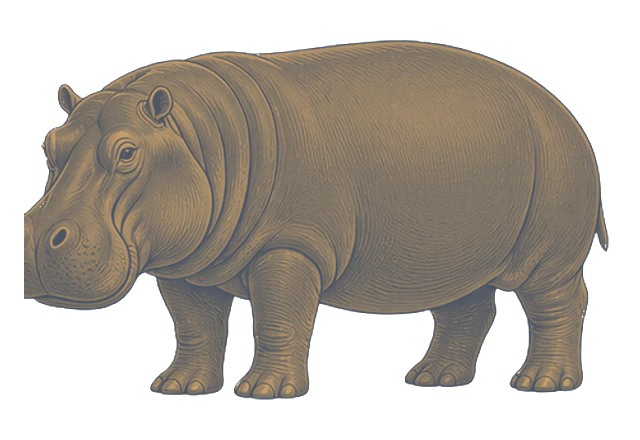
- HippopotamusSouth Luangwa waterwaysLikelihood: Abundant
- African buffaloLuangwa and principal circuitsLikelihood: Abundant
- Plains zebraSouth Luangwa and suitable parksLikelihood: Abundant
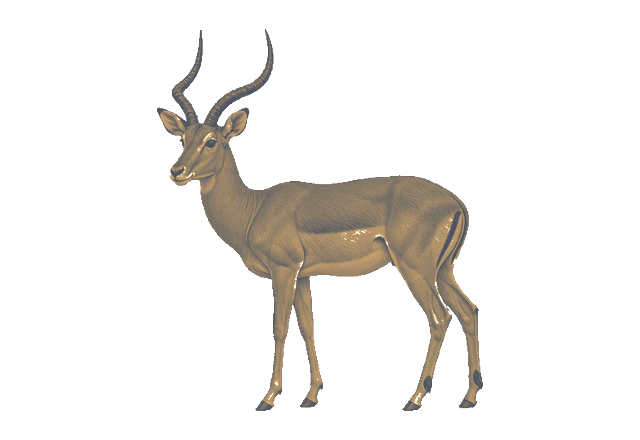
- ImpalaSouth Luangwa and suitable parksLikelihood: Abundant
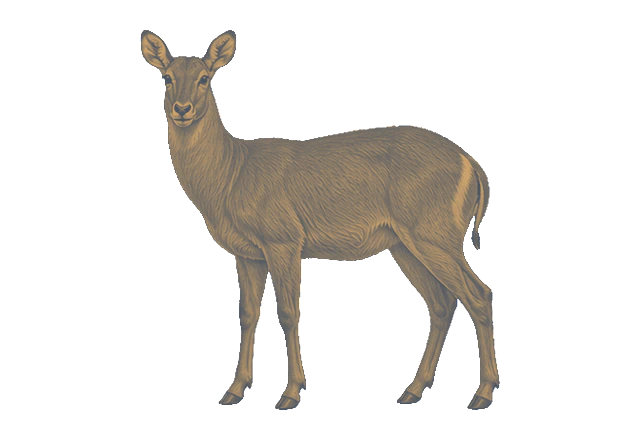
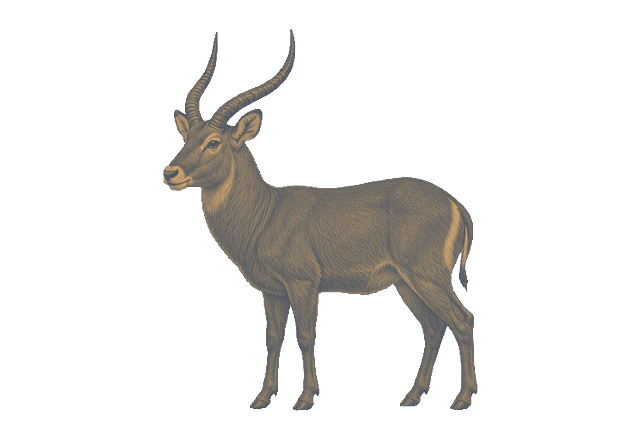
- PukuSouth LuangwaLikelihood: Abundant
- Black lechweBangweulu wetlandsLikelihood: Abundant
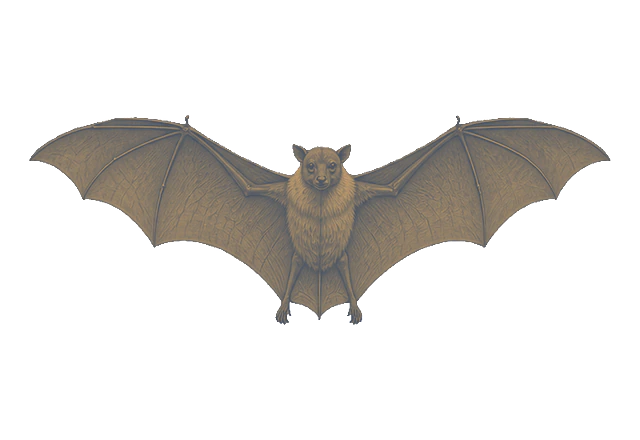
- Straw-coloured fruit batOct–Dec · Kasanka migrationLikelihood: Abundant
- GiraffeSouth LuangwaLikelihood: Common
- LionLuangwa and principal parksLikelihood: Common
- LeopardSouth LuangwaLikelihood: Common
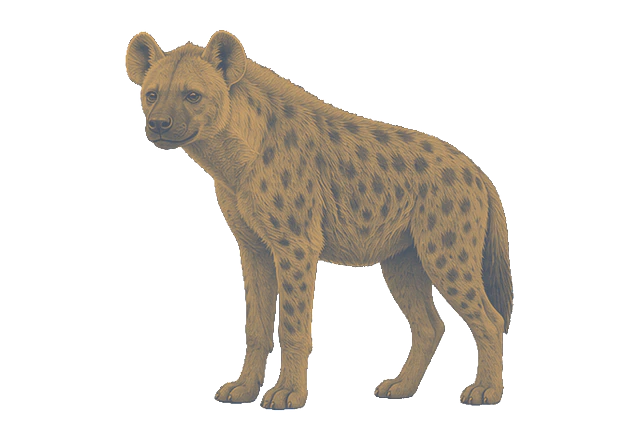
- Spotted hyenaLuangwa and principal parksLikelihood: Common
- Nile crocodileLuangwa and Zambezi waterwaysLikelihood: Common
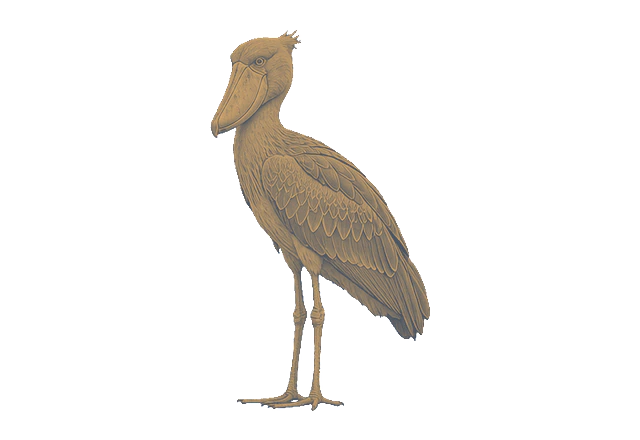
- ShoebillMay–Aug · properly arranged Bangweulu tripLikelihood: Common
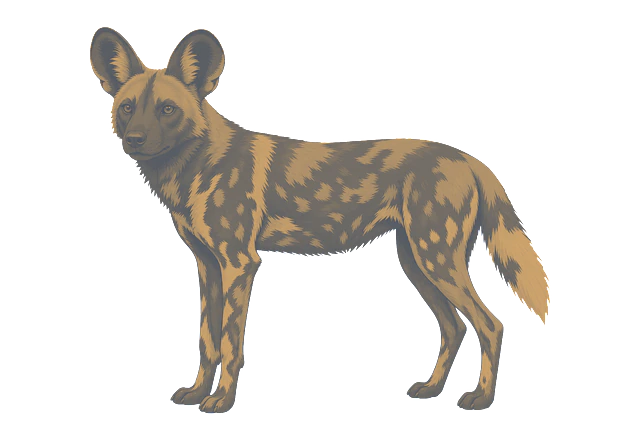
- African wild dogLuangwa and KafueLikelihood: Occasional







Travel, health, visa, and entry preparation
Check each traveller's circumstances and the official sources below before booking or departure.
Travel advice
Canada advises taking normal security precautions in most of Zambia and exercising a high degree of caution within 20 km of the borders with Angola, the Democratic Republic of the Congo and Mozambique.
Regional advice appliesThe regional advisory reflects possible landmines and unexploded ordnance near all three borders and increased crime near the Democratic Republic of the Congo; theft and violent crime also occur elsewhere, especially after dark.
- Border-area regional advisory
- Within 20 km of the Angola, Democratic Republic of the Congo and Mozambique borders, stay on main roads and paved surfaces, avoid shoulders, ditches and unmarked trails, use official crossings, and obey landmine warnings. Be particularly vigilant near the DRC border because of trans-border crime.
- Crime and personal security
- Secure passports and valuables, avoid displays of wealth and walking alone after dark, use accommodation with effective security, remain cautious at transport hubs, markets and ATMs, and do not resist an attacker.
- Road travel
- Plan routes for daylight, drive defensively with doors and windows locked, expect poor secondary roads and limited rural emergency response, and consider a suitable four-wheel-drive vehicle during the December-to-April rainy season.
- Parks, wildlife and water
- Use reputable professional guides, follow park and camp directions, keep a safe distance from wildlife, do not walk around camps at night, and avoid swimming in lakes and rivers because of dangerous animals and health risks.
- Local disruptions and public health
- Avoid demonstrations, follow official information during water or power shortages, and heed current public-health and environmental restrictions around affected waterways, including the Kafue River contamination area.
Health advice
Review vaccination, yellow fever and malaria guidance for the traveller and itinerary.
- Vaccines
- Review routine immunizations and destination-specific vaccines with a qualified travel-health clinician at least a month before departure when possible. CDC lists hepatitis A for unvaccinated travellers aged one year or older, hepatitis B for unvaccinated travellers younger than 60 with vaccination also available to older travellers, and typhoid for most travellers. Rabies is present in dogs and some wildlife, and mpox vaccination is recommended only for travellers anticipating specified higher-risk close-contact activities.
- Yellow fever
- CDC generally does not recommend yellow-fever vaccination for North-Western or Western Province and does not recommend it for other areas of Zambia. Zambia requires proof from travellers aged one year or older arriving from a country with yellow-fever transmission risk, including airport transits or layovers longer than 12 hours in such a country; obtain individualized advice and confirm the complete itinerary.
- Malaria
- CDC lists malaria transmission throughout Zambia and recommends prescription prevention in addition to mosquito-bite precautions. A qualified clinician should select medication for the traveller's health profile and itinerary and explain when to start, continue and stop it; seek urgent care for fever during or after travel and report the travel history.
Consult a qualified travel-health professional for advice based on the traveller and itinerary.
Visa and entry
Verify the requirements for every traveller.
Visa need and the available route depend on nationality and purpose. Zambia's Department of Immigration provides an official online eServices application and tracking flow, while some travellers are visa-exempt or eligible for a visa on arrival and certain categories remain port-specific.
Check the Department of Immigration nationality category and purpose-specific requirements before applying. Travellers who need prior approval should register on eServices, select the correct visa, complete the online form, attach the required supporting documents, pay through the portal and track the result in their account. Confirm the authorized stay at entry; day-tripper visas are issued only at designated ports, while the KAZA UNIVISA is available online and at named airports and border controls.