
Best time and high seasonality
Compare recommended travel periods, typical demand seasons, weather comfort, and sky conditions across all twelve months.
Weather and travel guidance
January in Zimbabwe is midsummer, with warm humid conditions, frequent thunderstorms and green landscapes across much of the country. Harare's altitude moderates heat, while Hwange, the Zambezi Valley and southeastern lowlands can be much hotter between storms. Use confirmed wet-season products, flexible outdoor timing and conservative road plans; protect connections from local downpours and holiday after-effects. Demand is generally lower outside holiday exceptions, although seasonal closures or reduced services can narrow the practical choice.
February in Zimbabwe remains within the main wet season, with regular showers, thunderstorms and high vegetation. The Eastern Highlands can be especially wet or misty, while low valleys stay hot and humid despite storm relief. Match activities to morning weather windows, verify park and lodge access and give clients footwear and luggage protection for wet ground. Demand is generally lower outside holiday exceptions, although seasonal closures or reduced services can narrow the practical choice. Pack for the widest likely day-to-night range rather than relying on a capital-city average alone.
March in Zimbabwe is a late-wet-season month: rain and humidity persist, but longer dry intervals often begin developing. Highveld temperatures are generally milder than the Zambezi Valley, and eastern mountain cloud can linger after other regions brighten. Retain rain alternatives and route-specific checks; a dry day at the gateway does not prove that a remote road has recovered. Demand is generally lower outside holiday exceptions, although seasonal closures or reduced services can narrow the practical choice.
April in Zimbabwe usually marks the transition to drier autumn conditions, with greener scenery, mild highveld days and cooler evenings. Some remote parks remain damp or follow fixed reopening dates, while lowland areas are warmer and dry more quickly. It is a useful value month when the exact route is open; confirm seasonal camps, airstrips and walking conditions before selling. Demand is usually transitional, so check event dates, supplier rate bands and availability instead of assuming one national pattern.
May in Zimbabwe begins the cool dry period, bringing clear skies, comfortable days and increasingly cold highveld nights. Victoria Falls and Zambezi conditions reflect upstream water, while Hwange dries progressively and the Eastern Highlands remain cooler. Use warm layers for dawn, verify high-water activity restrictions and secure limited camps as the main operating season starts. Demand is typically high, so secure constrained rooms, transfers and permits early and verify every product's dated rate band.
June in Zimbabwe is dry and cool, with clear days, cold mornings on the highveld and mild-to-warm afternoons in lower regions. Hwange and the Zambezi Valley are warmer than Harare or the Eastern Highlands, where frost or very cool nights are possible. Brief clients for real dawn cold, confirm small-aircraft sectors and keep waterfall spray expectations separate from local rainfall. Demand is typically high, so secure constrained rooms, transfers and permits early and verify every product's dated rate band.
July in Zimbabwe is a dry winter month with crisp highveld nights, clear visibility and broad protected-area access. The Zambezi Valley remains milder, while exposed highlands can be cold and occasional fronts may produce cloud or drizzle. Pack thermal layers for open vehicles and early transfers, and secure camps and flights well before this popular period. Demand is typically high, so secure constrained rooms, transfers and permits early and verify every product's dated rate band. Keep transfer timing conservative where mountain, gravel or park roads are central to the itinerary.
August in Zimbabwe remains dry but begins warming, pairing cool mornings with sunny afternoons and increasingly dusty conditions. Low valleys heat faster than Harare, while the Eastern Highlands keep cooler nights and can receive local mist. This is a strong mixed-interest month; protect against dust and sun, maintain warm dawn layers and avoid unrealistic road-day additions. Demand is typically high, so secure constrained rooms, transfers and permits early and verify every product's dated rate band.
September in Zimbabwe is a hot, very dry spring month in Hwange and the Zambezi Valley, with cooler but warming conditions on the highveld. Water concentration and dust increase in major protected areas, while Eastern Highland conditions remain comparatively moderate. Plan activity around early and late hours, prioritise hydration and explain that strong viewing conditions can coincide with demanding heat. Demand is typically high, so secure constrained rooms, transfers and permits early and verify every product's dated rate band.
October in Zimbabwe is often the hottest dry-season month, with intense lowveld afternoons and an increasing chance of isolated pre-rain storms. Harare's altitude provides some moderation, whereas Hwange, Kariba and the Zambezi Valley can be oppressive at midday. Build genuine heat recovery, confirm walking and activity limits and monitor first-storm impacts without assuming regular rain has begun. Demand is typically high, so secure constrained rooms, transfers and permits early and verify every product's dated rate band.
November in Zimbabwe usually brings the onset of regular summer rain, rising humidity and rapid greening after the hot dry build-up. Rain begins unevenly between highveld, eastern mountains and western or northern lowlands, so local track conditions diverge quickly. Use only confirmed operating camps, protect transfers and communicate that welcome rain can reduce road and activity reliability. Demand is usually transitional, so check event dates, supplier rate bands and availability instead of assuming one national pattern.
December in Zimbabwe is warm, humid and storm-prone while also carrying a festive holiday-demand exception. Highveld afternoons are milder than the low valleys, the Eastern Highlands may be misty, and Victoria Falls conditions still depend on upstream flow. Confirm festive schedules, wet-season access and every connection, and build credible alternatives for exposed or river activities. Demand is generally lower outside holiday exceptions, although seasonal closures or reduced services can narrow the practical choice.
- Travel recommended
- April to October
- Typical travel season
- Shoulder · April, November
- Weather comfort
- Good · April, September to October
How to read this: month icons show the typical sky and rain pattern; Weather grades broad travel comfort; Travel Seasons show typical demand and pricing. None is a forecast, and supplier periods vary.
Wildlife Overview
Broad planning guide for Zimbabwe’s principal wildlife regions. Visibility varies by reserve, habitat, season and itinerary; no sighting is guaranteed.
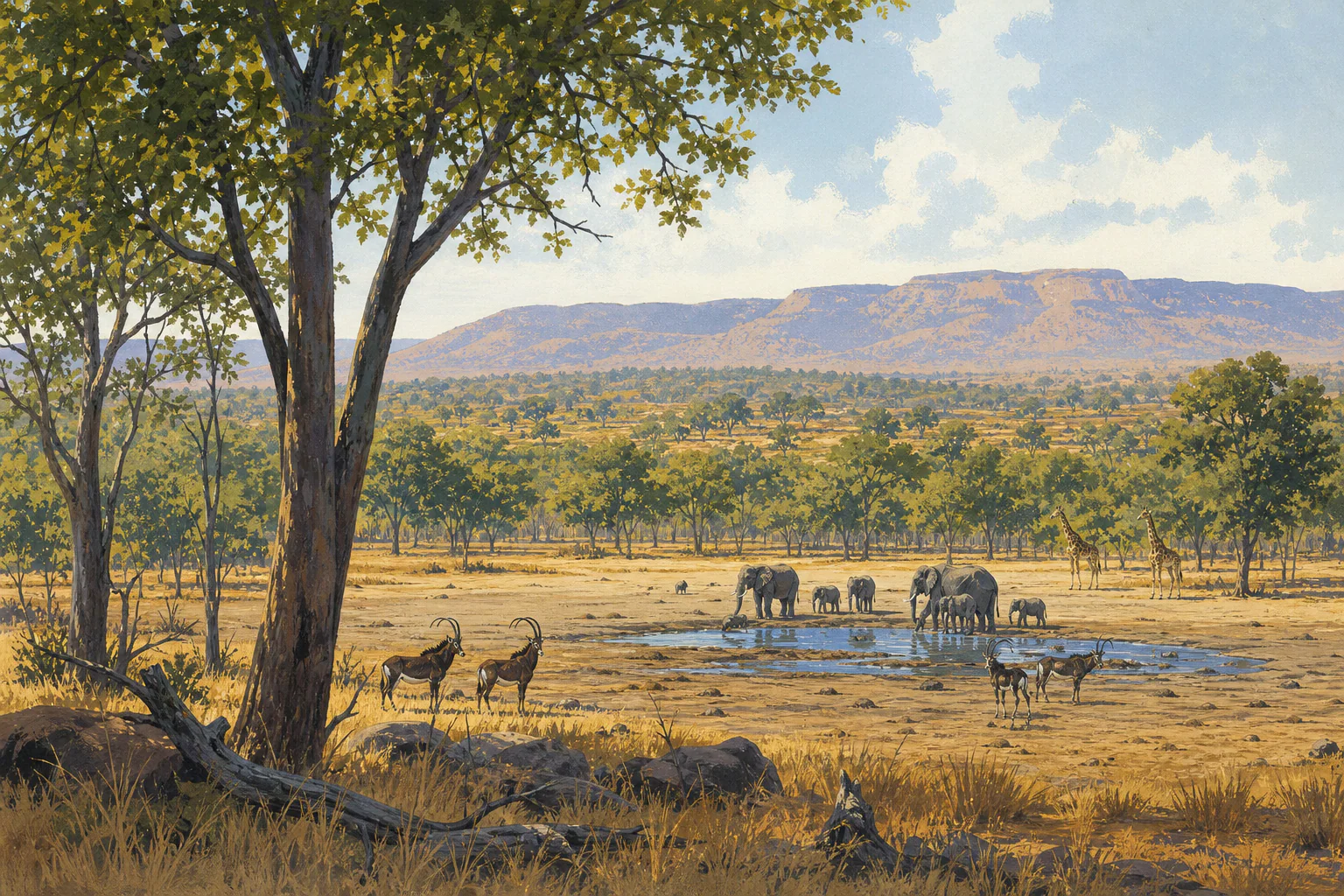
- African bush elephantHwange and principal circuitsLikelihood: Abundant
- African buffaloHwange and Mana PoolsLikelihood: Common
- Plains zebraHwange and principal circuitsLikelihood: Common
- GiraffeHwange and principal circuitsLikelihood: Common
- LionHwange and principal circuitsLikelihood: Common
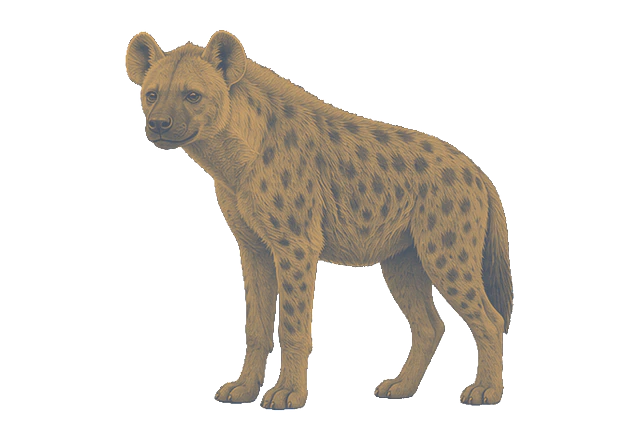
- Spotted hyenaHwange and principal circuitsLikelihood: Common
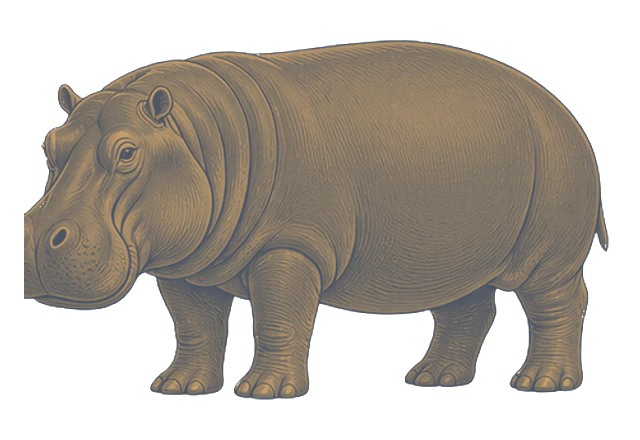
- HippopotamusMana Pools and Zambezi routesLikelihood: Common
- Nile crocodileMana Pools and Zambezi routesLikelihood: Common
- LeopardHwange and principal circuitsLikelihood: Occasional
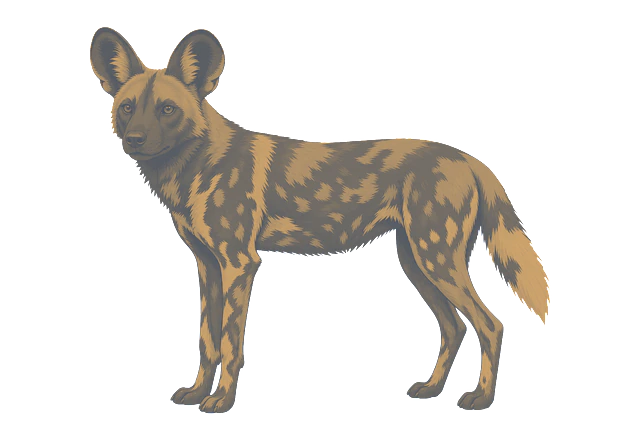
- African wild dogHwange and Mana PoolsLikelihood: Occasional
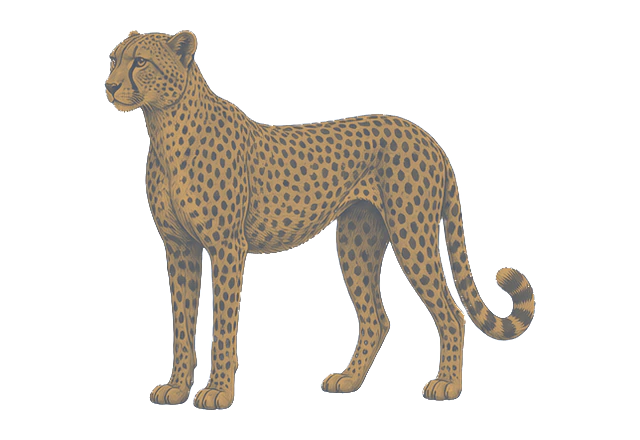
- CheetahScarcer Hwange encounterLikelihood: Rare
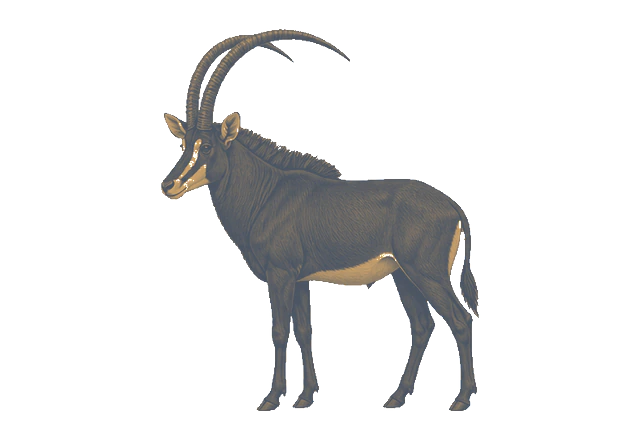
- Sable antelopeTargeted Hwange routesLikelihood: Rare
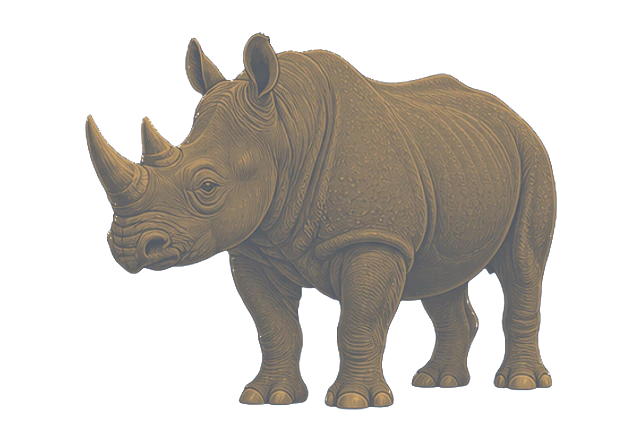
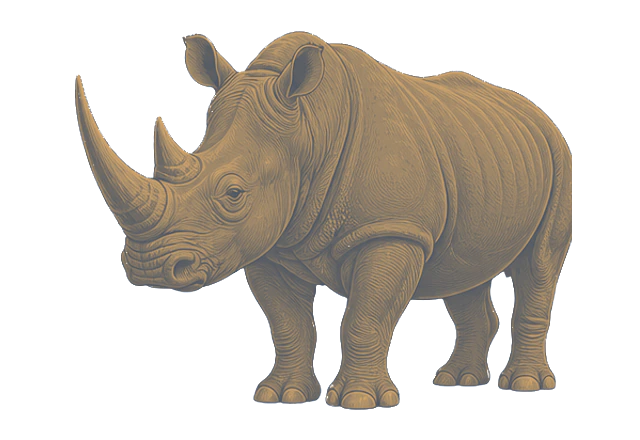
- Black rhinocerosTargeted Matobo productLikelihood: Rare
- White rhinocerosTargeted Matobo productLikelihood: Rare







Travel, health, visa, and entry preparation
Check each traveller's circumstances and the official sources below before booking or departure.
Travel advice
Canada advises exercising a high degree of caution throughout Zimbabwe because of crime.
Crime, including highway robbery and theft at tourist sites and remote wildlife camps, combined with poor road conditions and limited police response in some areas.
- Crime at tourist areas
- Secure valuables and documents, avoid isolated walking after dark and use accommodation or operators with reliable security. Theft and robbery occur in Harare and Bulawayo, around Victoria Falls and Honde Valley waterfalls, and at remote wildlife camps in Hwange and Mana Pools.
- Road transfers
- Travel in daylight with an experienced driver, keep doors locked and windows closed, and avoid stopping in isolated areas. Highway robberies occur at night, including on the airport road and around Beitbridge, while potholes, unlit roads, pedestrians and animals make driving hazardous.
- Gatherings and roadblocks
- Avoid demonstrations, political gatherings and large crowds, particularly in central and high-density areas of Harare and Bulawayo. Stop at every roadblock even if it appears unattended, carry identification, remain calm and follow lawful instructions.
- Outages and wildlife
- Plan for power, water, telecommunications, food and fuel interruptions by carrying appropriate reserves and keeping devices charged. During wildlife viewing, maintain a safe distance and follow the operator, park rules and wardens' instructions.
Health advice
Review vaccination, yellow fever and malaria guidance for the traveller and itinerary.
- Vaccines
- Arrange a travel-health consultation at least one month before departure. CDC recommends being current on routine vaccines and advises eligible unvaccinated travellers about hepatitis A and hepatitis B. Consider typhoid vaccination for rural or poor-sanitation travel, a stay of about a month or longer, or visiting friends or relatives. Rabies vaccination depends on activities, animal-exposure risk and access to prompt post-exposure care.
- Yellow fever
- CDC does not recommend yellow-fever vaccination for Zimbabwe itself. Proof is required for travelers aged 9 months or older arriving from a country with yellow-fever transmission risk, including an airport transit or layover longer than 12 hours in such a country; verify the rule for the actual route.
- Malaria
- CDC lists malaria transmission throughout Zimbabwe and recommends prescription prevention medicine for all areas together with mosquito-bite precautions. A qualified clinician should select medicine for the traveler and itinerary and explain when to start, continue and stop it.
Consult a qualified travel-health professional for advice based on the traveller and itinerary.
Visa and entry
Verify the requirements for every traveller.
Zimbabwe assigns nationalities to three visa regimes: category A is visa-free, category B can obtain a visa at the port of entry, and category C must obtain an online eVisa before travel. The Department of Immigration directly endorses its eVisa application platform.
Check the traveler's current nationality category before applying. If an eVisa is required or selected, use only the Department of Immigration's linked platform, complete the secure form, submit the requested documents and payment, monitor email for the electronic decision, and print the approved eVisa for boarding and passport stamping on arrival.