
Best time and high seasonality
Compare recommended travel periods, typical demand seasons, weather comfort, and sky conditions across all twelve months.
- Average daytime high
- 28°C
- Average nighttime low
- 21.8°C
- Average rainfall
- 57.7 mm / month
2001–2020 climate averages for Kasekela lakeshore and lower forest; hill trails are wetter and cooler. Gridded regional estimates, not a forecast or a park-wide measurement.
Weather and travel guidance
January is wet and humid at Gombe, with showers feeding the steep forest above Lake Tanganyika. Chimpanzee tracking can involve slick roots, muddy slopes and slow progress even when the lakeshore is sunny. Give the forest outing the first part of the day and leave the afternoon open for rest rather than stacking another demanding hike. Waterproof bags are useful for both the boat transfer and camera gear. Rain does not make chimpanzees absent, but their changing feeding areas and the terrain mean a short encounter cannot be promised.
February remains part of Gombe's rainy season, although brighter spells can make the lakeshore feel very warm. Under the canopy, moisture lingers and the climbing effort is greater than a temperature reading alone suggests. Plan a paced tracking day with drinking water, footwear that grips wet ground and a dry change of clothes back at the lodge. A boat journey from Kigoma needs flexibility for wind and lake conditions. Keep any Kakombe Waterfall walk optional after the chimpanzee outing rather than assuming both will fit easily.
March brings sustained wet-season conditions to Gombe's valleys. Forest streams and waterfalls can be lively, but steep trails are slippery and a passing shower may quickly reduce visibility under the canopy. This is a month for travellers comfortable with a physical forest experience, not an easy open-vehicle safari. Allow more than a single tracking opportunity when chimpanzees are the main reason for coming. Protect electronics from rain and lake spray, and keep flight or onward road connections separate from a tightly timed boat arrival.
April is still a rainy month in Gombe, with warm lakeside air, humid forest and the possibility of heavy showers. A short distance on the map can take much longer on a wet hillside, so fitness and sensible pacing matter more than an ambitious list of stops. Kakombe's waterfall setting is attractive, but the approach should follow the guide's assessment of footing. Choose accommodation and transfers that are operating for the intended dates. Lake Tanganyika crossings are weather-dependent; retain a buffer instead of planning a last-minute connection.
May is the changeover toward Gombe's dry season. Rain usually eases, yet the forest can remain damp and streams may still complicate a hike after a late storm. Lower humidity and improving paths make the second half of the month appealing for a quiet, active visit, provided access and accommodation are confirmed. Keep a waterproof layer in the day pack and shoes with reliable grip. Tracking remains a search through the chimpanzees' natural feeding range, so allow time on the hills rather than planning around a fixed-length walk.
June is notably drier at Gombe, with more comfortable forest walking and cooler starts beside Lake Tanganyika. Paths tend to be easier underfoot than in the rains, although steep climbs and tangled roots still make tracking an active outing. Set off with a light layer for the boat and enough water for a warmer ascent. Clearer weather also suits a separate waterfall or shoreline excursion. Lake winds can disturb an otherwise sunny transfer day, so a dry-season booking should still allow practical space between the boat trip and a flight.
July is one of Gombe's driest months, offering relatively firm trails and less humid tracking conditions. Early boat rides can feel cool before the sun warms the lakeshore, while the forest climb soon calls for lighter clothing and water. The absence of rain does not fix the chimpanzees in one valley; they may require a sustained uphill search. Reserve the tracking arrangement in advance during the wider safari high season. Leave a later day or spare session available if primates are the trip's central purpose rather than a brief add-on.
August stays mostly dry at Gombe, with warmer afternoons and occasional haze over Lake Tanganyika. Forest shade offers relief from the lakeside sun, but a long search for chimpanzees can still be strenuous. Start promptly, carry water in a small comfortable pack and avoid a second hard hike immediately afterward. Boat conditions deserve their own check because wind can raise waves without rain. This is a useful month for an extended primate stay, pairing tracking with a gentler shoreline outing rather than rushing in and out from Kigoma.
September grows warmer and begins the transition away from Gombe's driest period. Trails are often still workable, but isolated showers can make exposed roots slick and a humid afternoon can feel tiring after a long climb. Build the chimpanzee search around an early departure, with a flexible return and a quiet lakeside break afterward. Keep both sun protection for the transfer and rain protection for the forest within reach. Later in the month, review local reports before adding a longer waterfall route to an already demanding tracking day.
October brings increasing humidity and more frequent showers to Gombe. Rain may start unevenly, leaving one forest slope dry while another becomes muddy, so expect the guide to adapt the route. A chimpanzee visit remains possible, but walking effort and travel buffers should be more generous than in midwinter. The lake can change quickly around a storm; avoid making an afternoon boat arrival the sole basis for an onward flight. Bring a waterproof day pack and let the main tracking experience set the day's pace, not a crowded activity list.
November is among Gombe's wetter months, with thick vegetation, humid air and frequent rain in the forest valleys. Trails require care, and a chimpanzee search may take longer when feeding groups are dispersed or moving uphill. Choose this period for a patient forest-focused visit rather than guaranteed easy viewing. Check which accommodation and boat services are operating on the exact dates. Waterproof luggage matters on Lake Tanganyika as well as under the canopy, and a spare transfer window is valuable when storms interrupt a crossing.
December remains warm and rainy at Gombe, with lush forest and changing visibility along the hills above Lake Tanganyika. Showers can be heavy but are not a promise of an all-day washout; an early start still gives the guide useful flexibility. Wear shoes suited to mud and carry dry protection for binoculars and cameras. Holiday plans need confirmed accommodation and transfers, not an assumption that every service runs daily. Keep a rest period after tracking, because wet slopes can make a seemingly short route considerably more demanding.
- Travel recommended
- May to October
- Typical travel season
- Shoulder · May to June
- Weather comfort
- Good · May, September to October
How to read this: month icons show the typical sky and rain pattern; Weather grades broad travel comfort; Travel Seasons show typical demand and pricing. None is a forecast, and supplier periods vary.
Wildlife Overview
Wildlife to look for in Gombe National Park. Labels describe typical encounters in suitable habitat; season, conditions and time spent exploring all make a difference.
- Eastern chimpanzeeAuthorised tracking of the habituated Kasekela community; variable search timeLikelihood: Common
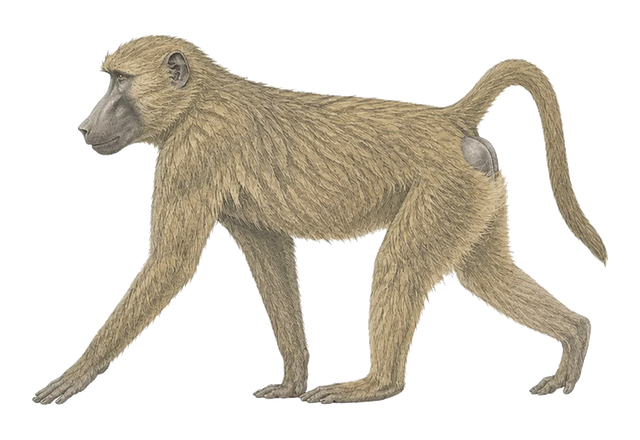
- Olive baboonLakeshore and lower forest, including the well-known beach-ranging troopsLikelihood: Common
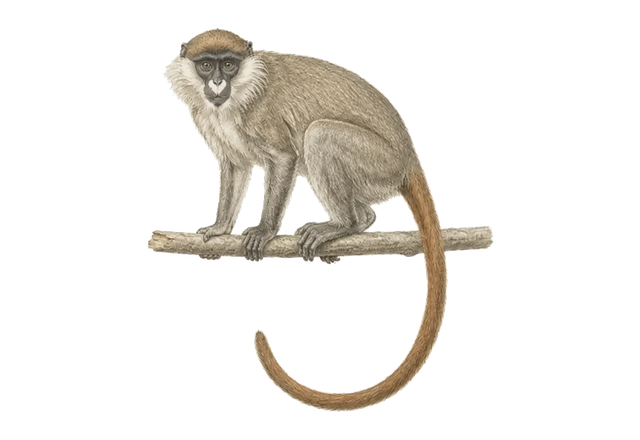
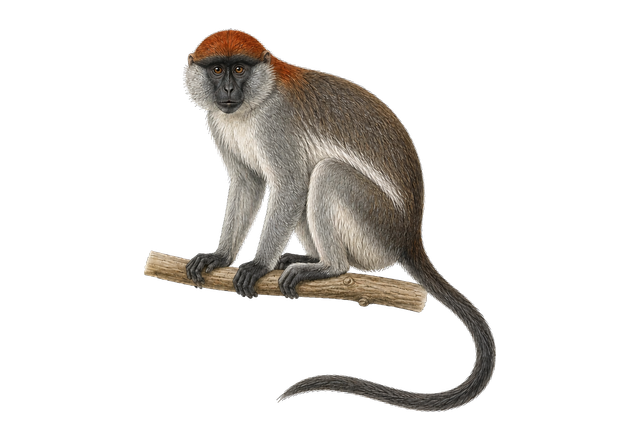
- Red-tailed monkeyForest canopy along guided walking routesLikelihood: Common
- Ugandan red colobusTree canopy along guided forest walks; patient viewing between branchesLikelihood: Common
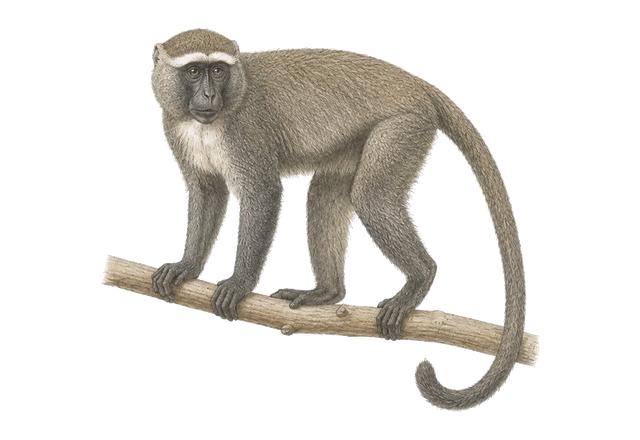
- Blue monkeyForest canopy; patient observation helps distinguish mixed primate groupsLikelihood: Occasional

Things to do in Gombe National Park
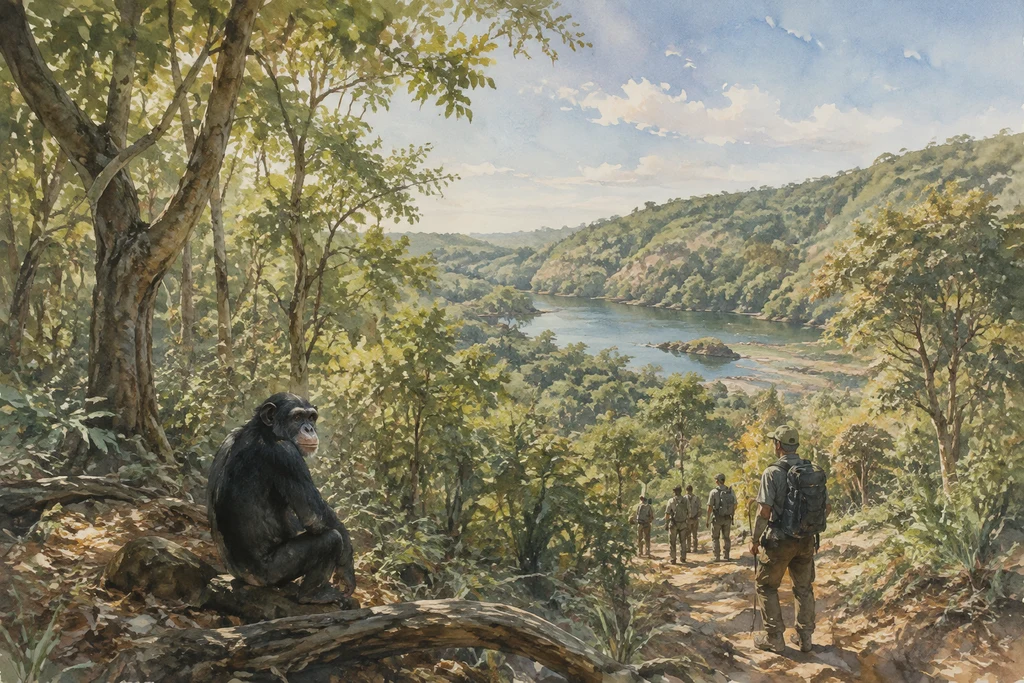
Chimpanzee tracking
Walk with the park's authorised guide through the Kasekela forest to search for a habituated chimpanzee community. The route follows the animals, so walking length and climbing effort vary rather than fitting a guaranteed short loop. Keep the encounter quiet, follow current distancing and health rules, and confirm age eligibility separately from the general park-entry fee.
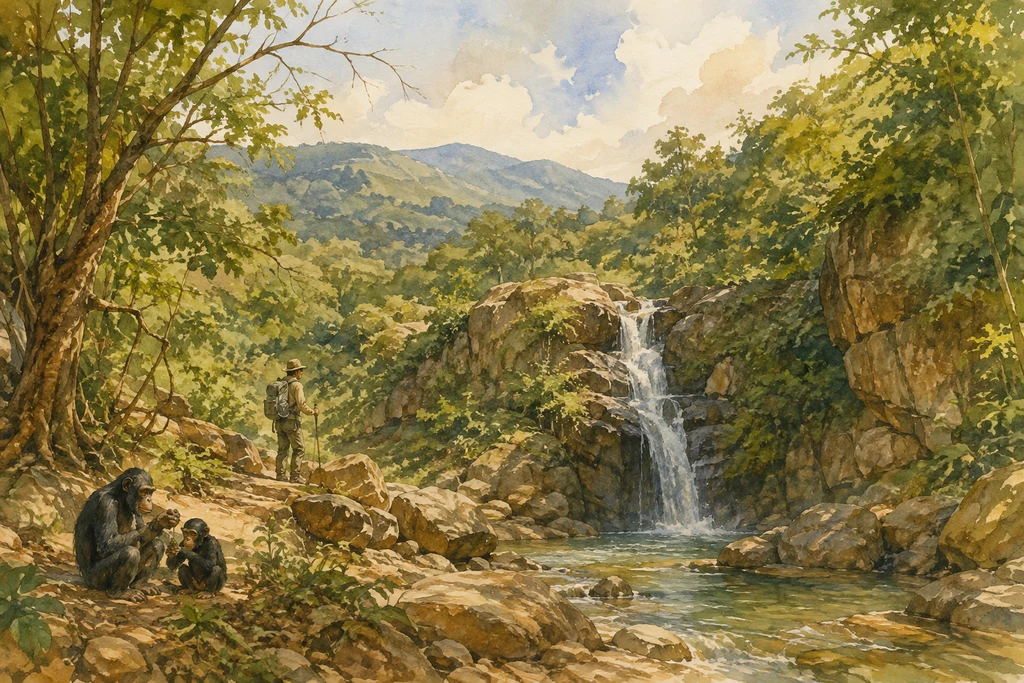
Kakombe Waterfall walk
Follow a guided forest route toward Kakombe Waterfall, where a shaded stream valley offers birds, insects and smaller primates as well as the falls themselves. Roots and wet stones call for shoes with grip. Make this a separate, manageable outing or an optional extension after tracking; do not assume every traveller will want another climb after a long chimpanzee search.
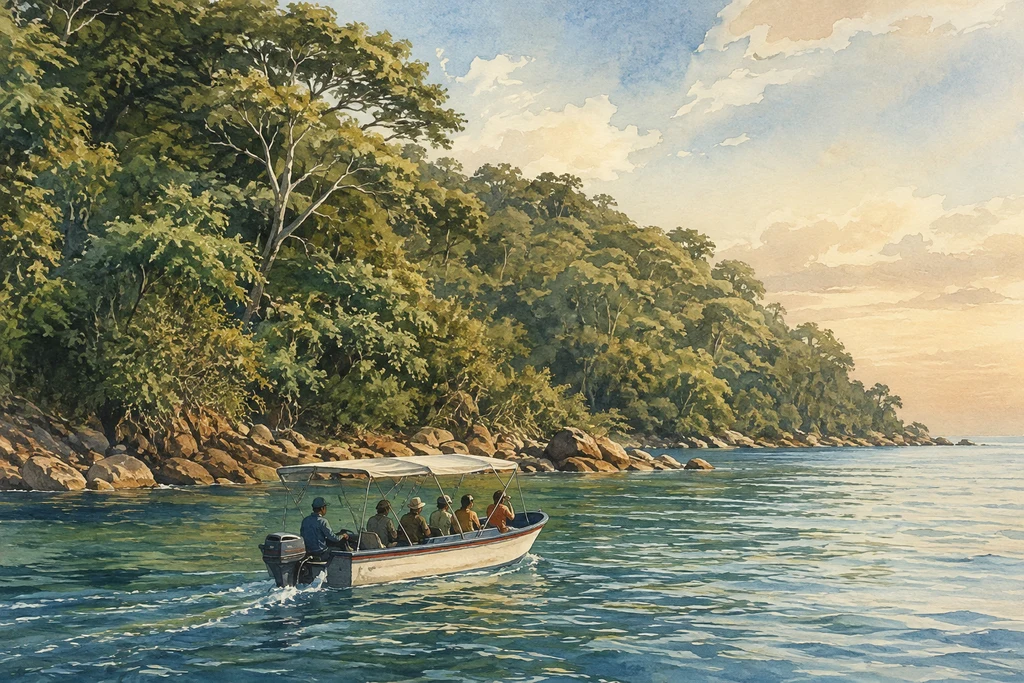
Lake Tanganyika shoreline by boat
View the forested slopes from Lake Tanganyika on a locally arranged boat outing, keeping a respectful distance from wildlife along the shore. It is a gentler complement to a strenuous tracking day and helps explain the park's narrow lake-to-ridge shape. Check wind and wave conditions with the boat crew and carry a dry bag; clear skies alone do not guarantee a smooth crossing.
Habitats and flora
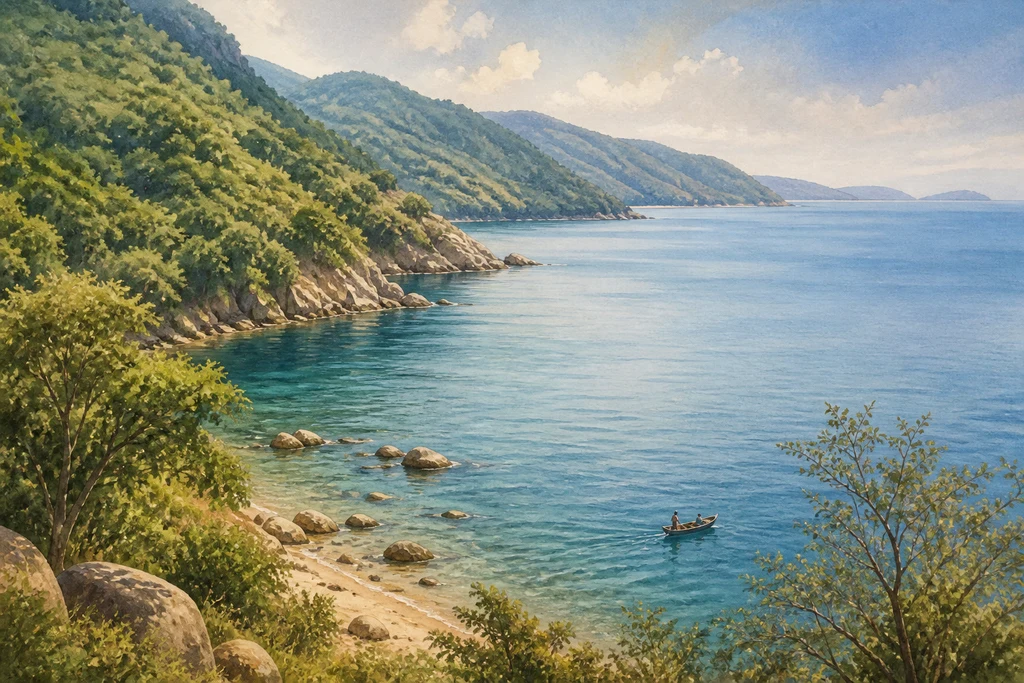
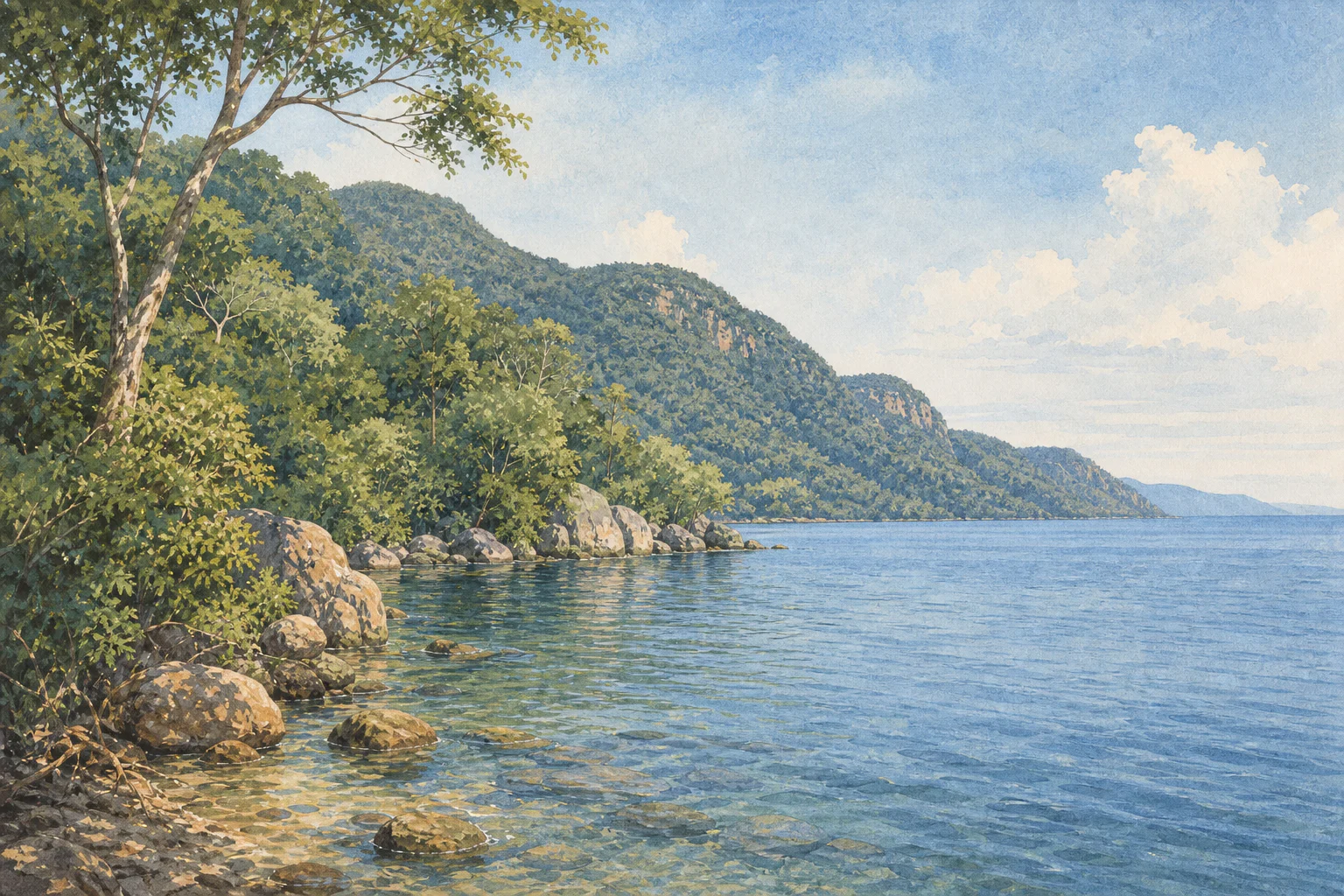
Gombe's narrow strip of lakeshore rises quickly into wooded ridges cut by steep stream valleys. Evergreen forest follows the wetter gullies, while more open woodland and grassier slopes appear higher up. The result is a compact but physically demanding landscape: chimpanzees may be close to the shore one day and feeding well uphill on another. Kakombe's waterfall provides a different view of the same water-shaped terrain, and the beach opens onto the much larger world of Lake Tanganyika. Wildlife watching here means looking into the canopy, listening and walking carefully, rather than scanning a broad savannah from a vehicle.
Park fees and restrictions
Planning reference rates · Jan 1, 2026 – Dec 31, 2026
Per person · International nonresident visitors · USD
| Visitor | Age | Park entry | Overnight fee | Camping fee |
|---|---|---|---|---|
| 1 adult | 16–99 years | USD 118 | Not available | Not available |
| 1 child | 5–15 years | USD 24 | Not available | Not available |
| 1 infant | Under 5 years | Free | Free | Free |
Tax treatment is not specified in this schedule. Overnight and camping fees are alternative additions to park entry; activity fees may apply separately.
Additional charges
- Vehicle Fee 2-3T
- USD 24 / Per vehicle in the stated weight category; confirm applicability
- MeisterCRM planning rates for foreign non-resident visitors, not an official tariff. Check the selected travel dates and age bands, and confirm final charges before booking.
- Entry is shown per person. Overnight and camping are alternative additions for the selected stay arrangement, not two charges to add together. “Not available” means a charge has not been established; it does not mean free. The planning workbook does not specify permit duration or re-entry rules; confirm the charging period and any repeat-entry fee before quoting.
- Tax treatment is unspecified. Vehicle, guide, specialist activity, transfer and other charges may apply separately. Free or child entry does not establish eligibility for a walk, canoe trip or primate activity.
- Gombe is normally reached by boat. The vehicle planning fee applies only where relevant to the booked itinerary; do not add it automatically. Boat transfers and chimpanzee activity arrangements need separate confirmation.
Official fee information
- Official TANAPA tariff verificationChecked Sep 7, 2026