
Best time and high seasonality
Compare recommended travel periods, typical demand seasons, weather comfort, and sky conditions across all twelve months.
Weather and travel guidance
January has mixed summer conditions across Tanzania. The northern circuit often receives sunny intervals between short-rain showers, the central plateau is hot, the southern and western parks are within their wetter season, and the coast or islands are hot and humid. It is a useful travel month, but not a single dry-season experience. Plan heat breaks and breathable clothing, keep light rain protection available, allow for soft unsealed roads in wetter regions, and verify current airstrip, marine and camp operations for the exact north, south, west or coast itinerary.
February is usually warm to hot, with a relative lull in rain across parts of the north while southern and western Tanzania can remain wet. The coast and islands are humid, highlands around Arusha and Ngorongoro are cooler at night, and isolated storms remain possible almost anywhere. Shoulder demand varies with route and activity. Schedule strenuous days early, combine sun protection with waterproof packing, leave buffers around remote transfers, and confirm local road, airstrip and sea conditions rather than treating northern-circuit weather as representative of the country.
March is a transition into Tanzania's long-rain period, especially in the north and along parts of the coast, while southern and western regions may already be wet. Humidity and storm frequency rise, but the onset is uneven and useful dry intervals can remain. Unsealed roads and remote airstrips may deteriorate before monthly rainfall looks exceptional. Build flexible routing, protect luggage and electronics, avoid fragile same-day connections, and ask suppliers about present camp operations, track conditions and marine departures. Rainy Season is a planning regime, not all-day rain.
April is commonly one of Tanzania's wettest months. Heavy showers, high humidity and saturated ground affect many northern, coastal and southern routes, although rainfall timing and intensity differ sharply between the Serengeti ecosystem, central plateau, southern parks and islands. Some seasonal camps or road links operate differently. Use robust rainwear and dry footwear, reduce long overland sectors, protect contingency days around airstrips and ferries, and obtain current property and access reports. Do not infer national closure or guaranteed sunshine from one regional forecast.
May usually remains within the long rains, with frequent cloud, showers and soft ground across much of northern and coastal Tanzania; the south and west follow their own transition toward drier conditions. Rain often eases later, but roads, bridges and airstrips can take time to recover. Lower demand can offer value when clients accept uncertainty. Keep itineraries flexible, confirm which camps are open, provide rain and humidity guidance, and leave transfer margins. Treat any late-May improvement as local evidence to verify, not a fixed nationwide switch on the calendar.
June marks the broad change to Tanzania's dry season. Rainfall drops across the northern circuit, central plateau and many southern areas, while the coast can still see showers and highlands turn cool at night. Landscapes may remain green and some tracks retain wet-season damage even as demand and rates rise. Carry warm dawn layers and sun protection, retain light waterproofs for coast or elevation, book constrained camps and flights early, and check actual road, airstrip and marine conditions. High season reflects demand as well as improving travel conditions.
July is broadly dry, cool and busy across Tanzania's principal inland circuits. Northern and central plains are often sunny, nights at Ngorongoro and other high elevations can be cold, the coast is warmer and humid, and southern parks have large day-to-night swings. Dust becomes a practical concern as roads dry. Reserve camps, guides and internal flights well ahead, brief clients for cold dawns as well as strong sun, and verify local wind, sea and access conditions. Excellent weather is a country-level grade, not a promise of identical temperatures or skies.
August continues Tanzania's dry high season, with mostly sunny inland conditions, cool early starts at altitude and warmer humid weather on the coast or islands. Southern and western routes are usually dry, while exposed roads become dusty and popular northern properties face tight availability. Plan layers, hydration and dust protection, secure constrained services well in advance, and separate wildlife movement claims from weather evidence. Confirm current airstrip, road, park and marine operations for each region; a dry month can still bring wind, cloud or an isolated shower.
September is dry and increasingly warm across much of inland Tanzania. Roads are generally firm but dusty, highland nights become less cold, and the coast remains humid with different wind and sea conditions. Demand stays high, especially on northern routes, while remote southern and western logistics still depend on camps and air services. Schedule heat-sensitive activity early, reserve scarce inventory well ahead, provide sun and hydration guidance, and recheck road, airstrip and marine status. Regional access and wildlife distribution remain separate itinerary questions.
October is a hot, late-dry-season transition. Northern, central and southern interiors are often sunny and dusty, but humidity builds and isolated storms may precede the short rains; coastal and island conditions follow a different pattern. High demand can continue even as heat reduces broad comfort. Plan early starts and midday rest, reinforce water and sun protection, keep light rain cover available, and secure key services early. Ask suppliers whether local rains have begun and whether water, roads, airstrips or marine activities have changed before finalising.
November commonly brings the short rains to northern Tanzania, with warm humid days, building cloud and localised thunderstorms separated by bright periods. Central and southern rainfall patterns are not identical, while the coast and islands can be especially humid. Some supplier calendars treat the month as shoulder, and operations vary by camp. Use flexible outdoor schedules, protect luggage, allow road or airstrip buffers, and verify current rainfall and access by region. A rainy icon should guide preparation, not imply continuous rain or universally poor travel.
December is part of Tanzania's wet-season pattern, but its expression is strongly regional. Short rains can continue around the northern circuit, the southern, western and central unimodal regions are entering their main rains, and the coast or islands are hot and humid. Showers and storms often alternate with bright intervals, so useful travel remains possible, while festive demand can tighten flights and rooms. Pack for heat and rain, protect luggage, and keep buffers for unsealed roads, airstrips and marine transfers. Confirm local rainfall, access and supplier operations for every sector.
- Travel recommended
- June to October, December to February
- Typical travel season
- Shoulder · November to February
- Weather comfort
- Good · January to February, October
How to read this: month icons show the typical sky and rain pattern; Weather grades broad travel comfort; Travel Seasons show typical demand and pricing. None is a forecast, and supplier periods vary.
Wildlife Overview
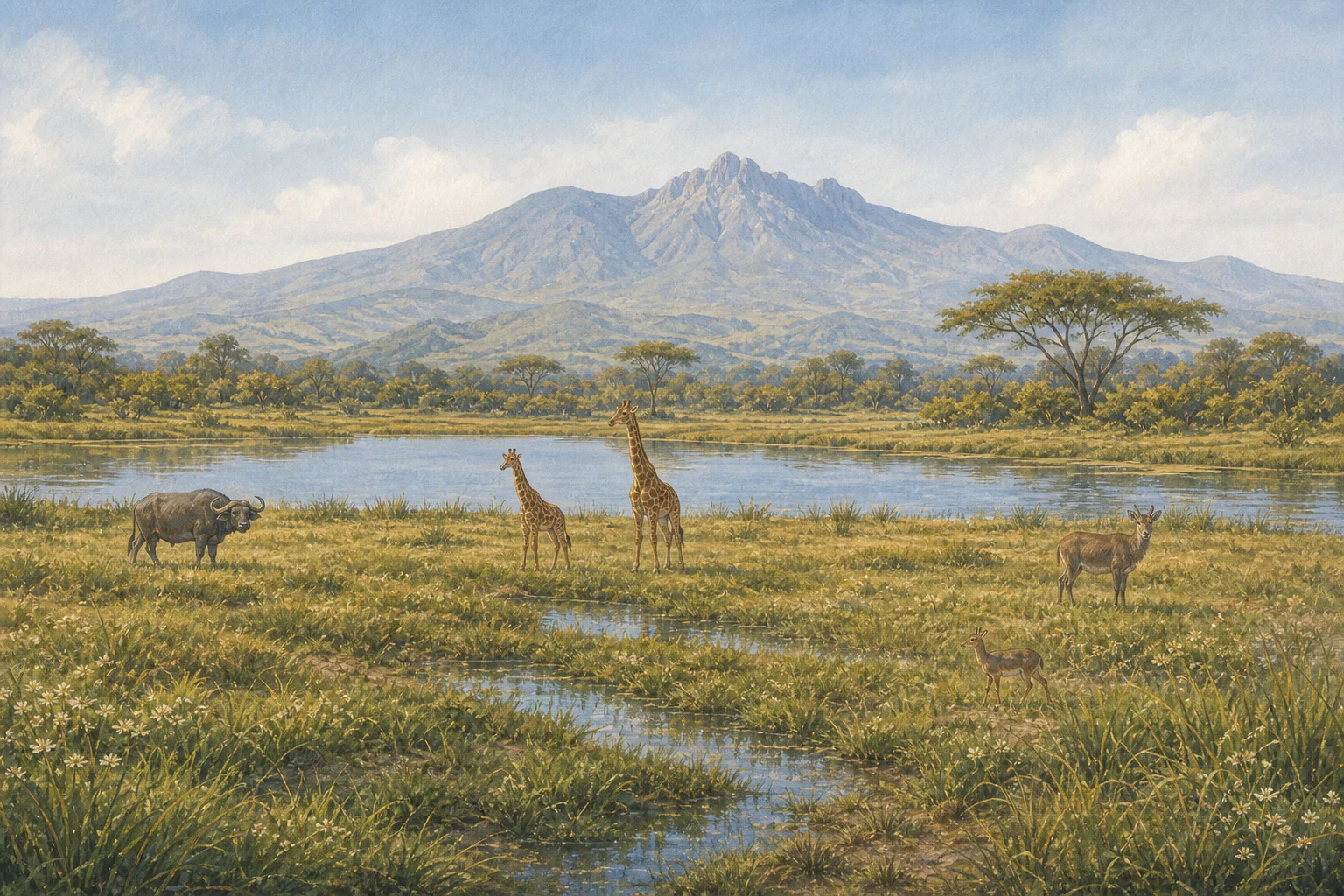
Broad planning guide for Tanzania’s principal wildlife regions. Visibility varies by reserve, habitat, season and itinerary; no sighting is guaranteed.
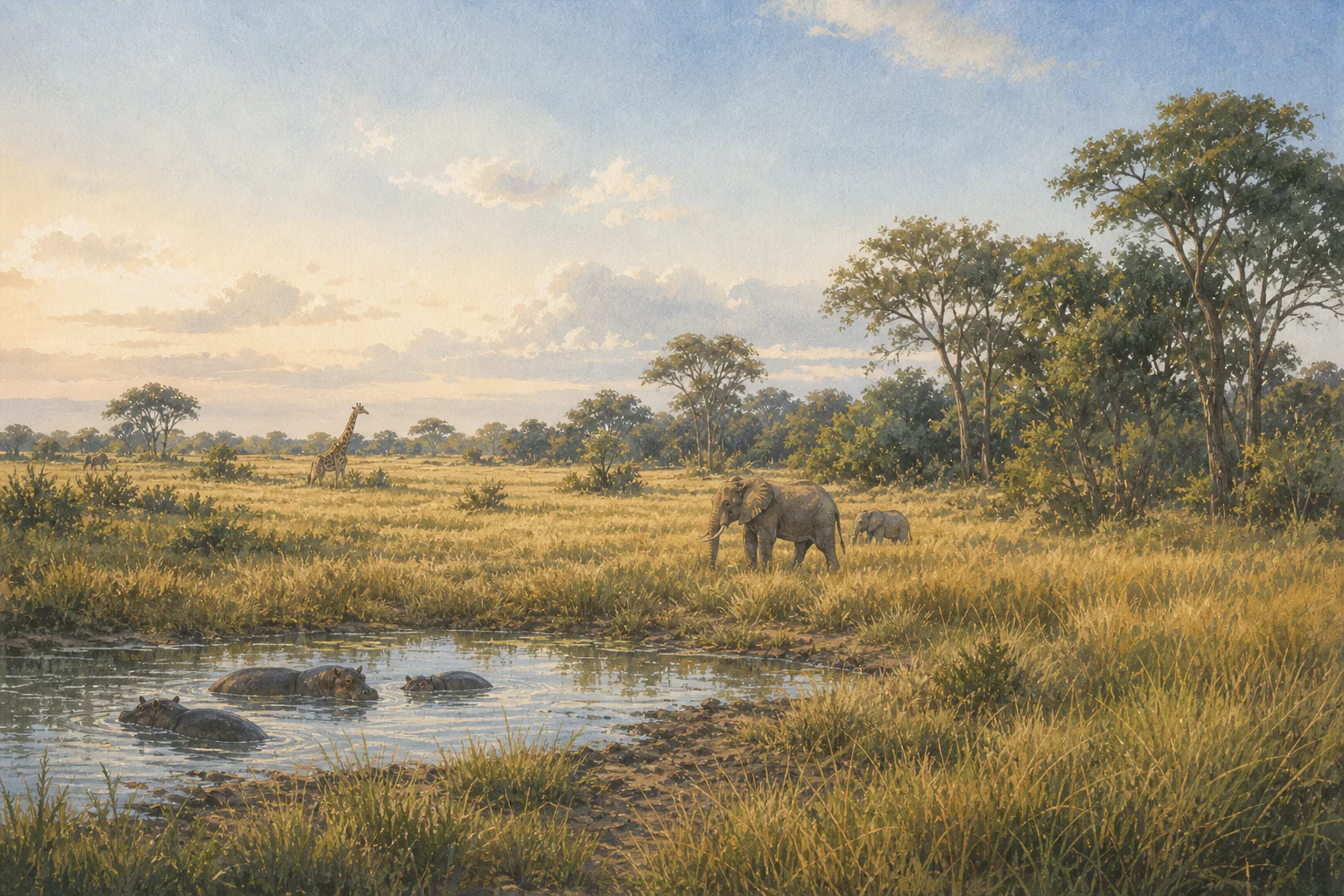
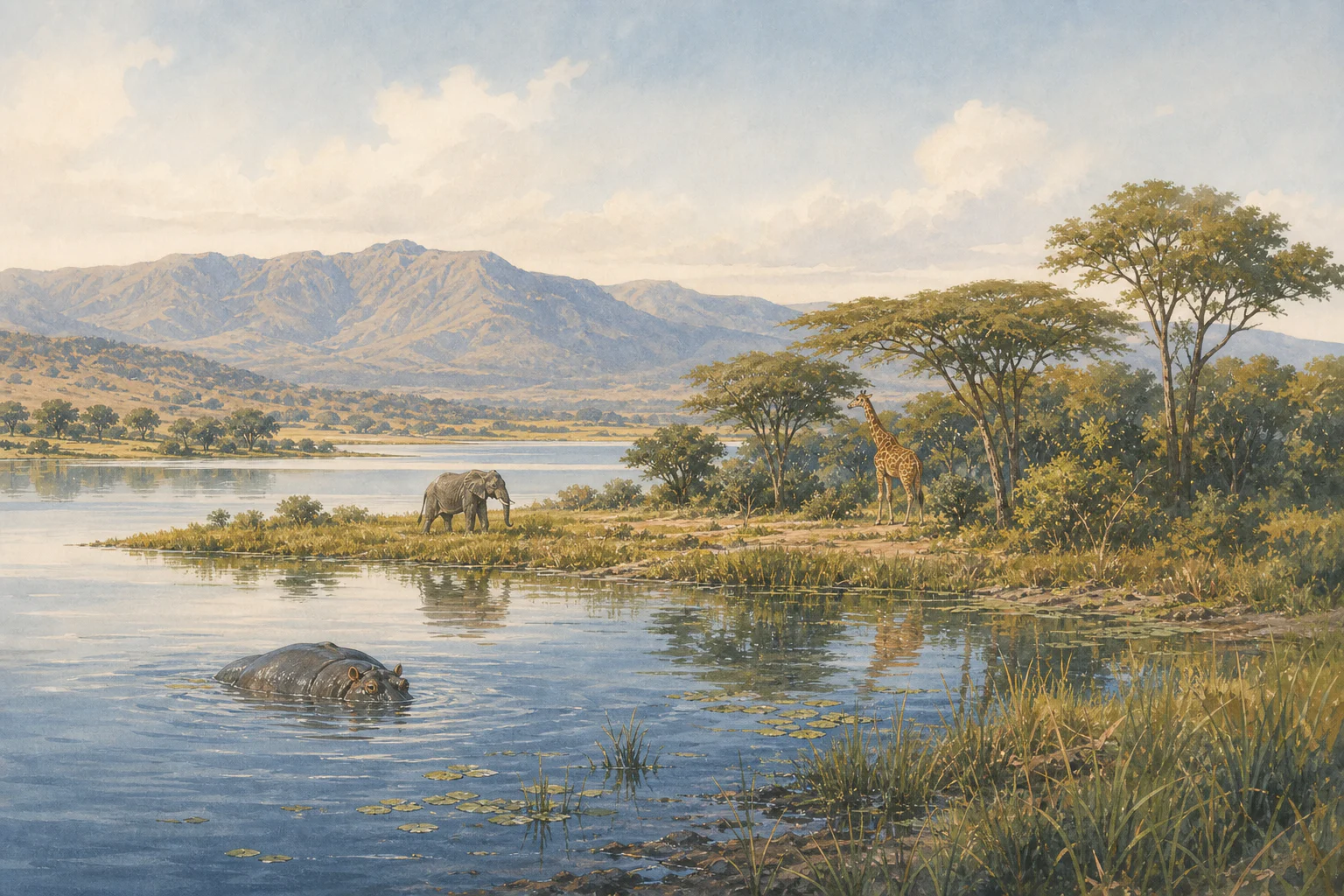
- African bush elephantTarangire, especially Jul–NovLikelihood: Abundant
- Masai giraffeNorthern and central circuitsLikelihood: Abundant
- African buffaloPrincipal savannah circuitsLikelihood: Abundant
- Plains zebraSerengeti ecosystemLikelihood: Abundant
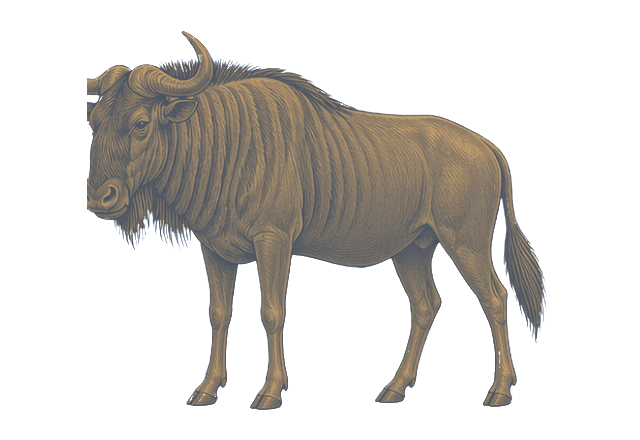
- Blue wildebeestMoving Serengeti migration routeLikelihood: Abundant
- LionSerengeti and principal circuitsLikelihood: Abundant
- Spotted hyenaSerengeti and principal circuitsLikelihood: Abundant
- Nile crocodileRufiji boat routes; Jul–Oct Katavi poolsLikelihood: Abundant
- HippopotamusRiver, lake and wetland routesLikelihood: Common
- LeopardMulti-night northern circuit; strongest around SeroneraLikelihood: Common
- CheetahSerengeti and open plainsLikelihood: Common
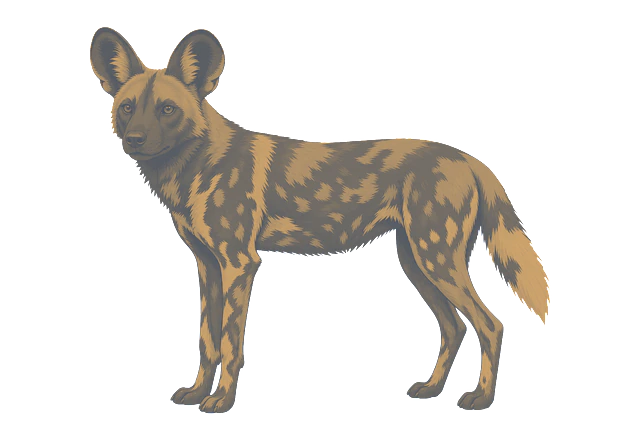
- African wild dogNyerere and Ruaha; strongest during Jun–Aug denningLikelihood: Occasional
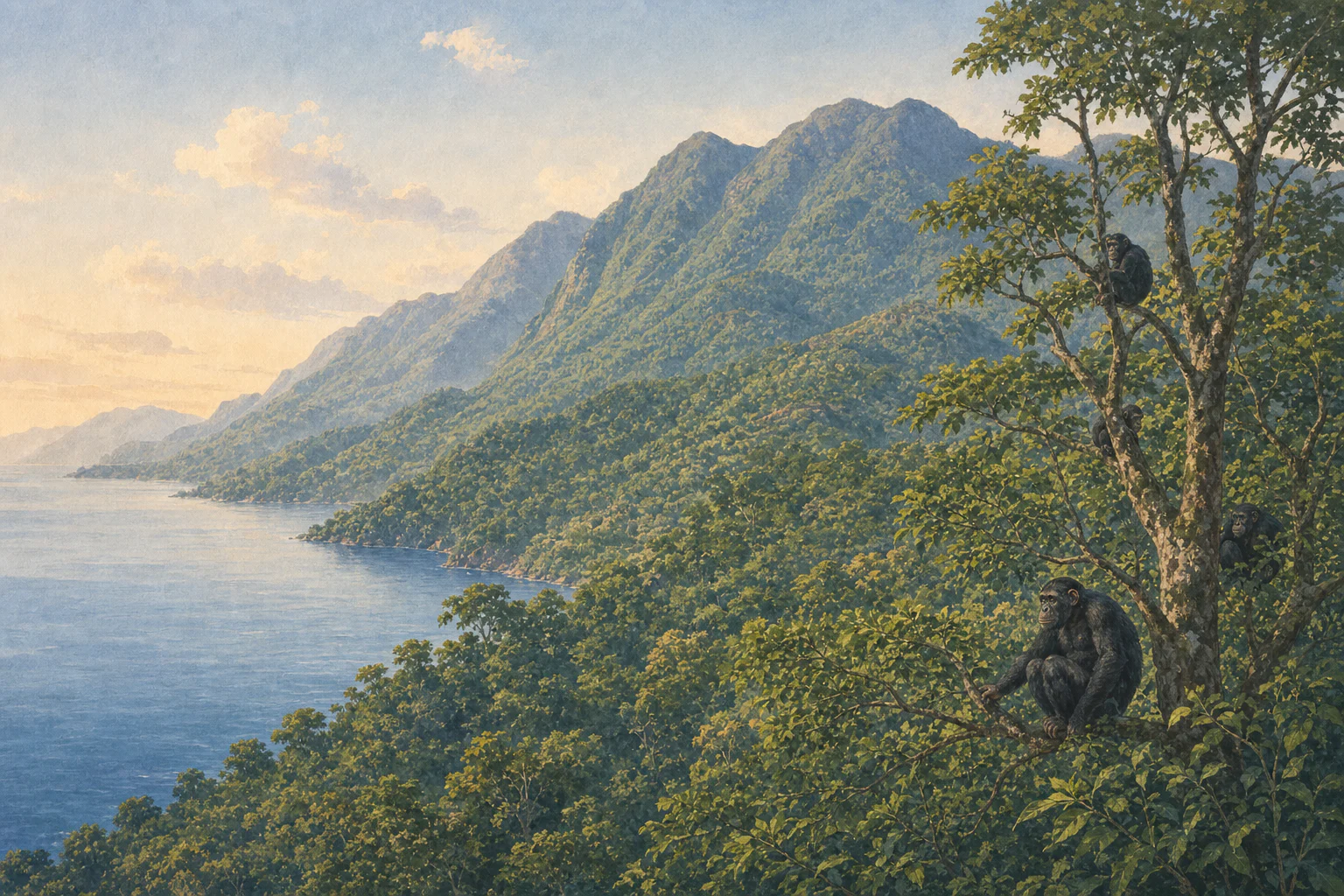
- Eastern chimpanzeeHabituated Mahale tracking; strongest Aug–OctLikelihood: Common
- Black rhinocerosSpecialist Serengeti and Ngorongoro contextLikelihood: Rare












Travel, health, visa, and entry preparation
Check each traveller's circumstances and the official sources below before booking or departure.
Travel advice
Canada advises exercising a high degree of caution in Tanzania because of crime and the threat of terrorism, with stricter restrictions near the Mozambique border in Mtwara Region.
Regional advice appliesCrime and terrorism, with armed-group activity, kidnapping risk and stricter travel restrictions in southern Mtwara Region.
- Mtwara regional restrictions
- Avoid all travel within 10 km of the Mozambique border in Mtwara Region. Avoid non-essential travel in the area south of the A19 highway down to that 10 km exclusion zone; Mtwara City remains at the countrywide high-caution level. Recheck the live boundary before every southern transfer.
- Terrorism and gatherings
- Remain alert in public places and crowded areas, follow local security instructions, and avoid demonstrations and large gatherings. Events can turn violent or disrupt traffic with little notice, and terrorist attacks cannot be ruled out.
- Crime and transport
- Use prearranged reputable transport, especially around hotels, ferry, bus and train terminals in Dar es Salaam and Zanzibar. Express kidnappings have involved taxis and ride-share drivers; keep cards and valuables discreet, avoid isolated walking after dark and do not resist armed criminals.
- Roads, parks and reserves
- Use an experienced driver and a suitable four-wheel-drive vehicle for remote or wet-season sectors, avoid driving after dark and allow for limited rural emergency support. In parks and reserves, use reputable operators, keep a safe distance from wildlife and follow park rules and wardens' instructions.
Health advice
Review vaccination, yellow fever and malaria guidance for the traveller and itinerary.
- Vaccines
- Arrange a travel-health consultation at least one month before departure. CDC recommends being current on routine vaccines and recommends hepatitis A, hepatitis B and typhoid for most travelers. CDC reports poliovirus identified in Tanzania in the past year, so a clinician should review polio vaccination and any booster; rabies vaccination depends on activities, animal-exposure risk and access to prompt care.
- Yellow fever
- CDC says yellow-fever vaccination is generally not recommended for travel to Tanzania itself. Proof is required for travelers aged 1 year or older arriving from a country with yellow-fever transmission risk, including an airport transit or layover longer than 12 hours in such a country; verify the rule for the actual route.
- Malaria
- CDC lists malaria transmission in all areas below 1,800 metres and recommends prescription prevention medicine for those areas together with mosquito-bite precautions. A qualified clinician should select medicine for the traveler and itinerary.
Consult a qualified travel-health professional for advice based on the traveller and itinerary.
Visa and entry
Verify the requirements for every traveller.
Tanzania Immigration Services operates an official online visa system for travel to both Tanzania Mainland and Zanzibar. Eligibility, visa type and whether prior referral approval is required depend on nationality, passport and purpose of travel.
Review the official visa types, required documents, visa-exempt nationalities and referral-visa list before starting. Use the government form to create an application ID, complete the form, pay the stated fee and submit online; monitor email and the official status service, and be prepared for an embassy or consular interview if requested.