
Best time and high seasonality
Compare recommended travel periods, typical demand seasons, weather comfort, and sky conditions across all twelve months.
- Average daytime high
- 29.9°C
- Average nighttime low
- 16.5°C
- Average rainfall
- 18.9 mm / month
2001–2020 climate averages for Msembe and Great Ruaha River visitor circuit. Gridded regional estimates, not a forecast or a park-wide measurement.
Weather and travel guidance
January sits within Ruaha’s green season. Around Msembe, warm days and showers contrast with the dry, bare river scenery visitors may know from photographs. Grass and foliage provide more cover, while water away from the main river allows wildlife to spread out. Birdwatching and the landscape can be strong reasons to visit, with a flexible drive plan and realistic expectations for predator searches. Confirm that the selected camp is operating, allow for muddy track sections and carry a waterproof cover on outings into the park.
February remains a rainy-season month at Msembe, with warm afternoons, humid spells and bursts of rain rather than reliably dry safari weather. The wider park is not uniform: western uplands receive more rain than the eastern valley, so one climate average cannot describe every remote circuit. Choose a base suited to the routes actually operating and build drives around local ground conditions. Leafy woodland and tall grass reward slow observation. A sheltered midday break and waterproof camera storage make the day more comfortable.
March is still part of Ruaha’s wet season, with showers maintaining green grass and leafy woodland around the Msembe area. Soft tracks and seasonal drainage crossings can limit how far a vehicle should travel, and animals are not as concentrated along the Great Ruaha as in the dry months. This suits a patient landscape-and-birding trip more than a rapid mammal checklist. Keep the day’s circuit flexible, check camp and airstrip arrangements together and avoid scheduling a long, uncertain game drive immediately before departure.
April is a late-wet-season month in Ruaha, when rain and accumulated moisture can still complicate remote tracks. The Msembe valley remains warmer than higher ground, while cloud and showers interrupt the otherwise strong sun. Green scenery and dispersed wildlife call for slower drives with time to examine woodland edges. Some camps restrict their operating season, so confirm the chosen base before arranging connections. Pack light rain protection and make access, rather than an ambitious list of distant river areas, the first planning decision.
May begins the transition towards Ruaha’s dry season. Rain generally eases, but tracks and river crossings may need time to settle after a wet spell. Around Msembe, mornings become cooler while the landscape can retain plenty of green cover; this is not yet the stark concentration of wildlife associated with September. An unhurried stay allows the guide to follow the best local circuits as conditions improve. Confirm reopening dates for seasonal camps, take a dawn layer and leave flexibility in plans for longer drives into the park.
June brings much drier conditions and some of the coolest mornings of the year around Msembe. The contrast between a chilly open-vehicle departure and a warm afternoon makes layers useful, even in a generally sunny month. Grass and smaller pools gradually dry, improving sightlines without placing all wildlife beside the main river at once. Combine the Great Ruaha corridor with accessible woodland circuits. This is a comfortable window for well-paced drives and authorised guided walks, with dusty sections becoming more common as the month progresses.
July is normally dry in Ruaha, with fresh mornings and warm, bright afternoons. It is a good month for clients who value outdoor comfort as well as wildlife, though an open vehicle can feel cold before sunrise. Around Msembe, shrinking seasonal water increasingly influences animal movements and the guide’s choice of river and woodland circuits. Carry a warm layer, protect equipment from track dust and leave time to wait at promising sites. Clear skies allow overnight cooling, so the day’s warmth is a poor guide to what to wear at dawn.
August stays predominantly dry around Msembe as daytime warmth increases. Pale grass, leaf loss and shrinking surface water improve visibility along the Great Ruaha and adjoining seasonal river systems. Water availability varies locally, so a known river name should not be read as a promise of continuous flowing water. Work with a guide who can adjust the circuit, and plan the longest outing early. Dust protection for cameras and a shaded midday pause become increasingly useful, while a light warm layer still helps on dawn drives.
September is usually dry and warmer in Ruaha’s Msembe valley. Sparse vegetation and limited water can concentrate wildlife activity, making patient river-corridor viewing attractive, but afternoon heat and dusty travel deserve equal weight in the itinerary. Start early, return to shade for lunch and reserve a shorter outing for the later hours. The Great Ruaha and seasonal sand rivers do not have uniform water conditions throughout the park. Follow local guidance on productive areas rather than attempting long distances between familiar names.
October is a hot, dry-season finale around Msembe, often with little rain until late-month storms or a later seasonal onset. Exposed riverbeds and tracks can feel markedly hotter than shaded camp areas, and dust is a normal part of driving. Wildlife may remain focused around surviving water, but comfort requires deliberate pacing. Give the morning drive priority, avoid strenuous midday plans and carry ample drinking water. The wider western highlands differ from this valley setting, so do not apply the same heat expectation to every Ruaha sector.
November is Ruaha’s weather changeover, with intense heat before the rains and increasing chances of thunderstorms as the month progresses. Around Msembe, the first substantial showers can green the ground quickly and change both wildlife movements and track surfaces. The timing is variable, so the visit may feel like late dry season, early wet season or a mixture. Keep active outings early, carry rain protection and use flexible drive routes. Confirm the camp’s closing dates and avoid presenting this month as consistently dry or consistently wet.
December usually brings Ruaha back into its rainy season. Around Msembe, hot periods alternate with cloud and showers, while grass growth and filling seasonal water sources draw animals across a wider area. The landscape is greener and often rewarding for birds, but vegetation can make large-mammal searches slower. Plan a comfortable base with sheltered rest time and confirm which tracks and camps are operating. Use waterproof bags for electronics, allow for soft ground and keep the schedule adaptable rather than relying on a fixed dry-season circuit.
- Travel recommended
- May to October
- Typical travel season
- Shoulder · May to June, November to February
- Weather comfort
- Good · May, September to October
How to read this: month icons show the typical sky and rain pattern; Weather grades broad travel comfort; Travel Seasons show typical demand and pricing. None is a forecast, and supplier periods vary.
Wildlife Overview
Wildlife to look for in Ruaha National Park. Labels describe typical encounters in suitable habitat; season, conditions and time spent exploring all make a difference.
- African bush elephantRiver-linked and woodland habitats on the main safari circuitsLikelihood: Common
- Masai giraffeWoodland and open browsing habitat around visitor areasLikelihood: Common
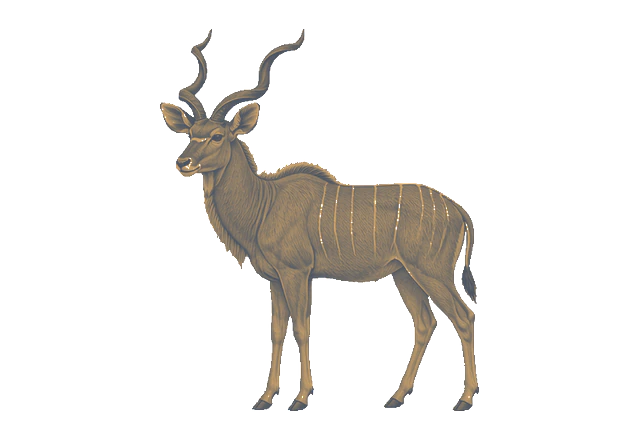
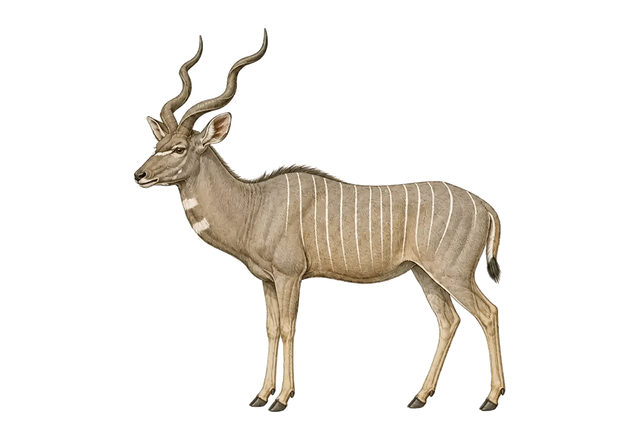
- Greater kuduWooded slopes and bush around the main safari sectorsLikelihood: Common
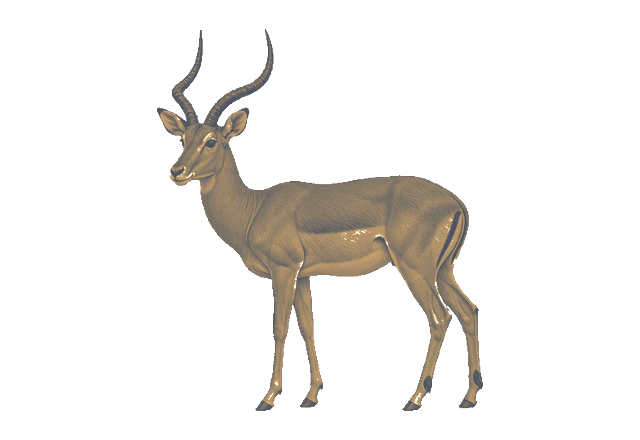
- ImpalaOpen woodland and river marginsLikelihood: Common
- African buffaloSuitable woodland and water-linked grazing areasLikelihood: Common
- LionMain river and woodland safari sectors; pride locations changeLikelihood: Common
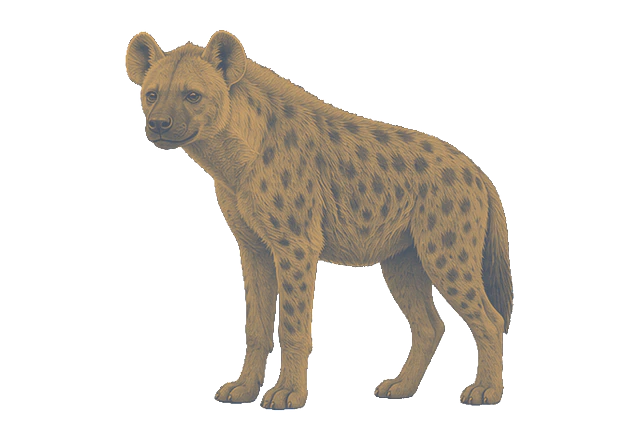
- Spotted hyenaOpen and river-linked areas, especially around active prey populationsLikelihood: Common
- LeopardRiverine trees and concealing woodlandLikelihood: Occasional
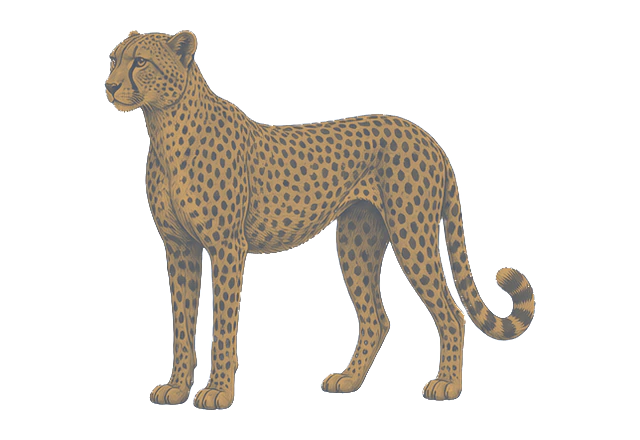
- CheetahOpen-country patches; sparse distributionLikelihood: Occasional
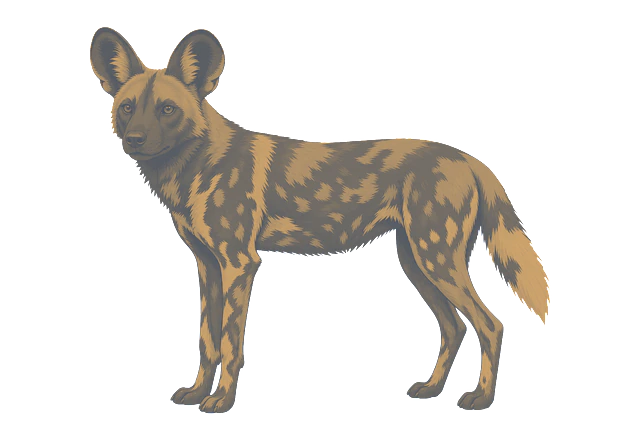
- African wild dogWide-ranging packs; recent local reports are importantLikelihood: Occasional
- Lesser kuduThicker bush habitat; less conspicuous than greater kuduLikelihood: Occasional
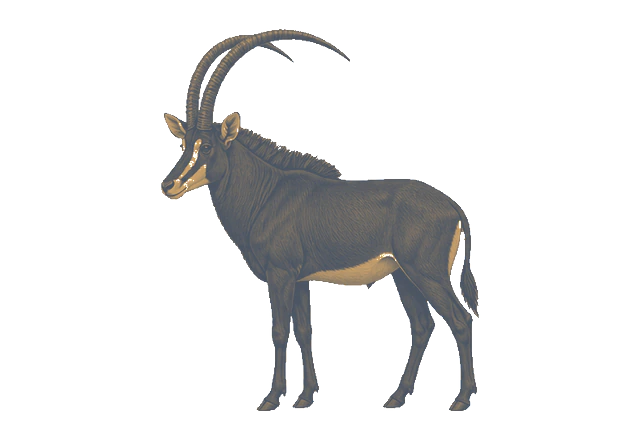
- Sable antelopeLocalised woodland sectors, away from many standard river drivesLikelihood: Rare





Things to do in Ruaha National Park
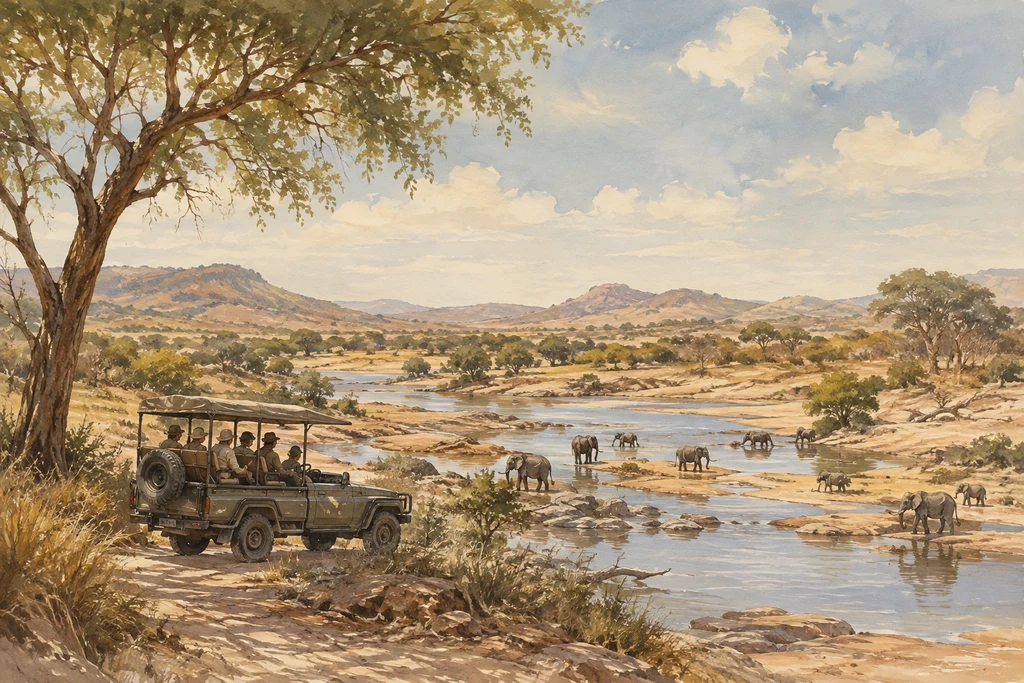
Great Ruaha River game drives
Work the authorised river and tributary circuits around the chosen camp, stopping where water, shade and grazing habitat meet. In dry conditions these areas can be productive for elephants, antelope and predators, but the river's surface flow varies. Start early and allow a midday break in the hotter months. Local guide reports are more useful than repeatedly returning to one photographed river bend.
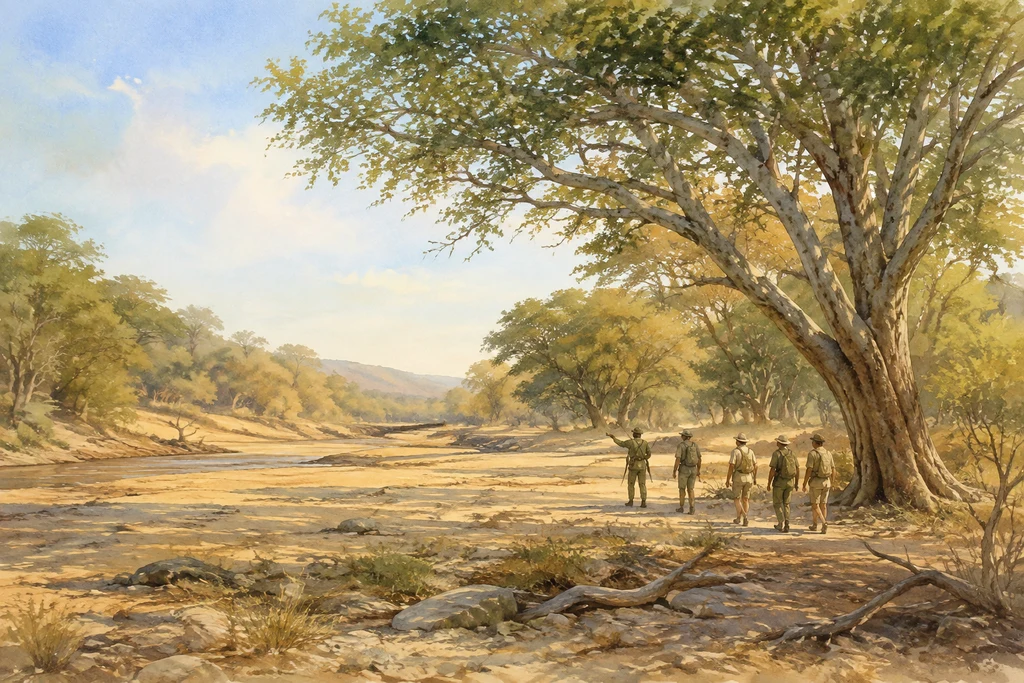
A guided walking safari
Explore an authorised route on foot with a ranger and guide, reading tracks and noticing the plants and smaller wildlife hidden by a vehicle's pace. A Ruaha walk needs a suitable operator arrangement and participants comfortable with uneven ground. Confirm age and fitness requirements, carry water and use the cooler hours. The guide may adjust the route around heat, wildlife and recent weather.
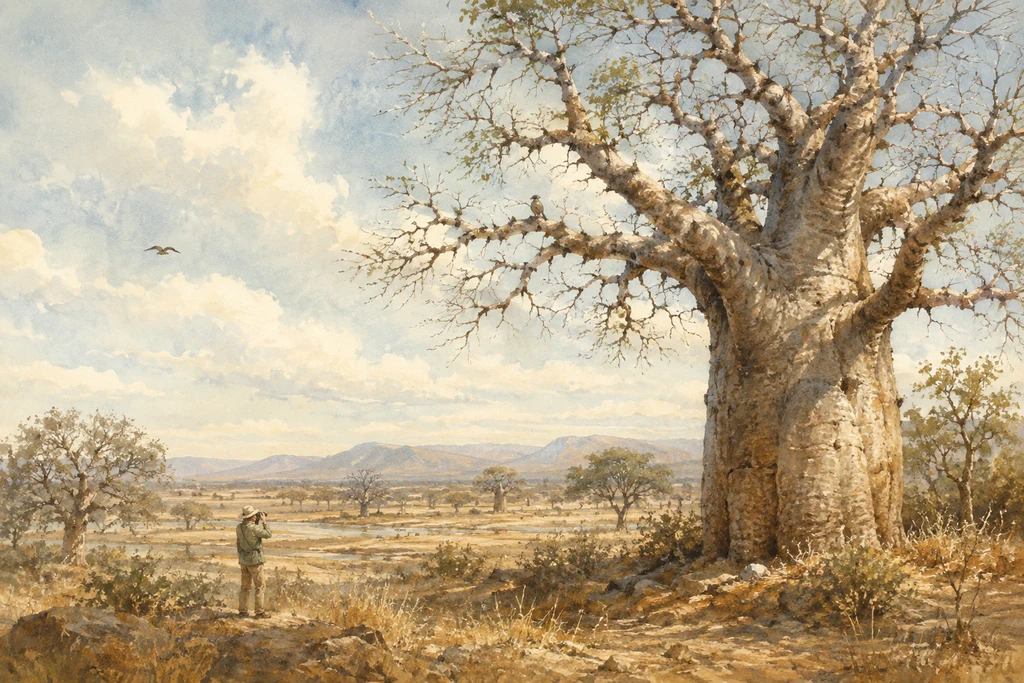
Birding in baobab and woodland country
Slow down in the park's baobab-studded and wooded habitats to look for raptors, hornbills and the birds using flowering or fruiting trees. This adds a different rhythm to a safari dominated by river drives and big mammals. Binoculars and a guide attentive to calls are helpful. Keep stops on approved routes and choose a quiet morning rather than the least comfortable part of a hot afternoon.
Habitats and flora
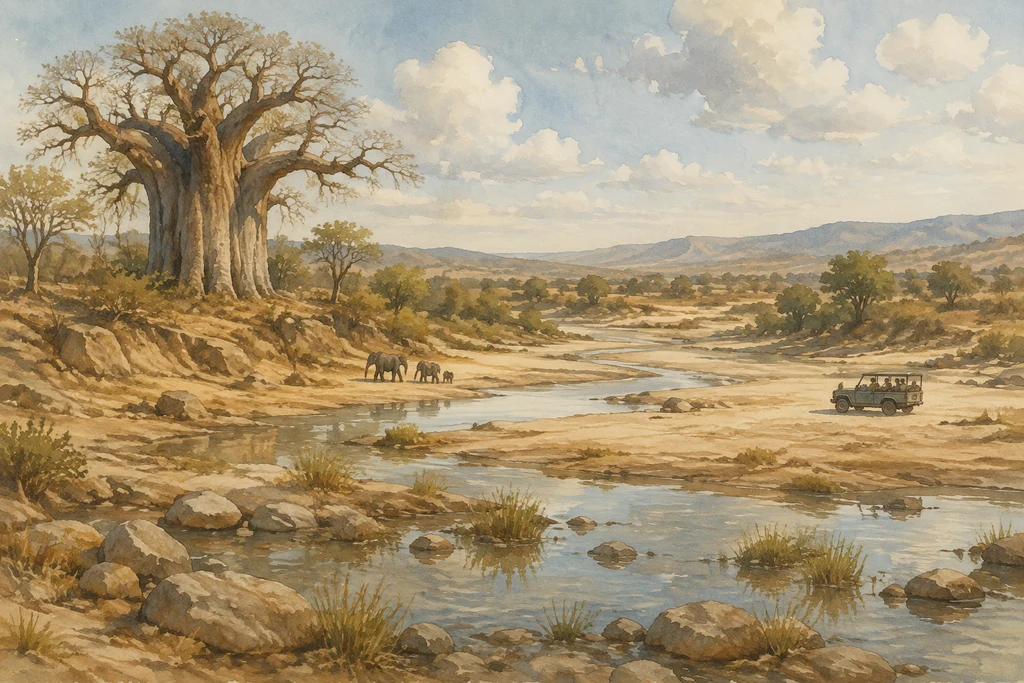
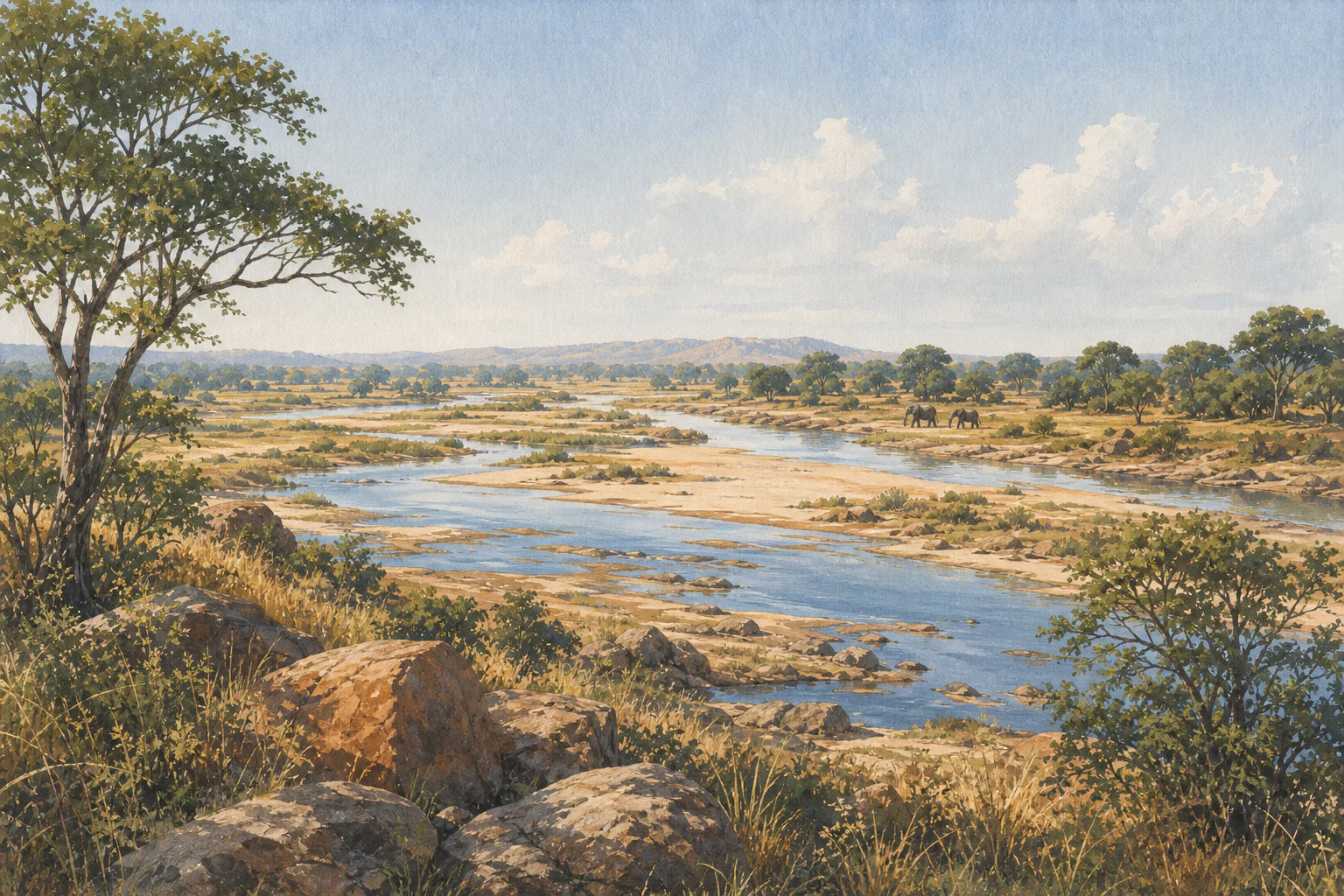
Ruaha combines dry river country with rocky outcrops, baobab-dotted savannah and extensive woodland. Along the main Msembe circuit, the Great Ruaha and its tributaries draw attention to changing water availability, while shaded riverine vegetation contrasts with open, sunlit ground. Away from these well-used routes, miombo and thicker bush create habitat for different antelope and less easily seen wildlife. The long dry season makes this contrast particularly visible, but a river line on the map is not a guarantee of continuous surface flow. A varied itinerary samples woodland as well as river margins instead of staying at one familiar water viewpoint.
Park fees and restrictions
Planning reference rates · Jan 1, 2026 – Dec 31, 2026
Per person · International nonresident visitors · USD
| Visitor | Age | Park entry | Overnight fee | Camping fee |
|---|---|---|---|---|
| 1 adult | 16–99 years | USD 36 | Not available | Not available |
| 1 child | 5–15 years | USD 12 | Not available | Not available |
| 1 infant | Under 5 years | Free | Free | Free |
Tax treatment is not specified in this schedule. Overnight and camping fees are alternative additions to park entry; activity fees may apply separately.
Additional charges
- Vehicle Fee 2-3T
- USD 24 / Per vehicle in the stated weight category; confirm applicability
- MeisterCRM planning rates for foreign non-resident visitors, not an official tariff. Check the selected travel dates and age bands, and confirm final charges before booking.
- Entry is shown per person. Overnight and camping are alternative additions for the selected stay arrangement, not two charges to add together. “Not available” means a charge has not been established; it does not mean free. The planning workbook does not specify permit duration or re-entry rules; confirm the charging period and any repeat-entry fee before quoting.
- Tax treatment is unspecified. Vehicle, guide, specialist activity, transfer and other charges may apply separately. Activity eligibility and any minimum age must be checked separately from admission.
Official fee information
- Official TANAPA tariff verificationChecked Sep 7, 2026