
Best time and high seasonality
Compare recommended travel periods, typical demand seasons, weather comfort, and sky conditions across all twelve months.
- Average daytime high
- 26.6°C
- Average nighttime low
- 21.5°C
- Average rainfall
- 96.4 mm / month
2001–2020 climate averages for Rubondo Island and adjacent Lake Victoria grid cell. Gridded regional estimates, not a forecast or a park-wide measurement.
Weather and travel guidance
January is warm and humid on Rubondo, with a relative easing after the wetter end of the year but a continuing chance of showers. Forest paths can remain damp beneath the canopy even when the lakeshore is bright. Lake Victoria can develop squalls independently of conditions at camp, so boat transfers need local weather checks. Pack quick-drying clothes, waterproof bags and footwear with grip. Keep guided forest outings flexible; chimpanzee tracking depends on current arrangements and animal movements, not simply a break in the rain.
February can provide useful bright intervals between Rubondo’s wetter seasons, although rainfall remains part of normal island conditions. Humidity is noticeable in the forest, and shaded paths may be slippery after a passing shower. Warm lakeside weather should not be read as a promise of calm water for every boat journey. Plan walks for comfortable morning conditions, carry drinking water and protect electronics during crossings. Confirm the day’s lake and trail conditions with your guide before combining a forest activity with a timed transfer.
March brings a greater likelihood of rain as Rubondo’s long-rains period develops. Forest vegetation is lush, with warm, humid conditions and muddy or slippery stretches underfoot. Heavy showers may interrupt walking and boat activities, while lake wind can make a short crossing uncomfortable even without rain overhead. Leave generous margins around transfers and avoid tightly linking an excursion to a departure flight. Carry a breathable waterproof layer and dry storage for equipment, and confirm which guided trails are suitable after recent rainfall.
April is normally one of Rubondo’s wetter months, with frequent cloud, humid air and rain that can leave forest trails saturated. The island remains green and rich in birdlife, but walking comfort and safe lake crossings require more flexibility than in the dry season. Allow time for activities to move around storms rather than assuming a fixed daily programme. Good-grip footwear, spare dry clothing and waterproof luggage are practical essentials. Check boat operations and accommodation availability before selling an itinerary with closely timed connections.
May sees Rubondo's long rains retreat gradually, but the forest can remain damp and trails slippery between brighter spells. Rubondo Island Camp normally closes through April and May, so a May booking needs an explicitly confirmed alternative rather than an assumed early reopening. Improving weather alone does not establish accommodation, guide or chimpanzee-programme availability. Keep waterproof protection for boat transfers and allow for changing lake conditions. For the usual camp-based forest-and-lake itinerary, June is a more practical starting point.
June usually brings a marked reduction in rain on Rubondo, with brighter days and increasingly workable forest paths. The shaded interior remains humid, while the lakeshore can feel fresher in a breeze. Occasional showers still occur, and open water may become choppy even on a sunny day. This is a useful period for combining guided walks, birdwatching and permitted boat activities without assuming every crossing will be calm. Pack sun protection for the lake, a light layer for early starts and waterproof covers that remain easy to reach.
July is generally Rubondo’s driest month, improving the chances of comfortable forest walks and uninterrupted outdoor plans. Mornings on Lake Victoria can feel pleasantly cool, with warmth building away from the breeze. Forest shade reduces direct sun but does not remove humidity or uneven footing. Carry water on guided walks and protect exposed skin during boat trips. Let the boat operator judge wind and lake conditions before each departure, and keep wildlife expectations realistic: dense forest and moving animals still make every outing different.
August remains comparatively dry on Rubondo, although showers become more plausible than in the driest part of July. Forest trails are often manageable, with warm days and a cooler feel beside the lake early or late. A brief shower can quickly make roots and shaded slopes slippery, so walking shoes are more useful than beach footwear inland. Keep some space in the programme for changing lake conditions and pack rain protection for crossings. Book specialist guided activities in advance and reconfirm them locally rather than assuming weather alone determines access.
September is a transition month on Rubondo, with rainfall tending to increase and the island becoming more changeable. Bright, warm periods can alternate with showers, leaving forest paths damp even after the sky clears. Lake wind and thunderstorms may affect transfers differently from conditions around camp. Plan walks around the latest local assessment and allow buffer time before departures. Use quick-drying layers and waterproof bags, and keep boat-based activities flexible rather than describing September as an extension of reliably dry July conditions.
October commonly brings a renewed wet-season pattern to Rubondo, with more cloud, humid forest conditions and an increasing chance of heavy showers. Walking routes may be slow where rain collects, and exposed boat journeys need careful attention to developing storms. Wildlife and birdwatching remain rewarding interests, but activities should be planned around safe access rather than a rigid checklist. Carry footwear with reliable grip, protect luggage against spray and rain, and confirm current transfers and guided excursions before finalising a short island stay.
November is often Rubondo’s wettest month, so persistent dampness and disruptive showers deserve a clear place in the itinerary. Forest paths can become muddy, and lake storms may require boat trips or transfers to be delayed. Warm air and high humidity make breathable clothing useful even when rain protection is necessary. Build generous connection margins, check accommodation and activity operations, and avoid promising a full schedule every day. Chimpanzee tracking remains a guided, conditional activity with no guaranteed sighting or fixed search duration.
December remains wet and humid on Rubondo, although there can be bright intervals between substantial showers. The forest is lush, with slippery roots and muddy sections possible on walking trails; lakeside sunshine does not rule out an approaching squall. Keep transfer arrangements flexible and ask the operator about wind and storm conditions before boat departures. Pack dry bags, light waterproof clothing and a spare change of clothes. Allow time to enjoy shorter guided outings when conditions suit instead of relying on a tightly packed activity timetable.
- Travel recommended
- January to February, June to October
- Typical travel season
- Shoulder · June, November to February
- Weather comfort
- Good · January to February, September to October
How to read this: month icons show the typical sky and rain pattern; Weather grades broad travel comfort; Travel Seasons show typical demand and pricing. None is a forecast, and supplier periods vary.
Wildlife Overview
Wildlife to look for in Rubondo Island National Park. Labels describe typical encounters in suitable habitat; season, conditions and time spent exploring all make a difference.
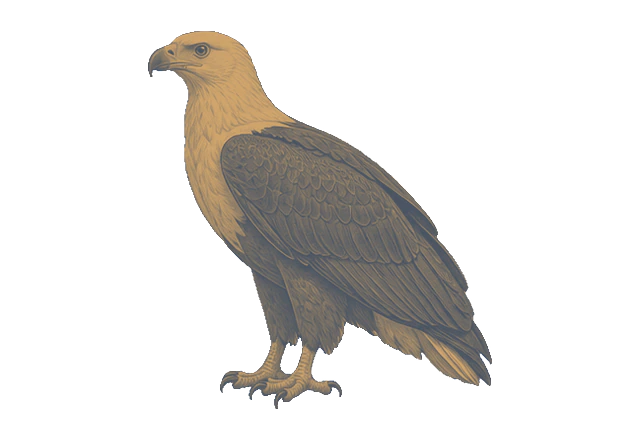
- African fish eagleLake Victoria shoreline and suitable boat routesLikelihood: Abundant
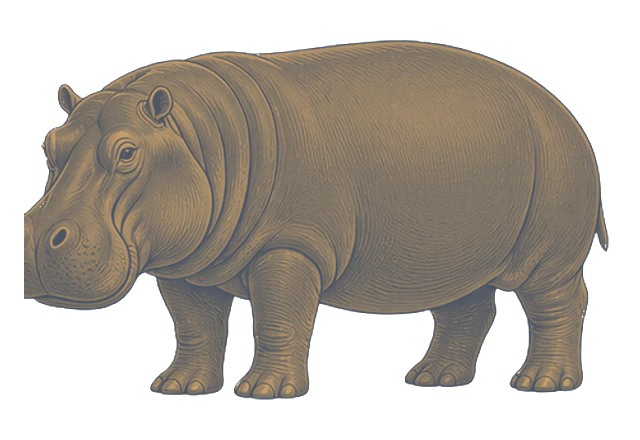
- HippopotamusSuitable lakeshore habitat, viewed only from approved safe positionsLikelihood: Common
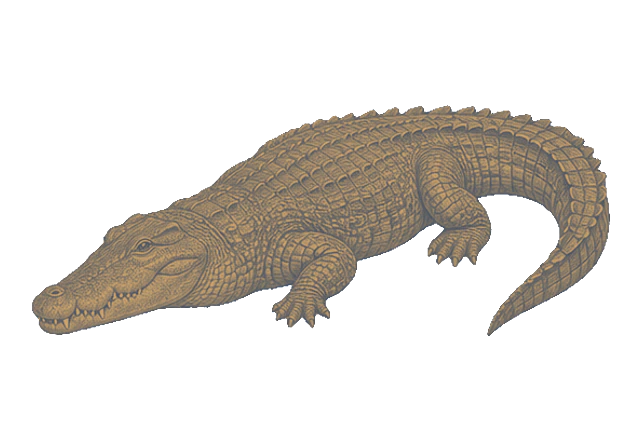
- Nile crocodileLake margins and suitable island shoreline habitatLikelihood: Common
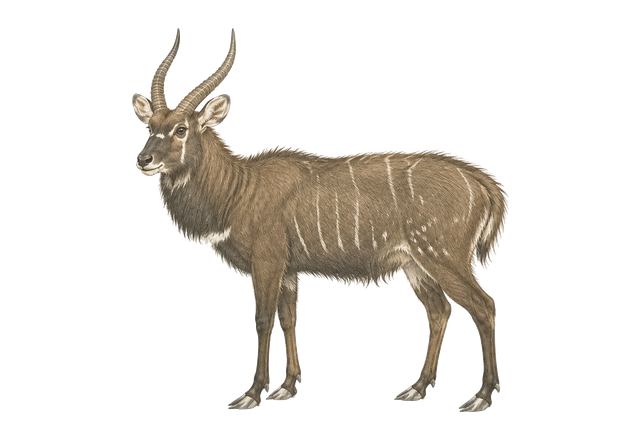
- SitatungaDense swamp and lakeside vegetation; naturally elusiveLikelihood: Occasional
- ChimpanzeeMixed West/Central ancestry; introduced, authorised visits, no assured sightingLikelihood: Occasional
- African bush elephantIntroduced island population, often concealed in forestLikelihood: Rare


Things to do in Rubondo Island National Park
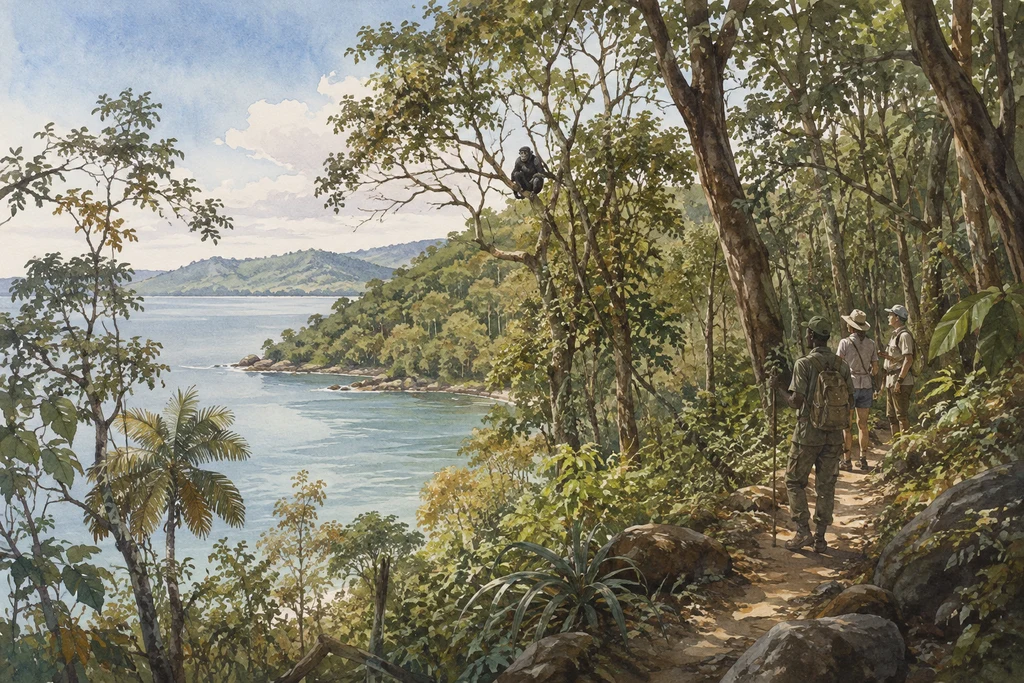
A forest chimpanzee experience
Arrange the currently authorised chimpanzee activity with the park and camp, confirming whether the programme and participant eligibility suit the travellers. Rubondo's forest population and habituation history differ from Gombe and Mahale, so do not assume the same encounter reliability or walking effort. Follow the guide's health and distance rules and allow for a search that may not find chimpanzees.
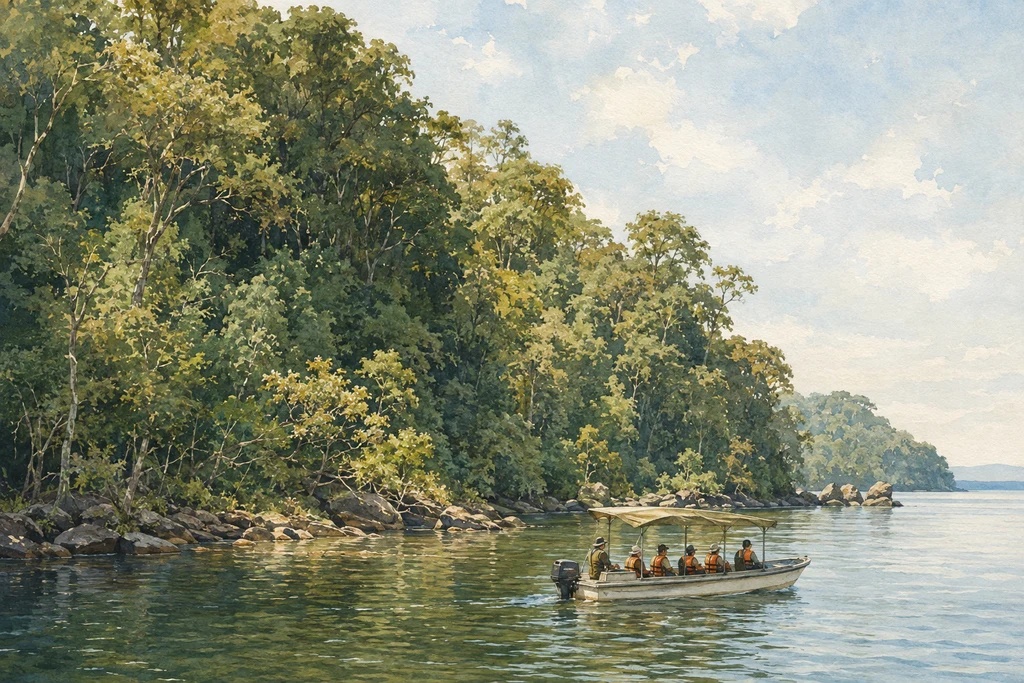
A Lake Victoria boat safari
Take an authorised boat outing along suitable island shores to look for fish eagles, waterbirds and wildlife using the lake margin. The forested coastline gives a different perspective from the walking trails inland. Let wind, waves and the permitted operating area determine the route, and wear the supplied life jacket. This is a wildlife-viewing excursion, not an invitation to swim from the boat.
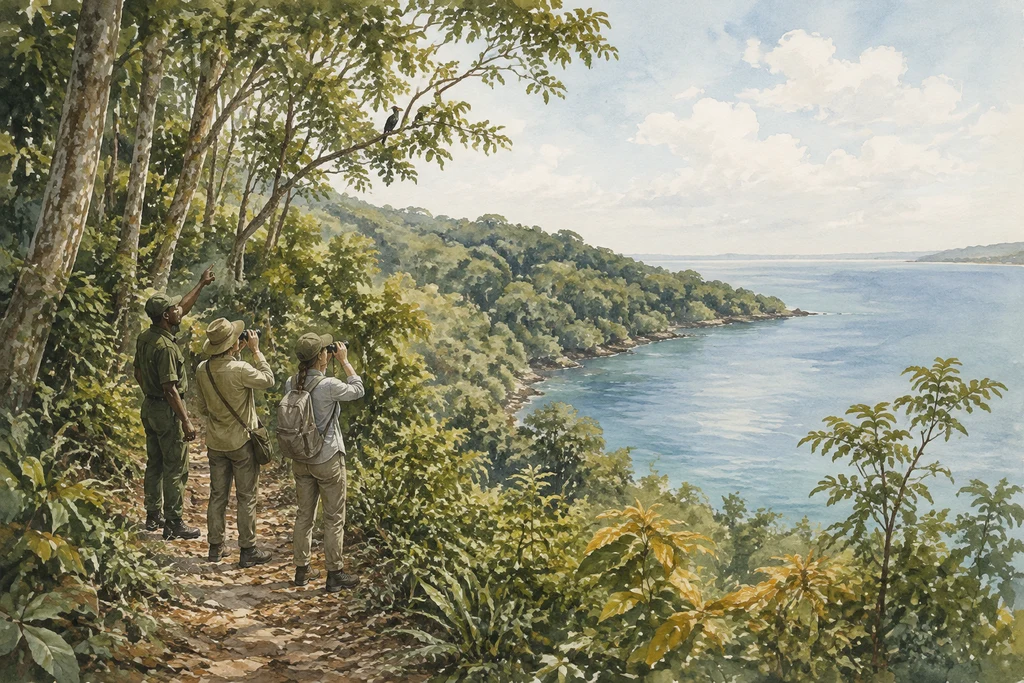
Forest and shoreline birding
Walk a suitable guided route through forest and lake-edge habitat, using quiet stops to follow calls and canopy movement. Rubondo rewards binoculars and patience more than a fast checklist of large mammals. Footing can stay damp after rain, so wear grippy shoes and protect equipment. Match the route to the group's stamina and avoid assuming that a short map distance means an effortless walk.
Habitats and flora
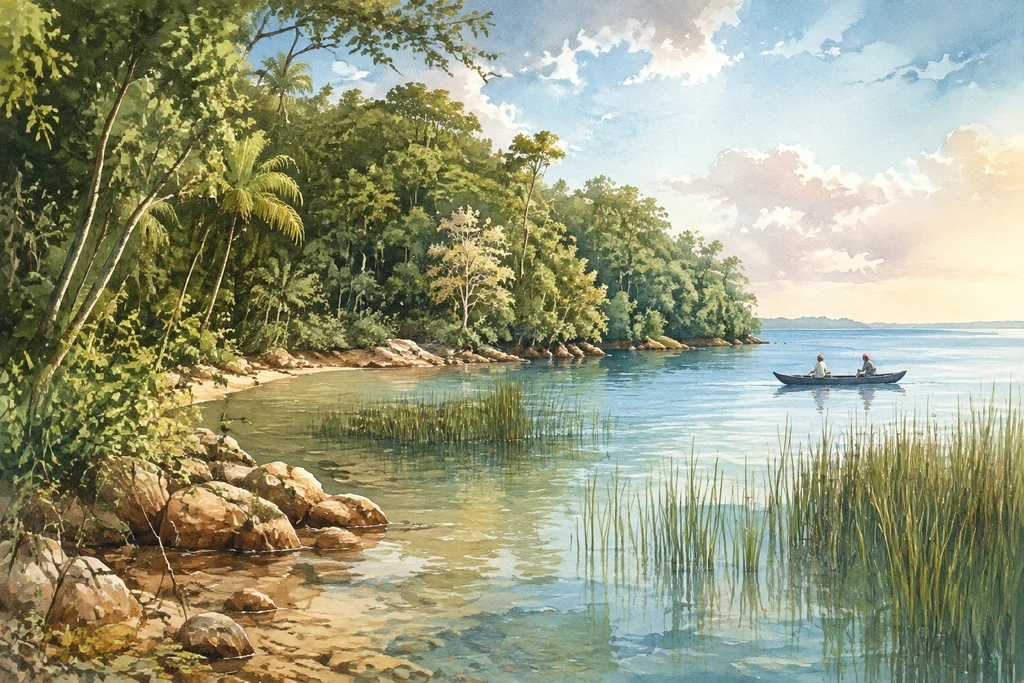
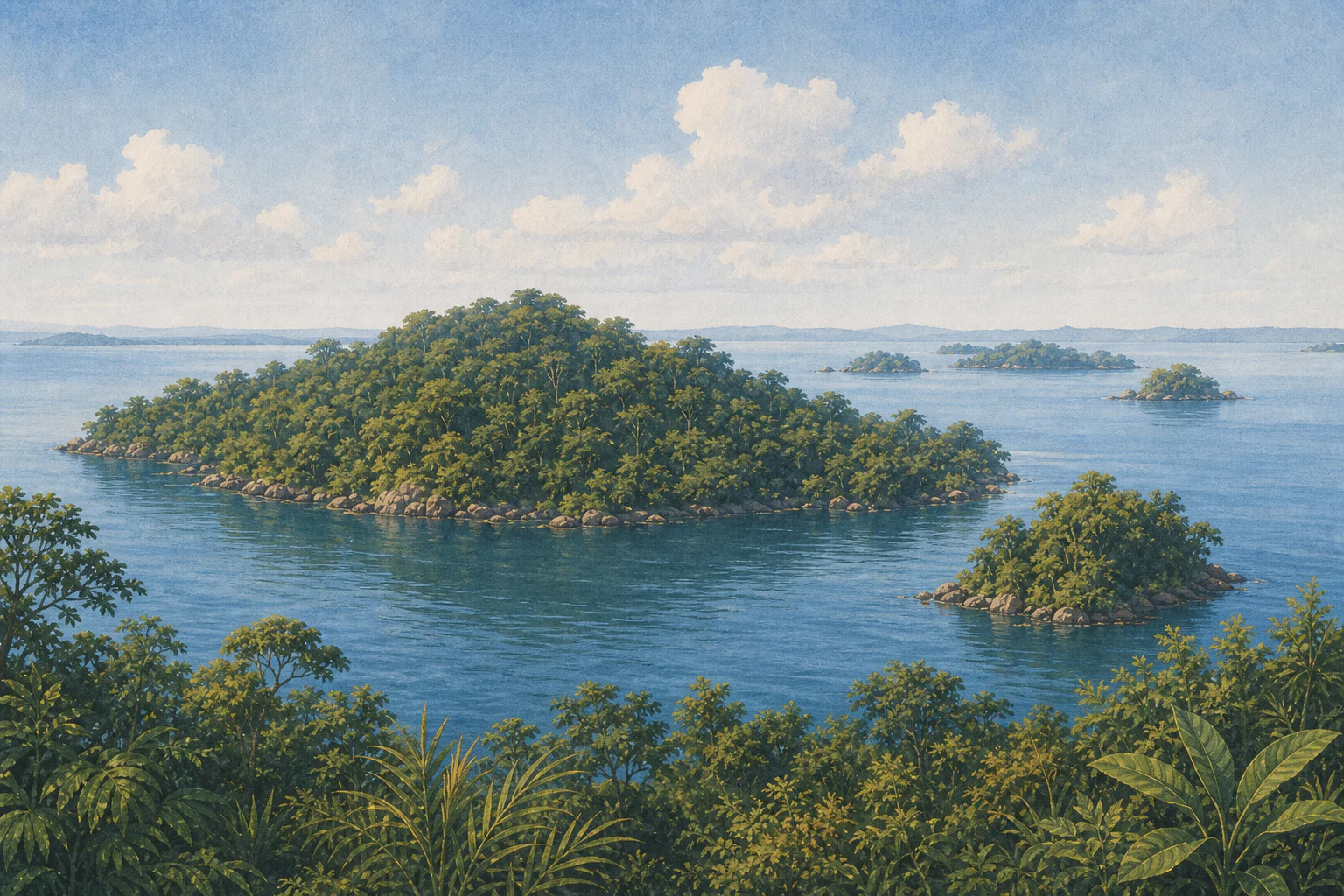
Rubondo's evergreen forest rises from Lake Victoria, broken by small clearings, marshy edges and stretches of shoreline. The island setting makes the meeting of water and canopy more important than broad game-drive vistas: fish eagles patrol the lake margin while shy sitatunga use dense wetland cover. Forest shade can stay humid even in relatively dry months, and a lake breeze can alter the feel of a transfer without changing conditions on a sheltered trail. Some larger mammals were introduced as part of the island's conservation history. Their presence does not make them easy to see through the forest or turn Rubondo into a miniature Serengeti.
Park fees and restrictions
Planning reference rates · Jan 1, 2026 – Dec 31, 2026
Per person · International nonresident visitors · USD
| Visitor | Age | Park entry | Overnight fee | Camping fee |
|---|---|---|---|---|
| 1 adult | 16–99 years | USD 36 | Not available | Not available |
| 1 child | 5–15 years | USD 12 | Not available | Not available |
| 1 infant | Under 5 years | Free | Free | Free |
Tax treatment is not specified in this schedule. Overnight and camping fees are alternative additions to park entry; activity fees may apply separately.
Additional charges
- Vehicle Fee 2-3T
- USD 24 / Per vehicle in the stated weight category; confirm applicability
- MeisterCRM planning rates for foreign non-resident visitors, not an official tariff. Check the selected travel dates and age bands, and confirm final charges before booking.
- Entry is shown per person. Overnight and camping are alternative additions for the selected stay arrangement, not two charges to add together. “Not available” means a charge has not been established; it does not mean free. The planning workbook does not specify permit duration or re-entry rules; confirm the charging period and any repeat-entry fee before quoting.
- Tax treatment is unspecified. Vehicle, guide, specialist activity, transfer and other charges may apply separately. Free or child entry does not establish eligibility for a walk, canoe trip or primate activity.
Official fee information
- Official TANAPA tariff verificationChecked Sep 7, 2026