
Best time and high seasonality
Compare recommended travel periods, typical demand seasons, weather comfort, and sky conditions across all twelve months.
- Average daytime high
- 27.1°C
- Average nighttime low
- 15.8°C
- Average rainfall
- 115 mm / month
2001–2020 climate averages for Northern Manyara lakeshore; escarpment slopes have a different microclimate. Gridded regional estimates, not a forecast or a park-wide measurement.
Weather and travel guidance
January is warm and green around Lake Manyara, with showers and bright intervals rather than a dependable dry spell. The groundwater forest provides shade and good primate-watching opportunities, while lake levels influence which shoreline tracks and birding stops are usable. Flamingo numbers vary with water conditions and food, not simply the month. Start with the forest circuit before the day heats up, and leave lakeside stops flexible after rain. Check current access within the park, since flooding can reshape a visit even when the approach road is straightforward.
February often brings a relatively drier interval at Manyara, with warm afternoons and occasional showers still possible. It can work well for a short forest-and-lakeshore visit, particularly with an early start before heat builds beneath the escarpment. The canopy keeps some paths damp, so closed shoes remain useful if adding the Treetop Walkway. Lake level and local water quality govern bird concentrations; do not promise a pink fringe of flamingos on a fixed date. Keep the wildlife programme varied rather than relying on finding a tree-climbing lion.
March becomes wetter at Manyara as the long rains develop. Heavy showers can affect low-lying tracks and make the lakeshore circuit less predictable than the shaded northern forest route. Vegetation is lush, but rain and dense foliage can slow wildlife viewing and photography. Allow the guide to choose the day's reachable sectors instead of fixing every stop in advance. A waterproof layer is valuable for the elevated walkway, where shelter is limited. Any onward drive toward the escarpment should leave time for reduced visibility and slower wet-road travel.
April is a wet period at Manyara, with frequent rain and the possibility of high water affecting shoreline access. The groundwater forest stays attractive, though dark canopy and wet foliage require patience when watching monkeys or photographing elephants. Avoid promising a complete end-to-end park circuit without checking which tracks are open. A shorter flexible outing can be more enjoyable than a long day dictated by a checklist. Bring rain protection for people and cameras, and decide on the Treetop Walkway after reviewing the day's storm and footing conditions.
May is a transition out of Manyara's long rains, with cooler starts and gradually fewer showers. Ground conditions can lag behind the change in weather, especially close to the lake, so an improving forecast is not proof that every track has reopened. The forest is green and birdlife remains a useful focus when mammals are less conspicuous in thick vegetation. Plan a warm layer for an early drive and a light waterproof for lingering showers. Late-month visits can suit a relaxed circuit, provided the route reflects actual lake levels and access reports.
June is much drier and cooler at Manyara, making a forest drive and lakeside birding stop easier to combine. Morning cloud can sit against the escarpment without producing a day of rain, so mixed sunshine and cloud is a fairer picture than uninterrupted blue sky. Carry a light fleece for the first drive and remove layers as the lower park warms. Shoreline access still depends on the lake's longer-term level, not just this month's weather. Keep flamingos and tree-climbing lions as possible sightings rather than the sole measure of a successful visit.
July is one of Manyara's driest months, with cool dawns and generally comfortable daytime touring conditions. The forest can feel chilly in an open vehicle before sunshine reaches the lower park, while exposed lakeside stops need sun protection. This is a practical month for a compact visit on a northern-circuit itinerary, but allow enough time to watch primates and birds rather than hurrying through. Higher safari demand does not guarantee a specific animal encounter. Confirm usable shoreline tracks independently of the broad dry-season label before planning a long circuit.
August stays mainly dry at Manyara, with cool mornings and slightly warmer afternoons. Dust may increase on open tracks, whereas the groundwater forest remains green and shaded. Start with the forest's wildlife activity, then choose a lakeside birding stop according to current water levels and visibility. A walkway session is more comfortable outside the warmest hours and still needs suitable shoes. This is a busy northern-safari month, so build time for park entry and avoid linking a full visit to an unrealistically tight transfer up the escarpment.
September is dry and warming around Manyara. Early drives make the most of cooler conditions beneath the escarpment, while exposed shoreline areas can feel hot by midday. Water availability draws wildlife to useful habitats, but the lake's extent and its bird populations remain variable. Pair a patient groundwater-forest circuit with whatever lakeside sectors are currently accessible. Carry water and protect cameras from dust between stops. This month suits outdoor touring well, yet a tree-climbing lion or large flamingo gathering should remain a bonus rather than a promise.
October warms up before Manyara's short rains, bringing a mix of dry dusty days and the possibility of an early storm. A shower can freshen the forest quickly without making every lakeside track wet, so the guide's local route choice remains important. Schedule the walkway or a longer birding stop early and keep a waterproof in the vehicle. The lower park often feels warmer than lodges above the escarpment; dress for both settings if the day includes a transfer. Check lake access rather than assuming the previous dry months guarantee an unchanged shoreline.
November usually brings renewed rain to Manyara, with fresh growth, humid intervals and showers that can affect low-lying routes. The forest offers a strong focus for a shorter visit, while lakeside stops should follow current access information. Migratory birds add interest, but flamingo numbers still depend on the lake's changing ecology rather than a simple wet-season rule. Allow time to wait out a downpour and protect binoculars and cameras. An elevated walkway is best kept flexible if thunderstorms are nearby, even when the morning begins bright.
December is warm and green at Manyara, with recurring showers separated by useful bright spells. Dense foliage can make mammal viewing slower, rewarding careful observation of the forest canopy and roadside clearings. Plan a morning circuit with a flexible lakeside extension rather than promising every track will be accessible. Rainwear and a dry bag are sensible additions for the walkway and open-vehicle stops. Holiday traffic on the northern circuit may be busy despite the wet weather, so confirm guide timing and leave a comfortable onward-transfer margin.
- Travel recommended
- January to February, May to October
- Typical travel season
- Shoulder · May to June, November to February
- Weather comfort
- Good · January to February, May, October
How to read this: month icons show the typical sky and rain pattern; Weather grades broad travel comfort; Travel Seasons show typical demand and pricing. None is a forecast, and supplier periods vary.
Wildlife Overview
Wildlife to look for in Lake Manyara National Park. Labels describe typical encounters in suitable habitat; season, conditions and time spent exploring all make a difference.
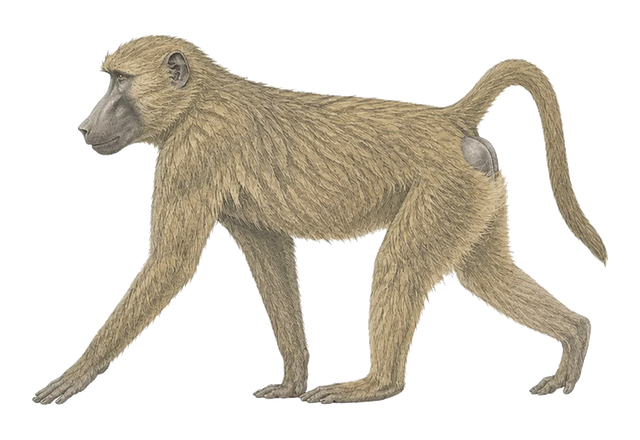
- Olive baboonNorthern groundwater forest and woodland roadsLikelihood: Abundant
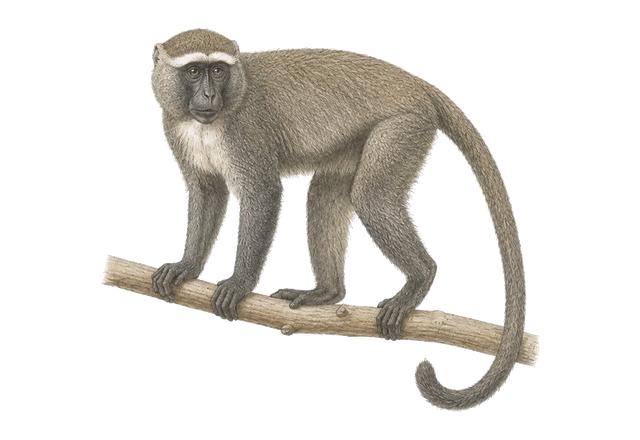
- Blue monkeyGroundwater forest canopy near the northern visitor circuitLikelihood: Common
- African bush elephantForest and woodland; visibility varies with dense vegetationLikelihood: Common
- African buffaloWoodland and wetland margins on accessible circuitsLikelihood: Common
- Masai giraffeWoodland and open browsing habitat outside dense forestLikelihood: Common
- Plains zebraOpen grassland sectors where routes remain accessibleLikelihood: Common
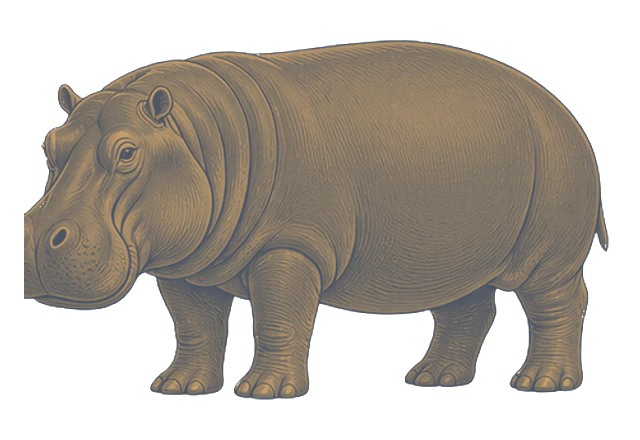
- HippopotamusSuitable permanent-water areas, subject to viewpoint accessLikelihood: Common
- Lesser flamingoLake numbers vary with water chemistry and feeding conditionsLikelihood: Occasional
- LionWoodland resident; tree-climbing sightings are not routineLikelihood: Occasional
- LeopardDense cover and woodland; easily missed during a short visitLikelihood: Rare







Things to do in Lake Manyara National Park
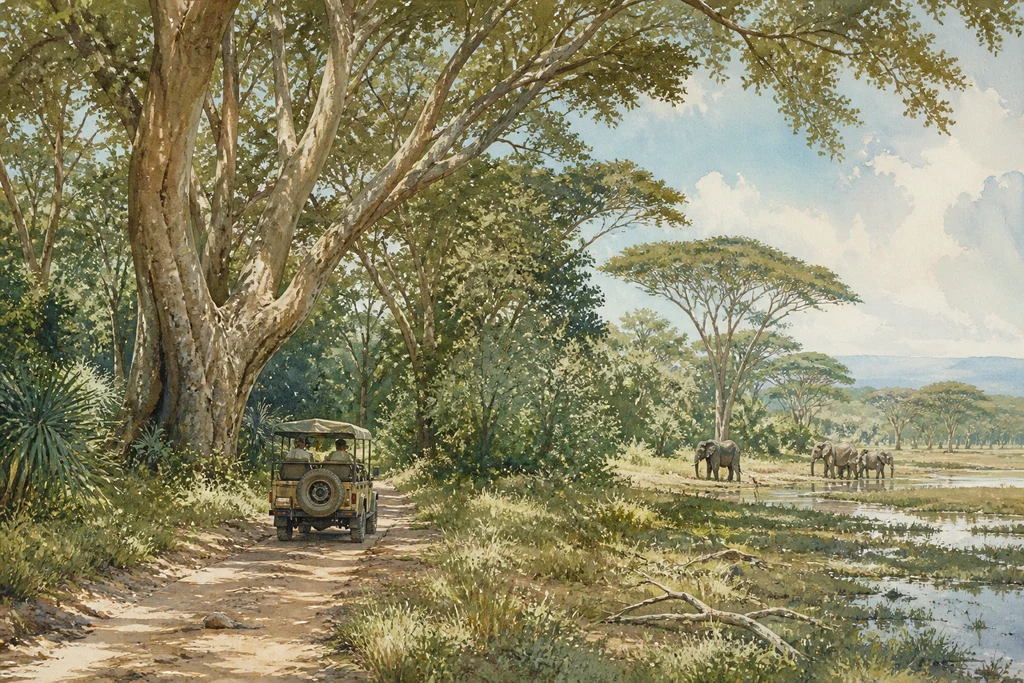
Groundwater forest game drive
Enter the shaded northern forest slowly, watching for baboons, blue monkeys and elephants among the trees. The close vegetation rewards listening and patient stops more than a fast search for distant animals. Continue into woodland as access allows, but let the forest remain an experience in its own right. Morning light is useful before the lower park becomes warmer and traffic increases.
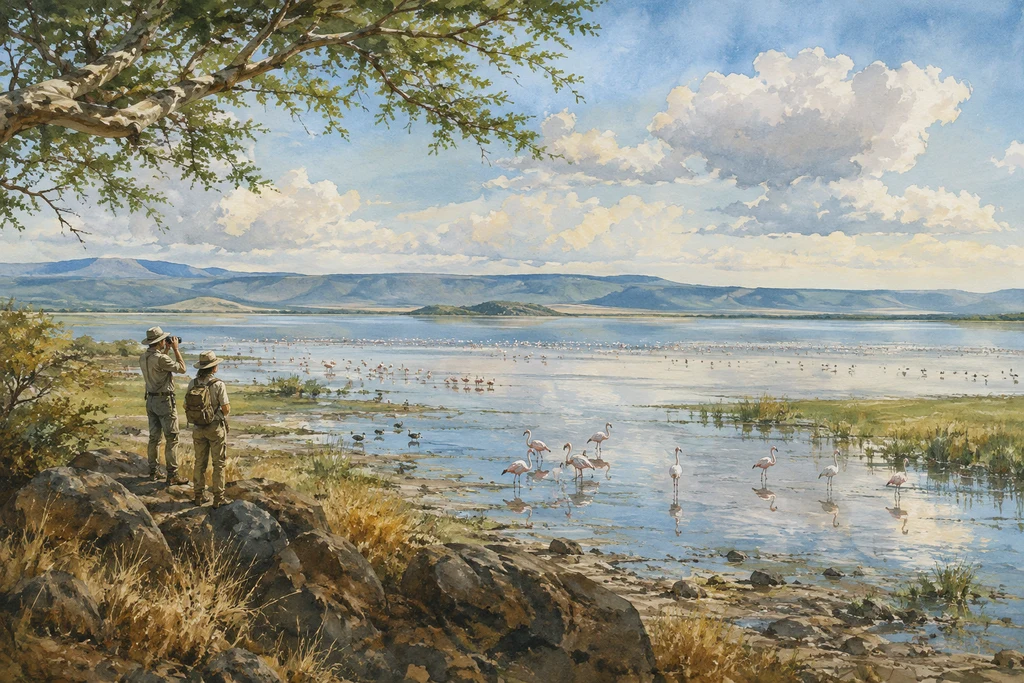
Lakeshore birdwatching
Visit currently accessible shoreline and wetland viewpoints with binoculars, looking for the mix of waterbirds using the lake that day. Flamingo numbers can change dramatically with water conditions and food availability, so broaden the outing beyond one species. Keep to approved tracks and viewing positions; recent high water may rule out a route shown on an older park map.
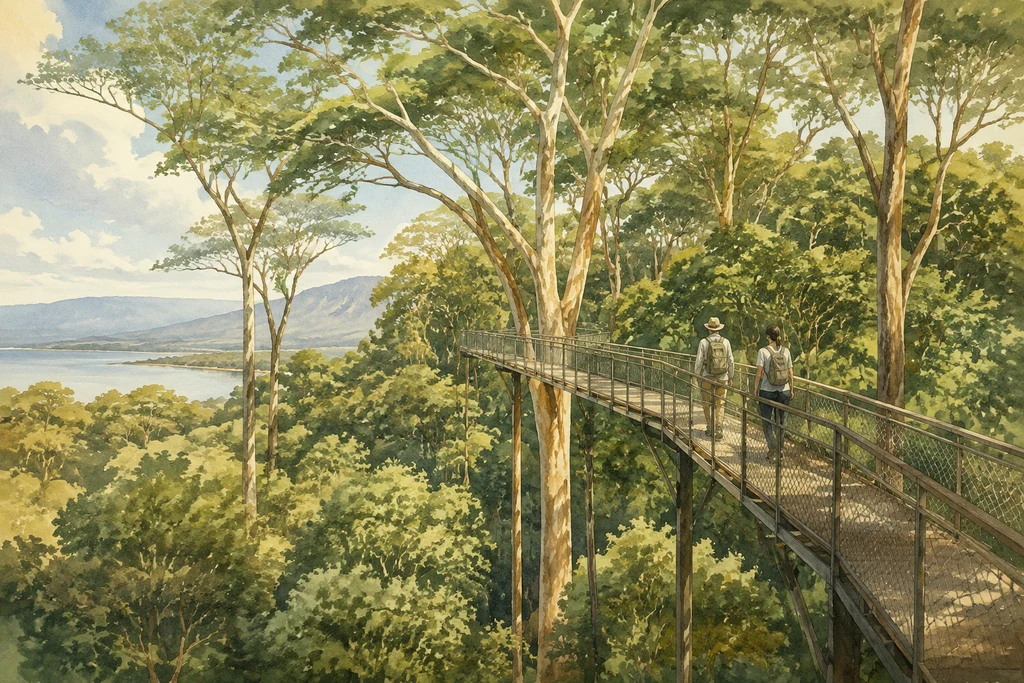
The Treetop Walkway
Explore the forest canopy from the elevated walkway for a different view of branches, birds and the layered vegetation below. Arrange the activity separately from the basic game-drive circuit and confirm current operating, age and mobility requirements. Wear secure shoes and protect loose items. Keep its timing flexible around rain or thunderstorms rather than assuming a dry day is assured.
Habitats and flora
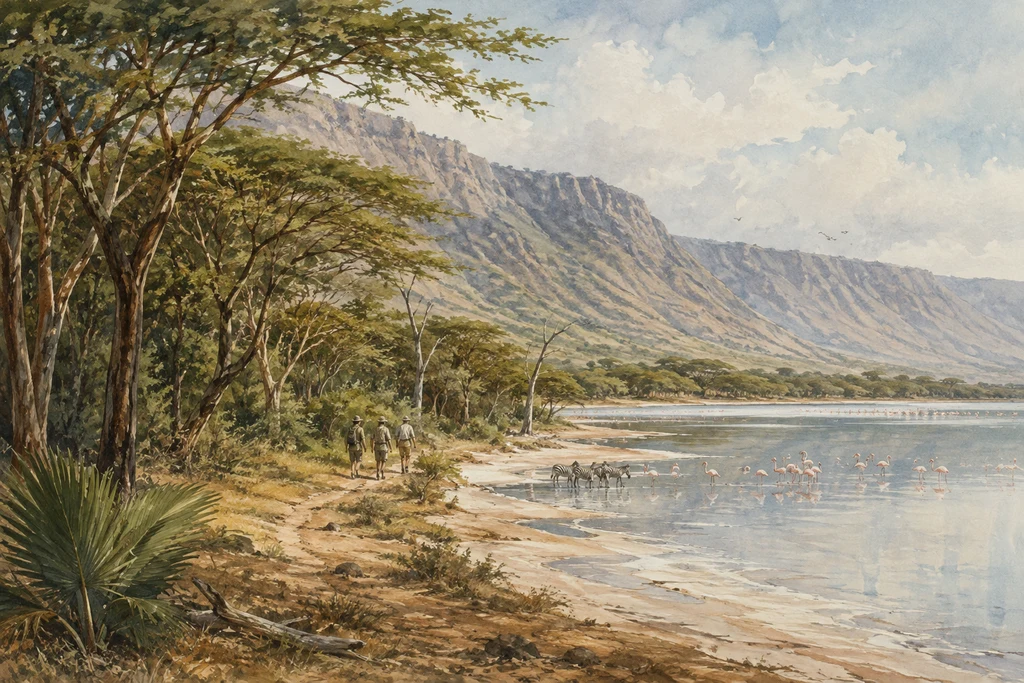
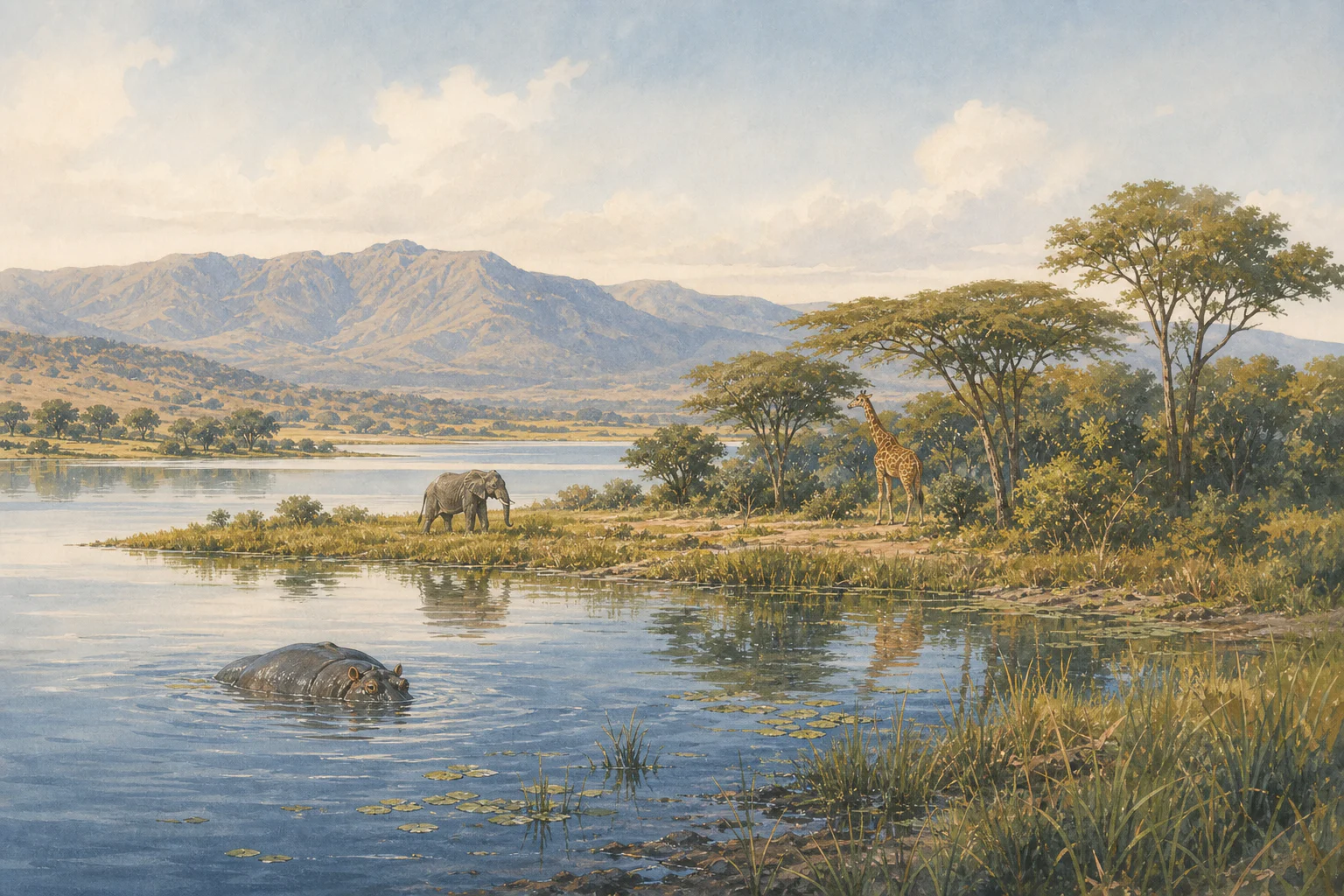
Manyara's most immediate contrast is between the cool groundwater forest near the northern entrance and the open light of the lake basin. Tall fig and mahogany trees support a busy canopy, while woodland, grassland and marshy edges create feeding space for larger mammals and waterbirds. The escarpment rises sharply behind this narrow strip of lowland habitat. Lake levels can expand or contract the accessible shoreline, changing both the road network and the places where birds gather. A good visit follows those conditions: linger in the forest, then explore the available woodland and lakeside sectors rather than expecting one fixed panorama.
Park fees and restrictions
Planning reference rates · Jan 1, 2026 – Dec 31, 2026
Per person · International nonresident visitors · USD
| Visitor | Age | Park entry | Overnight fee | Camping fee |
|---|---|---|---|---|
| 1 adult | 16–99 years | USD 59 | USD 59 | USD 35 |
| 1 child | 5–15 years | USD 24 | USD 18 | USD 18 |
| 1 infant | Under 5 years | Free | Free | Free |
Tax treatment is not specified in this schedule. Overnight and camping fees are alternative additions to park entry; activity fees may apply separately.
Additional charges
- Vehicle Fee 2-3T
- USD 24 / Per vehicle in the stated weight category; confirm applicability
- MeisterCRM planning rates for foreign non-resident visitors, not an official tariff. Check the selected travel dates and age bands, and confirm final charges before booking.
- Entry is shown per person. Overnight and camping are alternative additions for the selected stay arrangement, not two charges to add together. “Not available” means a charge has not been established; it does not mean free. The planning workbook does not specify permit duration or re-entry rules; confirm the charging period and any repeat-entry fee before quoting.
- Tax treatment is unspecified. Vehicle, guide, specialist activity, transfer and other charges may apply separately. Activity eligibility and any minimum age must be checked separately from admission.
Official fee information
- Official TANAPA tariff verificationChecked Sep 7, 2026