
Best time and high seasonality
Compare recommended travel periods, typical demand seasons, weather comfort, and sky conditions across all twelve months.
- Average daytime high
- 29.6°C
- Average nighttime low
- 17.6°C
- Average rainfall
- 103.5 mm / month
2001–2020 climate averages for Northern Tarangire River visitor circuit. Gridded regional estimates, not a forecast or a park-wide measurement.
Weather and travel guidance
January is warm and generally green in Tarangire, with showers mixed among bright periods rather than a settled dry-season pattern. Water and grazing outside the park draw some migratory herds away from the river circuit, so this is not the same concentration of animals seen late in the dry season. Resident wildlife and birds still give drives a clear purpose. Start early for comfort, protect equipment from rain and ask which tracks are suitable after storms. Build the visit around the landscape and available sightings, not a promised herd location.
February can offer a relative pause in Tarangire’s rains, but warm weather and occasional showers remain normal. Vegetation may be lush, and animals have access to water beyond the main river corridor, making their distribution less concentrated than in August or September. Clear spells are useful for drives without guaranteeing dry side roads everywhere. Carry both sun protection and a light rain layer, use the cooler mornings well and check recent local conditions. Do not present the visit as a substitute for a specific Serengeti calving itinerary.
March brings a growing likelihood of rain as Tarangire moves into the long-rains period. Warm, green conditions can be attractive for scenery and birdwatching, while leafy vegetation and dispersed water sources make some mammal sightings less straightforward. Repeated showers may leave low-lying tracks muddy and slow. Keep daily circuits flexible, allow extra transfer time and avoid assuming every road shown on a map is usable. Pack waterproof protection for equipment and arrange drives around local conditions rather than expecting a fixed morning-to-evening route.
April is usually Tarangire’s wettest month, with frequent cloud and a greater chance of heavy showers affecting access. Grass and woodland are green, and the main river is no longer the only focus for animals needing water. Low sections and lesser-used tracks may become difficult after sustained rain, even if the principal entrance remains reachable. Confirm the planned circuit and accommodation access before arrival, and allow time for changes. Quick-drying clothing and protected luggage help; quieter conditions do not guarantee easy wildlife visibility.
May is a transition out of Tarangire’s long rains, with showers generally easing while soft ground can remain in low-lying areas. Mornings become cooler and the park stays green, so viewing conditions do not immediately resemble the open late-dry-season landscape. Wildlife movements depend on how water and grazing change across the wider ecosystem. Check recent access reports before committing to remote circuits, take a warm layer for early drives and retain rain protection. A flexible programme works better than promising that dry-season concentrations have begun.
June usually marks the start of Tarangire’s dry-season pattern, with much less rainfall and cooler early mornings. Cloudy starts are possible, especially in the cooler hours, before brighter spells develop over the river valley. Tracks tend to become firmer, vegetation slowly thins and the river gains importance as water elsewhere declines. Carry a jacket for open-vehicle drives, then add sun protection as the day warms. Allow wildlife concentrations to develop at their own pace; the timing depends on rainfall across the surrounding dispersal areas.
July is generally very dry in Tarangire, with cool mornings followed by mild to warm afternoons. Dust begins to build along frequently used roads, while shrinking water sources draw increasing wildlife activity towards the river and permanent wetlands. Morning cloud can still occur despite the low rainfall. Dress in layers for early drives, keep drinking water available and protect cameras from dust. Popular river viewpoints may attract several vehicles, so allow an unhurried circuit and let the guide select quieter stops where conditions and sightings permit.
August is a core dry-season month in Tarangire, with little rain, cool starts and warming afternoons. Vegetation is more open and the river corridor becomes an important focus for animals as water outside the park diminishes. These are favourable viewing conditions, not a promise that every species will gather at the same spot. Plan early departures, bring a layer for the morning chill and use sun protection later. Dust and vehicle activity can be noticeable on popular circuits, so keep equipment covered and leave enough time between distant viewing areas.
September is typically dry and increasingly warm in Tarangire, with open vegetation and strong wildlife interest around remaining water. Dust can be substantial on busy tracks, and afternoon heat makes exposed stops less comfortable than early drives. The river is an important seasonal focus, but animal movements still vary with local water and grazing. Start the day early, build in a shaded midday break and carry sufficient drinking water. Protect camera equipment from dust and avoid promising a particular herd size or uninterrupted riverbank sightings.
October can be hot and dusty in Tarangire before the first useful rains arrive, with a rising chance of isolated storms later in the transition. Animals may remain concentrated near water until rainfall changes conditions in the wider ecosystem; their departure is not tied to a fixed date. Prioritise cooler morning drives, keep water close and plan a comfortable midday pause. Carry rain protection alongside sun protection, and reassess low or rough tracks after a downpour. A first shower does not mean every part of the park has become green or accessible.
November usually brings the short rains back to Tarangire, replacing some dry-season dust with greener, more changeable conditions. Showers can be heavy but are often separated by bright intervals. As water and new grazing become available beyond the park, some herds begin to disperse away from the main river circuit. Keep wildlife expectations seasonal and allow the guide to adapt routes after rain. Waterproof equipment, breathable clothing and flexible transfer times are useful, especially when an itinerary includes less-used tracks or remote accommodation.
December is commonly green and showery in Tarangire, with warm days, seasonal bird activity and a mix of cloud, rain and sunshine. Water is more widely available than in the dry season, so mammal viewing can require wider searching rather than relying on riverbank concentrations. Repeated storms may make some side roads muddy even between fine days. Start drives in comfortable morning conditions, carry rain protection and check access to the planned circuit. Build time for patient observation and changing routes rather than promising dry-season herd densities.
- Travel recommended
- January to February, May to October
- Typical travel season
- Shoulder · May to June, November to February
- Weather comfort
- Good · January to February, May, September to October
How to read this: month icons show the typical sky and rain pattern; Weather grades broad travel comfort; Travel Seasons show typical demand and pricing. None is a forecast, and supplier periods vary.
Wildlife Overview
Wildlife to look for in Tarangire National Park. Labels describe typical encounters in suitable habitat; season, conditions and time spent exploring all make a difference.
- African bush elephantEspecially river-linked dry-season concentrations; herds spread after rainsLikelihood: Abundant
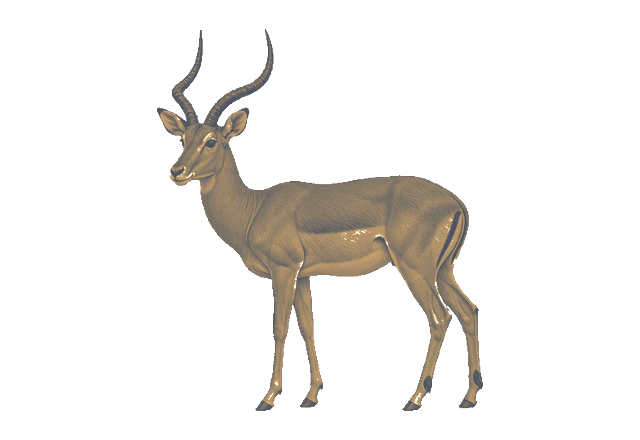
- ImpalaOpen woodland and browsing-grazing edges on visitor circuitsLikelihood: Abundant
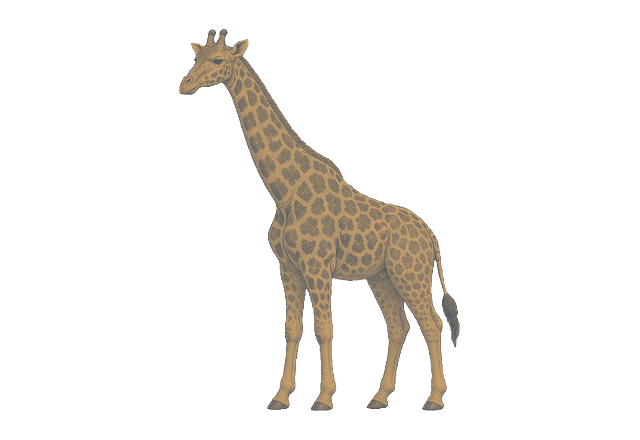
- Masai giraffeAcacia woodland and open browsing habitatLikelihood: Common
- African buffaloWater-linked grassland and woodlandLikelihood: Common
- Plains zebraDry-season concentrations; dispersed across the wider ecosystem in rainsLikelihood: Common
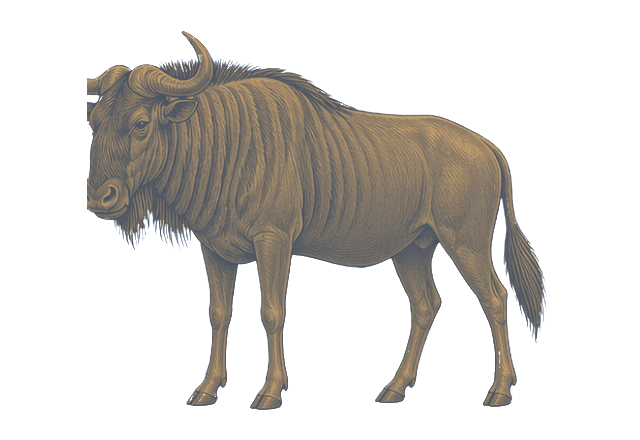
- Blue wildebeestSeasonal herds using the park's river and grazing areasLikelihood: Common
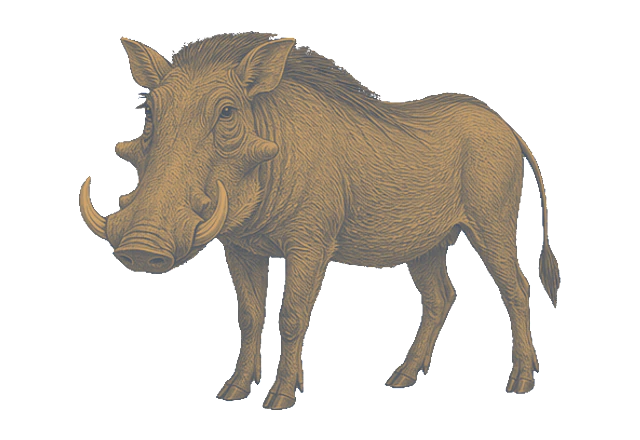
- Common warthogOpen grassy patches along the main circuitsLikelihood: Common
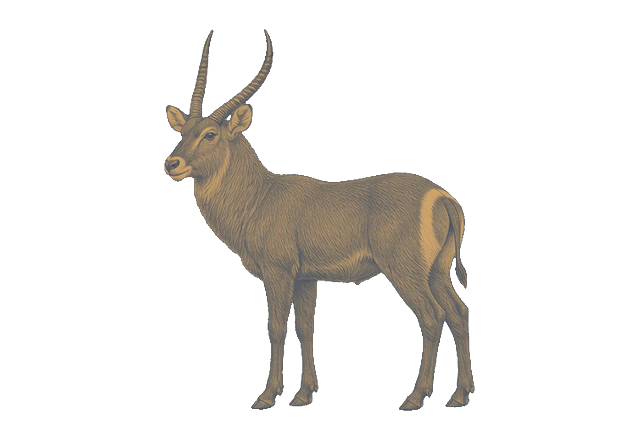
- WaterbuckRiver and swamp-edge habitatsLikelihood: Common
- LionResident predators around suitable prey and coverLikelihood: Common
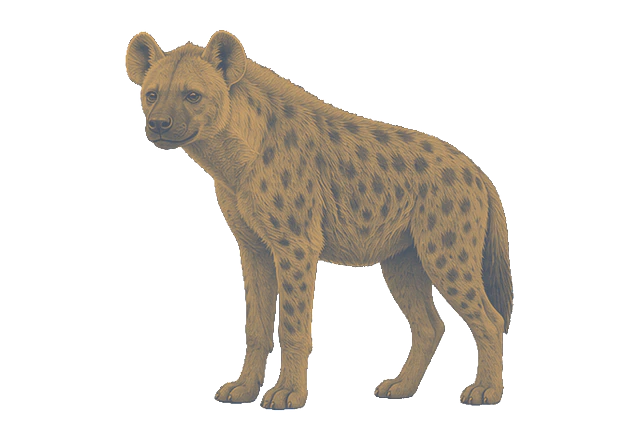
- Spotted hyenaOpen and river-linked safari habitatsLikelihood: Common
- LeopardRiverine trees and wooded coverLikelihood: Occasional
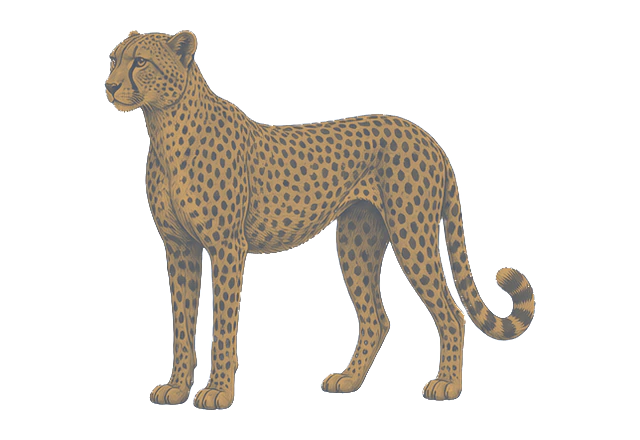
- CheetahLocalised open-country sightings; not a main short-visit expectationLikelihood: Rare





Things to do in Tarangire National Park
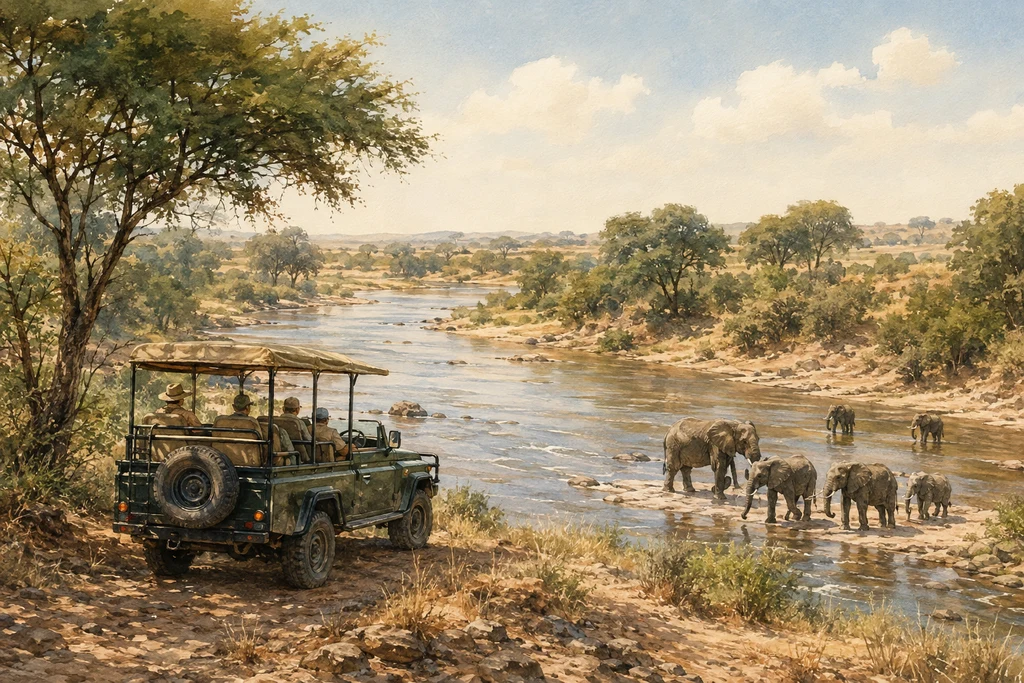
A Tarangire River game drive
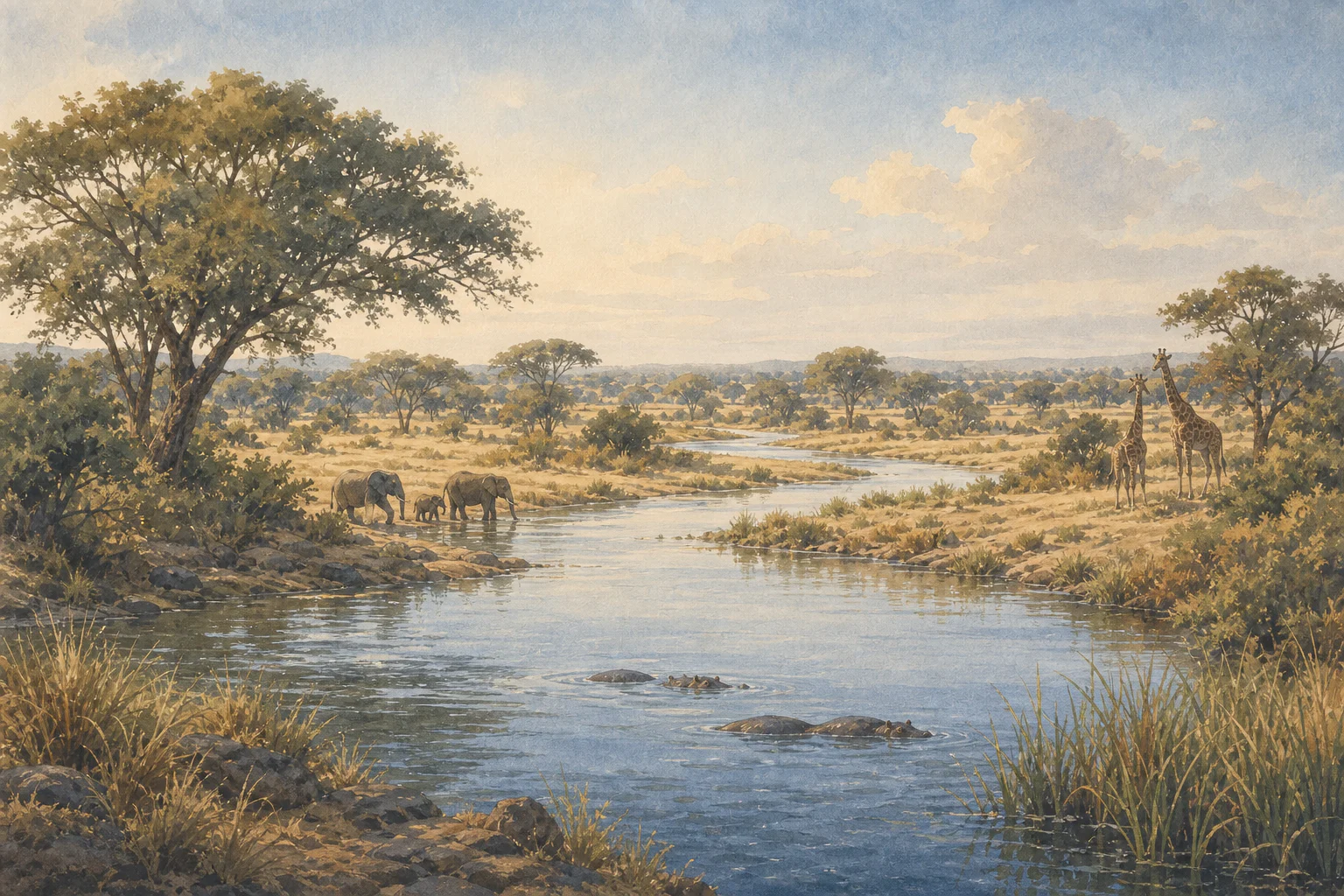
Follow the authorised northern river circuit, watching how elephants and other animals use water, shade and grazing habitat. Dry-season concentrations can be impressive, but the herds spread out when rain refreshes the wider ecosystem. Take time at productive viewpoints without blocking other vehicles or approaching animals. A cool early drive is more comfortable than a rushed visit in the strongest midday heat.
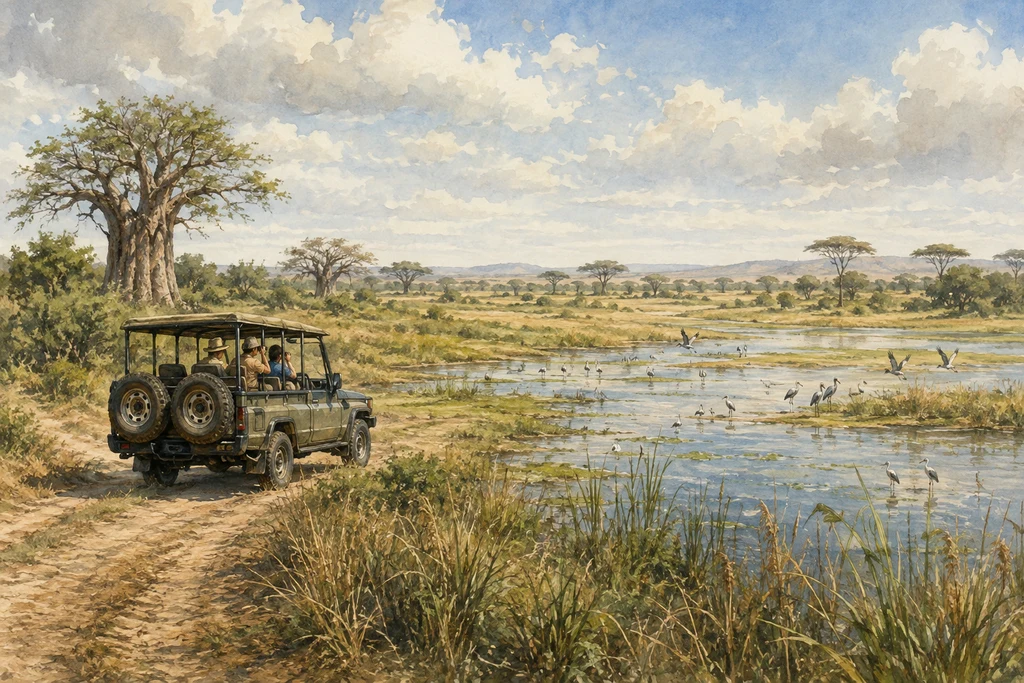
Silale Swamp and birding routes
Where current access and the camp location make it practical, extend the safari toward Silale's wetland habitat for a different view of Tarangire. Look for the birds and grazing animals using the green margins rather than repeating only the northern river loop. Allow realistic driving time, bring binoculars and check track conditions after rain. Not every short day visit has enough time for this extension.
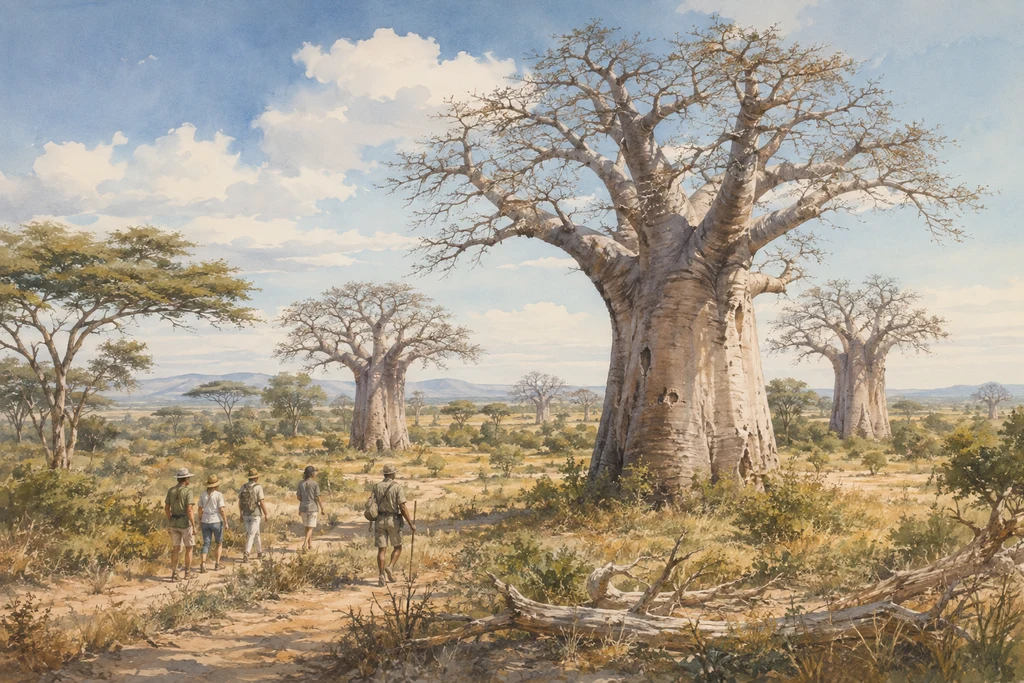
A guided bush walk
Arrange an authorised ranger-led walk to examine tracks, grasses and the life around Tarangire's woodland and baobabs. Choose a cool start and a route appropriate to the group's fitness, with water and closed shoes. Elephants and other large animals make independent walking unsuitable. Confirm the activity's permit and age requirements separately from park entry, and let the guide adapt to wildlife and weather.
Habitats and flora
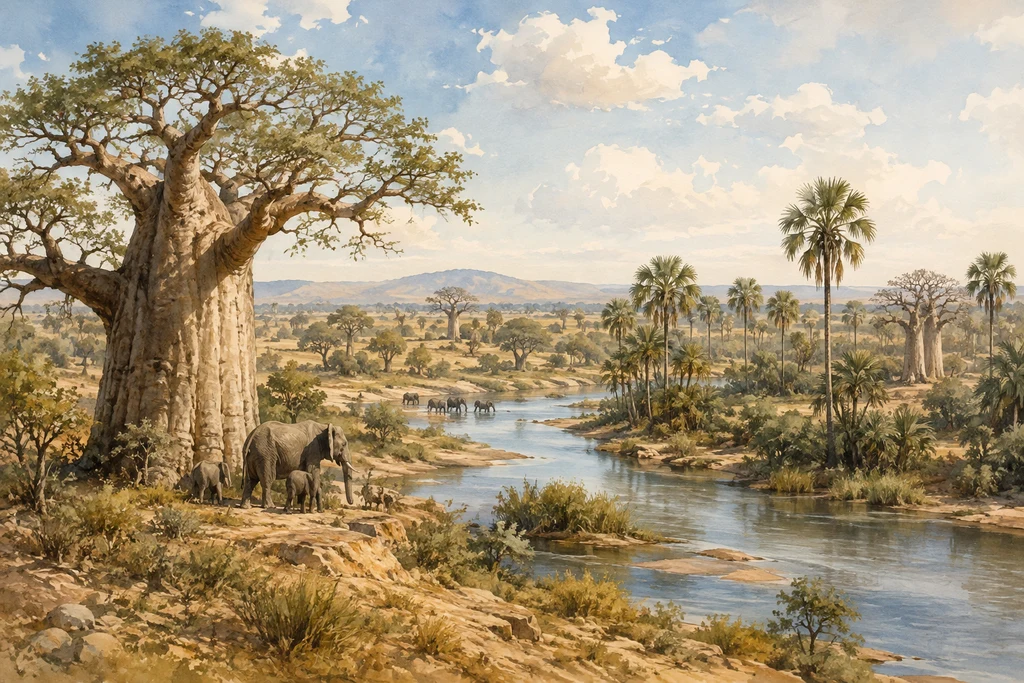
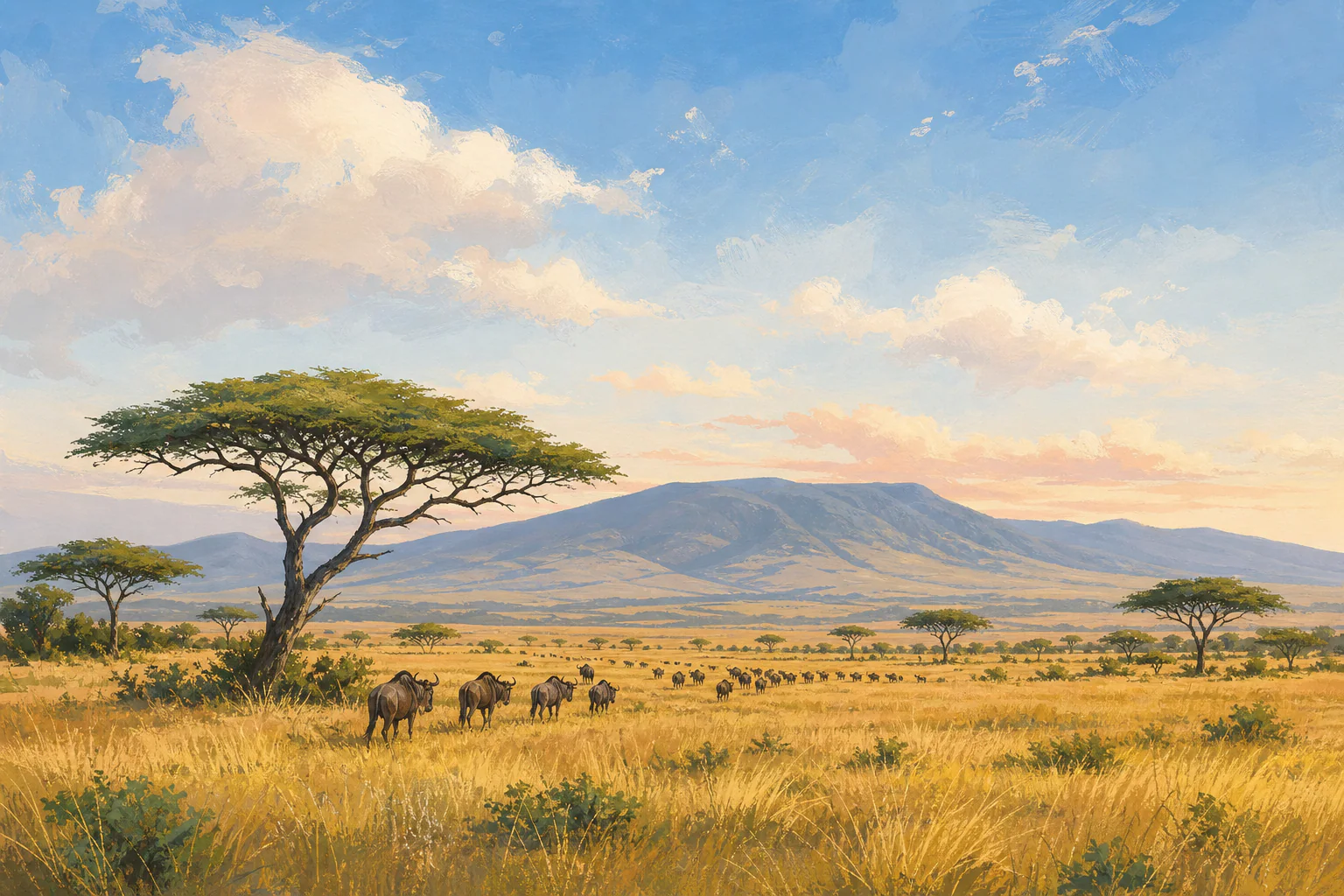
Tarangire's river cuts through a landscape of baobabs, acacia woodland, open grassland and seasonal wetlands. During the dry months, water-linked habitats become increasingly important to elephants and grazing animals, while the rains allow herds to spread into the wider ecosystem. Silale and other swamp areas add a different environment from the familiar northern river viewpoints, supporting wetland birds and green grazing when surrounding ground is drier. The trees are part of that working habitat, offering food and shade rather than simply a scenic backdrop. Allowing time for more than one habitat makes the park's seasonal movement easier to understand.
Park fees and restrictions
Planning reference rates · Jan 1, 2026 – Dec 31, 2026
Per person · International nonresident visitors · USD
| Visitor | Age | Park entry | Overnight fee | Camping fee |
|---|---|---|---|---|
| 1 adult | 16–99 years | USD 59 | USD 59 | USD 35 |
| 1 child | 5–15 years | USD 24 | USD 18 | USD 18 |
| 1 infant | Under 5 years | Free | Free | Free |
Tax treatment is not specified in this schedule. Overnight and camping fees are alternative additions to park entry; activity fees may apply separately.
Additional charges
- Vehicle Fee 2-3T
- USD 24 / Per vehicle in the stated weight category; confirm applicability
- MeisterCRM planning rates for foreign non-resident visitors, not an official tariff. Check the selected travel dates and age bands, and confirm final charges before booking.
- Entry is shown per person. Overnight and camping are alternative additions for the selected stay arrangement, not two charges to add together. “Not available” means a charge has not been established; it does not mean free. The planning workbook does not specify permit duration or re-entry rules; confirm the charging period and any repeat-entry fee before quoting.
- Tax treatment is unspecified. Vehicle, guide, specialist activity, transfer and other charges may apply separately. Activity eligibility and any minimum age must be checked separately from admission.
Official fee information
- Official TANAPA tariff verificationChecked Sep 7, 2026