
Best time and high seasonality
Compare recommended travel periods, typical demand seasons, weather comfort, and sky conditions across all twelve months.
- Average daytime high
- 29.4°C
- Average nighttime low
- 17.1°C
- Average rainfall
- 91.8 mm / month
2001–2020 climate averages for Grumeti western savannah; rainfall varies across the concession. Gridded regional estimates, not a forecast or a park-wide measurement.
Weather and travel guidance
January is warm and green in Grumeti, with showers alternating with bright intervals across the western savannah. Resident wildlife remains the focus; the main migratory herds are generally farther south and should not be the reason for a guaranteed western-corridor booking. Use early drives before heat and cloud build, and keep a walking safari dependent on the concession guide's conditions check. Some tracks can soften after storms. Private-reserve access needs an appropriate lodge or operator arrangement, whatever the season's weather looks like.
February often offers a relatively drier pause within Grumeti's green season. Afternoons are warm, occasional showers remain possible, and tall grass can make smaller animals less obvious than in the late dry season. This is a sound time for unhurried resident-wildlife drives rather than chasing the southern plains' calving season from a western base. Schedule walks early and use the middle of the day for shade. Confirm the concession's access arrangements and the particular camp's activity options before combining them into a fixed itinerary.
March trends wetter across Grumeti as the long rains develop. Heavy local showers can turn a short drive into a slower journey, while green grass disperses grazers away from the river corridors. Plan a flexible private-reserve stay with fewer long transfers and a guide able to choose suitable tracks each morning. Wildlife is still present, but a migration spectacle should not be promised in the west at this point in the annual cycle. Pack waterproof camera protection and treat a bush walk as a conditions-dependent part of the visit.
April is a wet-season month in Grumeti, with lush savannah, cloudy periods and muddy patches on unsealed tracks. A lodge-based programme can take advantage of clear intervals, whereas a tight schedule of long drives has less resilience. Resident game and birds offer interest without relying on the main migration reaching the reserve. Check camp opening dates and transfer plans, especially where an airstrip or minor access road is involved. Walks need the guide's approval after rain; sunshine over the lodge does not describe every route.
May is a transition month: rain usually diminishes and the western plains begin drying, although residual mud can persist near drainage lines. Migratory herds may move toward the western corridor, but arrival depends on grass and rainfall rather than a calendar date. Choose a base that can follow local reports instead of selling a particular crossing in advance. Morning drives and a flexible walking option fit the improving conditions. Keep a light waterproof handy, and allow extra time for any transfer that uses smaller reserve tracks.
June is generally drier and cooler in Grumeti, with improving road conditions and good scope for combining drives with guided walks. The western migration is a possible seasonal highlight, but herd positions can change over days and the Grumeti River is not a scheduled crossing venue. Build several game-viewing opportunities into the stay instead of a single timed stop. Early starts can be chilly before the sun warms the plains. Book the appropriate concession accommodation ahead, as demand can rise around expectations of the moving herds.
July is usually Grumeti's driest period, with cool starts, bright intervals and grass that is becoming shorter. Resident wildlife drives are rewarding, while the larger migratory herds may already be moving north; a western base should not be sold as a guaranteed Mara River experience. Dry ground suits an early guided walk, followed by shade during the warmer hours. Dust can affect distant photography and vehicle comfort. Allow the guide to work current animal locations rather than spending every outing waiting at the same river bend.
August remains relatively dry in Grumeti, though a passing shower is possible in this western sector. Warm afternoons follow cool starts, and animals often use shaded woodland and water-linked areas as the day advances. Plan an early drive or walk with a quieter midday interval, then another drive in softer evening light. The principal migration focus is often farther north, so describe this stay around resident wildlife and the concession experience. Dust and occasional haze call for camera protection even when a waterproof is rarely used.
September becomes warmer in Grumeti and can bring scattered showers before the broader rainy transition. Much of the reserve is still dry enough for productive drives and morning walks, but conditions are less uniformly arid than the southern Tanzanian parks. Keep the itinerary centred on local wildlife, not an assumed visit by herds from the northern Serengeti. A shower may briefly settle dust without restoring every watercourse. Carry both water and a light rain layer, and use local track reports when planning a longer western-corridor outing.
October is warm and changeable in Grumeti, with an increasing chance of rain and fresh grass after the first useful storms. Some days remain dusty; others require a slower route around slippery sections. Migratory movements vary with where rain falls, so a returning herd is a possibility rather than a fixed attraction. Early drives keep the hottest part of the day out of the programme, and walking should remain flexible. Confirm travel times with the concession operator when linking Grumeti to other Serengeti sectors across long unsealed roads.
November commonly brings the short rains to Grumeti, turning the savannah green and increasing cloud and afternoon storm risk. The wildlife experience becomes more dispersed as new grazing develops, rewarding patient drives rather than a checklist at permanent water. Moving herds may pass through the wider ecosystem, but their route is rainfall-led and cannot be pinned to a lodge's dates. Keep a dry bag in the vehicle and leave space to reschedule a walk. Ask about camp operations and track conditions before fixing a long overland connection.
December is a green, warm month in Grumeti, with regular showers and bright breaks between them. Vegetation can make game viewing more searching than in July, while the wet-season colours and bird activity suit an unhurried stay. The major herds tend to seek the southern plains, so use resident wildlife and private-reserve activities as the core proposition here. Arrange drives around the day's weather rather than assuming rain lasts all day. Holiday demand may still be strong even when the calendar labels this a wetter travel period.
- Travel recommended
- January to February, May to October
- Typical travel season
- Shoulder · May, November to February
- Weather comfort
- Good · January to February, May, September to October
How to read this: month icons show the typical sky and rain pattern; Weather grades broad travel comfort; Travel Seasons show typical demand and pricing. None is a forecast, and supplier periods vary.
Wildlife Overview
Wildlife to look for in Grumeti Game Reserve. Labels describe typical encounters in suitable habitat; season, conditions and time spent exploring all make a difference.
- African bush elephantWoodland and river-linked areas within the managed reserveLikelihood: Common
- African buffaloResident herds in the reserve's grassland and woodland mosaicLikelihood: Common
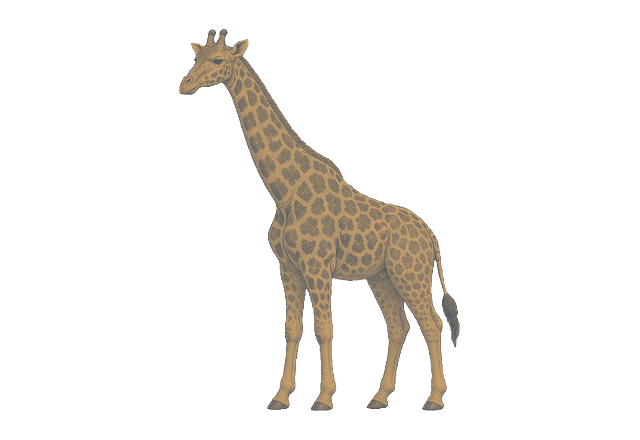
- Masai giraffeAcacia woodland and browsing habitat along game-drive routesLikelihood: Common
- Plains zebraOpen grazing areas; numbers vary with herd movementsLikelihood: Common
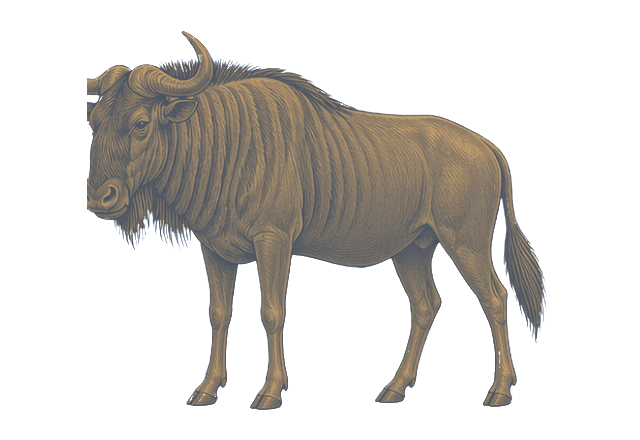
- Blue wildebeestSeasonally numerous along migration routes; no year-round mass herdsLikelihood: Common
- LionResident predators across suitable game-drive habitatsLikelihood: Common
- Spotted hyenaOpen plains and the edges of grazing herdsLikelihood: Common
- LeopardWoodland and riverine cover; sightings depend on timing and visibilityLikelihood: Occasional
- CheetahOpen grassland; low-density animals requiring patient searchingLikelihood: Occasional
- Black rhinocerosManaged restoration population; no routine viewing access or location is impliedLikelihood: Very rare




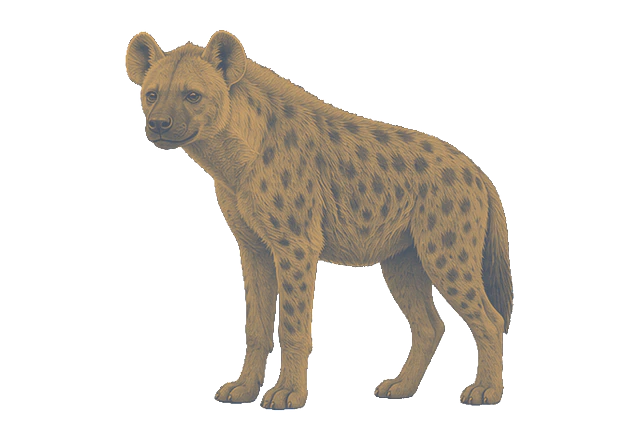

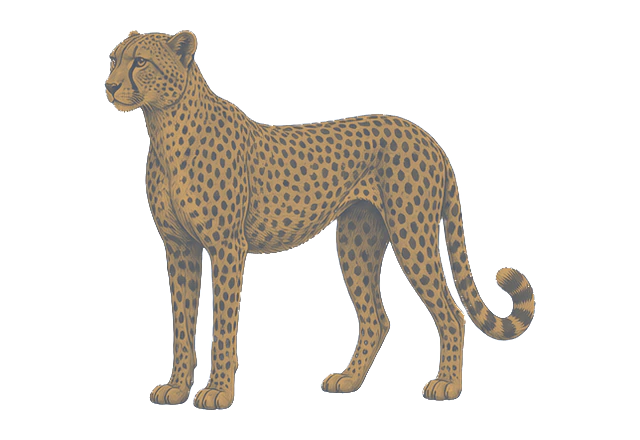
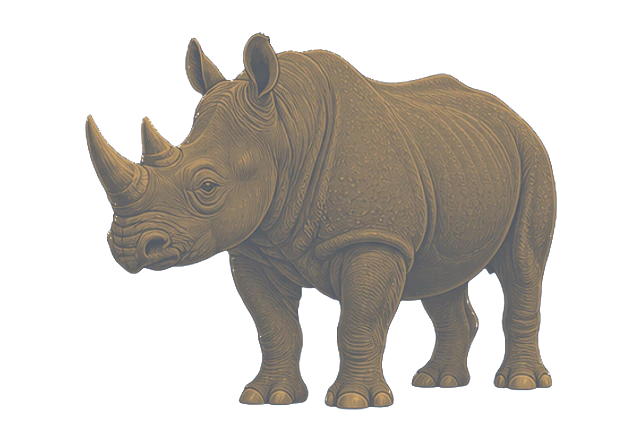
Things to do in Grumeti Game Reserve
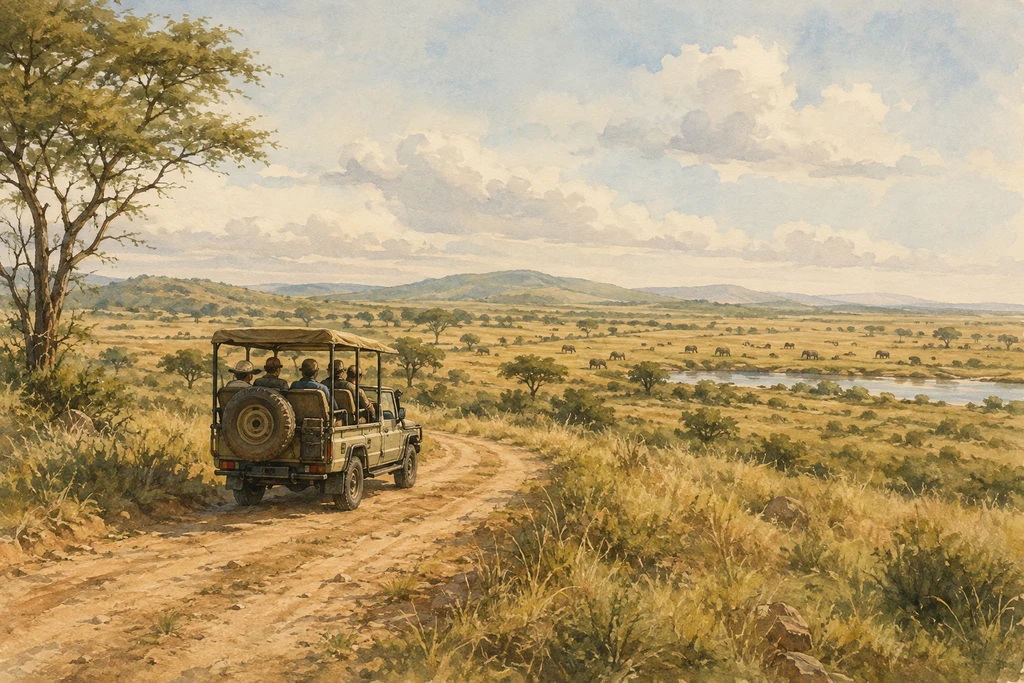
A private-reserve game drive
Explore the reserve's open plains, woodland edges and river-linked habitats with a concession guide. Resident mammals provide the core experience whether or not migratory herds are nearby. Let local sightings shape the route and use the first and last daylight hours for the most comfortable viewing. Confirm the camp's operating area so the booking includes the reserve you intend to visit.
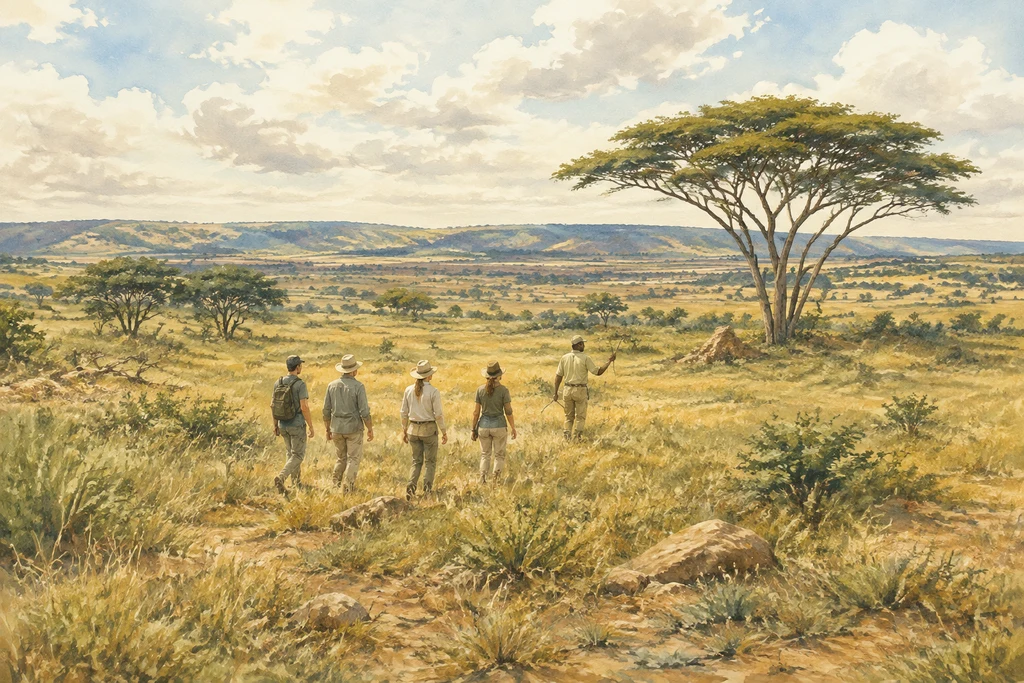
Walking with a concession guide
A guided bush walk shifts attention to tracks, grasses, insects and the small signs easily missed from a vehicle. It is an authorised concession activity, not permission to leave the vehicle independently. Arrange the walk through the camp, confirm its age and fitness requirements, and choose a cool morning. The guide decides the route around wildlife, weather and current access.
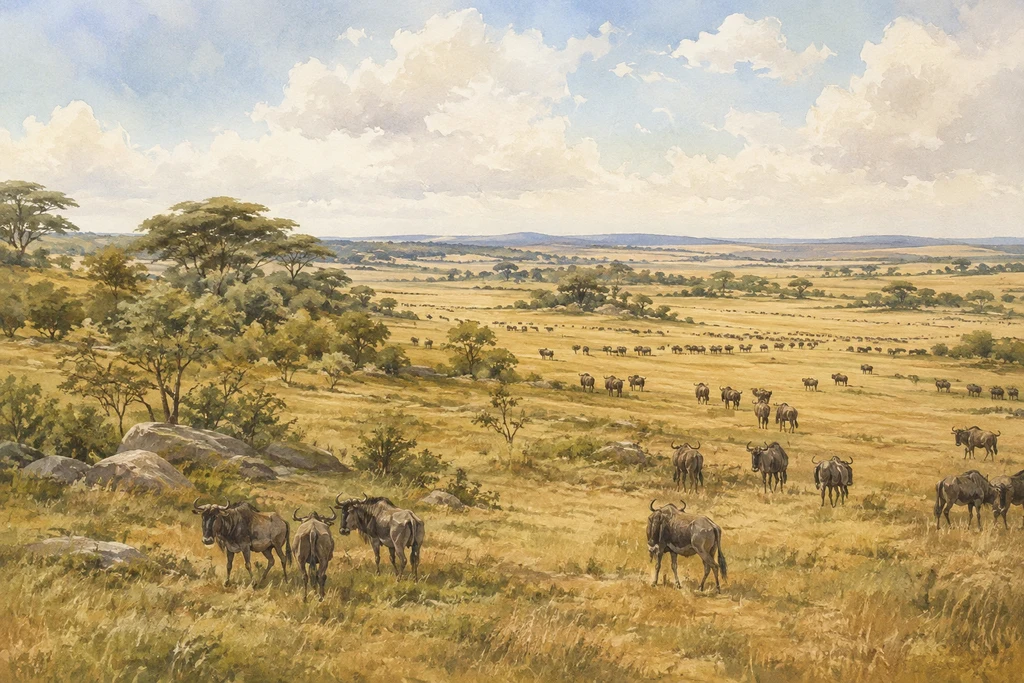
Following the western migration
When herds reach the western corridor, use current guide reports to spend time along their grazing and movement routes. A stay of several nights gives more flexibility than a timed river stop. The Grumeti crossing season is variable, and herds can move through without providing a dramatic crossing in view. Keep resident wildlife drives in the programme so the visit remains worthwhile.
Habitats and flora
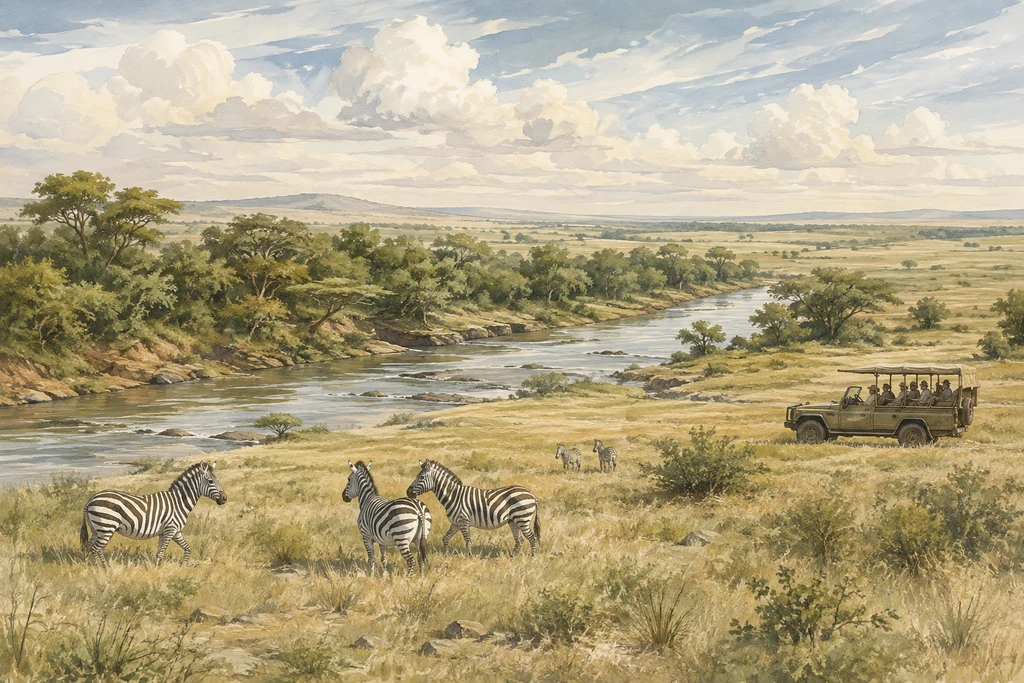
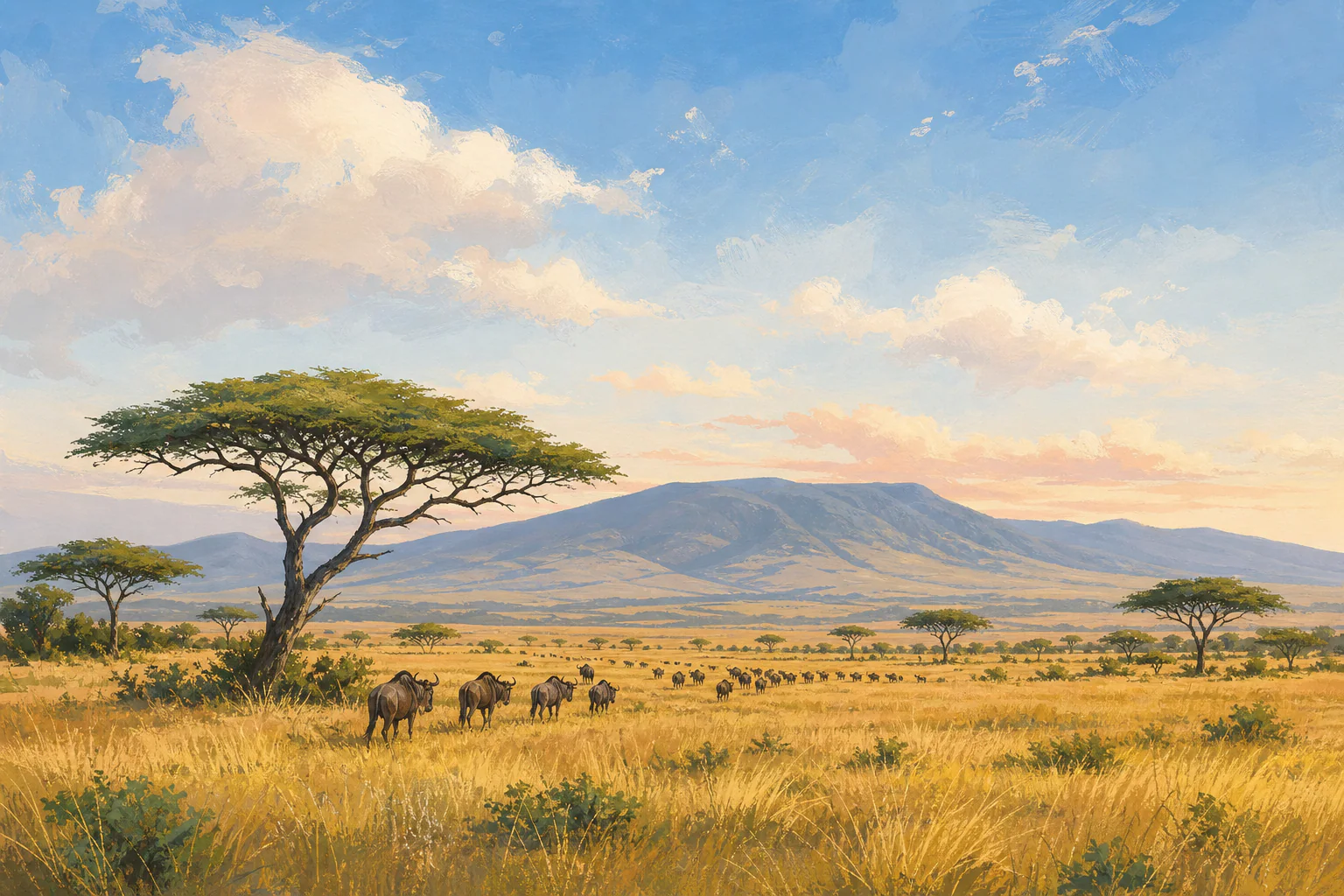
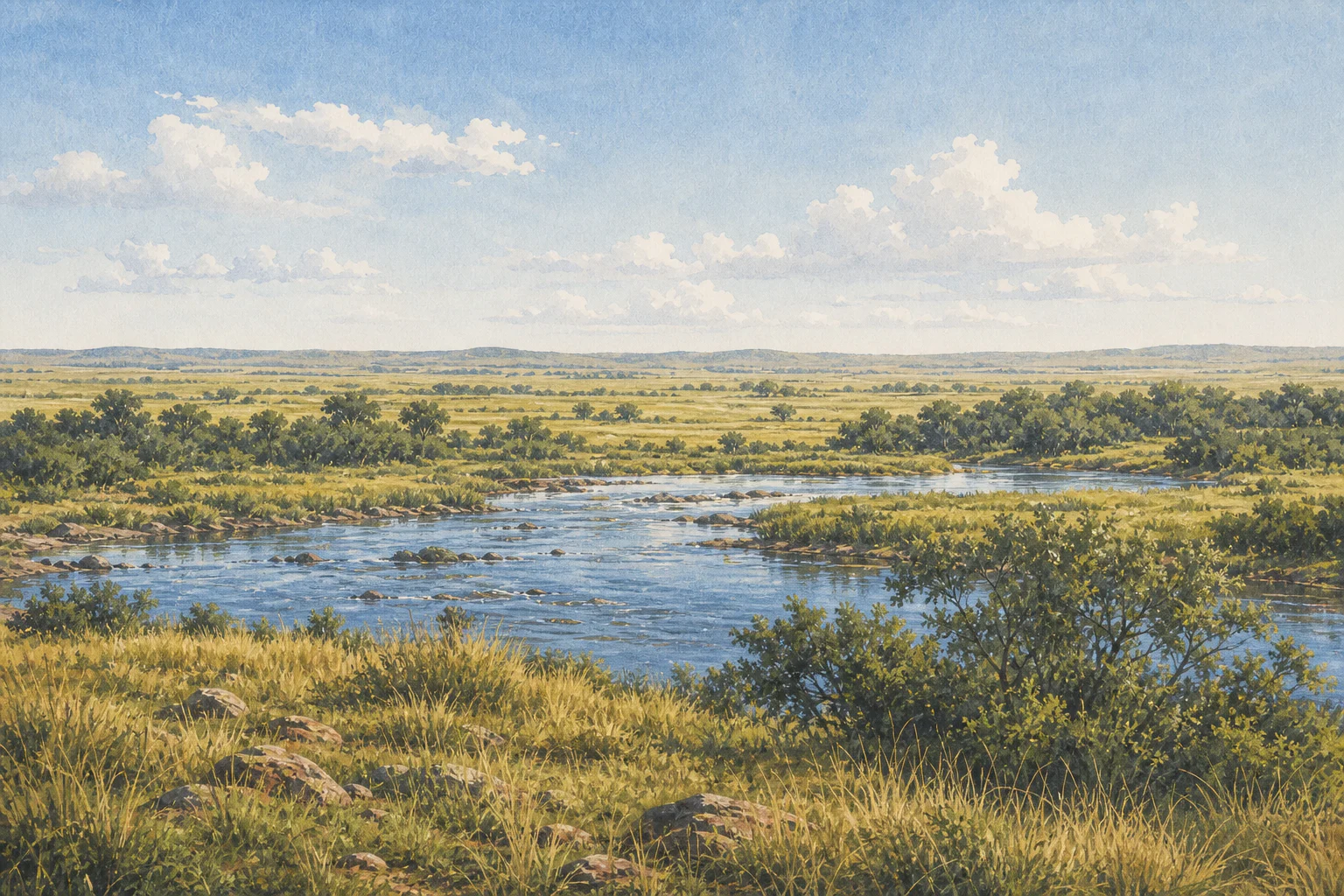
Grumeti's western savannah is a mosaic of open grazing plains, wooded ridges and greener corridors along drainage lines and the Grumeti River system. That variety lets a drive move between grazing herds, browsing giraffes and shaded areas used by predators. Grass height and surface water change strongly with the rains, so the western landscape can feel very different between April and September. Migratory wildebeest pass through as part of a much larger ecosystem, while resident animals remain important outside that movement. The reserve should be understood as a specific concession landscape, not a synonym for every western Serengeti lodge.
Park fees and restrictions
Published official rates · From Oct 25, 2024 · No published end date
Per person · Non-East-African citizens · TZS
| Visitor | Age | Park entry | Overnight fee | Camping fee |
|---|---|---|---|---|
| 1 adult | 16+ years | TZS 375,000 | Not available | Not available |
| 1 child | 5–15 years | TZS 185,000 | Not available | Not available |
| 1 infant | Under 5 years | Free | Not available | Not available |
Tax treatment is not specified in this schedule. Overnight and camping fees are alternative additions to park entry; activity fees may apply separately.
- Published conservation fee for non-East-African citizens visiting Grumeti Game Reserve, per person per day. The gazetted schedule has no stated expiry; confirm that no later notice or concession-specific arrangement changes the quote.
- The conservation fee does not itself grant lodge or concession access. Arrange the visit through the authorised reserve operator and confirm accommodation, concession, activity, vehicle and other charges separately.
- Tanzanian/East-African citizens and expatriate/Tanzania-resident visitors have separate official rate categories. Confirm the applicable category; the displayed non-East-African-citizen rate is not a universal rate for all international visitors.
- Tax treatment is unspecified. Amounts remain in the published currency without a VAT adjustment. “Not available” does not mean free accommodation or camping.
Official fee information
- TAWA official regulations: Grumeti conservation fees, page 7Checked Sep 7, 2026