
Best time and high seasonality
Compare recommended travel periods, typical demand seasons, weather comfort, and sky conditions across all twelve months.
- Average daytime high
- 32.9°C
- Average nighttime low
- 20°C
- Average rainfall
- 43.7 mm / month
2001–2020 climate averages for Southern Mkomazi lowland; hill country is cooler. Gridded regional estimates, not a forecast or a park-wide measurement.
Weather and travel guidance
January is warm to hot in Mkomazi’s southern lowlands, with a relative easing of the short rains rather than a reliably dry month. Acacia woodland can remain green, and showers may soften side tracks while leaving long bright intervals for drives. The higher ground towards the Pare and Usambara ranges is cooler and can hold more cloud. Plan active outings early, carry drinking water and keep a light rain layer close. Confirm access to the rhino sanctuary separately; its controlled visits are not an ordinary open-road sighting.
February often offers a comparatively drier break between Mkomazi’s two wetter periods, but the lowland heat remains important for trip planning. Grass and leafy woodland can make smaller antelope harder to pick out than in the late dry season. A clear morning does not rule out a later shower, especially near the surrounding hills. Start drives before the strongest heat, build in a shaded midday pause and check recent track conditions with the park. Keep sanctuary appointments distinct from general wildlife-drive timings.
March brings a growing chance of sustained rain as the long-rains period develops. Mkomazi’s open country can become greener quickly, with changing cloud, humid afternoons and muddy sections on less-used tracks. Rainfall is uneven across the park, and the lowlands remain warmer than the western hills. Allow spare transfer time after storms and use suitable vehicles for the planned circuit. Waterproof camera bags and shoes with good grip are useful; wildlife viewing needs patient scanning through the recovering vegetation.
April is one of Mkomazi’s wetter months, with frequent cloud and a greater risk of rain interrupting drives. Water can collect on low-lying sections, while rough or clay-rich side roads may become slow after repeated showers. The landscape is green, but dense growth and widespread water can reduce the easy visibility of dry-season outings. Keep the route flexible, confirm the condition of access roads and avoid promising a full circuit in advance. Pack quick-drying layers and protection for equipment without assuming every day is wet.
May usually remains changeable as the long rains begin to ease, and wet ground may persist after skies improve. Temperatures become more comfortable than in the hottest months, particularly for early drives, while Mkomazi’s higher terrain can feel distinctly cool under cloud. Green woodland and grass provide an attractive setting but can still conceal animals. Ask which circuits have dried sufficiently before fixing daily plans. Bring a light warm layer alongside rain protection, and allow longer journeys where tracks remain soft.
June marks a shift towards Mkomazi’s cooler, drier travel period, although isolated showers are still possible. Lowland tracks generally begin to improve as accumulated moisture drains away, and vegetation starts to thin gradually rather than changing overnight. Early drives can feel cool in an open vehicle, with pleasant warmth returning later. Combine a light jacket with sun protection and check any remote section before departure. Rhino-sanctuary visits still require their own arrangements; improving weather does not remove access controls.
July is usually among Mkomazi’s cooler and drier months, making longer wildlife drives more comfortable than in the hot season. Mornings may begin with cloud or a cool breeze, especially near the surrounding hills, before the lowlands warm up. Grass is progressively drying and animals can be easier to notice in the open country. Pack layers for the start of the day and keep water available even when it feels mild. Dust may increase on busy tracks, so protect camera equipment and allow adequate time between separate park activities.
August generally brings dry conditions and comfortable mornings, with warmer afternoons across Mkomazi’s lowlands. Vegetation is becoming more open, but wildlife remains dispersed across a large landscape and should not be sold as constant roadside viewing. Occasional cloud or a light shower is compatible with this dry-season pattern. Plan unhurried drives with time to scan acacia scrub for antelope, and carry sun protection for exposed stops. Check vehicle readiness and water supplies before extending a route beyond the better-used circuits.
September is typically dry and becoming warmer, with clearer intervals and increasing dust on exposed tracks. Mkomazi’s open plains and thinning woodland can offer useful visibility, while the hills provide a cooler contrast when cloud develops. A shower is possible, but sustained rain is not normally the central planning concern. Give priority to early and late drives, allow a comfortable midday break and protect eyes and cameras from dust. Keep enough drinking water aboard and confirm sanctuary timing before combining it with a longer circuit.
October is a warming transition towards the short rains, so a dusty morning can be followed by a sudden storm. The timing of the first useful rainfall varies, and different parts of Mkomazi may remain dry while nearby tracks receive a soaking. Heat can be more limiting than cloud for exposed activities. Use the cooler start of the day for longer drives, carry both sun and rain protection and reassess side roads after heavy showers. Avoid treating a first green flush as proof that the whole park has entered a settled wet-season pattern.
November is commonly a wet month in Mkomazi, as the short rains refresh the lowland plains and surrounding woodland. Warm, humid spells alternate with showers and thunderstorms, and road conditions can change quickly after a concentrated downpour. Fresh growth and seasonal bird visitors add interest, though dense vegetation can complicate mammal viewing. Build flexibility into drive lengths and transfer times, keep equipment waterproofed and ask about the intended circuit each day. Arrange controlled sanctuary visits independently of the weather forecast.
December remains warm and showery, with green vegetation and a continuing chance of storms during the short-rains season. Rain is often intermittent rather than continuous, but successive showers can leave Mkomazi’s side tracks slow or muddy. The lowlands can feel hot and humid between clouds, while nearby higher ground is cooler. Start activities early, use breathable clothing and keep a rain layer accessible in the vehicle. Confirm access after recent downpours and leave room to adjust the day instead of promising fixed wildlife or clear mountain views.
- Travel recommended
- January to February, June to October
- Typical travel season
- Shoulder · May to June, November to February
- Weather comfort
- Good · January to February, September to October
How to read this: month icons show the typical sky and rain pattern; Weather grades broad travel comfort; Travel Seasons show typical demand and pricing. None is a forecast, and supplier periods vary.
Wildlife Overview
Wildlife to look for in Mkomazi National Park. Labels describe typical encounters in suitable habitat; season, conditions and time spent exploring all make a difference.
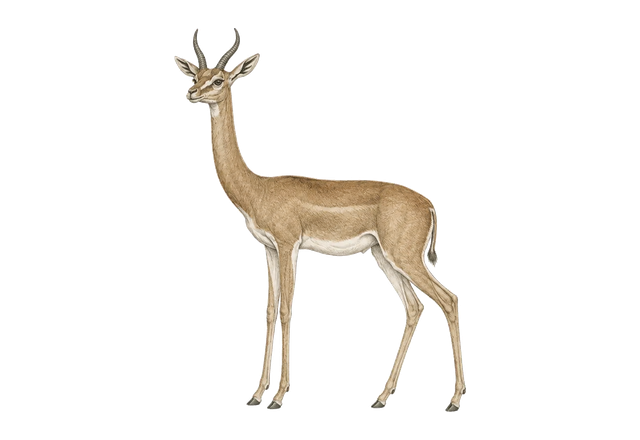
- GerenukDry bush and acacia habitat; patient scanning neededLikelihood: Occasional
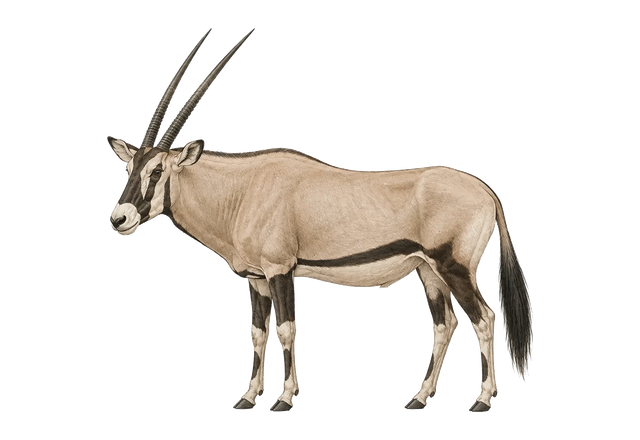
- Fringe-eared oryxDry grassland and open bush; local movements affect viewingLikelihood: Occasional
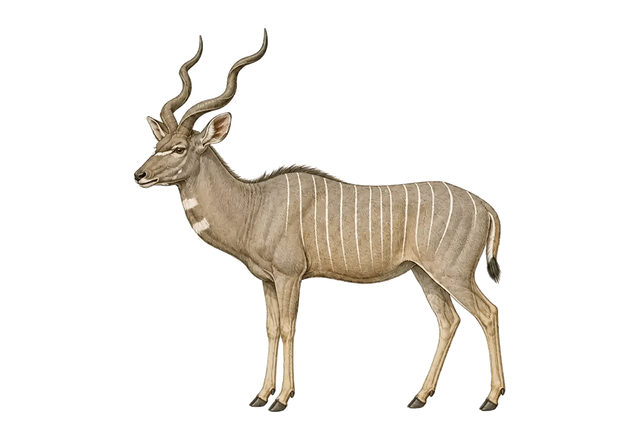
- Lesser kuduThornbush cover; often concealed despite suitable habitatLikelihood: Occasional
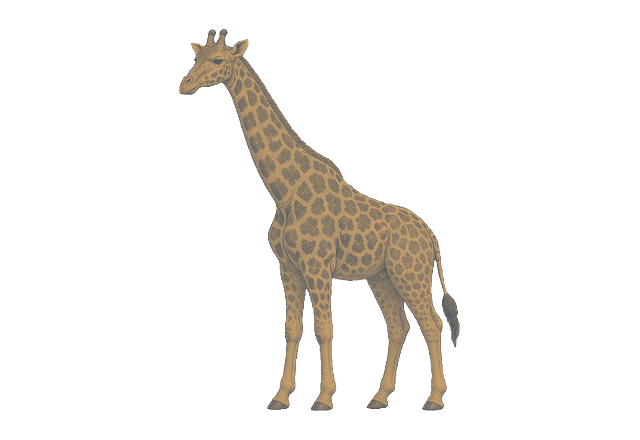
- Masai giraffeAcacia woodland and open browsing areasLikelihood: Common
- Plains zebraOpen grassland sectors along authorised drive routesLikelihood: Common
- African bush elephantWide-ranging animals in the Tsavo–Mkomazi landscapeLikelihood: Occasional
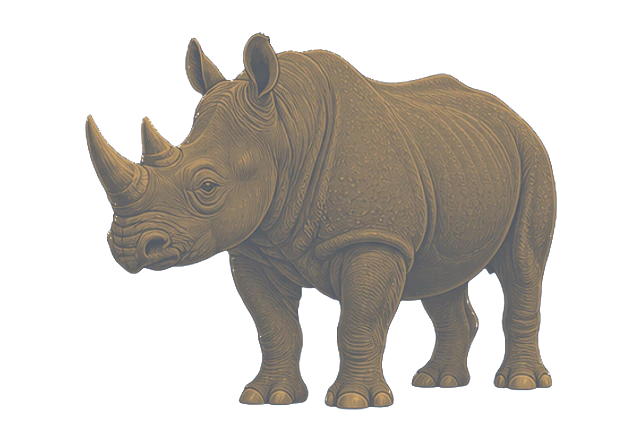
- Black rhinocerosSeparately booked managed sanctuary only; not ordinary game drivesLikelihood: Common
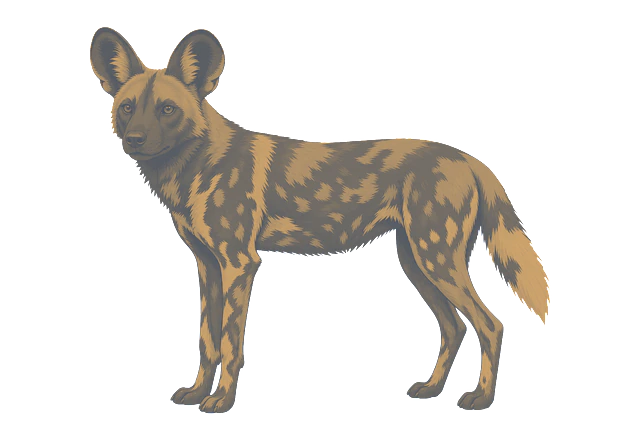
- African wild dogManaged conservation programme; no routine free-ranging sightingsLikelihood: Very rare


Things to do in Mkomazi National Park
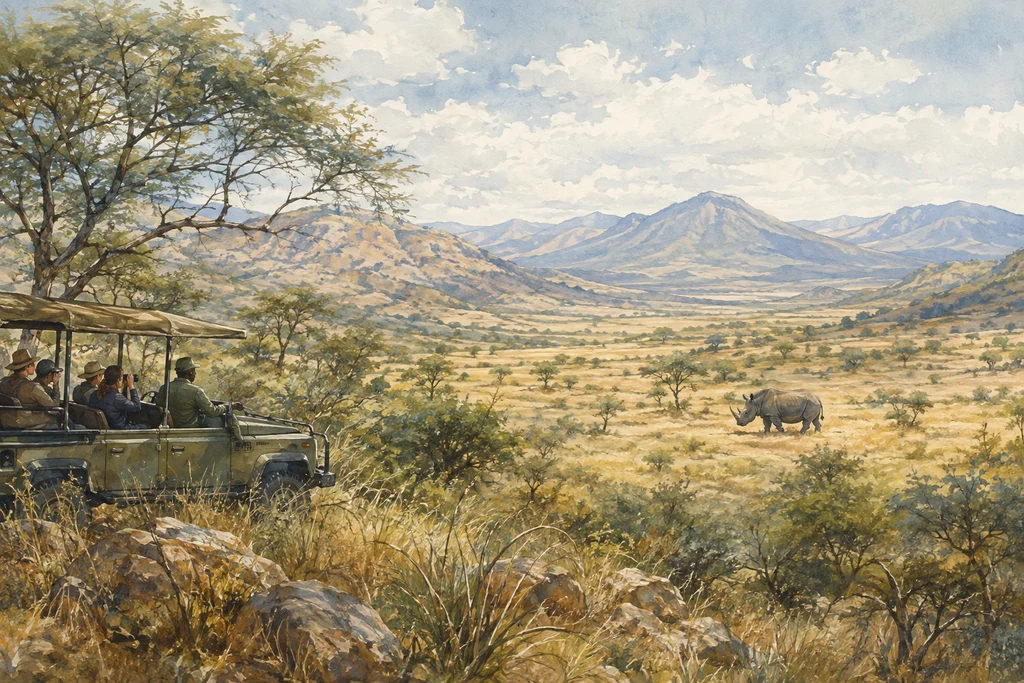
A black-rhino sanctuary visit
Arrange the authorised sanctuary experience to learn about black-rhino conservation and view animals within the managed setting. Book access through the appropriate park or operator channel and confirm the separate charge and current visiting arrangements. This is not a promise of free-ranging rhinos on an ordinary game drive. Follow the guide's distance and photography instructions throughout.
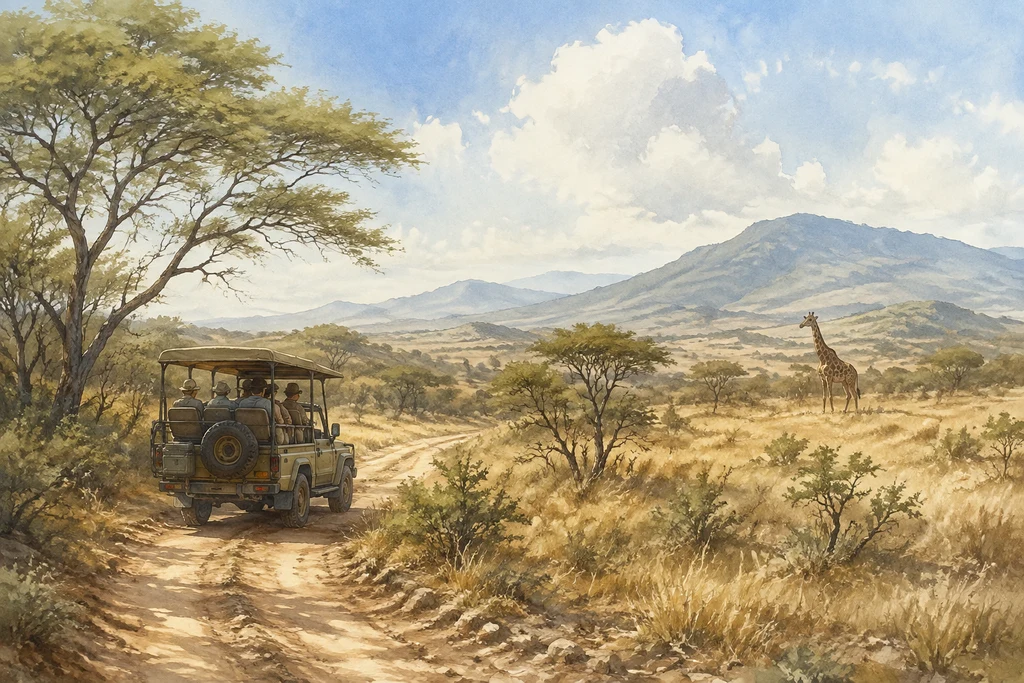
A dry-country game drive
Explore the open plains and thornbush at a patient pace, watching for browsing gerenuk, lesser kudu and fringe-eared oryx as well as more familiar safari mammals. These animals can be concealed or widely spaced, so the experience rewards careful scanning rather than a rush between sightings. Start before the strongest heat and let recent rain and local access determine the route.
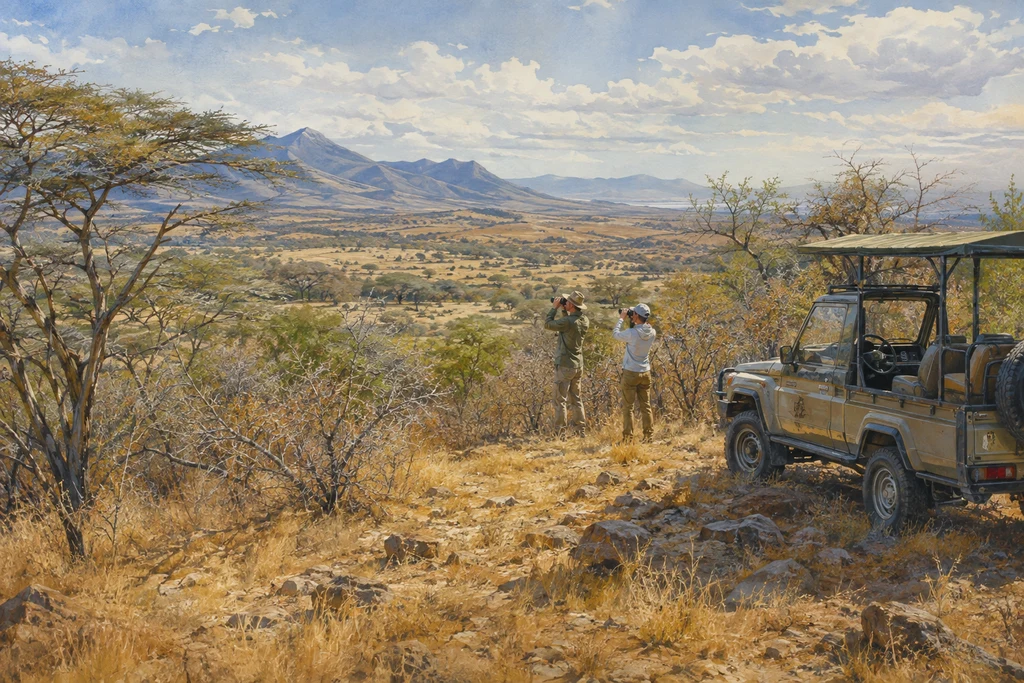
Birding beneath the mountain backdrop
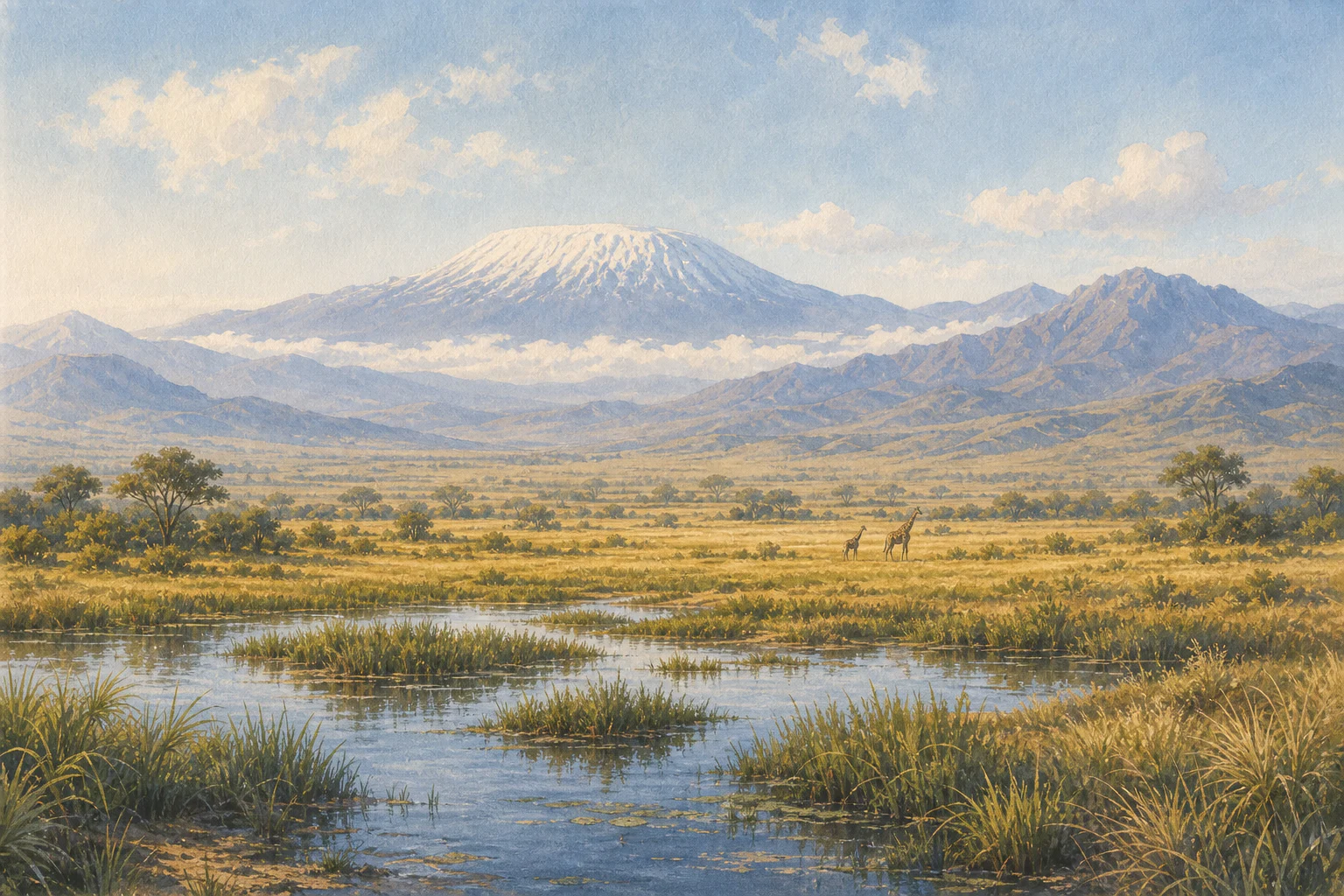
Look for ostriches, kori bustards and secretarybirds on the grassy plains, then watch woodland edges for violet wood-hoopoes and other canopy birds. The Pare and Usambara ranges give the route a distinctive backdrop. Use short, quiet stops along authorised park roads, with binoculars ready for brief movements or calls. Morning light and cooler air make a patient birding circuit more comfortable than a long midday search.
Habitats and flora
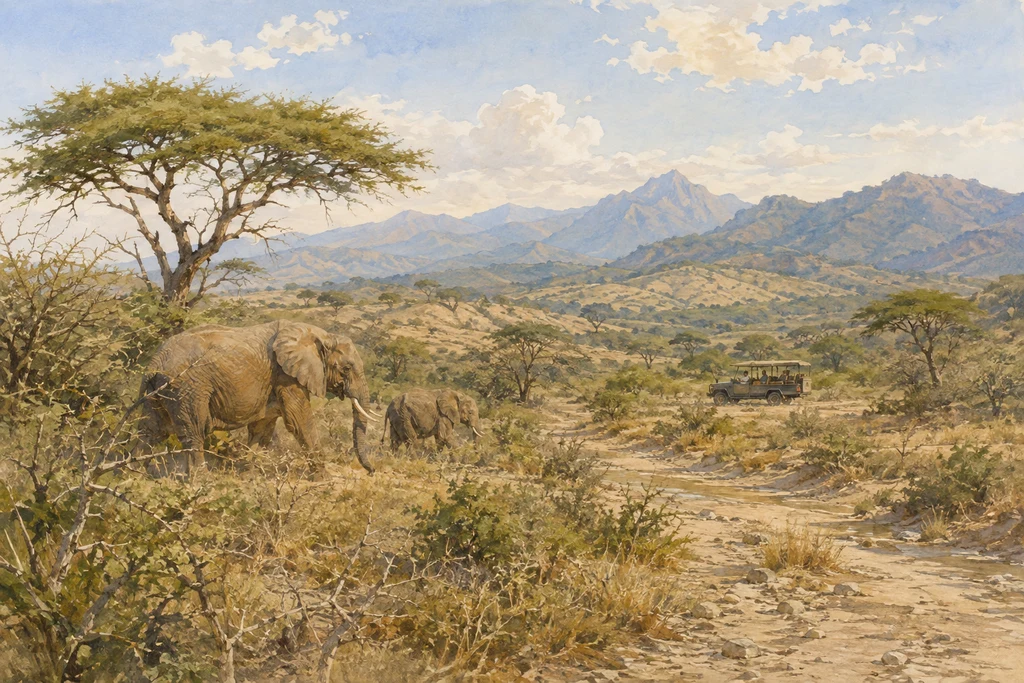
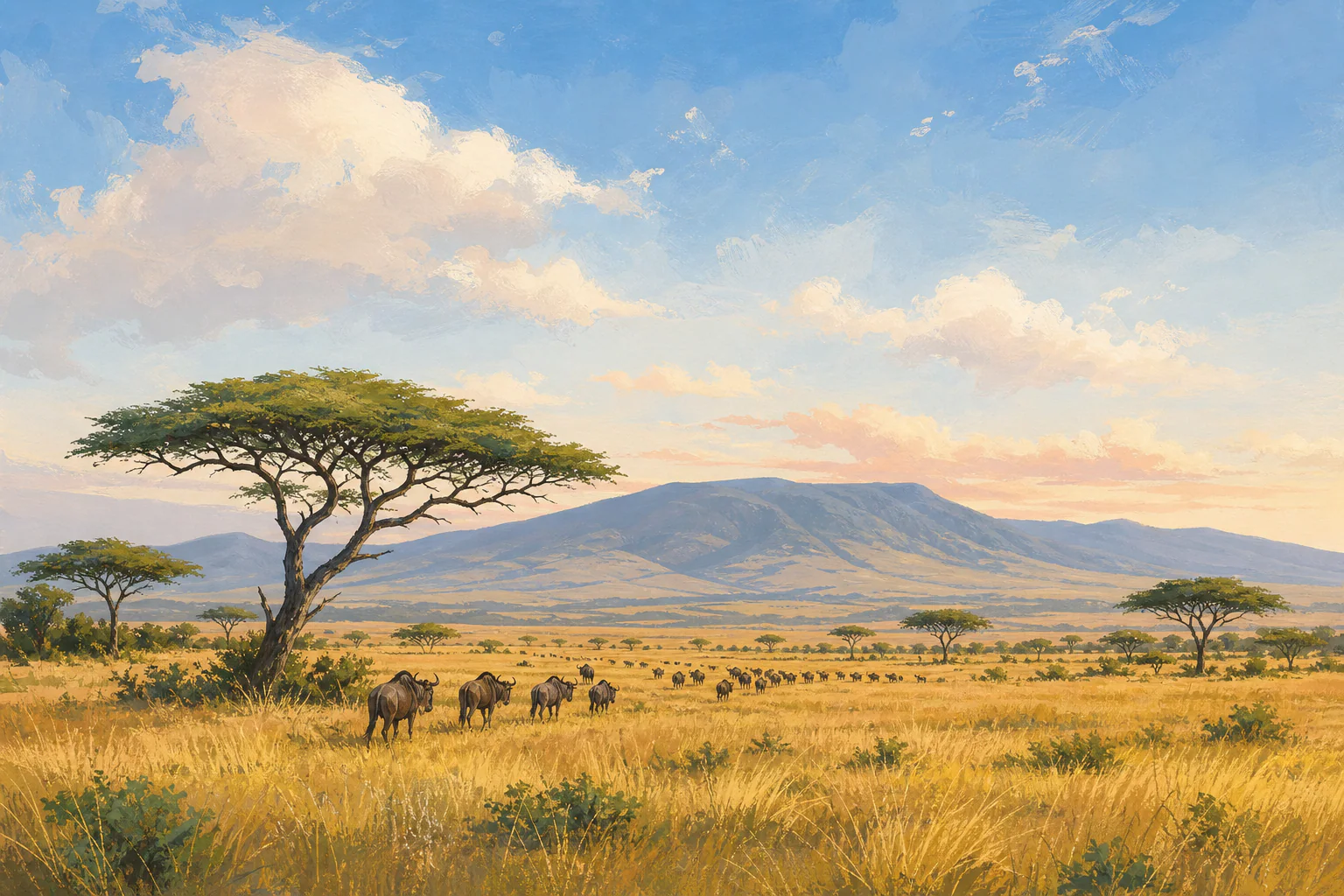
Mkomazi sits in the drier country linking northeastern Tanzania with the Tsavo ecosystem. Open grassland, thorny bush and acacia woodland create feeding niches for animals such as gerenuk, lesser kudu and fringe-eared oryx, while the surrounding hills add relief to the horizon. After rain, green growth can appear quickly without making this a rainforest destination. In the dry months, shade and water become more influential in planning a drive. The fenced rhino sanctuary is a distinct managed conservation area within the broader landscape; it should not be confused with an unrestricted search for rhinos across the whole park.
Park fees and restrictions
Planning reference rates · Jan 1, 2026 – Dec 31, 2026
Per person · International nonresident visitors · USD
| Visitor | Age | Park entry | Overnight fee | Camping fee |
|---|---|---|---|---|
| 1 adult | 16–99 years | USD 36 | Not available | Not available |
| 1 child | 5–15 years | USD 12 | Not available | Not available |
| 1 infant | Under 5 years | Free | Free | Free |
Tax treatment is not specified in this schedule. Overnight and camping fees are alternative additions to park entry; activity fees may apply separately.
Additional charges
- Vehicle Fee 2-3T
- USD 24 / Per vehicle in the stated weight category; confirm applicability
- MeisterCRM planning rates for foreign non-resident visitors, not an official tariff. Check the selected travel dates and age bands, and confirm final charges before booking.
- Entry is shown per person. Overnight and camping are alternative additions for the selected stay arrangement, not two charges to add together. “Not available” means a charge has not been established; it does not mean free. The planning workbook does not specify permit duration or re-entry rules; confirm the charging period and any repeat-entry fee before quoting.
- Tax treatment is unspecified. Vehicle, guide, specialist activity, transfer and other charges may apply separately. Activity eligibility and any minimum age must be checked separately from admission.
Official fee information
- Official TANAPA tariff verificationChecked Sep 7, 2026