
Best time and high seasonality
Compare recommended travel periods, typical demand seasons, weather comfort, and sky conditions across all twelve months.
- Average daytime high
- 30.8°C
- Average nighttime low
- 24.6°C
- Average rainfall
- 118.1 mm / month
2001–2020 climate averages for Saadani coastal lowlands and Wami estuary. Gridded regional estimates, not a forecast or a park-wide measurement.
Weather and travel guidance
January often offers a relative break in rain at Saadani, although coastal humidity and occasional showers remain. The Indian Ocean setting makes it feel different from Tanzania’s cool inland highlands: light clothing is useful through the day, with sun protection even under broken cloud. Combine an early land outing with a Wami River boat trip where conditions permit, leaving room for shaded rest. Sea conditions and tides are separate from the rainfall pattern, so do not promise a particular beach or sandbank excursion from the month alone.
February is commonly a useful drier interval on the Saadani coast, with warm days and humid air rather than cool safari weather. An isolated shower is still possible, and vegetation reflects how much rain fell earlier in the season. Morning game drives and a later Wami outing can give clients a good contrast between grassland and river habitats. Keep midday plans light and arrange any beach time with local tide and safety advice. Dry weather on land does not guarantee calm water or clear visibility for a marine activity.
March marks the build-up of Saadani’s longer rains. Warm, humid conditions and heavier showers can affect unsealed access roads and low-lying park circuits, while the Wami and its surroundings respond to rainfall beyond the immediate coast. Choose a flexible base and allow additional transfer time instead of planning an arrival-day activity to the minute. Birds, mangroves and green scenery can still give the visit substance between showers. Carry rain protection and treat boat or beach plans as dependent on local water and weather conditions.
April is a wet-season month on the Saadani coast, with heavy showers and muddy patches capable of changing a day’s plans. Rainfall upstream can also affect the Wami, so river conditions are not determined only by the sky above the lodge. This is a less straightforward choice for clients wanting a tightly scheduled bush-and-beach combination. Confirm access before departure, keep outdoor activities adaptable and select accommodation with useful sheltered space. Waterproof bags and realistic road-transfer buffers matter more than maximising the number of outings.
May can remain wet at Saadani even as temperatures begin to feel less intense than earlier in the year. Showers, damp tracks and lush vegetation still shape the land safari, while the Wami estuary adds its own water-level and tidal considerations. It is sensible to organise a smaller number of flexible outings rather than assume every circuit and boat route will be available. Choose early clear intervals for a drive, keep luggage dry on transfers and check beach conditions locally. The mainland rainy season does not end on a fixed date.
June is a transition towards Saadani’s drier visiting period, but coastal showers can persist and track conditions may lag behind improving skies. Days are generally less hot than in the early-year months, making a varied land-and-river programme more comfortable. Start with circuits reported open, then add a Wami boat outing when the operator confirms conditions. A light layer is useful on a breezy departure, alongside rain protection. Keep ocean plans flexible: reduced rainfall is not the same thing as a calm sea or a suitable tide.
July is usually one of the more comfortable months for exploring Saadani, with lower rainfall and cooler coastal mornings. Main game-viewing circuits tend to be easier to use than during the long rains, while a Wami River outing provides a different view of mangroves and waterside wildlife. Allow for breeze on a boat and bring a light layer as well as a hat. Good land-weather conditions do not remove tides or currents from beach planning. Use local advice for any shore activity and leave the hottest hours for a shaded break.
August generally remains in Saadani’s drier, relatively comfortable season. Sunshine and intervals of coastal cloud can accompany warm afternoons, while occasional showers are still possible near the ocean. This gives an adaptable combination of early game drives, river observation and time at camp without the access concerns typical of April. Take a light layer on the boat, secure loose items against the breeze and protect cameras from spray. Any sandbank or beach excursion still needs an appropriate tide and local operating conditions.
September is often a useful dry-season month at Saadani, with increasing warmth but generally less rain than in the long-rain period. Land circuits and the Wami can be combined into a varied day, provided the itinerary respects the distinction between wildlife drives, river trips and open-coast conditions. Begin on land while temperatures are lower and use a shaded pause before the next outing. Keep sun protection close even when a sea breeze makes the air feel comfortable. An occasional shower should not be mistaken for a predictable seasonal change.
October brings warmer, more humid conditions and a rising chance of Saadani’s short rains. Sunny spells can still support a varied visit, but a heavy local shower may quickly affect an unsealed track or transfer road. Fresh growth changes the appearance of the grassland, while the Wami remains a separate habitat worth exploring when river conditions allow. Avoid packing the day with fixed outdoor appointments. Start early, carry a light waterproof layer and leave beach or sandbank arrangements dependent on tides and the actual coastal forecast.
November is a short-rain month at Saadani, with warm, humid air and a greater need to work around showers. The return of greener vegetation and seasonal visiting birds can make river and woodland observation rewarding, even when large-mammal viewing is less open. Plan short, flexible drives and confirm Wami boat departures locally rather than guaranteeing an exact sequence. Unsealed road transfers deserve extra time after heavy rain. Bring rain protection that is comfortable in humid weather and keep electronics shielded from both showers and spray.
December is warm and humid on the Saadani coast, with changeable rain rather than a guaranteed dry beach holiday. Clear intervals can work well for a morning drive or a permitted Wami excursion, while greener cover calls for patient wildlife observation. Build the stay around variety and comfortable rest time instead of uninterrupted hours outside. Keep a waterproof layer handy and confirm the access route after recent rain. Sea state, currents and tides require their own local checks, even on a day when the land safari enjoys bright sunshine.
- Travel recommended
- January to February, June to October
- Typical travel season
- Shoulder · June to July, November to February
- Weather comfort
- Good · January to February, October
How to read this: month icons show the typical sky and rain pattern; Weather grades broad travel comfort; Travel Seasons show typical demand and pricing. None is a forecast, and supplier periods vary.
Wildlife Overview
Wildlife to look for in Saadani National Park. Labels describe typical encounters in suitable habitat; season, conditions and time spent exploring all make a difference.
- Masai giraffeCoastal woodland and open browsing habitat on inland drivesLikelihood: Common
- African buffaloGrassland and woodland near suitable waterLikelihood: Common
- HippopotamusWami River sections used by authorised boat safarisLikelihood: Common
- Nile crocodileWami riverbanks and estuary habitatLikelihood: Common
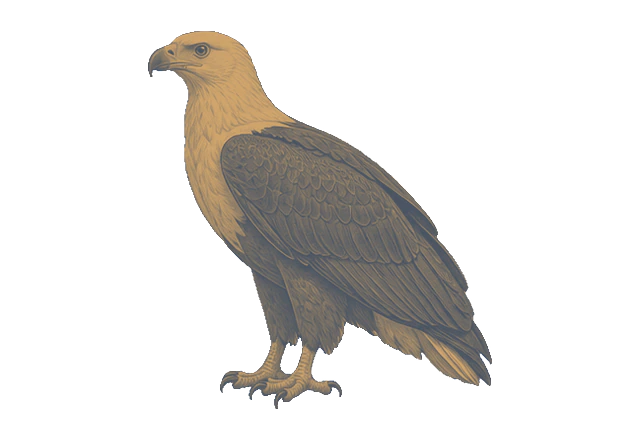
- African fish eagleWami and suitable coastal wetland habitatLikelihood: Common
- Common warthogOpen grassy areas on the inland visitor circuitLikelihood: Common
- African bush elephantInland woodland and bush; beach appearances are exceptionalLikelihood: Occasional
- LionLow-density, concealed predators; not a dependable short-stay sightingLikelihood: Rare
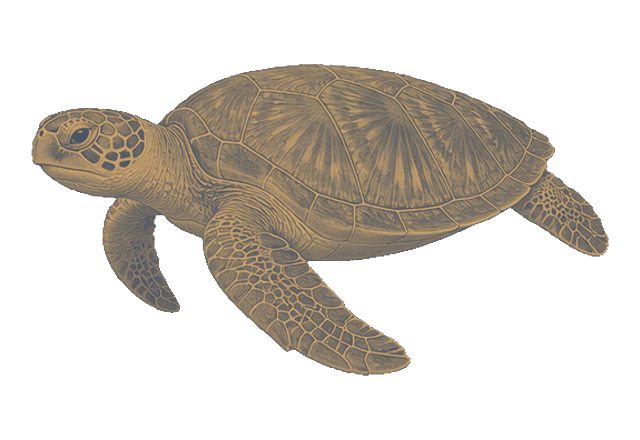
- Green sea turtleSeasonal nesting habitat; only authorised, low-disturbance viewing if availableLikelihood: Very rare







Things to do in Saadani National Park
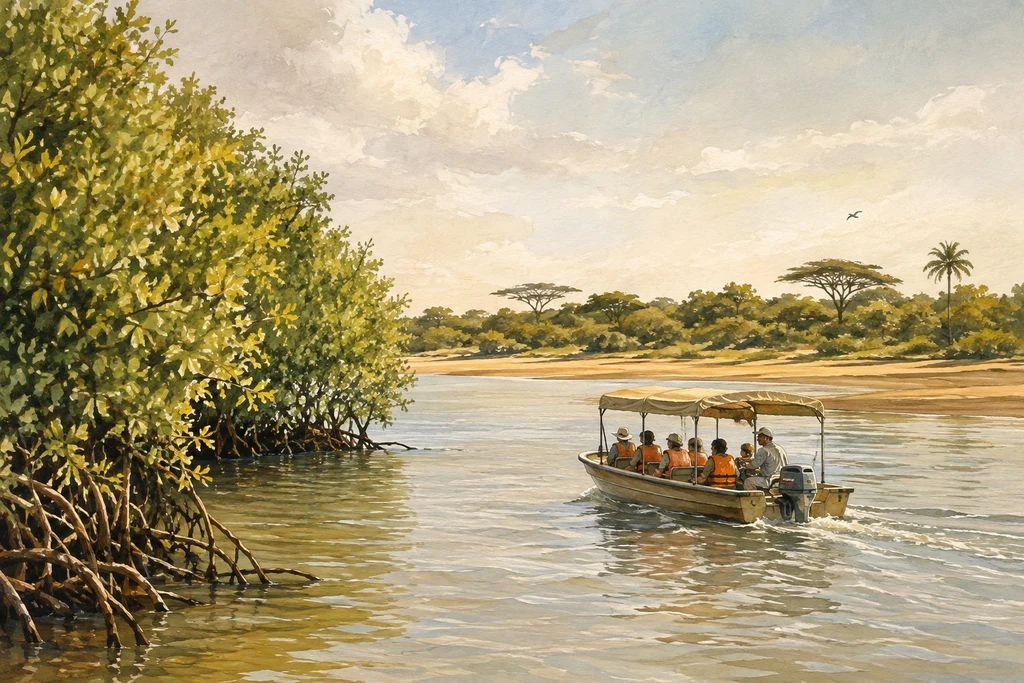
A Wami estuary boat safari
Explore an authorised section of the Wami with a boat guide, watching hippos, crocodiles and estuary birds from a safe position on the water. Tides, water levels and the day's conditions influence the route. Keep hands inside the boat and follow the crew's instructions near wildlife. Arrange the session through the operator rather than assuming any point on the river offers visitor access.
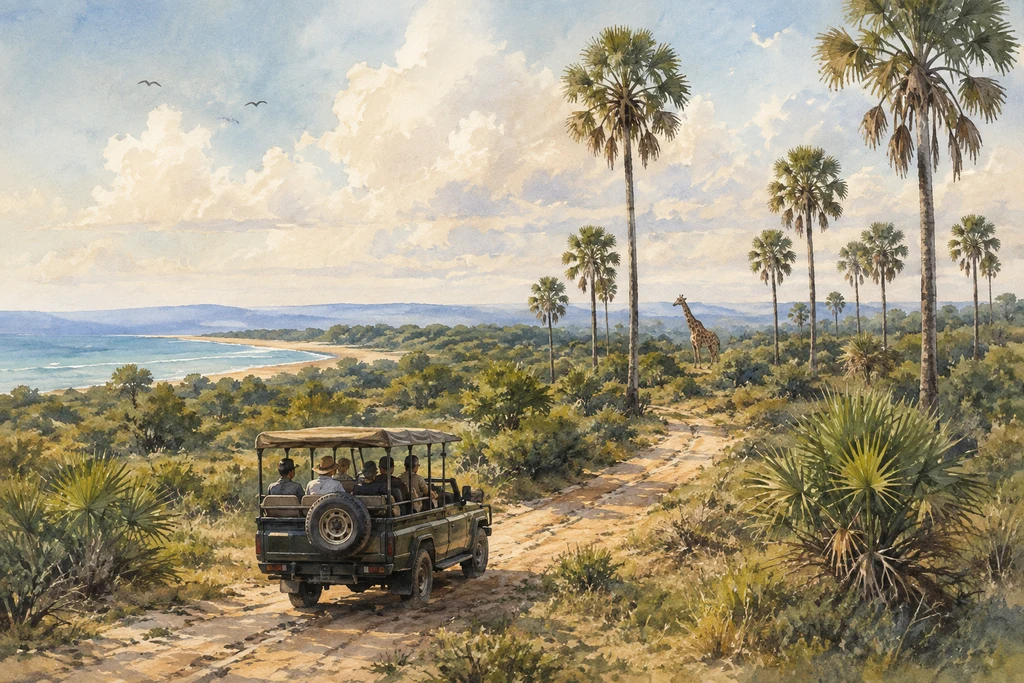
A coastal-bush game drive
Drive the approved grassland and woodland circuits, looking for giraffes, buffalo and other mammals while allowing time for birds and the coastal landscape. Wildlife can be dispersed, so patience matters more than the number of kilometres covered. Start in the cooler hours and check road conditions after rain. This outing is a complement to the river and beach, not a promise of Serengeti-style concentrations.
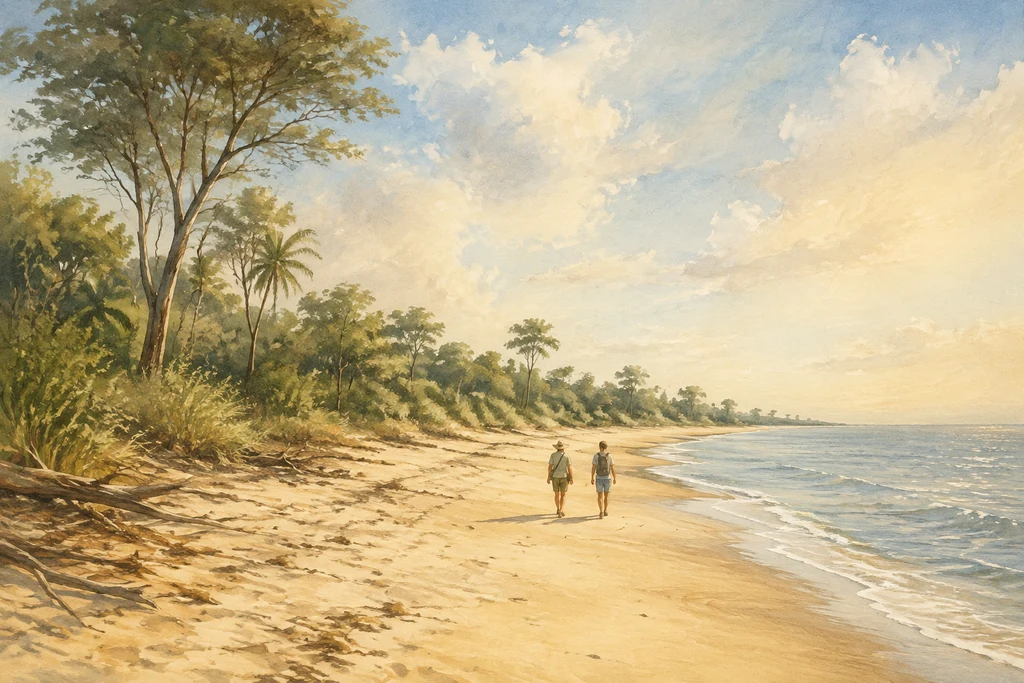
Walking the Saadani shoreline
Take an approved shoreline walk at a suitable tide, enjoying the meeting of coastal vegetation and the Indian Ocean. Keep away from nesting areas and follow local guidance if turtle tracks are present; an encounter should never be promised. Sun, wind and tides affect comfort independently of the inland game drive. Confirm the safe walking area and do not assume that a beach location means unrestricted swimming.
Habitats and flora
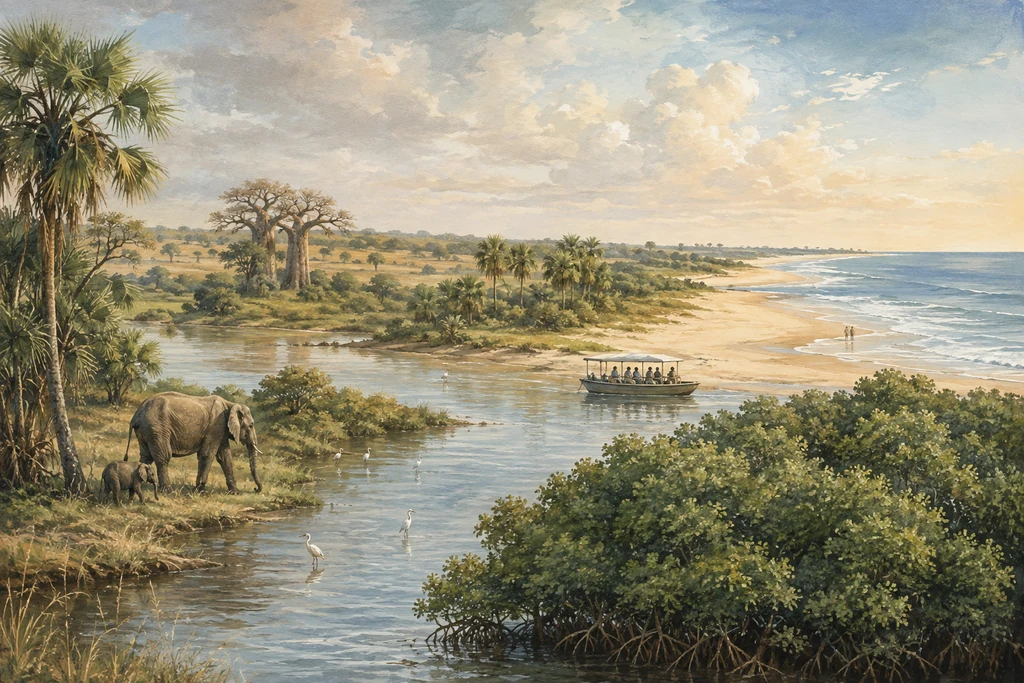
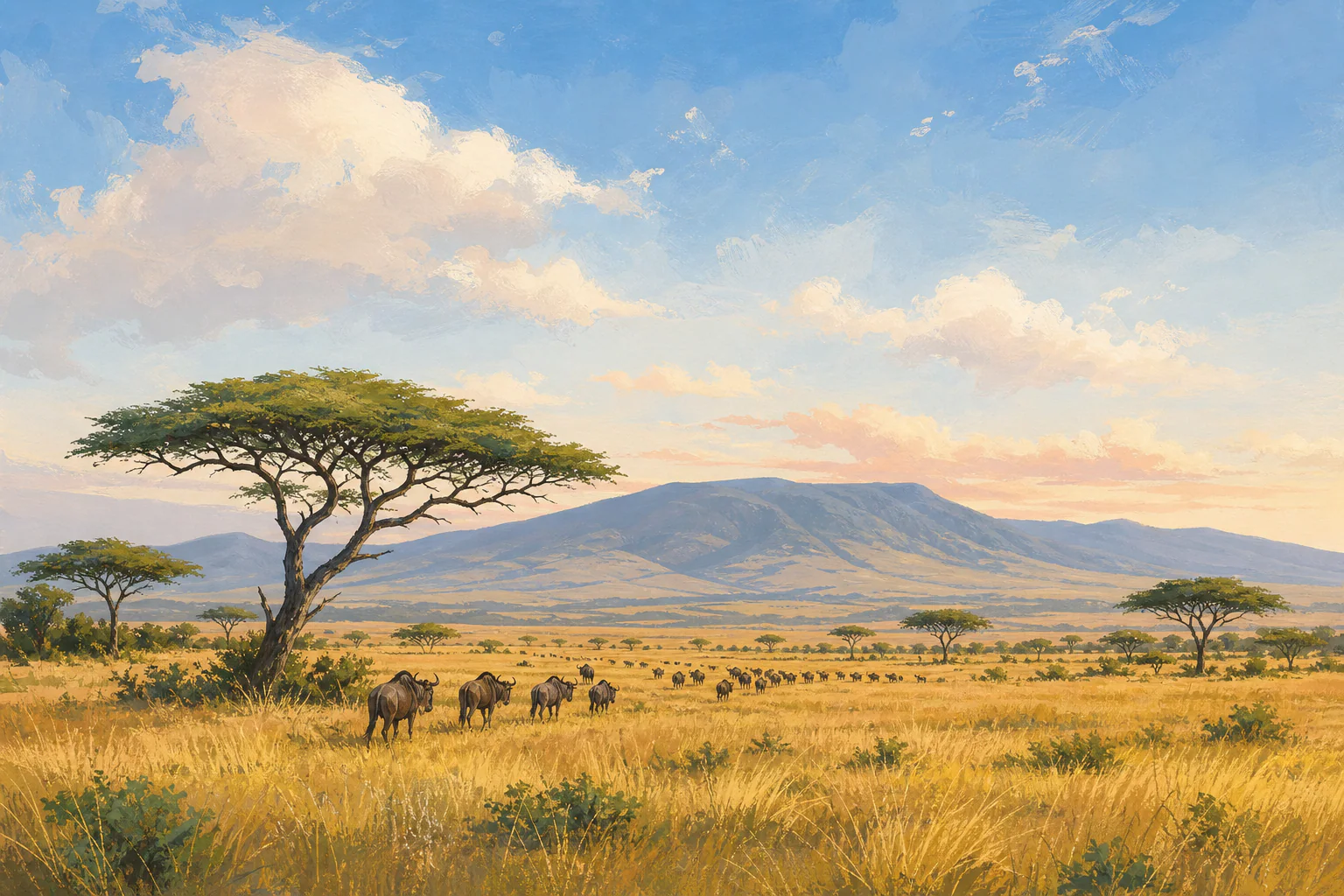
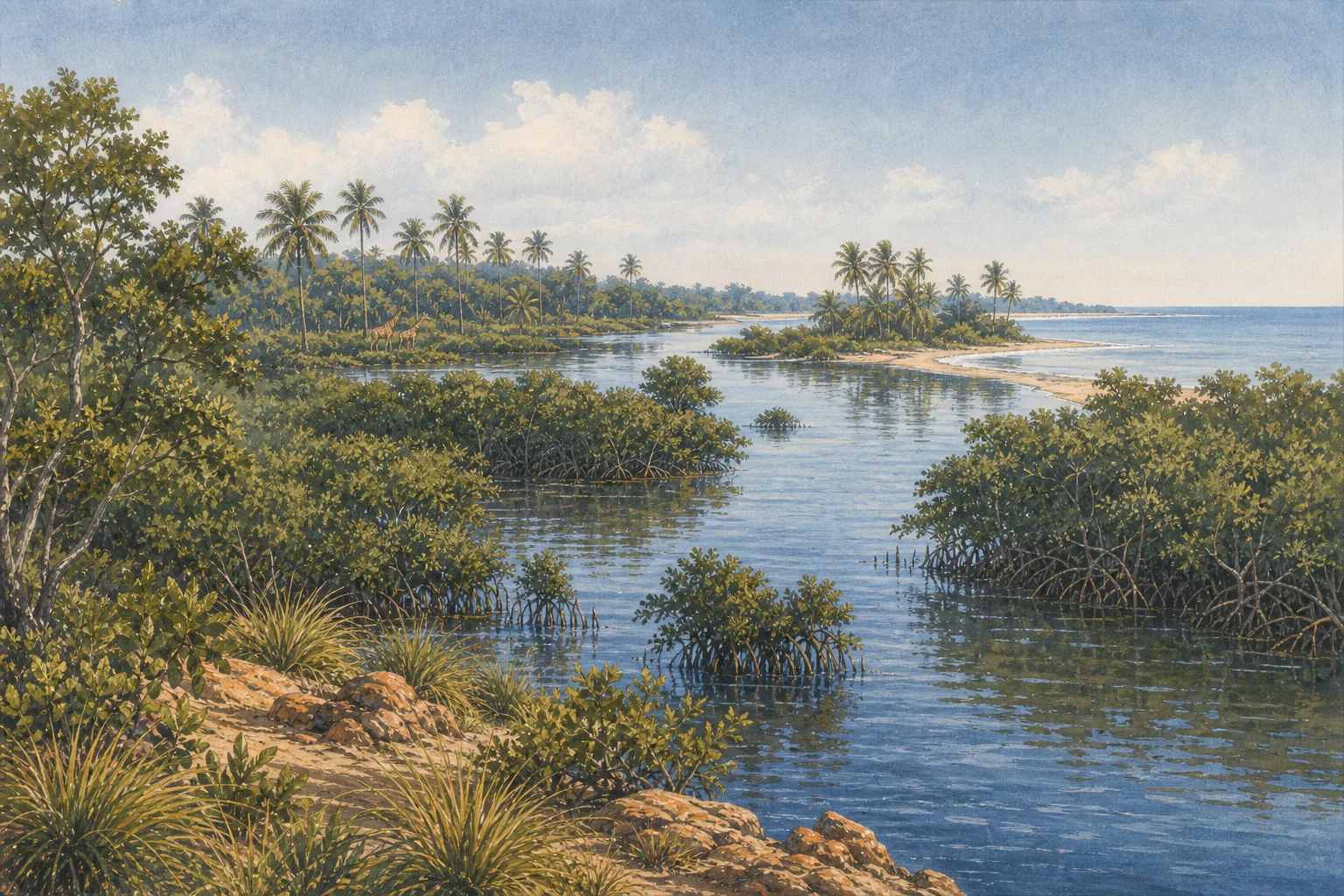
Saadani's landscape is a meeting of coastal grassland, woodland, thicket, mangroves and beach. The Wami estuary adds a tidal river environment where sandbanks and channels change the view during a boat outing, while inland drives explore browsing and grazing habitat. Salt-tolerant mangrove vegetation has a different role from the trees and grasses of the safari circuit, and the beach is also sensitive wildlife habitat rather than simply leisure space. Seasonal rain can soften roads well inland of the shoreline. A balanced visit uses these contrasts instead of relying on the unlikely image of a large mammal walking across the beach.
Park fees and restrictions
Planning reference rates · Jan 1, 2026 – Dec 31, 2026
Per person · International nonresident visitors · USD
| Visitor | Age | Park entry | Overnight fee | Camping fee |
|---|---|---|---|---|
| 1 adult | 16–99 years | USD 36 | Not available | Not available |
| 1 child | 5–15 years | USD 12 | Not available | Not available |
| 1 infant | Under 5 years | Free | Free | Free |
Tax treatment is not specified in this schedule. Overnight and camping fees are alternative additions to park entry; activity fees may apply separately.
Additional charges
- Vehicle Fee 2-3T
- USD 24 / Per vehicle in the stated weight category; confirm applicability
- MeisterCRM planning rates for foreign non-resident visitors, not an official tariff. Check the selected travel dates and age bands, and confirm final charges before booking.
- Entry is shown per person. Overnight and camping are alternative additions for the selected stay arrangement, not two charges to add together. “Not available” means a charge has not been established; it does not mean free. The planning workbook does not specify permit duration or re-entry rules; confirm the charging period and any repeat-entry fee before quoting.
- Tax treatment is unspecified. Vehicle, guide, specialist activity, transfer and other charges may apply separately. Activity eligibility and any minimum age must be checked separately from admission.
Official fee information
- Official TANAPA tariff verificationChecked Sep 7, 2026