
Best time and high seasonality
Compare recommended travel periods, typical demand seasons, weather comfort, and sky conditions across all twelve months.
- Average daytime high
- 25.7°C
- Average nighttime low
- 17.1°C
- Average rainfall
- 83.1 mm / month
2001–2020 climate averages for Mkata floodplain visitor area; surrounding hills differ. Gridded regional estimates, not a forecast or a park-wide measurement.
Weather and travel guidance
January is hot and humid on the Mkata floodplain. A lull between wetter spells can make game drives practical, but recent rain matters more than the calendar: low tracks may still hold water, while the grass is already green and tall. Start with the accessible northern circuits and allow time for patient scanning around woodland edges. An early drive followed by a shaded lunch works better than a full exposed midday outing. Carry a light waterproof layer and protect camera equipment from sudden showers.
February often brings sunny intervals and a relative break in rain, without the settled dryness of July. Heat builds over the open Mkata plains, and a short storm can quickly change a firm track into a muddy one. This is a useful month for combining grazing herds with colourful birdlife and green scenery, provided clients accept less predictable visibility through the grass. Plan the longest drive in the morning, keep water close at hand and use the afternoon for a shorter circuit when temperatures ease.
March moves Mikumi towards its wetter part of the year. Humid air, growing cloud and heavier showers can leave the Mkata floodplain soft underfoot, with access varying between individual tracks. Green grass spreads wildlife beyond the permanent pools, so a flexible route is more useful than a fixed checklist of sightings. Choose a stay with sheltered downtime, leave extra time for road transfers and favour circuits confirmed open that morning. Waterproof bags are useful even when the drive begins in sunshine.
April is a wet-season planning month in Mikumi, with frequent rain and saturated patches on the Mkata plains. Storms can interrupt a drive and make minor tracks unsuitable, although conditions are not identical across the park. The landscape is lush, with good opportunities to enjoy birds and changing light between showers. Build the visit around the northern tourist area, a capable vehicle and short, adaptable outings. Avoid attaching a tight onward transfer to a long game drive through rain-affected ground.
May is a transition: showers can persist early in the month, while longer dry breaks gradually improve driving conditions. The Mkata floodplain may remain green and locally waterlogged after the last substantial rain, so do not equate a sunny day with every track being open. Cooler mornings are comfortable for unhurried drives and birdwatching, with tall grass still affecting predator visibility. Pack a light layer for dawn and choose routes around actual ground conditions rather than the widest possible circuit.
June usually brings a clearer dry-season pattern to Mikumi, with much less rain and cooler starts. Some greenery remains on the Mkata plains, but tracks generally become easier to use as surface water retreats. This is a comfortable month for a substantial morning drive, a picnic at a designated site and another outing late in the day. Animals need not yet be tightly concentrated at the pools, so include grassland and woodland habitats. An extra layer is useful in an open vehicle before the sun warms the plain.
July is among Mikumi’s cooler, drier months. Mornings can feel fresh in an open safari vehicle, while afternoons are usually warm enough for light clothing. As the grass dries and smaller water sources shrink, the Mkata River and established pools become useful places to spend time, without guaranteeing any particular sighting. Good road conditions make it easier to vary the day’s circuit. Keep a warm layer within reach for dawn, allow for dust on busier tracks and avoid spending the entire midday in direct sun.
August is normally dry across Mikumi’s main game-viewing plains, with cool starts followed by warmer afternoons. Grass is increasingly pale and open, and wildlife viewing often benefits from reduced cover near the Mkata River and pools. Dust becomes a more noticeable part of a road safari, especially when vehicles follow one another closely. Leave space between cars, store cameras in a closed bag between stops and spend longer at selected water points. Early and late drives remain the most comfortable rhythm.
September stays largely dry but feels warmer as Mikumi approaches the hot end of the dry season. The open Mkata plains offer little shade, and remaining water points can reward a slow, observant drive. This combination suits clients prioritising mammal viewing, although dusty roads and afternoon heat deserve a realistic briefing. Begin early, plan lunch somewhere shaded and return for a shorter late drive. Include time near riverine vegetation, where animals may rest out of the strongest sun rather than on open grass.
October can be hot in Mikumi, with dry, dusty spells giving way to the first local showers. The timing of that change varies: one part of the Mkata plain may receive rain while nearby tracks remain dry. Before sustained rain, permanent pools still shape the viewing circuit; fresh growth after a storm can draw grazers away from them. Prioritise dawn departures and shaded breaks, and keep a rain cover handy. A flexible final afternoon is more useful than promising uniformly dry conditions throughout the month.
November brings a growing chance of short rains, greener patches and humid afternoons in Mikumi. Showers often leave useful gaps for driving, but their intensity matters: a brief downpour can affect low Mkata tracks more than the main approach road. Wildlife begins to use newly watered grassland, while birdwatching adds interest beyond large mammals. Give the guide room to adjust the circuit, protect luggage from wet vehicle floors and keep transfer timing generous. Sunshine between showers still calls for sun protection.
December is warm, humid and changeable on the Mkata floodplain, with sunny periods interrupted by rain. Vegetation responds quickly, softening the scenery and providing more cover for animals than in the late dry season. A visit to Mikumi's northern Mkata circuit can still be rewarding, especially for clients who enjoy birds and landscapes as well as mammals. Schedule shorter outings around weather windows and use a lodge with comfortable sheltered space. Check track conditions before longer drives rather than assuming all routes share the same access.
- Travel recommended
- May to October
- Typical travel season
- Shoulder · May to June, November to February
- Weather comfort
- Good · May, September to October
How to read this: month icons show the typical sky and rain pattern; Weather grades broad travel comfort; Travel Seasons show typical demand and pricing. None is a forecast, and supplier periods vary.
Wildlife Overview
Wildlife to look for in Mikumi National Park. Labels describe typical encounters in suitable habitat; season, conditions and time spent exploring all make a difference.
- Masai giraffeMkata woodland edges and open browsing habitatLikelihood: Common
- Plains zebraOpen Mkata floodplain grasslandLikelihood: Common
- African buffaloFloodplain grazing and water-linked areasLikelihood: Common
- African bush elephantWoodland and floodplain visitor circuitsLikelihood: Common
- ImpalaWoodland margins along the main safari circuitLikelihood: Common
- Blue wildebeestOpen grazing areas on the Mkata plainLikelihood: Common
- HippopotamusDesignated pool areas; water and viewpoint access varyLikelihood: Common
- LionGrassland and woodland edges; not assured on a short day tripLikelihood: Occasional
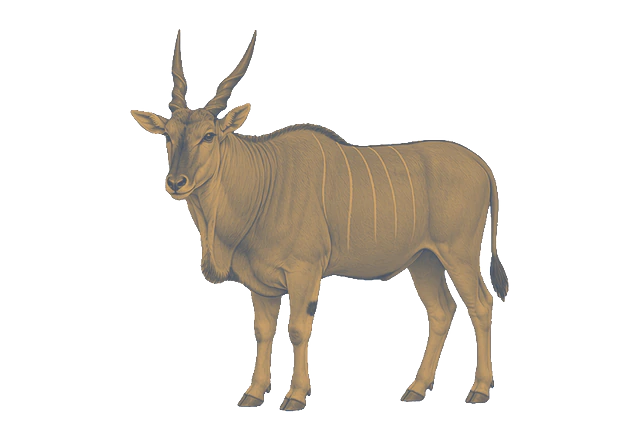
- ElandOpen plains and woodland marginsLikelihood: Occasional
- Sable antelopeWooded areas beyond the most frequently used open-plains loopsLikelihood: Rare
- LeopardConcealing woodland habitat; a difficult target on a brief visitLikelihood: Rare










Things to do in Mikumi National Park
A Mkata floodplain game drive
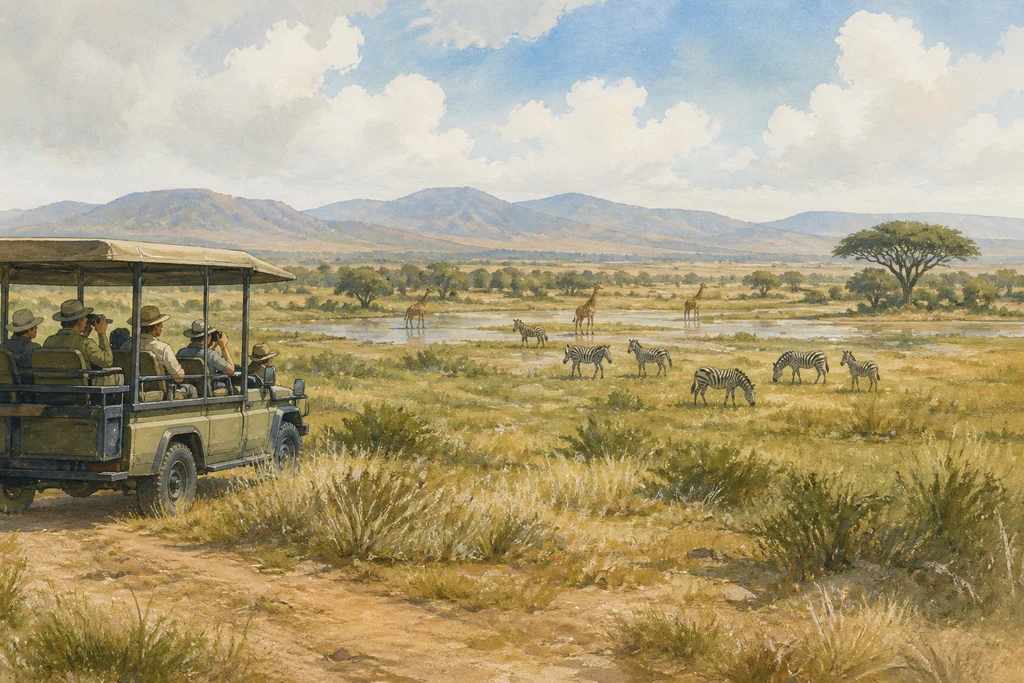
Explore the open Mkata circuit in the early morning or late afternoon, scanning for giraffes, zebras, buffalo and elephants before looking more carefully for predators. Stop at changes between grassland and woodland rather than driving constantly. The highway through the park is a transport route, not a substitute for the authorised safari tracks and time spent watching wildlife.
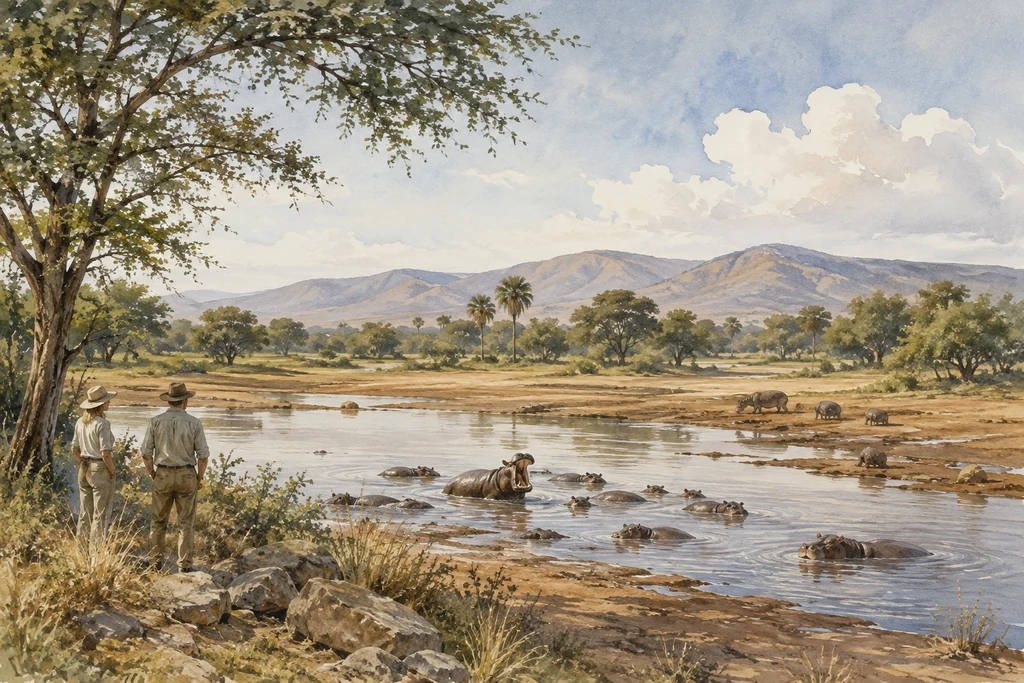
Time at the hippo pools
Include a stop at an authorised hippo-pool viewing area to watch animals surfacing and the birds using the water's edge. The interest comes from spending time observing, not getting closer to the bank. Follow the guide's choice of safe viewing position and keep children close. Pool conditions and access vary, so fit the stop into a flexible circuit rather than a rigid wildlife checklist.
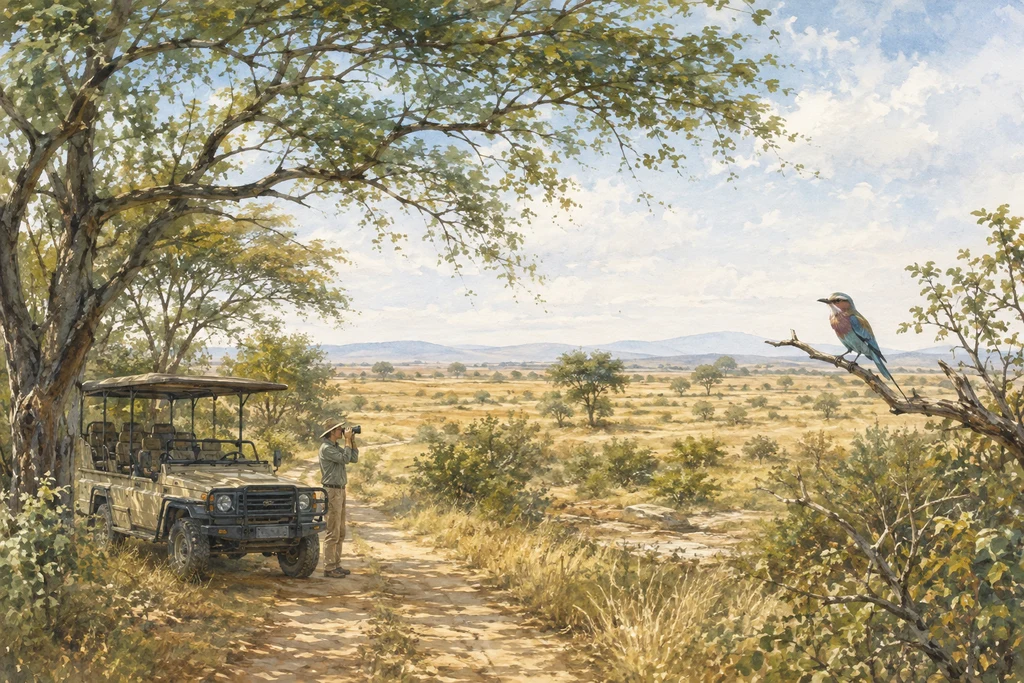
Woodland and wetland birding
Slow the pace around woodland edges and seasonal pans to look for rollers, bee-eaters, hornbills and waterbirds. A pair of binoculars and short quiet stops can reveal much more than a drive focused only on mammals. Bird activity and available water vary through the year, making the guide's local knowledge useful. Keep to approved viewing places rather than leaving the vehicle unaccompanied.
Habitats and flora
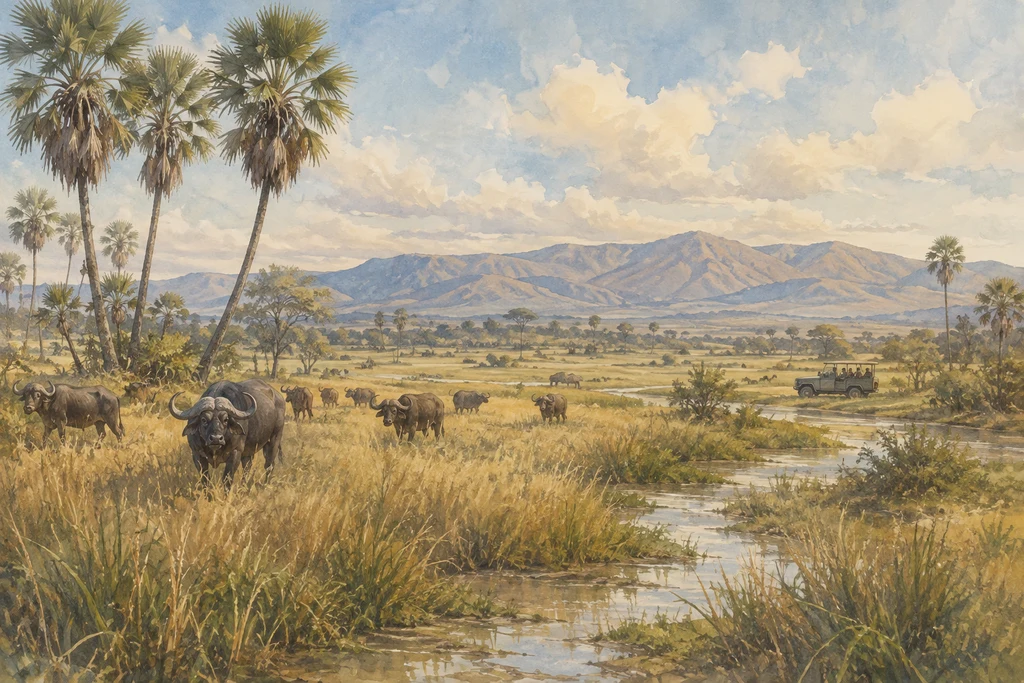
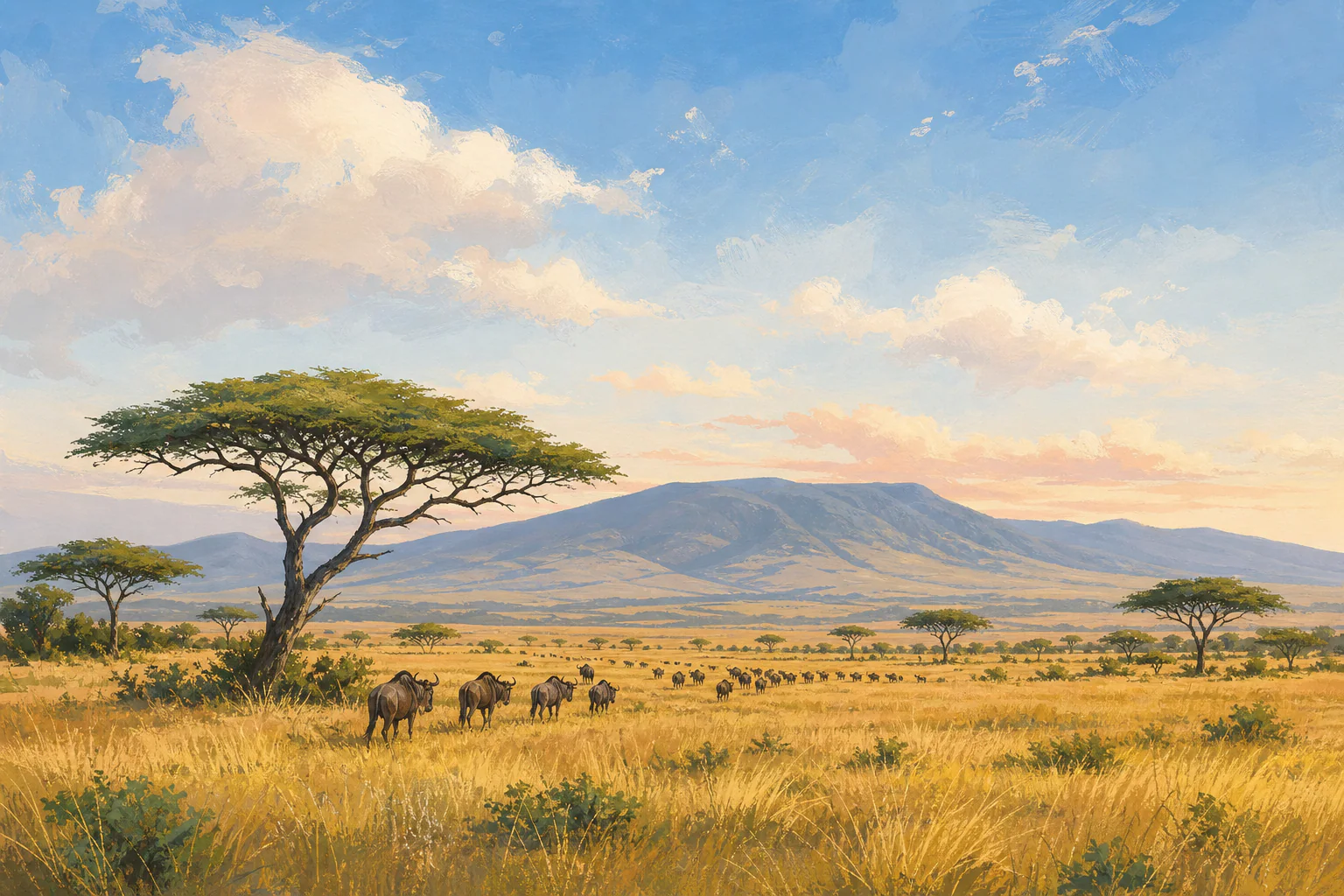
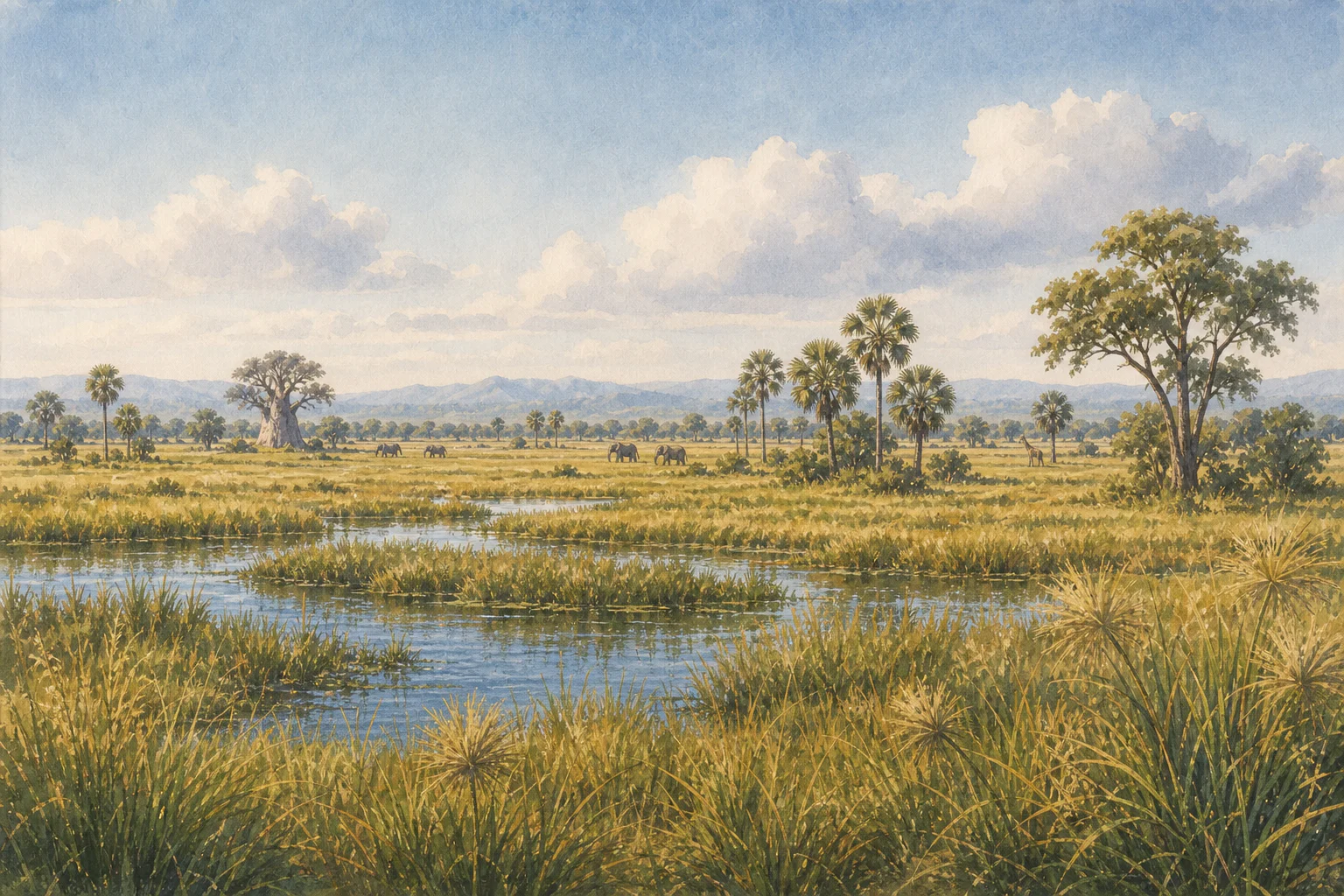
The Mkata floodplain gives Mikumi its broad, open safari views, but the park is more varied than that first impression. Seasonal pans and river-linked grassland attract grazing animals and waterbirds, while acacia woodland offers shade and browsing habitat. More extensive woodland and surrounding hills create a different setting beyond the best-used visitor circuit. Rain changes the height of the grass and the spread of surface water, influencing both visibility and where animals feed. A well-paced visit alternates open-plains scanning with slower woodland and pool stops, rather than measuring success only by how far the vehicle travels.
Park fees and restrictions
Planning reference rates · Jan 1, 2026 – Dec 31, 2026
Per person · International nonresident visitors · USD
| Visitor | Age | Park entry | Overnight fee | Camping fee |
|---|---|---|---|---|
| 1 adult | 16–99 years | USD 36 | Not available | Not available |
| 1 child | 5–15 years | USD 12 | Not available | Not available |
| 1 infant | Under 5 years | Free | Free | Free |
Tax treatment is not specified in this schedule. Overnight and camping fees are alternative additions to park entry; activity fees may apply separately.
Additional charges
- Vehicle Fee 2-3T
- USD 24 / Per vehicle in the stated weight category; confirm applicability
- MeisterCRM planning rates for foreign non-resident visitors, not an official tariff. Check the selected travel dates and age bands, and confirm final charges before booking.
- Entry is shown per person. Overnight and camping are alternative additions for the selected stay arrangement, not two charges to add together. “Not available” means a charge has not been established; it does not mean free. The planning workbook does not specify permit duration or re-entry rules; confirm the charging period and any repeat-entry fee before quoting.
- Tax treatment is unspecified. Vehicle, guide, specialist activity, transfer and other charges may apply separately. Activity eligibility and any minimum age must be checked separately from admission.
Official fee information
- Official TANAPA tariff verificationChecked Sep 7, 2026