
Best time and high seasonality
Compare recommended travel periods, typical demand seasons, weather comfort, and sky conditions across all twelve months.
- Average daytime high
- 26.5°C
- Average nighttime low
- 15°C
- Average rainfall
- 118.7 mm / month
2001–2020 climate averages for Seronera central Serengeti; southern plains and northern river sectors differ. Gridded regional estimates, not a forecast or a park-wide measurement.
Weather and travel guidance
January is warm and green in the central Serengeti, with showers and bright intervals rather than a continuous dry season. The southern short-grass plains often attract the migratory herds, while Seronera still offers resident wildlife and a different habitat mix. Choose the camp sector around the experience being sold; a central base is not automatically close to a southern herd. Start drives early, keep rain protection for cameras and allow slower travel after storms. The monthly figures describe Seronera, not every corner of this very large park.
February often offers a relatively drier spell around Seronera, although showers remain possible. The southern plains' calving season can drive high safari demand even when the wider calendar is green and unsettled. Position accommodation for the current herd area rather than expecting a short drive from any Serengeti lodge. Central river valleys continue to support resident wildlife independently of the migration. Warm afternoons favour an early start and a shaded break, while a light waterproof is still useful when a local storm crosses the plains.
March becomes wetter in the Serengeti as the long rains develop. Grassland turns lush, wildlife disperses with fresh grazing and some unsealed routes take longer after storms. The southern and central sectors can still be rewarding, but herd positions depend on the rain and should be checked near travel time. Keep the itinerary centred on a realistic area instead of chasing distant sightings across the park. A waterproof camera bag and flexible drive times are useful. Balloon plans need weather clearance and should not be the only available activity.
April is a wet-season month across much of the Serengeti, with frequent showers and soft ground on some tracks. The central valleys and kopjes remain wildlife habitat, but long transfers become less predictable and a particular migration scene cannot be guaranteed. Choose a camp with a workable access plan and keep daily distances modest. Rain can create striking light between storms, rewarding patient photography rather than constant movement. Confirm seasonal camp operations and retain flexibility for any flight connection that depends on a remote airstrip transfer.
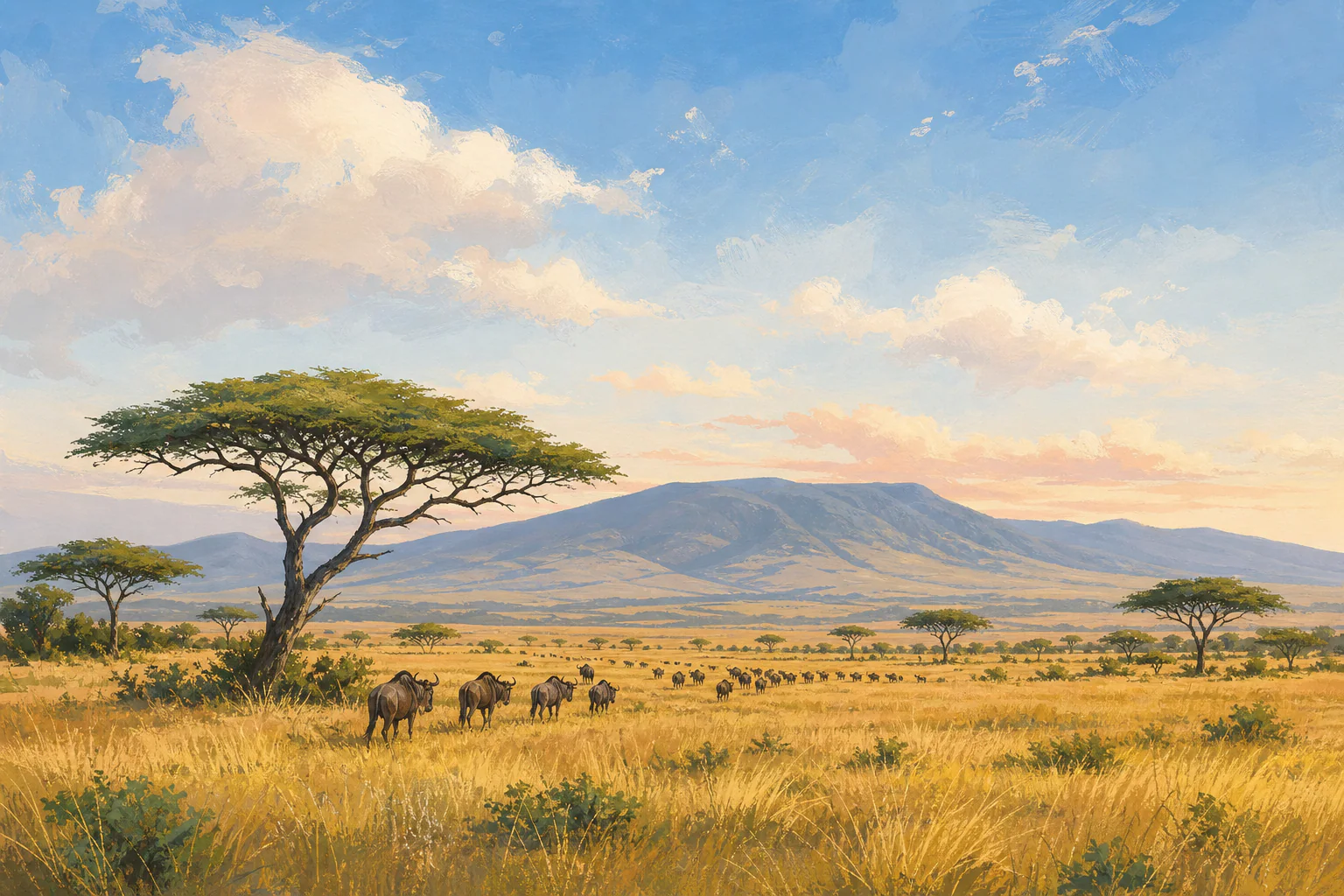
May usually brings declining rainfall and a gradual shift of migratory herds toward the central and western corridors. Timing varies with grass and water, so choose camp positions from current reports rather than treating the westward movement as a fixed appointment. Seronera mornings become cooler, and tracks can remain soft after late showers. Pack layers and keep rain protection in the vehicle. This is a useful transition for a quieter safari, provided the route allows for wet patches and avoids unrealistic same-day drives between widely separated park sectors.
June is drier around Seronera, with cool mornings and increasingly comfortable game-drive conditions. The western corridor may hold moving herds, but the Grumeti River is not a guaranteed crossing show and central resident wildlife remains a sound focus. Match the camp to the intended sector, then allow several outings rather than a single tightly timed search. Warm layers help on the first drive or before a balloon launch. A dry-season start improves road practicality, yet distances across the Serengeti still need realistic transfer time in the itinerary.
July is mainly dry and cool at dawn in the central Serengeti, with bright intervals and little rain. The migration often progresses north, while Seronera retains its own resident wildlife appeal. A northern river-focused stay requires a suitably placed camp; it is not a casual day trip from every central lodge. Carry a fleece for early drives and protect equipment from dust as the plains dry. High visitor demand can make popular sightings busy, so a patient guide and enough time in the right sector matter more than packing extra destinations into the day.
August is mostly dry in Seronera, with cool starts, warm afternoons and increasing dust on well-used tracks. Northern river areas can receive local showers even when the central plains are dry, so a single weather symbol cannot describe the whole park. Camp placement is especially important if the trip centres on the migration. River crossings depend on animal behaviour and may involve long waits without a crossing. Build in several viewing opportunities, take water and sun protection, and keep the middle of the day flexible rather than guaranteeing a spectacle.
September remains relatively dry in the central Serengeti, with warmer afternoons and occasional showers possible, particularly farther north. Seronera's river corridors suit resident-wildlife drives, while a migration itinerary should follow current herd locations rather than the month's name alone. Start early to avoid the strongest heat and keep both dust and rain protection in the vehicle. Northern river viewing can require patience and a locally positioned camp. Treat high safari demand as a booking consideration, not evidence that every day is cool or every crossing certain.
October is warmer and more changeable as the Serengeti approaches the short rains. Some central tracks remain dusty, while local storms can green other sectors and influence the herds' southward movement. Keep camp placement responsive to reports rather than assuming the migration reaches a named area on schedule. Morning and late-afternoon drives offer more comfortable conditions than a continuous midday search. Carry a light waterproof and protect cameras from sudden rain. The north, west and Seronera can experience quite different weather within the same week.
November commonly brings short-rain showers to the Serengeti, renewing grass and drawing migratory animals toward southern feeding areas as conditions allow. The route and speed of that movement remain variable; use current reports before choosing a camp rather than promising a fixed location. Central wildlife viewing continues between showers, with softer tracks sometimes slowing longer drives. Green landscapes and changing light suit a patient itinerary. Check seasonal camp operations and leave room to adjust a balloon outing or airstrip transfer when a storm affects the immediate area.
December is a warm, green month with recurring showers across the central and southern Serengeti. The migratory herds often seek the short-grass plains, but recent rainfall determines exactly where they feed. A southern stay and a Seronera stay therefore offer different experiences even under the same national-park name. Plan several early drives, protect equipment from rain and allow slower movement on wet tracks. Holiday demand may be high despite unsettled weather, so reserve the right sector in advance while keeping daily routes guided by local conditions.
- Travel recommended
- January to February, May to October
- Typical travel season
- High · June to October, December to February
- Weather comfort
- Good · January to February, May, September to October
How to read this: month icons show the typical sky and rain pattern; Weather grades broad travel comfort; Travel Seasons show typical demand and pricing. None is a forecast, and supplier periods vary.
Wildlife Overview
Wildlife to look for in Serengeti National Park. Labels describe typical encounters in suitable habitat; season, conditions and time spent exploring all make a difference.
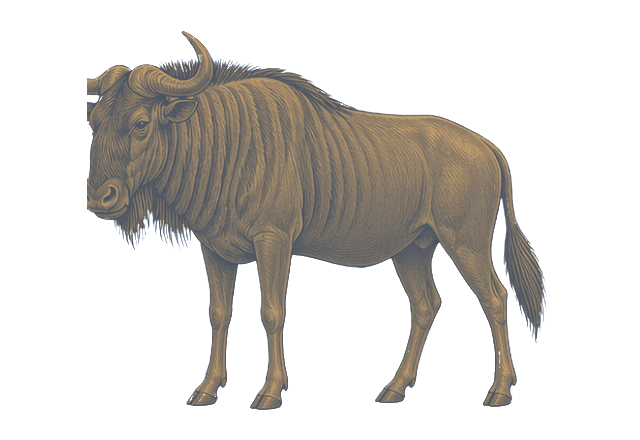
- Blue wildebeestVery numerous with migratory herds; correct sector and recent rainfall matterLikelihood: Abundant
- Plains zebraOpen plains and migrating or resident herds across suitable sectorsLikelihood: Abundant
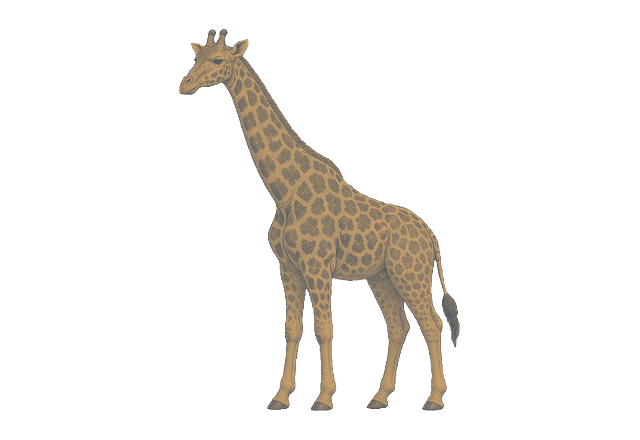
- Masai giraffeWoodland and browsing habitat, not uniformly across the short-grass plainsLikelihood: Common
- African buffaloGrassland and woodland near suitable waterLikelihood: Common
- African bush elephantWoodland and river-linked habitats, especially central and northern sectorsLikelihood: Common
- LionResident populations in suitable plains, kopje and river habitatsLikelihood: Common
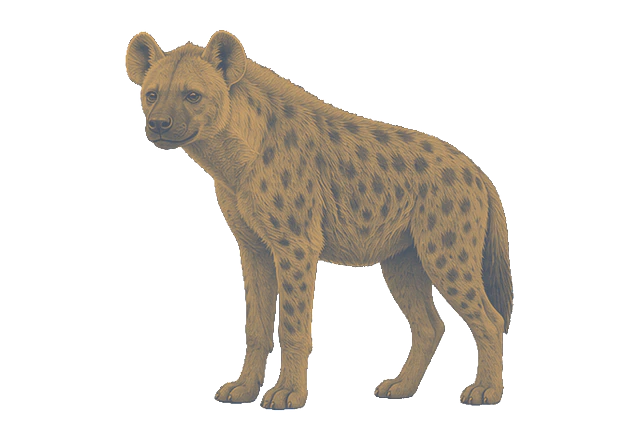
- Spotted hyenaOpen-country and herd-associated habitatsLikelihood: Common
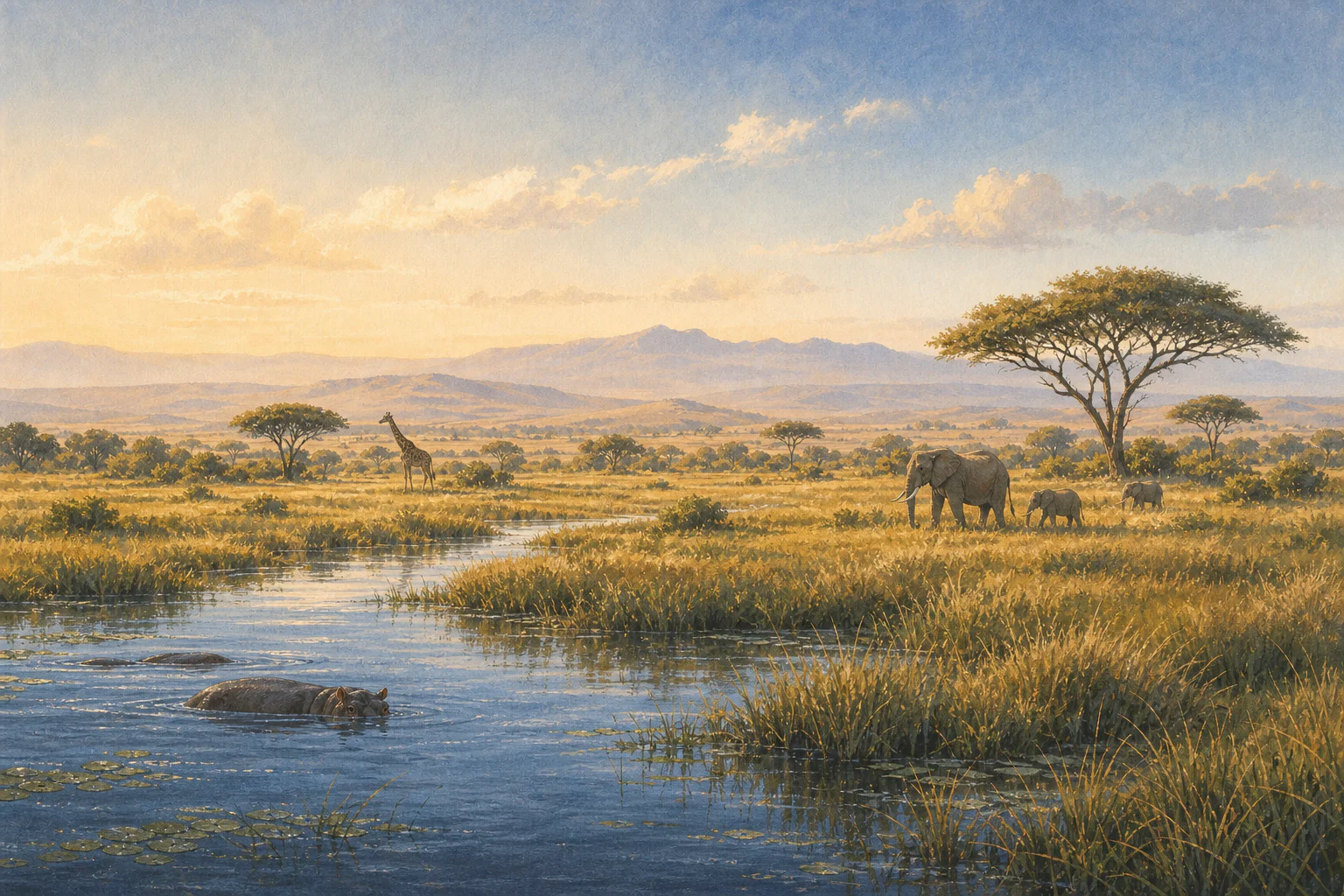
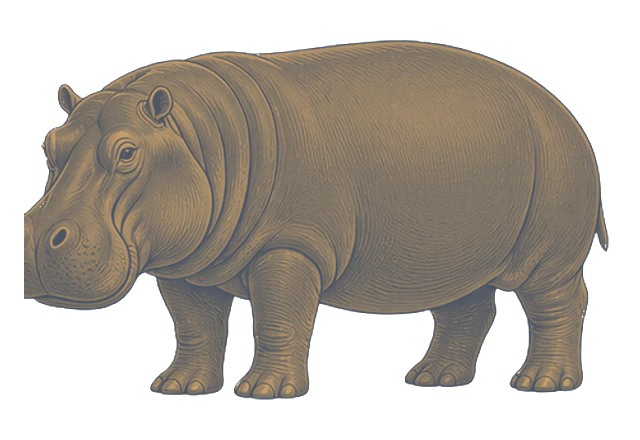
- HippopotamusPermanent pools and river sectors with authorised viewpointsLikelihood: Common
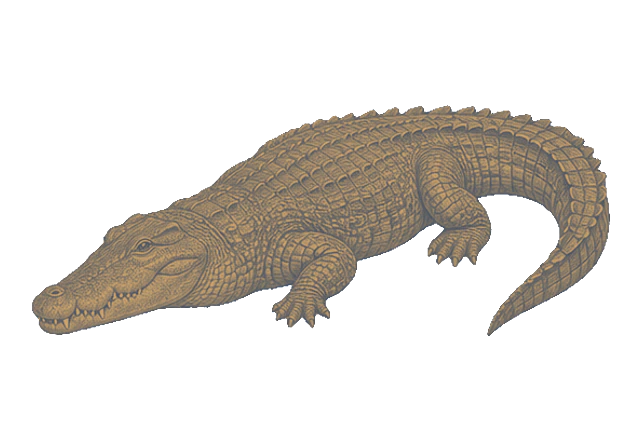
- Nile crocodileSuitable Grumeti and Mara river habitat; not every game-drive sectorLikelihood: Common
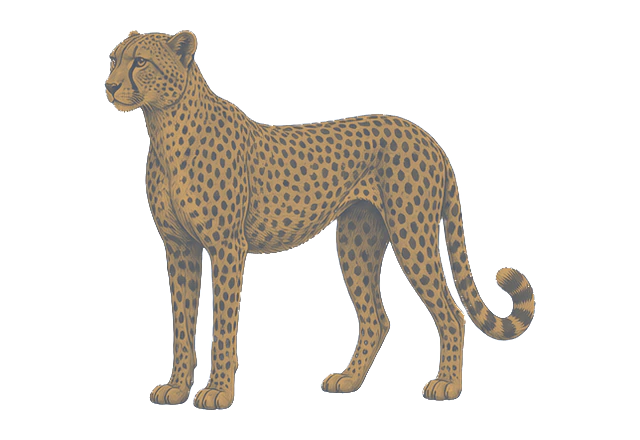
- CheetahOpen plains; low-density animals requiring patient searchingLikelihood: Occasional
- LeopardRiverine trees and wooded cover, especially on patient central drivesLikelihood: Occasional
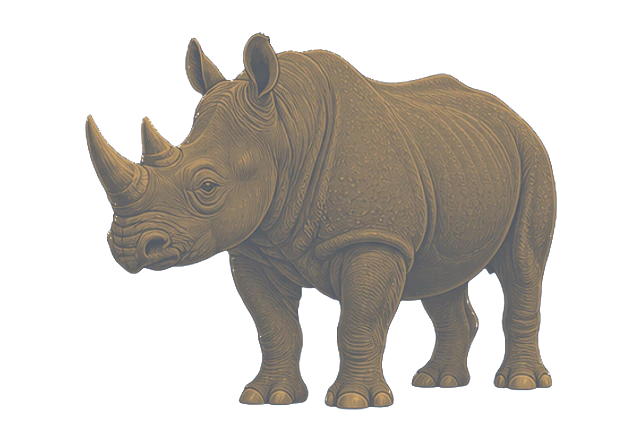
- Black rhinocerosSmall protected populations; sightings on ordinary circuits are exceptionalLikelihood: Very rare





Things to do in Serengeti National Park
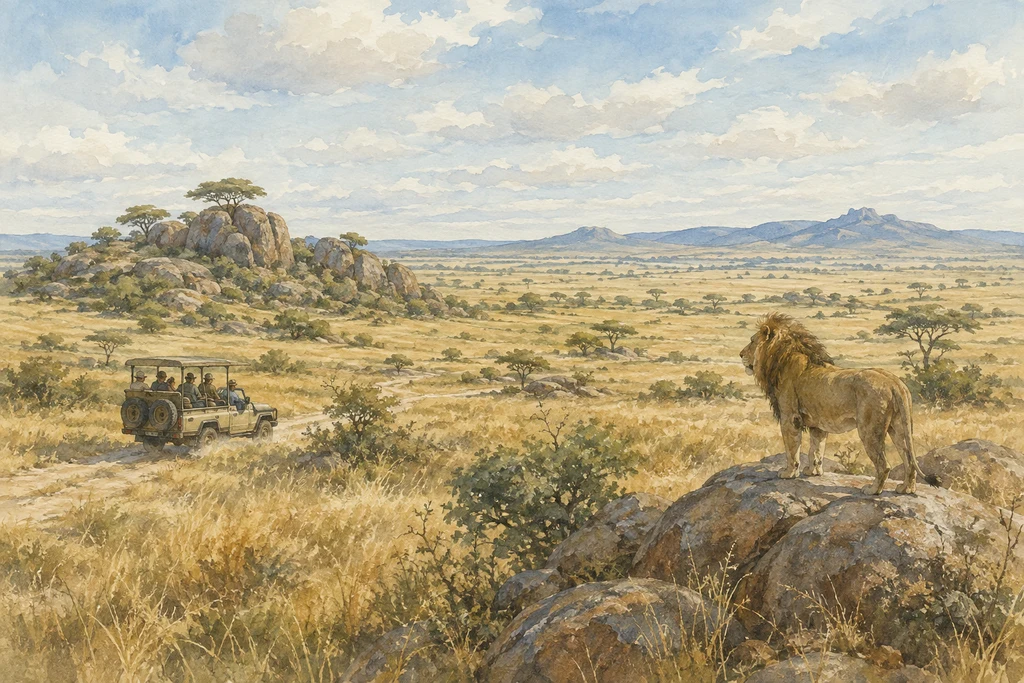
Resident-wildlife drives in Seronera
Explore central river valleys, grassland and kopjes with a guide who can vary the route around current sightings. Seronera's resident wildlife gives the area interest even when the main migration is elsewhere. Use early and late drives for comfortable viewing and leave time at promising habitats rather than constantly moving. A central camp is a base for this sector, not every corner of the park.
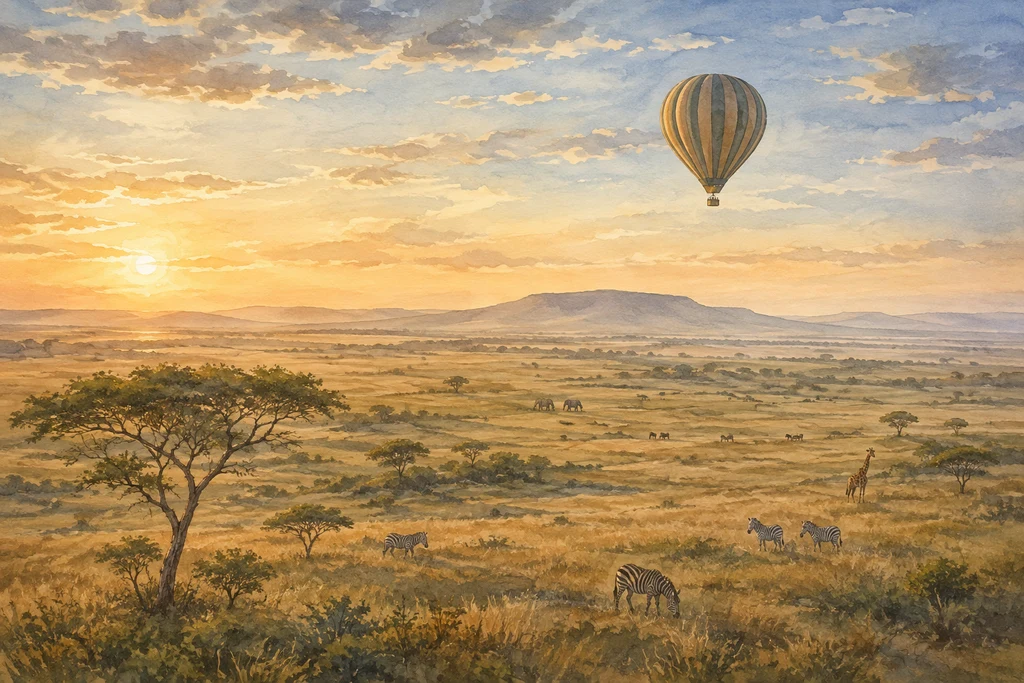
A sunrise balloon safari
Where a licensed operator serves the booked sector, a dawn balloon flight offers a different view of plains and river patterns. Flight paths and departure decisions depend on wind and weather, so reserve the experience without promising a precise route or animal sighting. Confirm age, mobility and operator requirements. Keep an alternative game drive available if conditions prevent the launch.
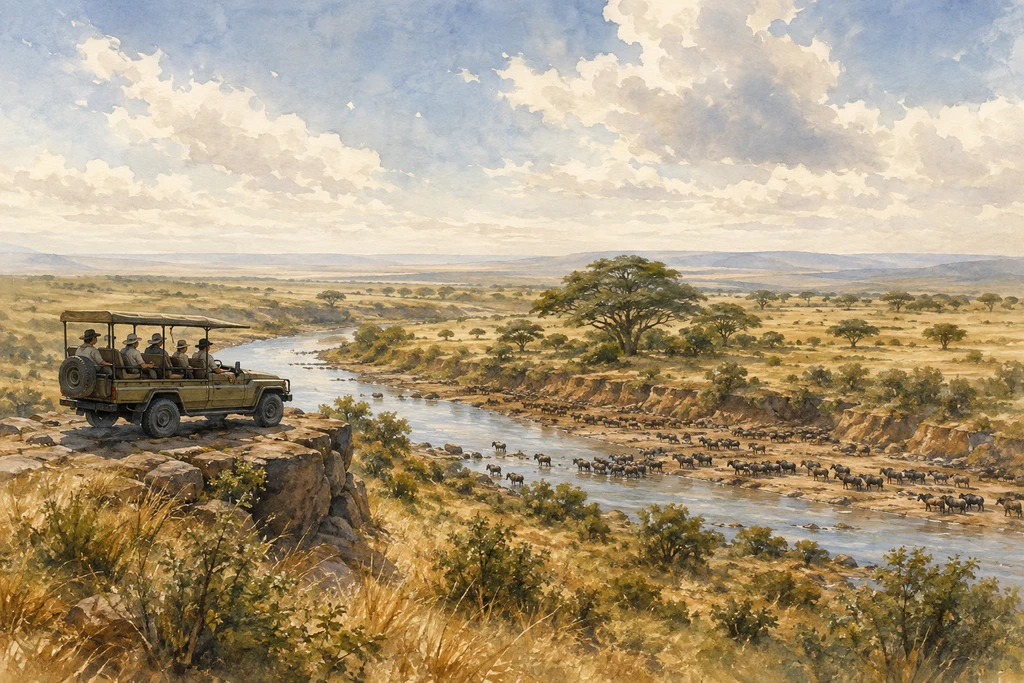
Northern Mara River game viewing
Use a northern-sector base to spend time in the wider Mara River landscape when the migration is in that area. Crossing events depend on the herds and may involve long waits without a crossing, so allow several viewing opportunities and include other wildlife drives. Follow the guide's authorised positioning and avoid crowding the riverbank. This is a separate sector, not a quick excursion from every central camp.
Habitats and flora
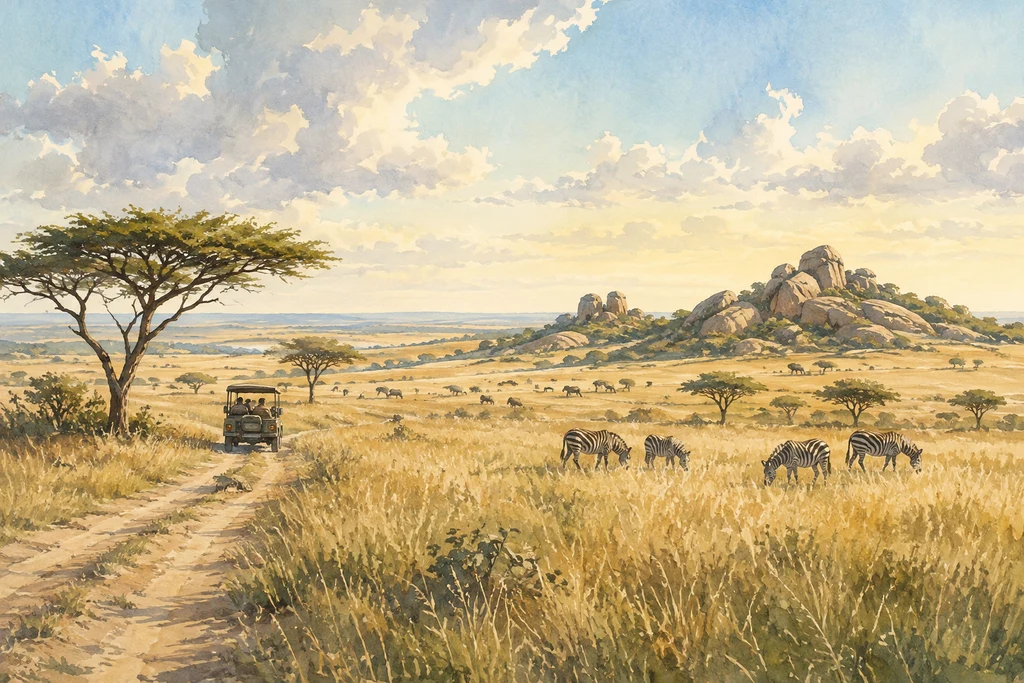
The Serengeti's habitats change across the map. Southern short-grass plains differ from Seronera's river valleys and rocky kopjes, the western corridor's wooded drainage lines and the northern river country. Grass quality and water availability help drive the movement of wildebeest and zebras, while resident predators and other mammals use suitable habitat throughout the year. A kopje offers shade and a lookout; a river fringe provides cover and water; an open plain supports a different style of grazing and hunting. Understanding those contrasts makes camp placement meaningful and prevents a famous park name from hiding very long distances between experiences.
Park fees and restrictions
Planning reference rates · Jan 1, 2026 – Dec 31, 2026
Per person · International nonresident visitors · USD
| Visitor | Age | Park entry | Overnight fee | Camping fee |
|---|---|---|---|---|
| 1 adult | 16–99 years | USD 82 | USD 71 | USD 35 |
| 1 child | 5–15 years | USD 24 | USD 24 | USD 18 |
| 1 infant | Under 5 years | Free | Free | Free |
Tax treatment is not specified in this schedule. Overnight and camping fees are alternative additions to park entry; activity fees may apply separately.
Additional charges
- Vehicle Fee 2-3T
- USD 24 / Per vehicle in the stated weight category; confirm applicability
- MeisterCRM planning rates for foreign non-resident visitors, not an official tariff. Check the selected travel dates and age bands, and confirm final charges before booking.
- Entry is shown per person. Overnight and camping are alternative additions for the selected stay arrangement, not two charges to add together. “Not available” means a charge has not been established; it does not mean free. The planning workbook does not specify permit duration or re-entry rules; confirm the charging period and any repeat-entry fee before quoting.
- Tax treatment is unspecified. Vehicle, guide, specialist activity, transfer and other charges may apply separately. Activity eligibility and any minimum age must be checked separately from admission.
Official fee information
- Official TANAPA tariff verificationChecked Sep 7, 2026