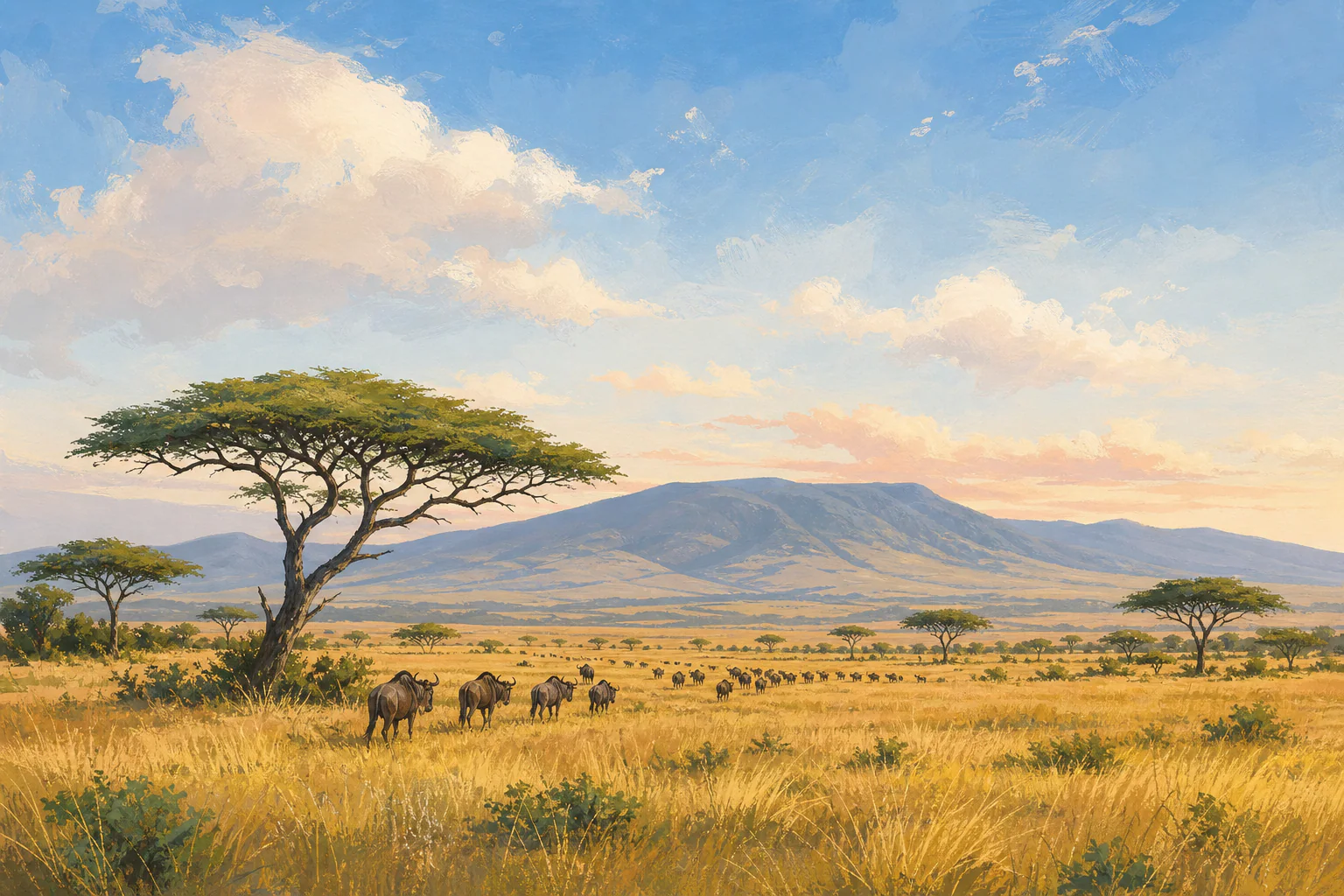

Best time and high seasonality
Compare recommended travel periods, typical demand seasons, weather comfort, and sky conditions across all twelve months.
- Average daytime high
- 23.1°C
- Average nighttime low
- 12.9°C
- Average rainfall
- 143.2 mm / month
2001–2020 climate averages for Ngorongoro crater area; the high rim is colder and foggier than the floor. Gridded regional estimates, not a forecast or a park-wide measurement.
Weather and travel guidance
January is green and relatively warm on the Ngorongoro Crater floor, with showers and bright breaks between them. The high rim remains cooler and can disappear into cloud even when a drive below is sunny. Pack a warm layer for the descent and rain protection that stays handy in the vehicle. Resident wildlife makes a crater visit worthwhile without relying on the wider ecosystem's migration. Wet patches can affect track choices, so leave the guide room to adapt the loop rather than promising every viewpoint and picnic site in one fixed sequence.
February often brings a relatively drier interval at Ngorongoro, though rain remains possible and the grassland is usually green. Conditions on the crater floor can be pleasantly warm by midday, while an early start from a rim lodge feels distinctly cold. Layer clothing for both settings and allow a full, unhurried wildlife circuit. Calving herds in the wider southern Serengeti ecosystem are a separate excursion, not something a crater-floor booking automatically includes. Clearer weather can improve views, but low cloud on the rim is still possible.
March moves into the long rains at Ngorongoro. The crater floor becomes greener, while heavy showers can slow driving and cloud or fog may reduce visibility on the approach and rim roads. Plan an early but unhurried descent with extra transfer time, particularly if travelling from Karatu before the visit. A warm waterproof layer is more useful than treating the day as a hot plains safari. Resident animals remain present year-round; the practical change is wetter ground and a less predictable route, not a seasonal disappearance of wildlife.
April is generally Ngorongoro's wettest month, with substantial rainfall and frequent cloud around the high rim. The crater floor may offer bright intervals, but tracks can be muddy and approach roads need careful driving in poor visibility. Keep the day centred on a flexible wildlife circuit instead of a tightly timed series of viewpoints. Warm clothing and rain protection are important at the lodge and during the descent. Travellers seeking quiet green scenery can enjoy this period, provided they accept that rain may reshape both the route and pace.
May is a cool transition out of Ngorongoro's long rains. Showers become less frequent as the month progresses, yet mist on the rim and wet ground below can persist. A dawn departure needs warm layers, and the shaded highland air can feel chilly even after a sunny crater drive. Leave extra time for fog on the approach rather than treating drier regional weather as a guarantee of clear roads. The green floor and resident wildlife suit a patient visit, but it is sensible to confirm the usable circuit close to the day of travel.
June is much drier at Ngorongoro but can be very cold at the start of a rim-based safari. Cloud and mist often cling to the highlands while the crater floor brightens below. Wear several light layers, with a windproof outer layer for an open vehicle, and remove them as the lower circuit warms. Shortening grass can make wildlife easier to locate without making every sighting certain. This is a strong travel window for the crater; allow time for the descent and avoid scheduling a distant onward transfer immediately after a full game drive.
July is one of Ngorongoro's driest and coldest months, especially on the high rim before sunrise. The floor is generally milder by daytime, so clothing needs to handle a large difference between the lodge and game-viewing circuit. Carry a warm fleece and wind protection rather than relying on a single light safari shirt. Dry conditions usually help access, while fog can still slow the approach. Visitor demand is high on the northern circuit; arrange the vehicle and entry details early and keep realistic time for queues and an unhurried descent.
August stays predominantly dry at Ngorongoro, with cold rim mornings and comfortable-to-warm afternoons on the crater floor. Dust can build along busy tracks, while cloud may still cap the surrounding highlands. Bring layers for the descent and camera protection for the drive, then use the middle hours for patient wildlife stops rather than rushing back uphill. This is a busy safari month, not a guarantee of empty viewpoints. A well-paced crater visit leaves room for traffic and animal movements without adding a second distant destination to the same day.
September is dry and warming on Ngorongoro's floor, though early starts on the rim still call for a warm layer. Clear intervals can open wide views into the caldera, with dust and occasional highland cloud affecting visibility at other times. Plan the main wildlife circuit before the hottest afternoon hours and carry water for exposed stops. The resident animal population makes this a useful visit independently of migration positions elsewhere. Weather is generally favourable, but a northern Serengeti river-crossing excursion remains a separate, distant itinerary element.
October is a warmer transition at Ngorongoro, with many dry days but an increasing chance of the first short-rain showers. The crater floor may remain dusty until useful rain arrives, while the rim can already be cloudy and cool. Keep rainwear alongside the layers used for an early descent. A storm can briefly change track conditions without making the entire month unsuitable for a visit. Build a flexible crater circuit and review the approach-road conditions if combining the day with a long transfer across the highlands afterward.
November usually brings the short rains to Ngorongoro, greening the crater floor and increasing the chance of mist or fog on the rim. Showers can be intense but are often separated by bright intervals suitable for a wildlife drive. Use waterproof outer layers over warm clothing at the start, and keep camera gear protected during rain. Driving below and visibility above can differ markedly, so allow generous approach time. Resident wildlife remains the focus; describe this as a greener, more changeable visit rather than promising dry-season conditions.
December is green and changeable at Ngorongoro, with showers, mild-to-warm daytime conditions below and cool cloud-prone weather on the rim. A holiday safari needs confirmed entry and vehicle arrangements even though rain can alter the day's circuit. Pack layers and a waterproof, and allow the guide to choose the most suitable tracks after overnight weather. The crater's resident wildlife does not depend on the migration being nearby. If adding the southern plains, plan it as a separate journey with its own location and road conditions, not a short crater detour.
- Travel recommended
- January to February, May to October
- Typical travel season
- High · July to October, December to February
- Weather comfort
- Good · January to February, May, October
How to read this: month icons show the typical sky and rain pattern; Weather grades broad travel comfort; Travel Seasons show typical demand and pricing. None is a forecast, and supplier periods vary.
Wildlife Overview
Wildlife to look for in Ngorongoro Crater. Labels describe typical encounters in suitable habitat; season, conditions and time spent exploring all make a difference.
- African buffaloCrater-floor grassland and wetland-edge grazingLikelihood: Abundant
- Plains zebraOpen crater-floor grasslandLikelihood: Abundant
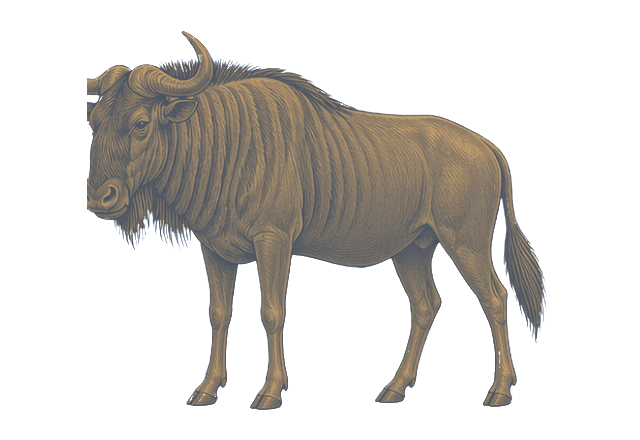
- Blue wildebeestResident crater-floor grazers; distinct from the wider migration spectacleLikelihood: Abundant
- LionCrater grassland and surrounding coverLikelihood: Common
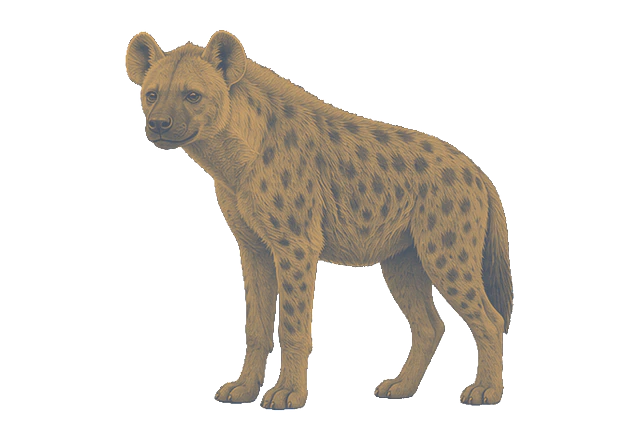
- Spotted hyenaOpen floor and grazing-herd areasLikelihood: Common
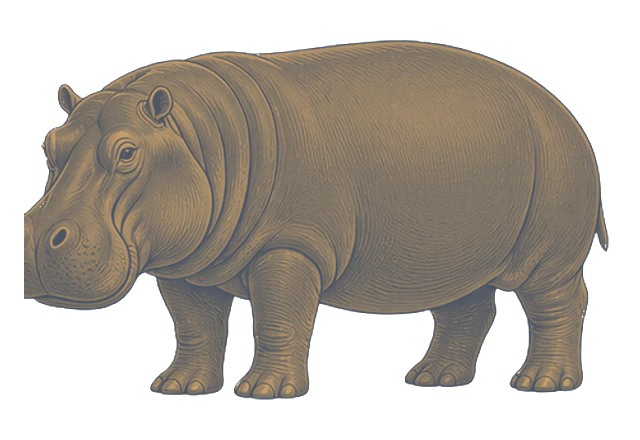
- HippopotamusPermanent-water and marsh viewpoints on the authorised circuitLikelihood: Common
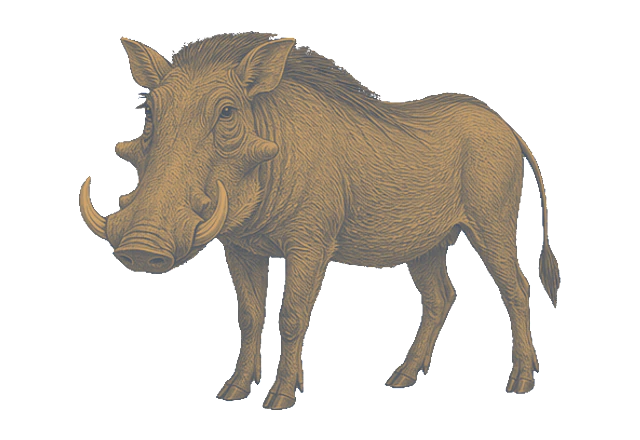
- Common warthogShort grassland on the crater floorLikelihood: Common
- African bush elephantEspecially adult males around Lerai and wetland habitatLikelihood: Common
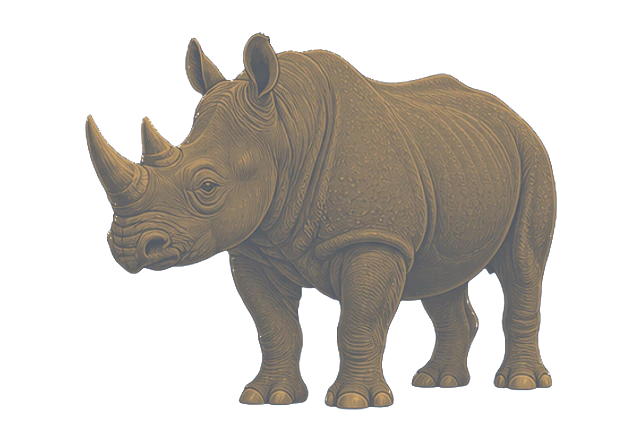
- Black rhinocerosSmall protected population; distance and grass height strongly affect visibilityLikelihood: Occasional
- Lesser flamingoLake Magadi when feeding and water conditions are suitableLikelihood: Occasional
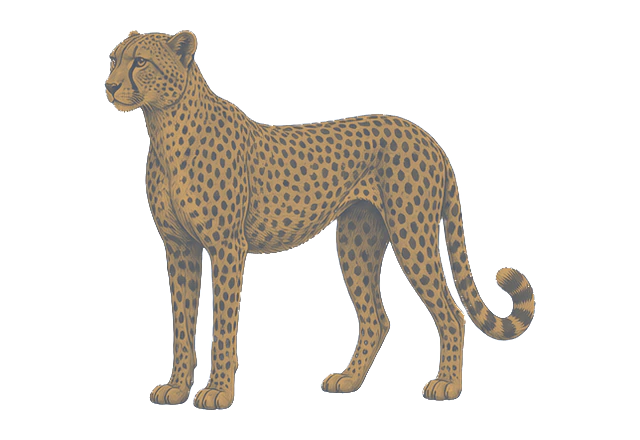
- CheetahRare on crater floor; better open-country opportunities elsewhereLikelihood: Rare





Things to do in Ngorongoro Crater
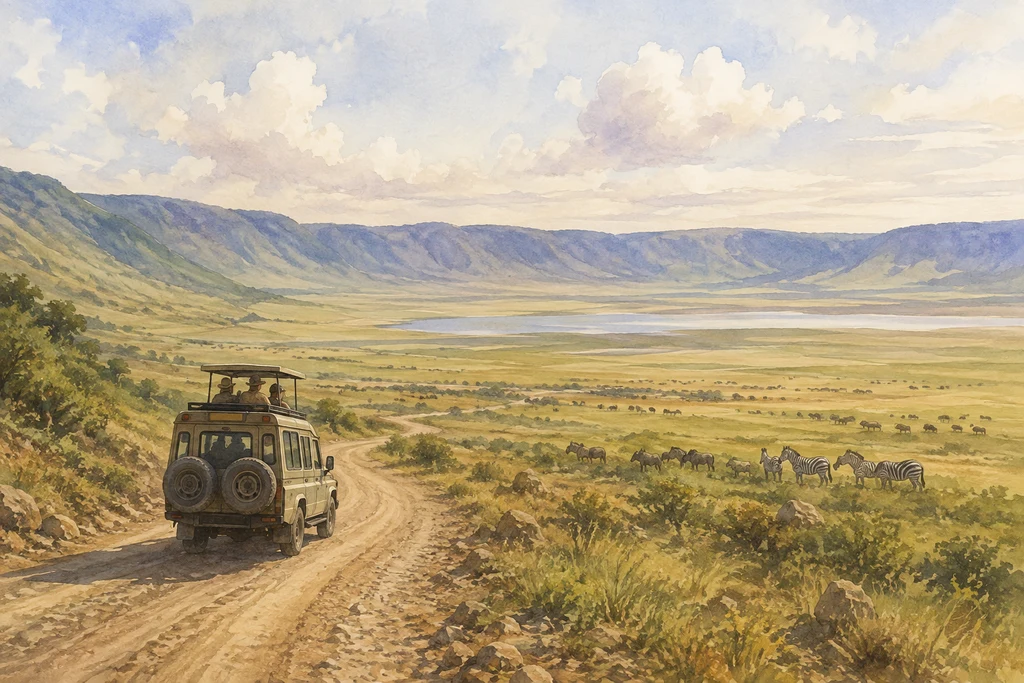
A crater-floor wildlife drive
Descend on an authorised vehicle circuit and spend the day moving between grassland, wetland and woodland habitats. Resident grazers and predators make this a useful safari independently of migration positions elsewhere. Arrange both conservation-area entry and the separate crater vehicle charge, then leave enough time for patient stops. The trip is a drive, not permission to roam the floor on foot.
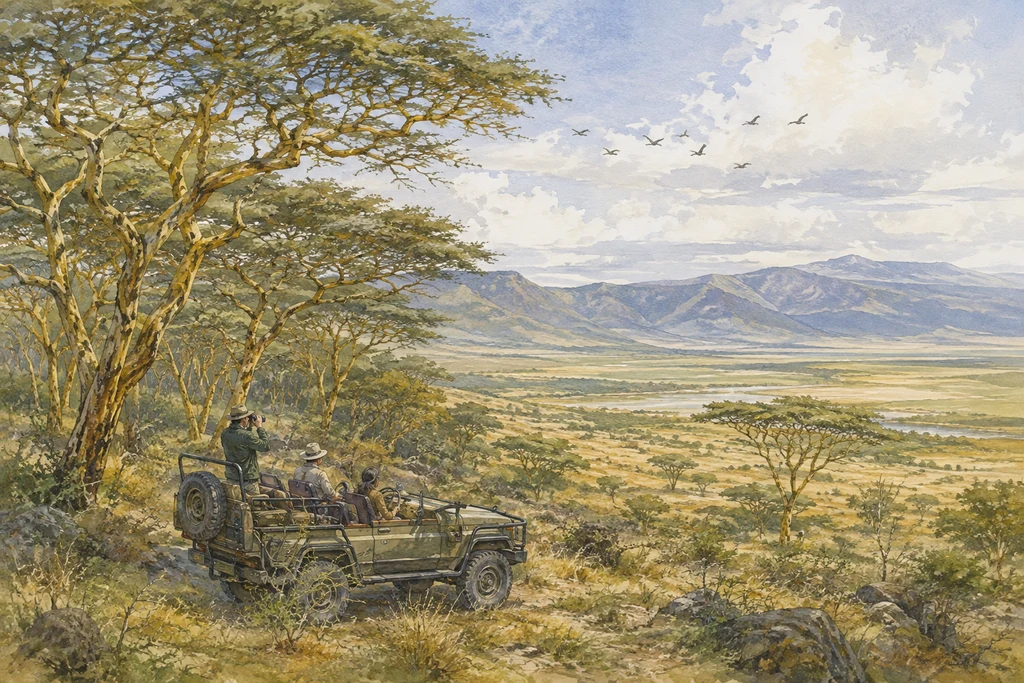
Lerai Forest and wetland birding
Slow the vehicle through Lerai's wooded habitat and around approved wetland viewpoints, looking for the contrast between forest birds, grazers and animals using permanent water. Keep binoculars ready rather than focusing only on distant big cats. A guide can adapt the sequence to current track access and wildlife. Use designated stops; the presence of hippos and other large animals rules out casual wandering.
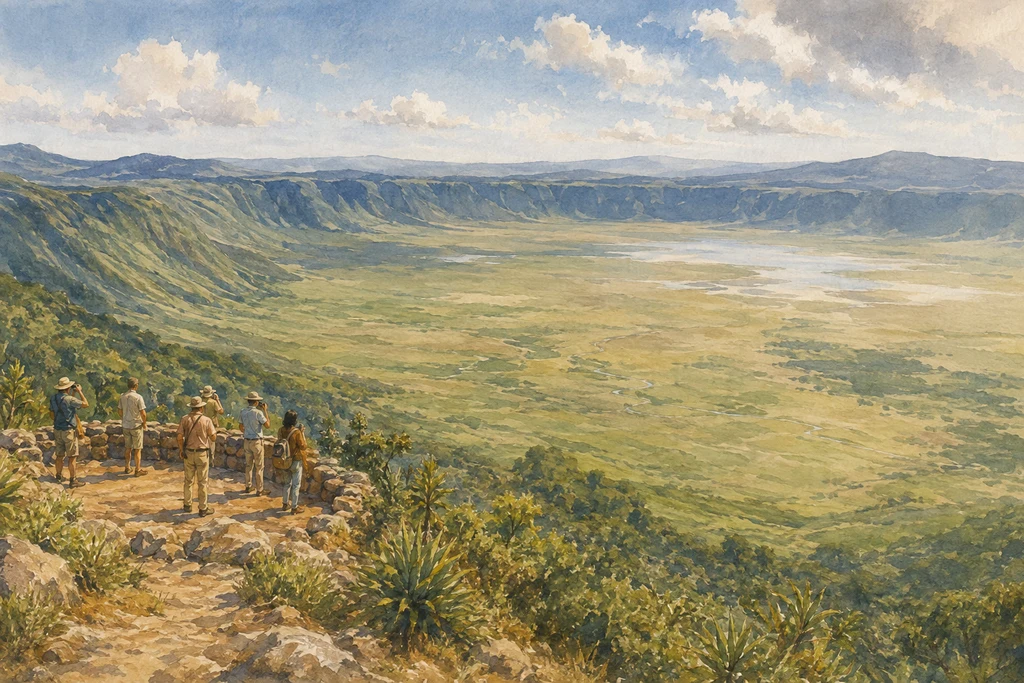
A view from the crater rim
Pause at an authorised rim viewpoint to understand the shape of the caldera before or after the descent. Clear conditions can reveal the floor's patchwork of habitats, while mist sometimes hides it completely. Bring a warm layer even if the drive below is sunny. Treat a viewpoint stop separately from a guided highland walk, which needs its own permission, route and operating arrangements.
Habitats and flora
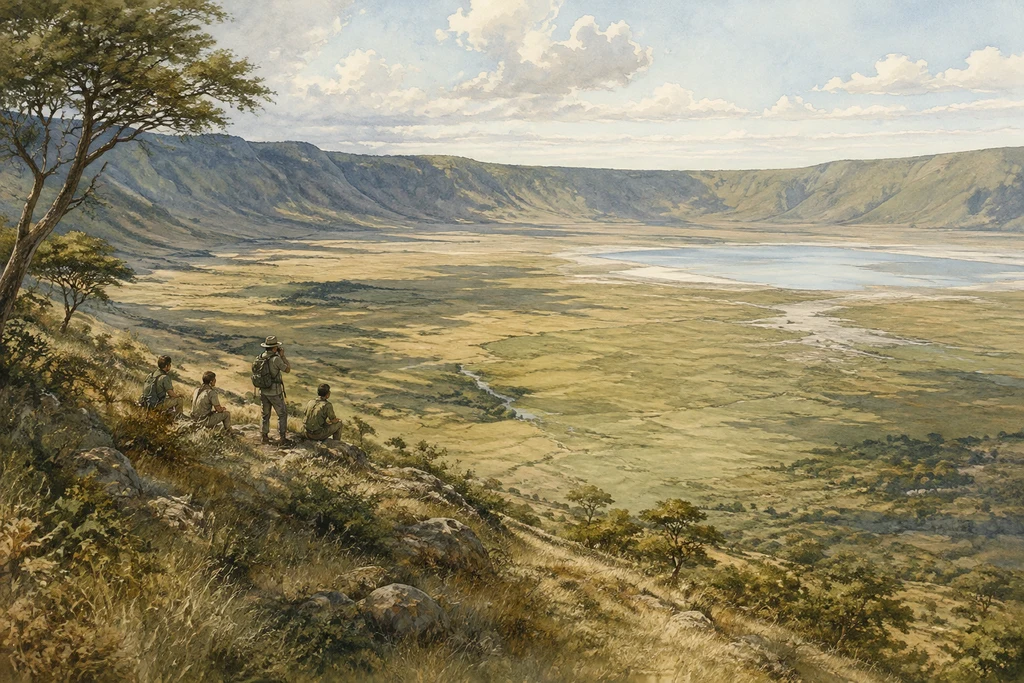
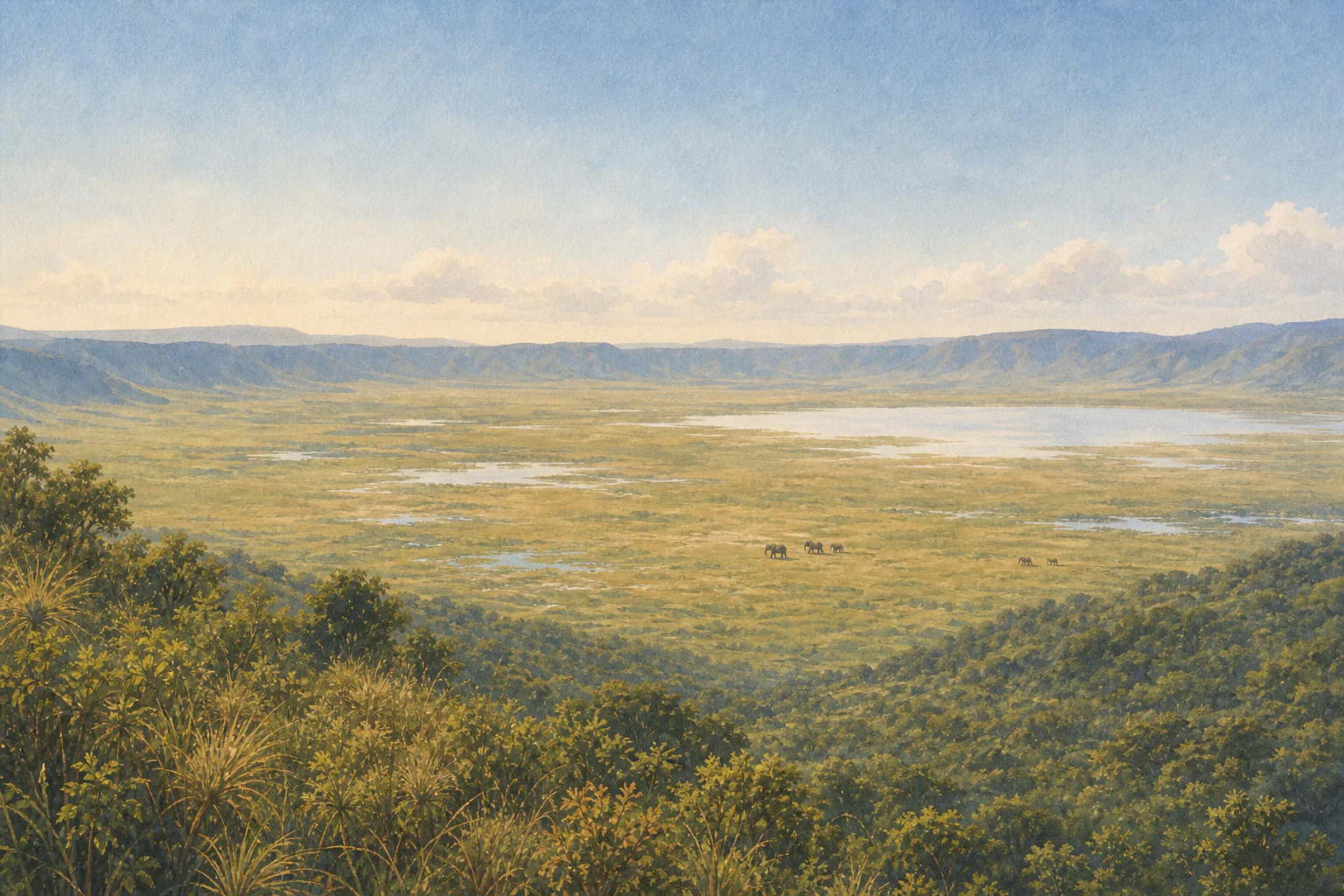
The crater floor brings several habitats into a compact circuit: open grassland for grazing herds, marshes and pools, the alkaline waters of Lake Magadi and the wooded shade of Lerai Forest. These sit below steep caldera walls and a high rim that is cooler, wetter and often cloudier than the floor. That contrast is visible during a single descent, as highland vegetation gives way to open plains. The confined-looking landscape still contains natural animal movements and changing water conditions. Watching how grazers, predators and wetland birds use these different patches is more revealing than treating the crater as a collection of guaranteed sightings.
Park fees and restrictions
Planning reference rates · Jan 1, 2026 – Dec 31, 2026
Per person · International nonresident visitors · USD
| Visitor | Age | Park entry | Overnight fee | Camping fee |
|---|---|---|---|---|
| 1 adult | 16–99 years | USD 71 | USD 71 | USD 59 |
| 1 child | 6–15 years | USD 24 | USD 24 | USD 18 |
| 1 infant | Under 6 years | Free | Free | Free |
Tax treatment is not specified in this schedule. Overnight and camping fees are alternative additions to park entry; activity fees may apply separately.
Additional charges
- Crater Fee
- USD 295 / Per vehicle, per crater visit
- Vehicle Fee 2-3T
- USD 12 / Per vehicle in the stated weight category; confirm applicability
- MeisterCRM planning rates for foreign non-resident visitors, not an official tariff. Check the selected travel dates and age bands, and confirm final charges before booking.
- Entry is shown per person. Overnight and camping are alternative additions for the selected stay arrangement, not two charges to add together. “Not available” means a charge has not been established; it does not mean free. The planning workbook does not specify permit duration or re-entry rules; confirm the charging period and any repeat-entry fee before quoting.
- Tax treatment is unspecified. Vehicle, guide, specialist activity, transfer and other charges may apply separately. Activity eligibility and any minimum age must be checked separately from admission.
- The conservation-area planning rates apply to a crater visit, with the crater fee listed separately per vehicle. These planning age bands can differ from historical official tariff bands; confirm eligibility and the selected year before quoting.
Official fee information
- Official NCAA tariff verificationChecked Sep 7, 2026