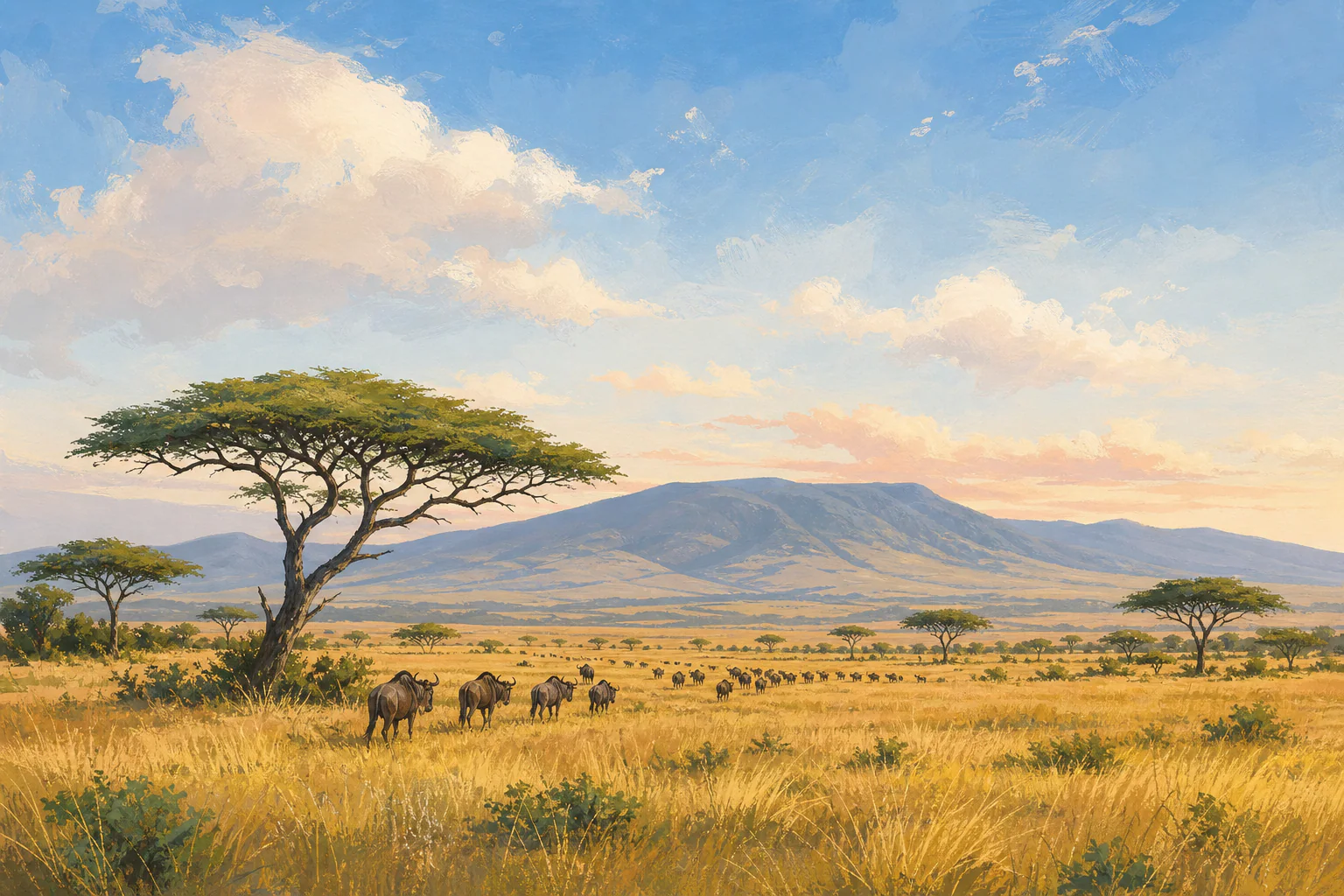

Best time and high seasonality
Compare recommended travel periods, typical demand seasons, weather comfort, and sky conditions across all twelve months.
- Average daytime high
- 29.2°C
- Average nighttime low
- 17.4°C
- Average rainfall
- 17.1 mm / month
2001–2020 climate averages for Central Katavi floodplains near Ikuu. Gridded regional estimates, not a forecast or a park-wide measurement.
Weather and travel guidance
January is firmly within Katavi's rains, with green floodplains, humid afternoons and frequent showers. Water is spread across the landscape, so animals are less concentrated at the Katuma pools than in the dry season. Unsealed access routes can become difficult and some camps operate seasonally; confirm the actual opening and transfer plan before offering a stay. Birdlife and wetland scenery can be rewarding for a patient visitor. Leave driving distances modest and do not build the trip around the crowded hippo pools pictured in late-dry-season photographs.
February remains wet in Katavi, even if a run of brighter days creates a temporary break between storms. Floodplain grass is tall and grazing animals have more places to feed, making wildlife viewing a slower search across suitable tracks. This is not the month to promise easy access to every Katuma River viewpoint. Check camp operations, airstrip arrangements and the condition of the final transfer road together. Take rain protection for equipment and give an itinerary room to change, especially when connecting this remote park with another flight.
March is a rainy, green month in Katavi. Seasonal water and dense grass transform the central plains, but they also reduce the dramatic wildlife concentrations associated with the dry season. Routes near low ground may be soft or temporarily unusable, so a specialist wet-season visit needs an operator with current local access information. Plan for warm, humid conditions and protect luggage against rain during transfers. Rather than adding long daily loops, allow the guide to work accessible woodland edges and bird-rich wet areas at a measured pace.
April is the tail of Katavi's main wet season, with showers still possible and floodplain conditions recovering more slowly than rainfall totals alone suggest. Water can linger in low areas, and wildlife remains dispersed across fresh grazing. Late-month improvement does not automatically mean camps or every track have reopened. Confirm both the accommodation and its transfer route before locking in flights. A flexible visit can enjoy green scenery and birds, but clients seeking the classic dusty riverbank concentrations will usually prefer a later month.
May usually brings a marked reduction in Katavi's rain, allowing the plains and access tracks to dry progressively. Early mornings become cooler, while grass can still be long and wildlife spread across the park. This is a transition into the main safari season rather than an immediate version of September's crowded waterholes. Check when the chosen camp resumes operations and which river or floodplain circuits are ready. Pack a warm layer for dawn and retain a little rain protection; a late shower can still affect softer sections of the route.
June is dry and comparatively comfortable in Katavi, with cooler dawns and improving access through the central floodplains. As surface water recedes, the Katuma River becomes increasingly important to wildlife, though the most intense late-season concentrations are still ahead. Morning drives and a properly arranged guided walk fit the conditions well. Carry a fleece for the first hour, then lighter sun-protective clothing for the open plains. A remote itinerary still needs confirmed camp transfers and sensible connection time even when weather disruption is less likely.
July is one of Katavi's driest months. River pools and remaining wet areas attract increasing numbers of animals, while shorter grass improves visibility on game drives. Dawn can feel cool in an open vehicle before clear skies bring a warm afternoon. Use the early hours for a longer river circuit and reserve the hottest interval for a shaded break. Dust becomes part of the journey, so protect lenses and keep water close. Hippo viewing should stay at an approved distance; crowded pools are wildlife habitat, not an opportunity to approach on foot.
August is dry, dusty and warmer in Katavi, with wildlife increasingly tied to the Katuma River and surviving pools. The viewing can be striking, but the midday heat makes a full uninterrupted day in an open vehicle tiring. Start early, carry generous drinking water and return to shade before a later afternoon outing. A guided walk should use the cool part of the day and an approved route. Very dry ground does not make river margins safe to explore independently, especially where hippos, crocodiles and buffalo are concentrated close together.
September is hot and extremely dry in Katavi, often producing the dense riverbank wildlife gatherings for which the park is known. Pools shrink, dust increases and shade becomes important for animals and travellers alike. Make the morning the main game-viewing session, then schedule a proper midday rest rather than pursuing every distant sighting. Bring sun protection and more drinking water than on a cool-season drive. Low rainfall does not mean mild weather: safari appeal remains high while physical comfort is demanding.
October is often Katavi's hottest, harshest dry-season month before the rains establish themselves. Wildlife may cluster around the last reliable water, but the first storms can arrive unevenly and alter both tracks and animal movements. Plan short, purposeful early drives with shade and hydration built into the day. Walking conditions need a fresh guide assessment, particularly in intense heat. Keep rain protection available alongside dust protection, and avoid promising a specific hippo-pool spectacle once rainfall starts refilling the wider floodplain.
November is a changeable start to Katavi's rainy season. Early storms can rapidly green the plains and disperse animals away from the river, while soft tracks may interrupt familiar dry-season loops. Heat and humidity can be substantial between showers. Confirm the camp's closing date and the reliability of the selected access route rather than treating a November booking like an October one. The landscape transition is interesting, but a trip built chiefly around tightly packed dry-season wildlife concentrations needs a clear explanation of this uncertainty.
December is usually wet in Katavi, with lush vegetation, seasonal flooding and animals spread across the recovering plains. Rain can affect roads, airstrip access and camp operations, so this is a specialist planning period rather than an easy substitute for a dry-season safari. Keep the route compact and make all accommodation and transfer arrangements date-specific. Birdwatching and green landscapes can be strong attractions for travellers happy with weather flexibility. Do not use dry-season pool photographs to imply that those same concentrations will be present.
- Travel recommended
- May to October
- Typical travel season
- Shoulder · May to June
- Weather comfort
- Good · May, September to October
How to read this: month icons show the typical sky and rain pattern; Weather grades broad travel comfort; Travel Seasons show typical demand and pricing. None is a forecast, and supplier periods vary.
Wildlife Overview
Wildlife to look for in Katavi National Park. Labels describe typical encounters in suitable habitat; season, conditions and time spent exploring all make a difference.
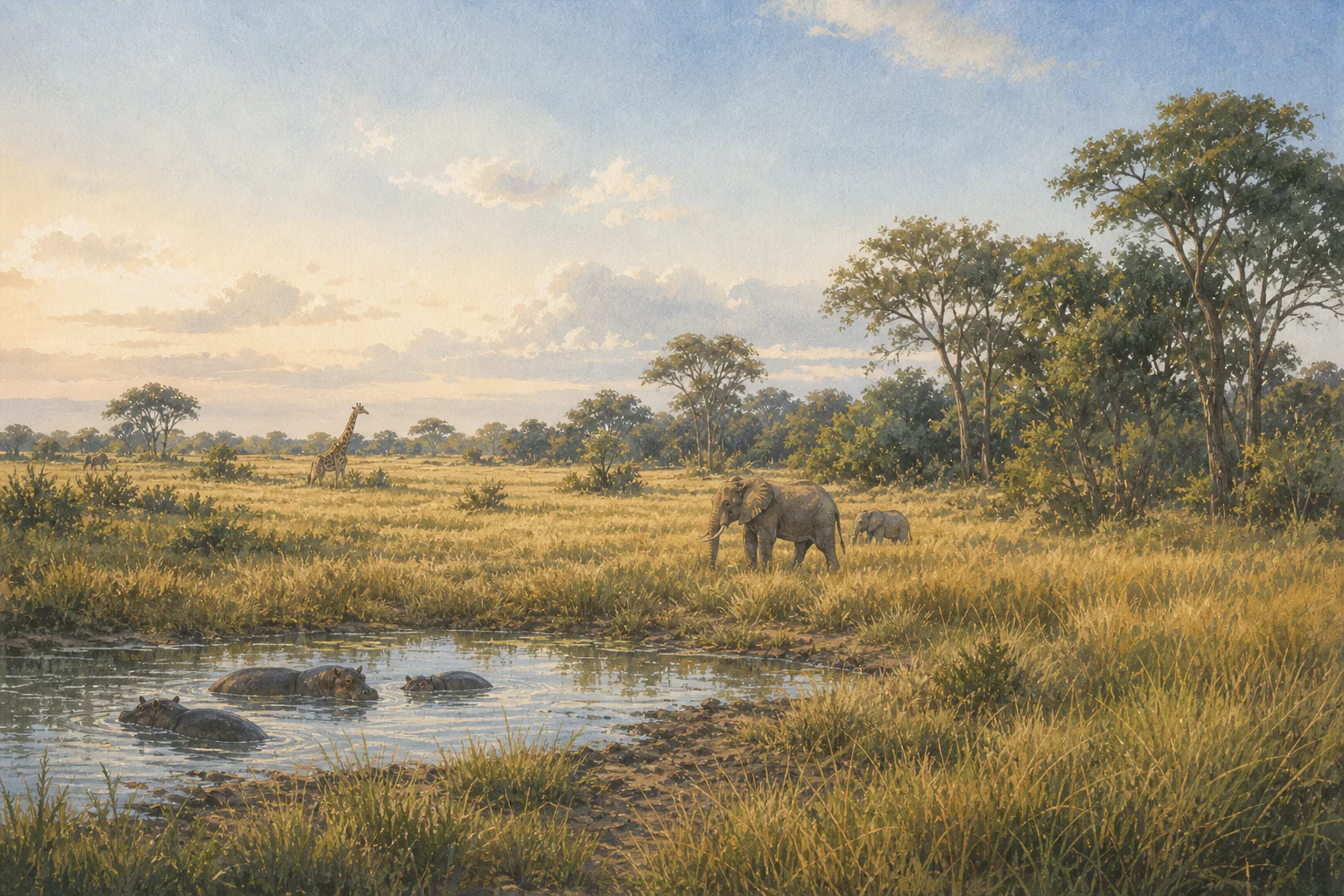
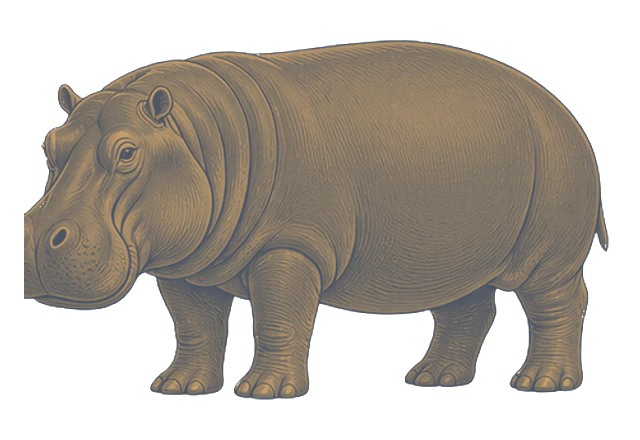
- HippopotamusLate-dry-season Katuma pools; less concentrated during rainsLikelihood: Abundant
- African buffaloDry-season floodplain and water-linked herdsLikelihood: Abundant
- Nile crocodileKatuma River banks and pools, especially as water contractsLikelihood: Common
- African bush elephantRiver corridors, floodplain margins and woodlandLikelihood: Common
- Plains zebraOpen floodplain grazing areasLikelihood: Common
- LionFloodplains and adjoining woodland used by prey herdsLikelihood: Common
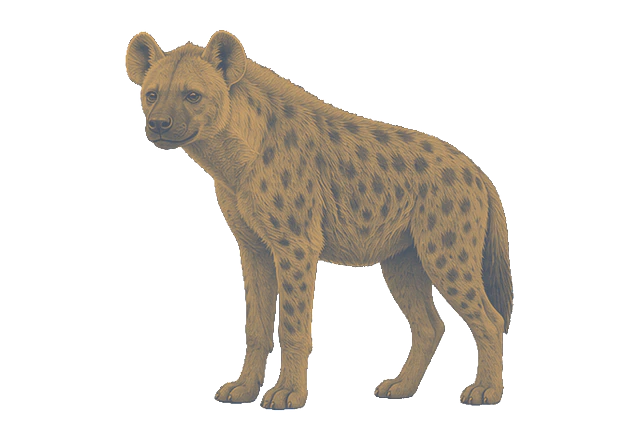
- Spotted hyenaOpen plains and river-linked safari circuitsLikelihood: Common
- LeopardRiverine cover and woodland; often concealedLikelihood: Occasional
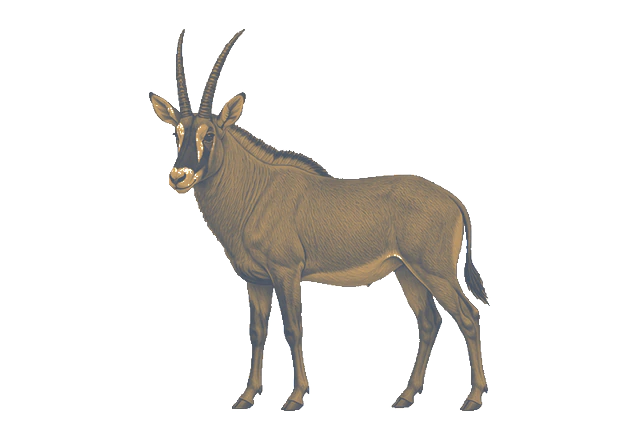
- Roan antelopeWoodland sectors rather than the main crowded river viewpointsLikelihood: Rare
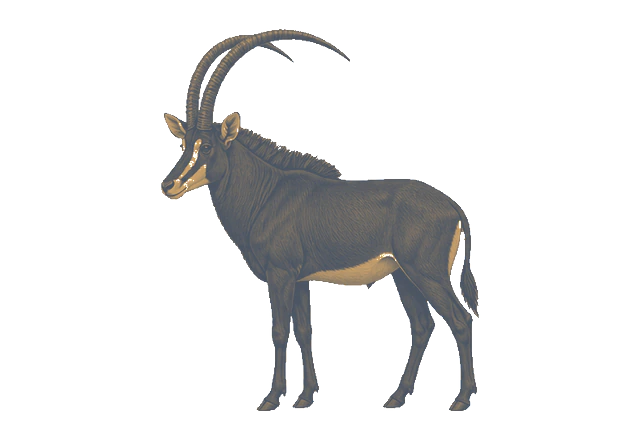
- Sable antelopeLocalised woodland habitat, away from many standard game-drive loopsLikelihood: Rare






Things to do in Katavi National Park
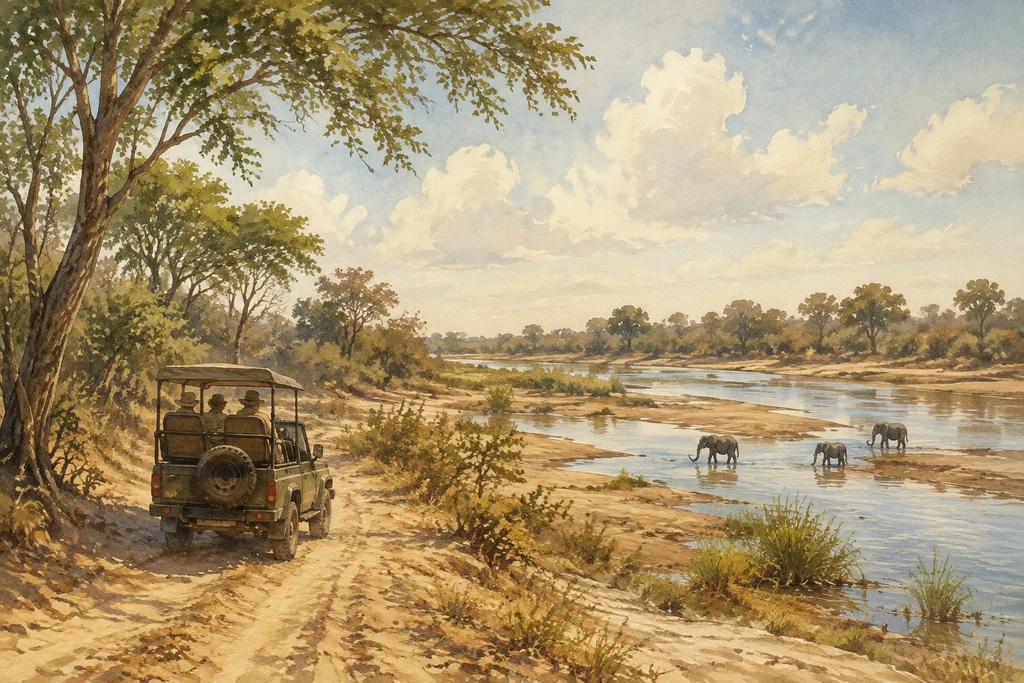
Driving the Katuma River circuit
Follow authorised tracks around the Katuma River and adjacent plains, adjusting the route to water levels and recent sightings. Dry-season visits can bring buffalo herds, hippos and crocodiles into the same broad landscape, while greener months require a more dispersed search. Start early and keep a shaded midday pause in hot weather rather than stretching one drive through the strongest heat.
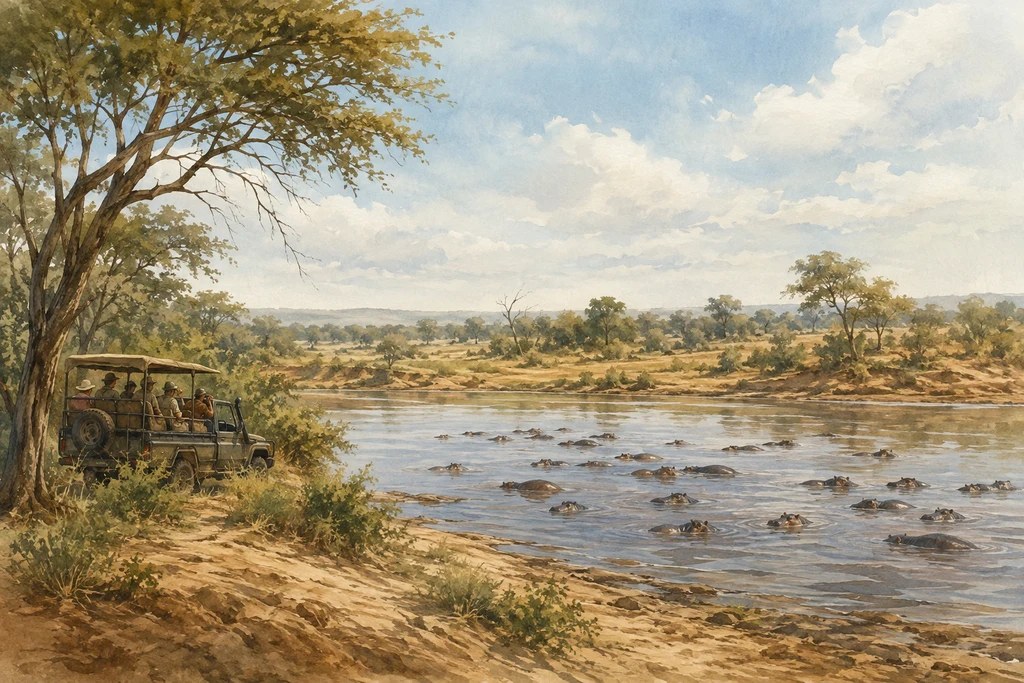
Watching the hippo pools
Spend time at an approved river or pool viewpoint watching hippo behaviour and the animals sharing the remaining water. Concentrations can be striking late in the dry season, but pool size and occupancy change with rainfall. View from a safe position selected by the guide; do not approach a riverbank on foot to improve a photograph or stand between a hippo and its route to water.
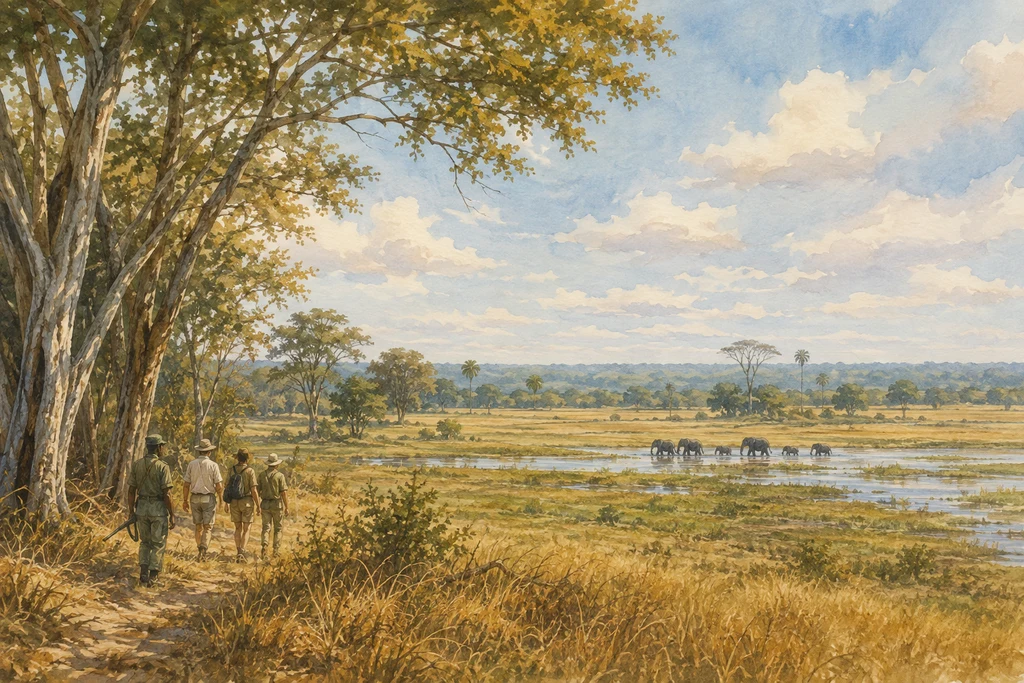
A ranger-led floodplain walk
Walk an authorised route with a ranger to read tracks, examine grasses and understand how the seasonal floodplain connects to woodland. The activity is about the wider ecosystem, not walking up to the crowded hippo pools. Reserve it through the camp or park, confirm fitness and age requirements, and favour a cool start. Heat, wet ground and wildlife can require a different route.
Habitats and flora
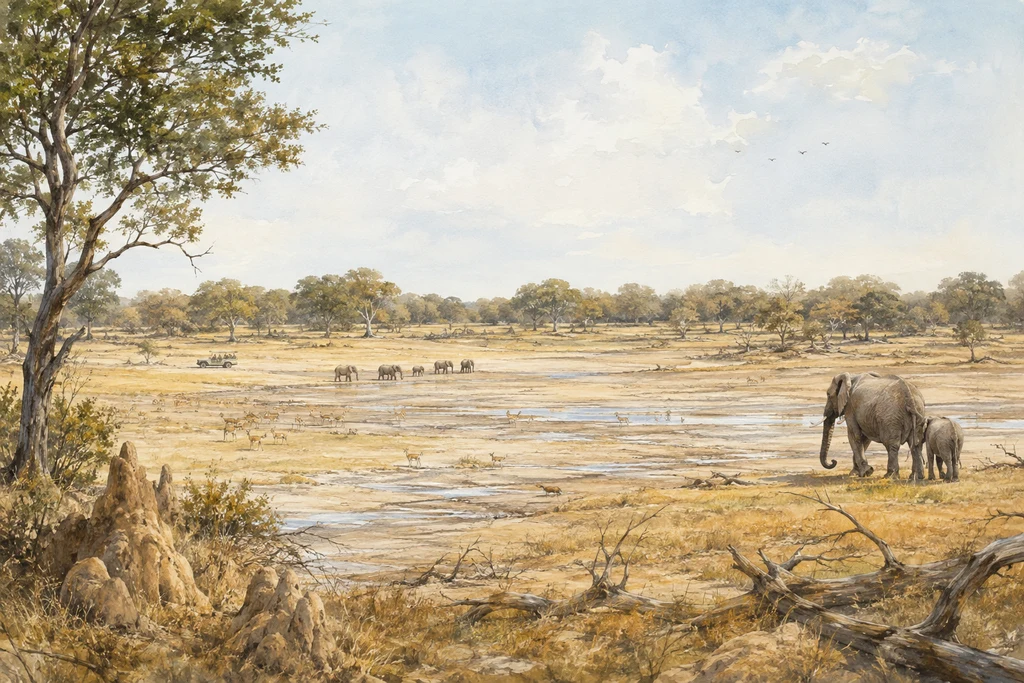
Katavi's open plains are seasonal wetlands rather than permanently dry savannah. The Katuma River connects areas around Lake Katavi and Lake Chada, with water spreading across low ground in the rains and retreating into channels and pools through the dry months. Beyond the plains, miombo woodland creates a quieter, less easily scanned habitat for antelope and other wildlife. This contrast explains the park's famous late-season gatherings: animals are responding to the shrinking distribution of water, not remaining in one place all year. A visit that includes both river margins and woodland reveals more than the best-known hippo viewpoints alone.
Park fees and restrictions
Planning reference rates · Jan 1, 2026 – Dec 31, 2026
Per person · International nonresident visitors · USD
| Visitor | Age | Park entry | Overnight fee | Camping fee |
|---|---|---|---|---|
| 1 adult | 16–99 years | USD 36 | Not available | Not available |
| 1 child | 5–15 years | USD 12 | Not available | Not available |
| 1 infant | Under 5 years | Free | Free | Free |
Tax treatment is not specified in this schedule. Overnight and camping fees are alternative additions to park entry; activity fees may apply separately.
Additional charges
- Vehicle Fee 2-3T
- USD 24 / Per vehicle in the stated weight category; confirm applicability
- MeisterCRM planning rates for foreign non-resident visitors, not an official tariff. Check the selected travel dates and age bands, and confirm final charges before booking.
- Entry is shown per person. Overnight and camping are alternative additions for the selected stay arrangement, not two charges to add together. “Not available” means a charge has not been established; it does not mean free. The planning workbook does not specify permit duration or re-entry rules; confirm the charging period and any repeat-entry fee before quoting.
- Tax treatment is unspecified. Vehicle, guide, specialist activity, transfer and other charges may apply separately. Activity eligibility and any minimum age must be checked separately from admission.
Official fee information
- Official TANAPA tariff verificationChecked Sep 7, 2026