
Best time and high seasonality
Compare recommended travel periods, typical demand seasons, weather comfort, and sky conditions across all twelve months.
- Average daytime high
- 30.4°C
- Average nighttime low
- 19°C
- Average rainfall
- 15.9 mm / month
2001–2020 climate averages for Mtemere and lower Rufiji visitor circuit, not the whole former Selous reserve. Gridded regional estimates, not a forecast or a park-wide measurement.
Weather and travel guidance
January is hot and humid around Mtemere and the Rufiji, even when rainfall eases between wetter spells. Riverbanks and nearby lakes stay green, and wildlife is less dependent on a small set of drinking points than in September. A mix of game drives and an operator-confirmed boat outing offers more variety than repeatedly searching the same flooded tracks. Begin land activities early, leave shaded time in the middle of the day and carry a waterproof layer. Local river levels and access conditions should shape each outing.
February can offer a relative rainfall lull in the eastern Rufiji visitor area, but heat and humidity remain important. Showers are still possible and the woodland is leafy, so clients should expect patient wildlife searching rather than dry-season visibility. Morning drives make good use of the cooler hours; a later boat trip may offer a different view of channels and riverine birds where conditions permit. Confirm the route with the camp before setting out, and leave room for rest rather than filling every daylight hour.
March usually brings more substantial rain to the Mtemere–Rufiji area. Low tracks can become muddy, vegetation thickens and changing water levels affect the choices available for both land and river excursions. This is a green-season trip requiring flexible logistics, not the same operation as a July safari. Check that the selected camp and transfers are running for the intended dates. Shorter drives between showers, waterproof luggage and a willingness to change plans are more valuable than an ambitious daily distance.
April is one of the most demanding months for access around Nyerere’s eastern visitor circuits. Heavy showers can soften roads and raise water levels, while dense green vegetation limits long sightlines. Some safari operations have seasonal closures, so an available flight alone does not establish that an entire itinerary is workable. Confirm the camp, landing arrangements and ground transfers together before booking. If travelling, keep plans modest and weather-led, with protected equipment and comfortable sheltered downtime.
May marks the easing of the main rains around the Rufiji, though early-month showers and saturated ground can linger. Drying is uneven: a usable main track does not prove that every lakeside circuit is ready. As camps resume or expand operations, confirm the full activity programme for the actual dates. Fresh greenery and quieter landscapes can suit an unhurried visit. Choose a flexible mix of short drives and permitted river outings, and allow a buffer between the final park activity and an onward road connection.
June generally offers a more dependable dry-season start around Mtemere, with less rain and more comfortable mornings. The Rufiji landscape may retain water and greenery from the rains, so game viewing is spread between lakes, river margins and woodland rather than one obvious concentration. It is a good month for combining different habitats at a measured pace. Take a light layer for an early open-vehicle departure, sun protection for the river and time to pause between activities. Boat routes still depend on local conditions.
July is usually dry and relatively comfortable in Nyerere’s eastern safari area. Early starts can feel cool beside the Rufiji, while daylight hours are warm and often suitable for a varied combination of game driving and river observation. Retreating seasonal water begins to make lakes and channels more important to the day’s route. Carry a layer for dawn and a hat for exposed boat time. Let the guide vary woodland and waterside circuits; dry weather improves access but does not make wide-ranging species predictable.
August brings settled dry-season conditions to much of the Mtemere–Rufiji visitor area, with warmer afternoons and more dust on land circuits. Reduced surface water can make established lakes and river margins productive places to wait and watch. A morning drive followed by rest and a permitted late river outing gives clients two different perspectives without excessive midday exposure. Protect optics from dust, keep drinking water available and allow the boat operator to choose routes appropriate to current channels and water levels.
September is normally dry and increasingly hot around the Rufiji. Vegetation becomes more open and remaining water helps focus wildlife searches, but the lowland heat is a significant comfort consideration. Plan the main game drive from dawn, return for a long shaded break and use the cooler late afternoon for a second outing. A river excursion can be rewarding, yet an open boat still leaves passengers exposed to sun. Brief clients on hats, drinking water and realistic daily pacing, especially on a short two-night stay.
October is a hot late-dry-season month in Nyerere’s eastern visitor area. Dust and strong sun can dominate before the first storms, while isolated rain may alter tracks without establishing a sustained wet season. Lakes and the Rufiji remain central to route planning, but conditions vary between channels and camp areas. Put walking or other active outings in the earliest permitted slot, and shorten midday exposure. Keep a rain cover ready, and treat the monthly recommendation as a wildlife opportunity with a clear heat trade-off.
November is a changeover month around Mtemere and the Rufiji: hot spells increasingly share the forecast with short rains. Fresh grass begins to appear, animals can disperse from dry-season water points and minor tracks may deteriorate after storms. The scenery gains colour, but a rigid sequence of drives and boat trips is less useful than a flexible programme. Confirm camp operations and the access route for the dates booked. Carry light rain protection and preserve the early start, since humidity can make warm afternoons tiring.
December is warm and humid in the Rufiji visitor area, with rain bringing greener woodland and variable track conditions. Clear spells still allow outings, but the wet landscape changes the pattern of wildlife viewing and may restrict some routes. A good itinerary balances land and permitted water activities with time under shelter, rather than promising the same circuits as August. Keep cameras and travel documents protected from spray and showers. Check seasonal camp availability and allow enough transfer time for rain-related delays.
- Travel recommended
- June to October
- Typical travel season
- Shoulder · June, November to February
- Weather comfort
- Excellent · June to August
How to read this: month icons show the typical sky and rain pattern; Weather grades broad travel comfort; Travel Seasons show typical demand and pricing. None is a forecast, and supplier periods vary.
Wildlife Overview
Wildlife to look for in Nyerere National Park. Labels describe typical encounters in suitable habitat; season, conditions and time spent exploring all make a difference.
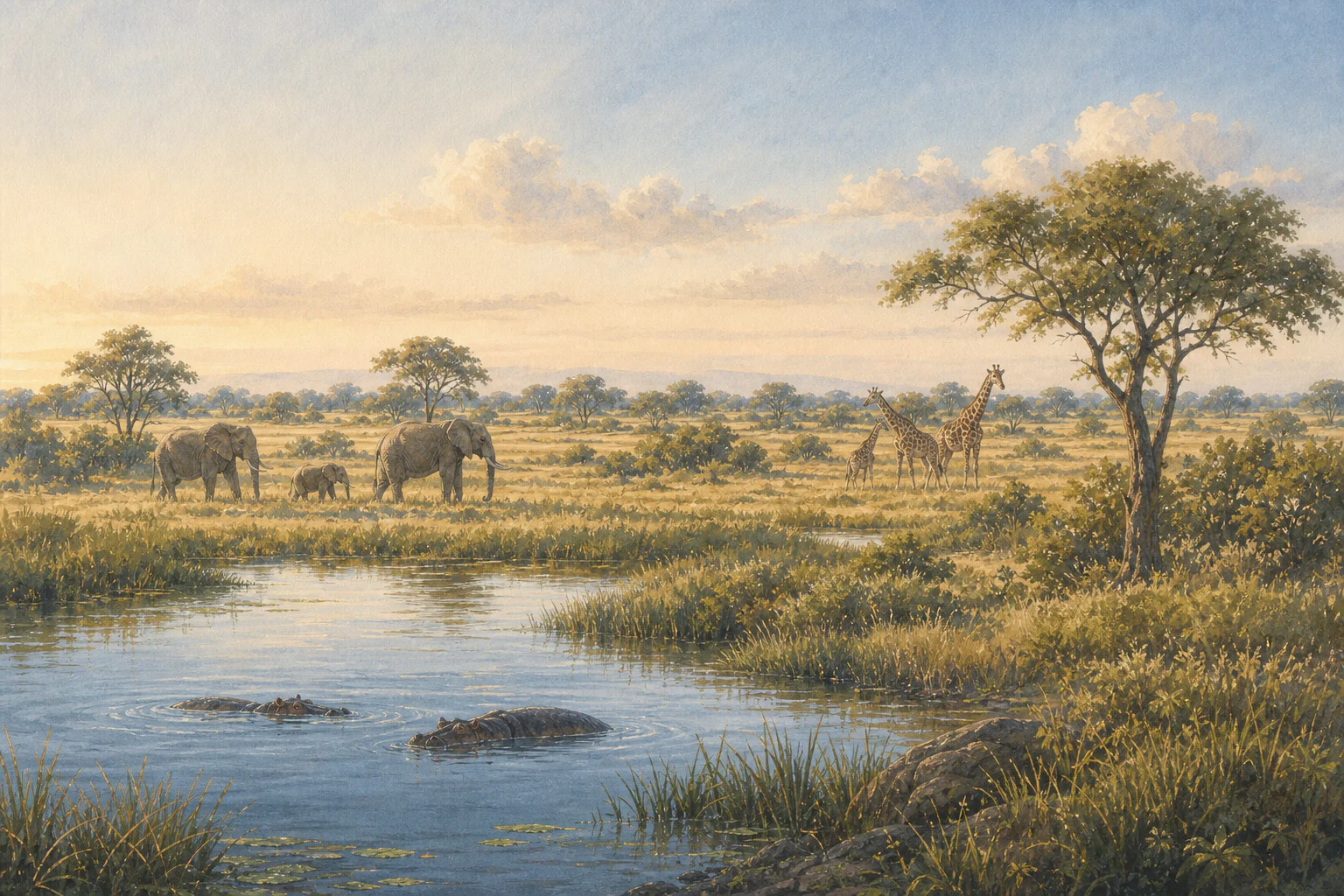
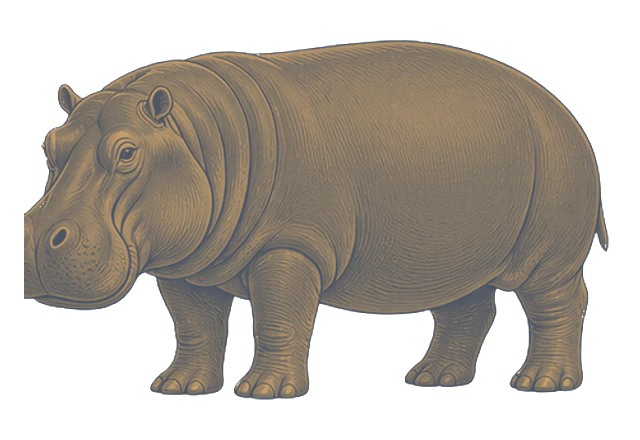
- HippopotamusRufiji channels and suitable lakes in the photographic visitor circuitLikelihood: Abundant
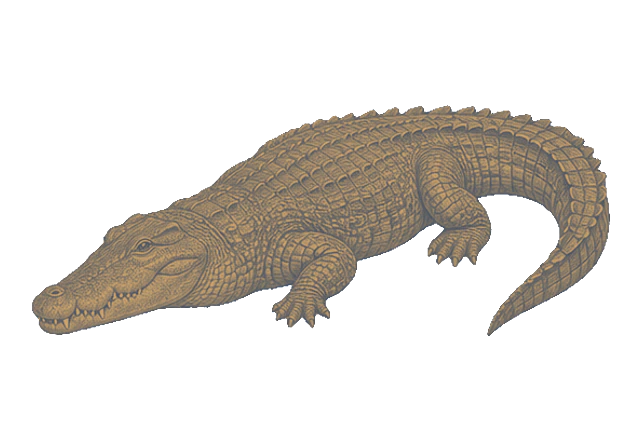
- Nile crocodileRiverbanks and sandbars on authorised boat-safari routesLikelihood: Common
- Masai giraffeWoodland and lake-edge browsing areas near main safari circuitsLikelihood: Common
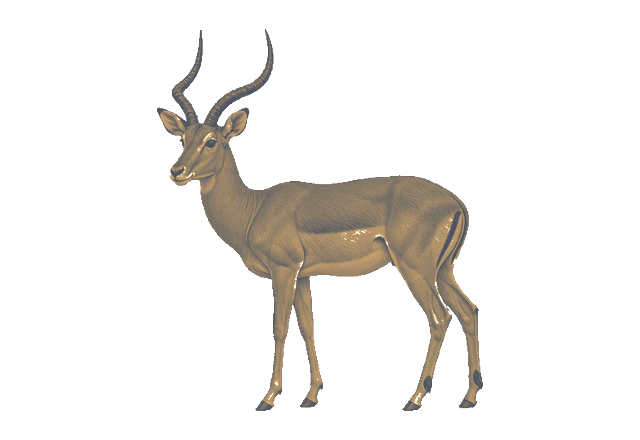
- ImpalaOpen woodland and grassland marginsLikelihood: Common
- African buffaloFloodplain grazing and woodland adjoining waterLikelihood: Common
- African bush elephantRiver-linked and woodland habitats; local concentrations varyLikelihood: Common
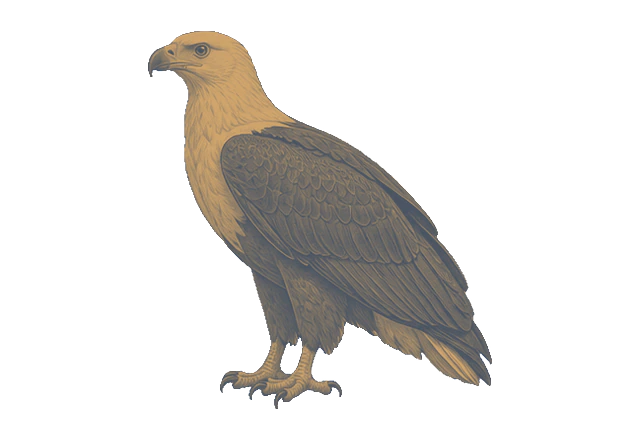
- African fish eagleRufiji and lake shorelines, especially on boat outingsLikelihood: Common
- LionSuitable lake and woodland safari areas; sightings remain variableLikelihood: Common
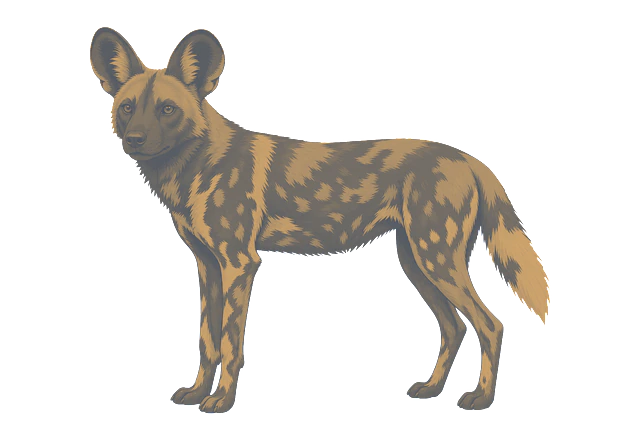
- African wild dogWide-ranging packs; camp sector and recent movements matterLikelihood: Occasional
- LeopardRiverine and woodland cover, often concealedLikelihood: Occasional
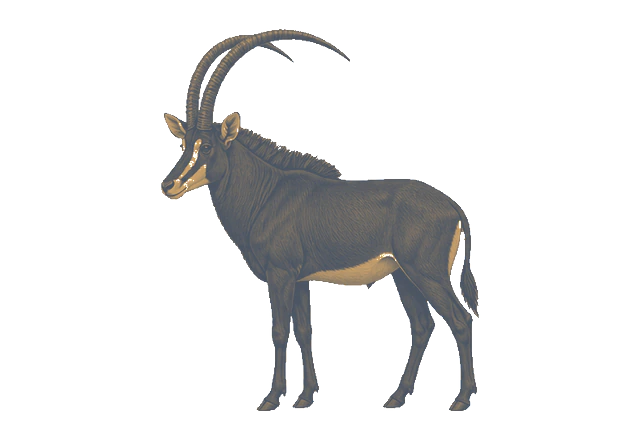
- Sable antelopeMore localised woodland habitat, not a routine river-circuit sightingLikelihood: Rare





Things to do in Nyerere National Park
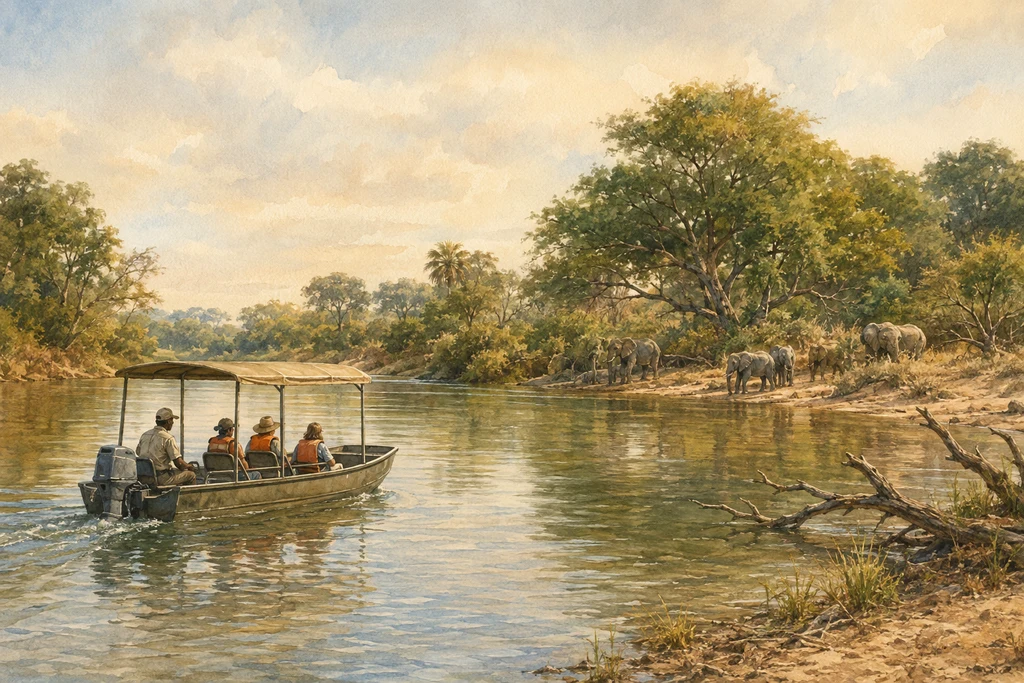
A Rufiji River boat safari
Travel with an authorised boat guide along suitable river or lake sections, watching hippos, crocodiles and birds from the water. The usable route depends on levels, current conditions and the operator's permitted area. Keep hands and equipment inside the boat and follow the crew's directions. This complements a game drive; it is not a swimming excursion or a guarantee of seeing mammals drinking on every bank.
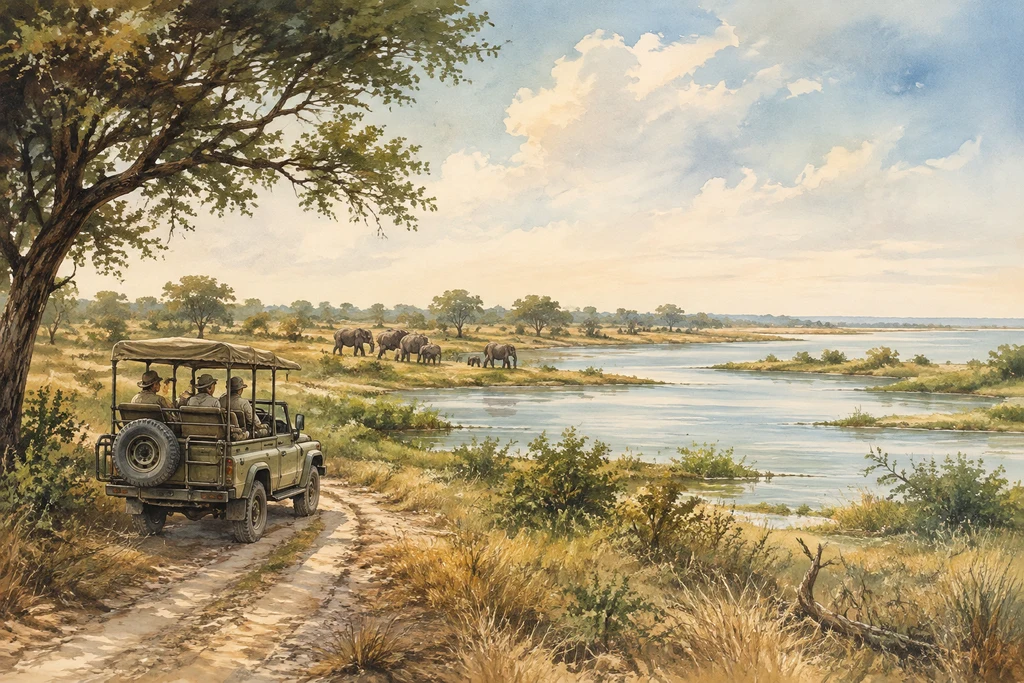
Game drives around the lakes
Explore the authorised lake and woodland circuits around the booked camp, moving between water-linked habitat and more open grazing areas. Giraffes, impala and other resident mammals give structure to the outing while predators require patient searching. Choose a cool start and let the guide respond to track conditions. Confirm which part of Nyerere the camp actually uses before planning distant crossings of the park.
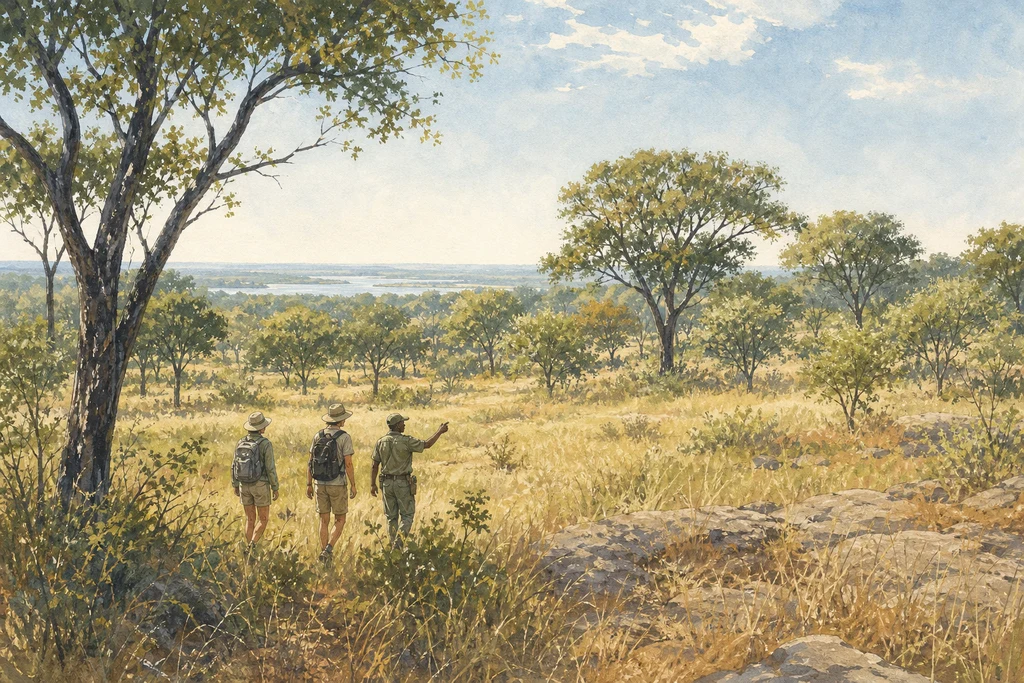
A guided bush walk
Join a properly arranged ranger-led walk to examine tracks, plants and the smaller signs of wildlife on a safe authorised route. The experience is different from approaching hippos or crocodiles at the river edge. Confirm the activity's age, fitness and permit requirements with the operator, and keep the session in cooler hours. Heat, rain or animal movements may require the route to change.
Habitats and flora
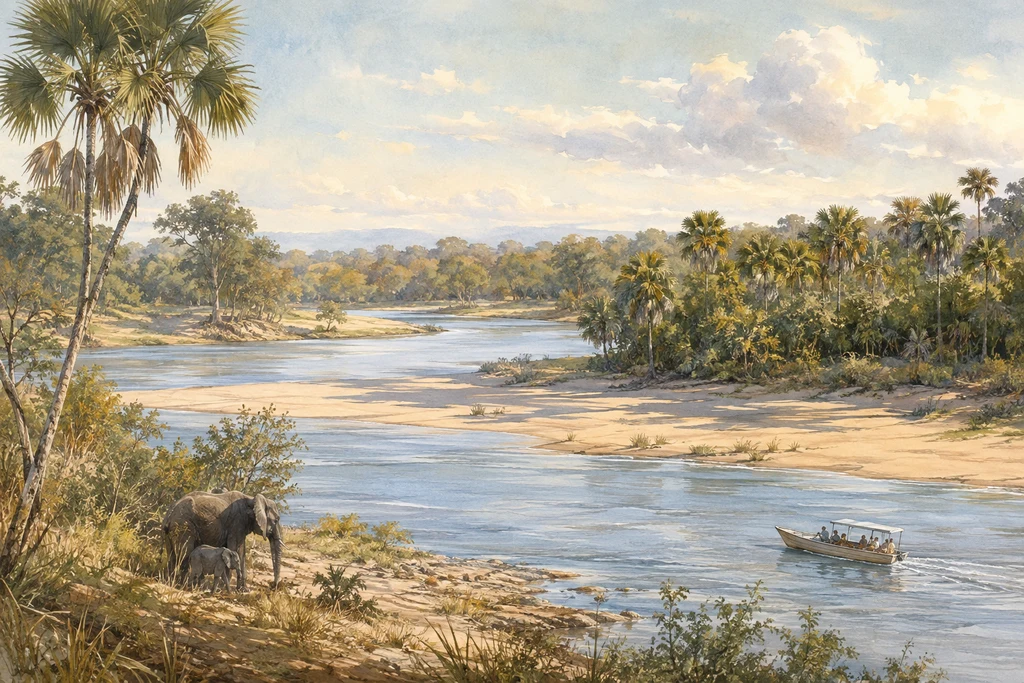
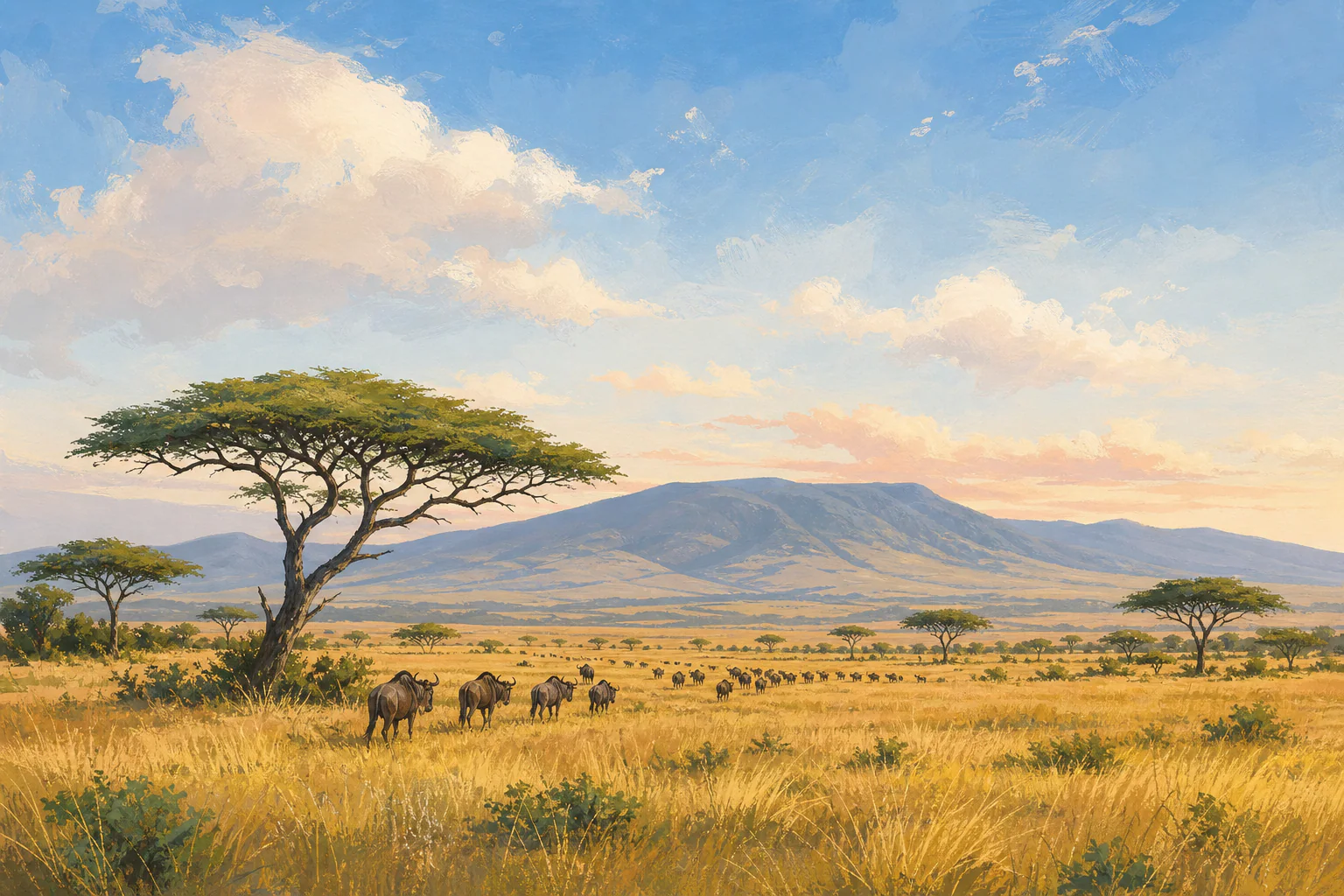
Around the lower Rufiji visitor circuit, Nyerere alternates river channels, lakes, sandbanks and floodplain grassland with woodland and thicker riverine cover. Water shapes the route as much as the road network: a boat reveals banks and birdlife that a drive cannot, while inland tracks reach grazing and browsing animals away from the main channel. Rain spreads surface water and greens the bush; the dry months make remaining water more influential. The national park is much larger than this frequently visited area, so conditions near Mtemere should not be presented as uniform across Nyerere or extended to the separate Selous reserve.
Park fees and restrictions
Planning reference rates · Jan 1, 2026 – Dec 31, 2026
Per person · International nonresident visitors · USD
| Visitor | Age | Park entry | Overnight fee | Camping fee |
|---|---|---|---|---|
| 1 adult | 16–99 years | USD 82 | USD 71 | USD 35 |
| 1 child | 5–15 years | USD 24 | USD 24 | USD 18 |
| 1 infant | Under 5 years | Free | Free | Free |
Tax treatment is not specified in this schedule. Overnight and camping fees are alternative additions to park entry; activity fees may apply separately.
Additional charges
- Vehicle Fee 2-3T
- USD 24 / Per vehicle in the stated weight category; confirm applicability
- MeisterCRM planning rates for foreign non-resident visitors, not an official tariff. Check the selected travel dates and age bands, and confirm final charges before booking.
- Entry is shown per person. Overnight and camping are alternative additions for the selected stay arrangement, not two charges to add together. “Not available” means a charge has not been established; it does not mean free. The planning workbook does not specify permit duration or re-entry rules; confirm the charging period and any repeat-entry fee before quoting.
- Tax treatment is unspecified. Vehicle, guide, specialist activity, transfer and other charges may apply separately. Activity eligibility and any minimum age must be checked separately from admission.
Official fee information
- Official TANAPA tariff verificationChecked Sep 7, 2026