
Best time and high seasonality
Compare recommended travel periods, typical demand seasons, weather comfort, and sky conditions across all twelve months.
- Average daytime high
- 28°C
- Average nighttime low
- 18.4°C
- Average rainfall
- 28.2 mm / month
2001–2020 climate averages for Mahale lakeshore and lower forest; mountain ridges are cooler. Gridded regional estimates, not a forecast or a park-wide measurement.
Weather and travel guidance
January is wet and humid at Mahale, with heavy showers on the forested slopes above Lake Tanganyika. Chimpanzee tracking can involve slippery ground and substantial climbing, while boat transfers need flexibility around wind and storms. Some camps operate seasonally, so confirm exact opening dates before building a remote lake itinerary. A waterproof pack and footwear with grip are essential for the forest day. The green mountain scenery can be striking, but this is a demanding weather window and should not be presented as an easy beach-and-wildlife break.
February remains part of Mahale's rainy season, with warm lakeside conditions and frequent moisture under the canopy. A brighter interval may suit a boat outing, but lake conditions and forest walking need separate checks. Chimpanzees range freely for food, so wet weather does not translate into a predictable short search close to camp. Leave time for slow footing and a quiet recovery period after tracking. Confirm accommodation operations and protect luggage from spray during transfers; a fixed same-day connection offers little resilience in this remote setting.
March is still wet at Mahale, with rain feeding the mountain streams and keeping forest trails soft. The lakeshore can feel hot between showers while higher tracking routes are cooler and very humid. Plan around one main forest activity rather than combining a demanding chimpanzee search with a long waterfall hike. A guide may alter the route according to the animals and the terrain. Check the camp's seasonal operating dates and retain flexibility for the boat transfer, because a calm morning on Lake Tanganyika can be followed by rougher storm conditions.
April is the latter part of Mahale's rains, with substantial showers still possible and many travel arrangements operating on a seasonal basis. Forest paths remain slippery even when the lake brightens, and access should be agreed with the camp rather than inferred from a broad Tanzania forecast. This is a specialist choice for travellers comfortable with wet trekking and flexible transfers. Keep clothing quick-drying and equipment protected. A mountain backdrop and beach do not make Mahale a conventional coastal resort; the remote approach is part of the planning effort.
May usually brings a sharp reduction in rain at Mahale, although the forest retains moisture and some camps reopen progressively. Improving paths and cooler starts make the transition attractive for a carefully arranged primate stay. Confirm the first operating dates and allow enough time for the flight-and-boat connection instead of assuming every service resumes together. Keep a light waterproof in the tracking bag and expect uphill walking if the chimpanzees are feeding higher. Lake excursions can be pleasant, but their timing should follow wind conditions each day.
June is dry and relatively comfortable at Mahale, with cooler dawns and more reliable footing on the lower forest trails. Chimpanzee tracking remains physically variable: a dry path can still lead into steep country as the animals move. Begin with a light layer for the boat or early lakeside walk, then carry water for the warmer climb. This is a useful month for combining forest time with a separate gentle lake activity. Reserve enough nights to avoid making one short tracking window the whole purpose of a long journey to this remote park.
July is among Mahale's driest months, with clear intervals, cool starts and warm afternoons beside Lake Tanganyika. Forest trekking is generally less muddy than in the rains, though roots and slopes still demand careful footing. A lakeside breeze can make a boat transfer feel cool, so bring a layer that packs away easily for the climb. Plan the chimpanzee search as the day's main activity and leave kayaking or a shoreline outing for a separate calm-weather window. The dry season improves practicality but does not guarantee an encounter close to camp.
August is mostly dry at Mahale and becomes warmer as the month advances. The forest canopy provides shade, yet a long uphill chimpanzee search can still be hot work, making an early start and drinking water important. Lake Tanganyika is appealing between activities, but wind can raise waves despite clear skies; guided water outings should follow local conditions. Dust or haze may soften distant mountain views. This is a popular period for remote primate itineraries, so secure camp space and transfers while leaving the daily wildlife programme flexible.
September is warm and usually still dry at Mahale, with more heat building along the lakeshore. Forest walks are often easier underfoot than during the rains, but tracking can reach steep slopes where the effort is considerable. Start early and leave a genuine rest interval before a later lake activity. Carry sun protection for the boat as well as water for the forest, since shade is not available on every transfer. An isolated shower is possible toward the transition, so retain lightweight rain protection even when most of the visit is bright.
October is hot and increasingly changeable at Mahale as the first rains approach. Some days remain dry, while storms can quickly make the forest slippery and alter lake conditions. Chimpanzee trekking should take priority in the cooler morning, with any kayak or waterfall outing arranged around the day's weather and energy levels. Check the camp's late-season schedule and avoid tight onward connections after a boat transfer. Keep both waterproof and sun protection accessible: this is a transition month, not a dependable continuation of July's dry conditions.
November is a wet month at Mahale, with frequent showers, humid forest and greater travel uncertainty around seasonal camp operations. A chimpanzee visit can be rewarding for a fit, patient traveller, but steep muddy trails make the effort difficult to predict. Confirm the accommodation, flight and boat chain for the exact dates before offering the itinerary. Waterproof luggage and a spare transfer window are particularly useful. Do not fill the programme with fixed outdoor sessions; let the tracking route, lake wind and changing rain determine a manageable daily pace.
December is usually rainy at Mahale, with lush mountain forest, warm lakeside air and storms that can interrupt both trekking and boat travel. The scenery is green, but walking conditions are more demanding and some camps may not be operating. Treat availability as a first planning question, not a detail to resolve after flights are booked. Travellers need grippy shoes, dry protection for equipment and realistic expectations of a potentially long chimpanzee search. Holiday timing does not remove the need for weather buffers on this remote lake itinerary.
- Travel recommended
- May to October
- Typical travel season
- Shoulder · May to June
- Weather comfort
- Good · May, September to October
How to read this: month icons show the typical sky and rain pattern; Weather grades broad travel comfort; Travel Seasons show typical demand and pricing. None is a forecast, and supplier periods vary.
Wildlife Overview
Wildlife to look for in Mahale Mountains National Park. Labels describe typical encounters in suitable habitat; season, conditions and time spent exploring all make a difference.
- Eastern chimpanzeeAuthorised tracking of habituated communities; search length and elevation varyLikelihood: Common
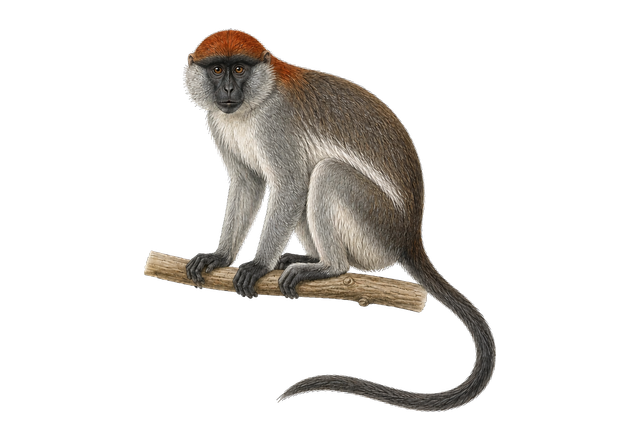
- Red-tailed monkeyLower forest canopy along guided trailsLikelihood: Common
- Ugandan red colobusTree canopy along guided forest walks; patient viewing between branchesLikelihood: Common
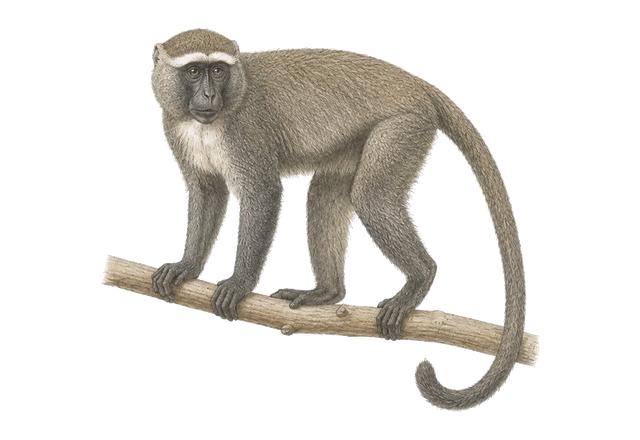
- Blue monkeyForest canopy; often an additional primate on walking routesLikelihood: Common
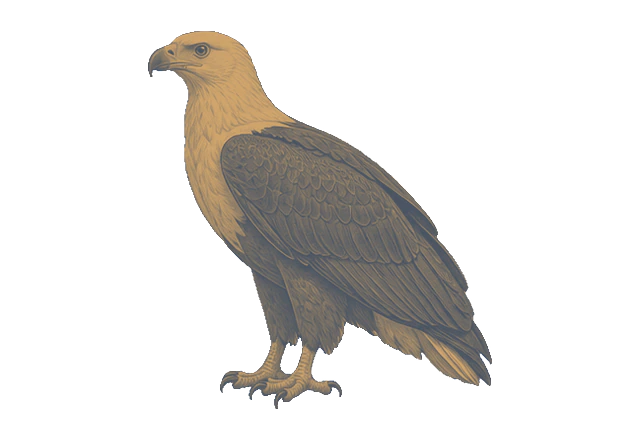
- African fish eagleLake Tanganyika shoreline and suitable boat-viewing areasLikelihood: Common
- Nile crocodileShoreline and river mouths; never assume water is safe for swimmingLikelihood: Occasional
- HippopotamusLocalised lakeshore habitat, not a guaranteed sighting from every campLikelihood: Occasional




Things to do in Mahale Mountains National Park
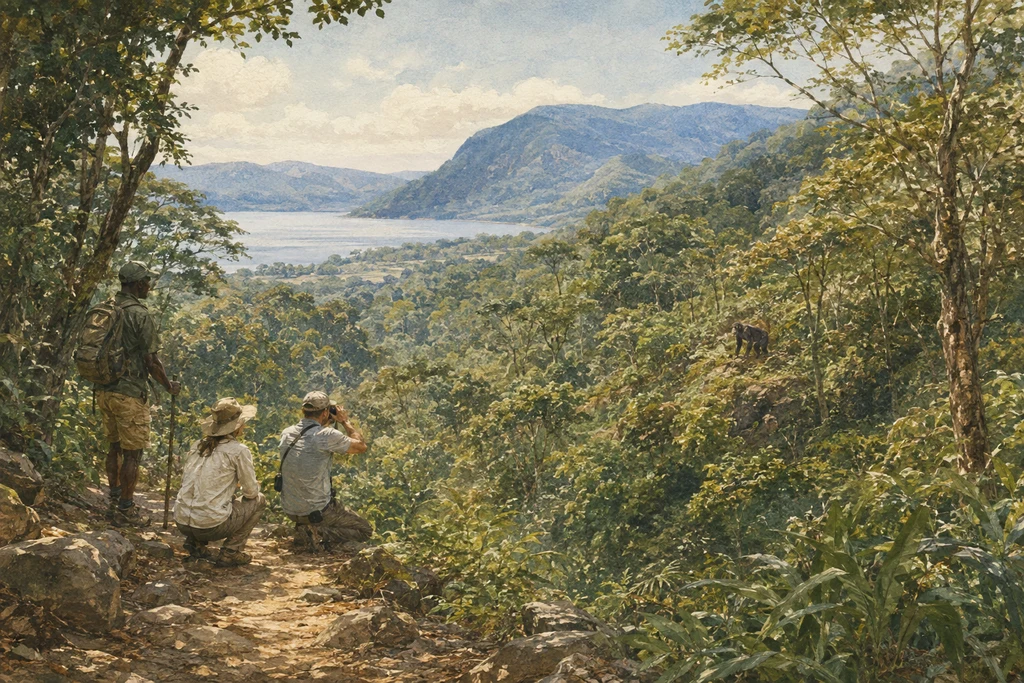
Tracking Mahale's chimpanzees
Join an authorised guide to search for a habituated chimpanzee community in the forest above the lake. The animals' feeding locations determine how far and how steeply the group walks, so allow for a physically active outing rather than a fixed easy trail. Follow current health, distance and viewing-time rules, and confirm participant age eligibility before arranging a family visit.
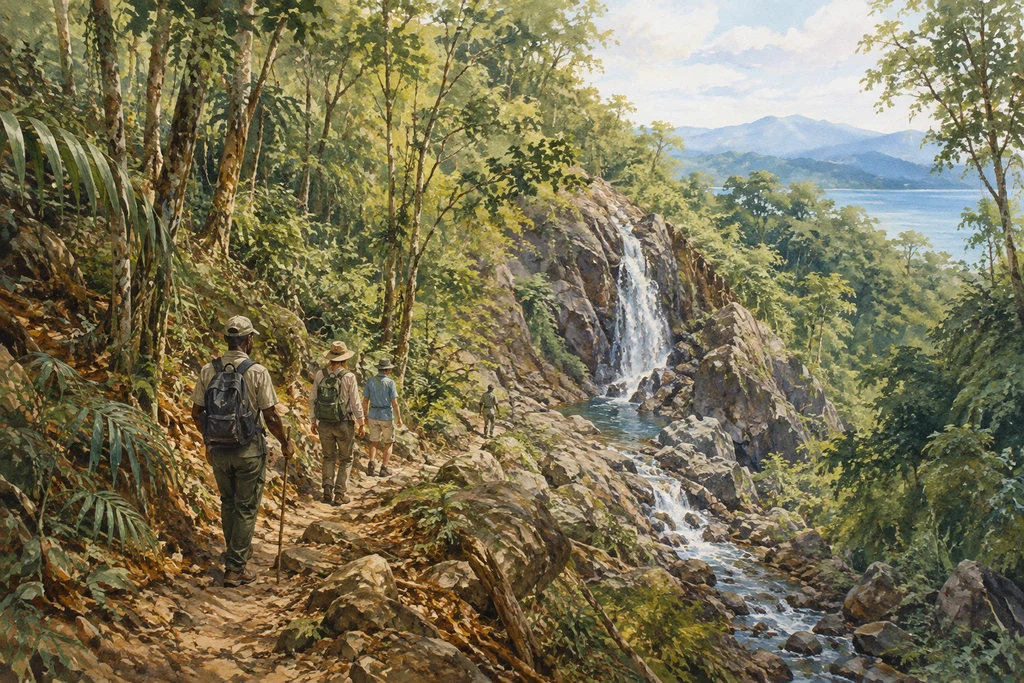
A forest and waterfall walk
Take a guided forest walk as a separate outing from chimpanzee tracking, choosing the route around fitness, recent rain and the time available. Streams, smaller primates and canopy birds give reasons to pause even without a large-animal sighting. Wear shoes suited to wet roots and stones. After a strenuous tracking morning, choose a short route or a rest instead of adding another steep climb.
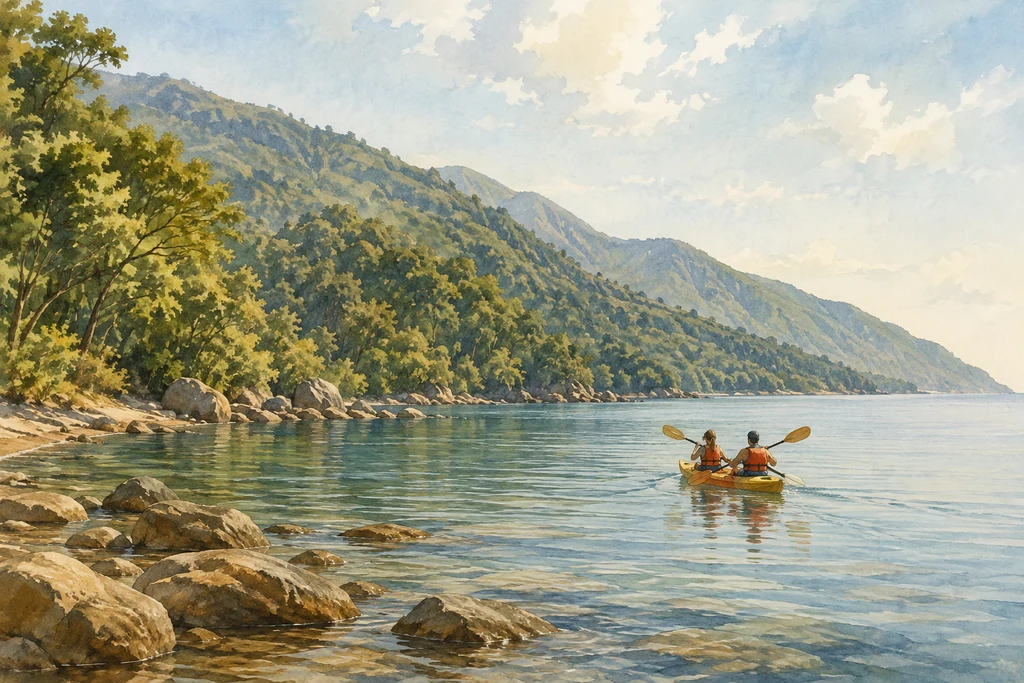
Kayaking on Lake Tanganyika
Where offered by the booked camp, a guided kayak outing gives a quiet lakeside view of Mahale's forested mountain slopes. Keep it to an approved area and a calm-weather window, with a life jacket and the guide's assessment of wind and waves. This is a gentle complement to forest trekking, not an invitation to explore the remote shoreline independently or approach wildlife on the water.
Habitats and flora
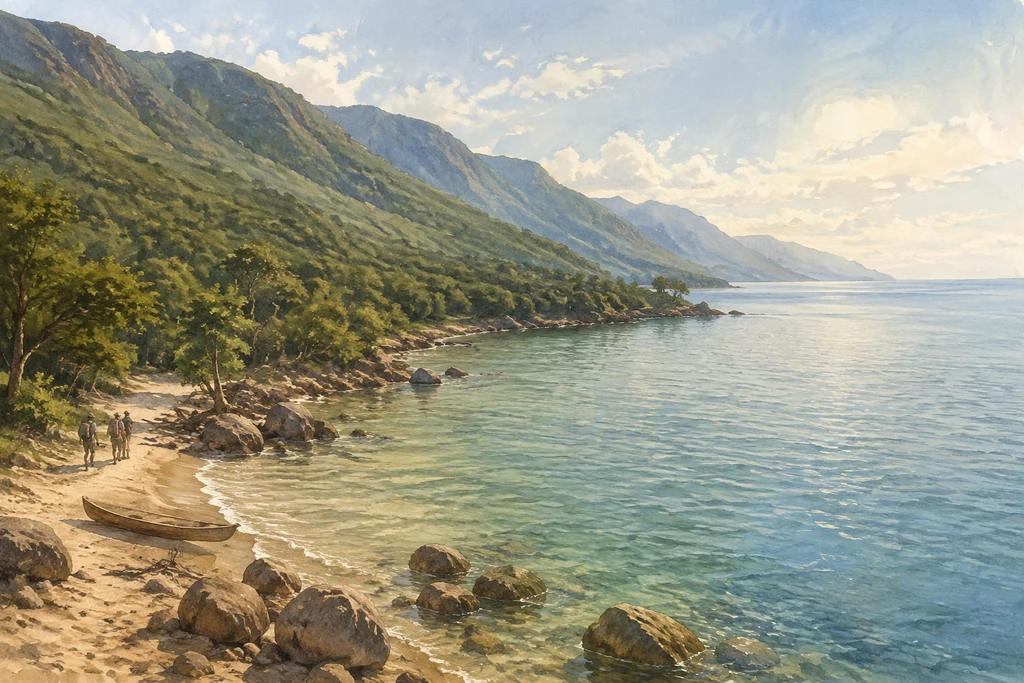
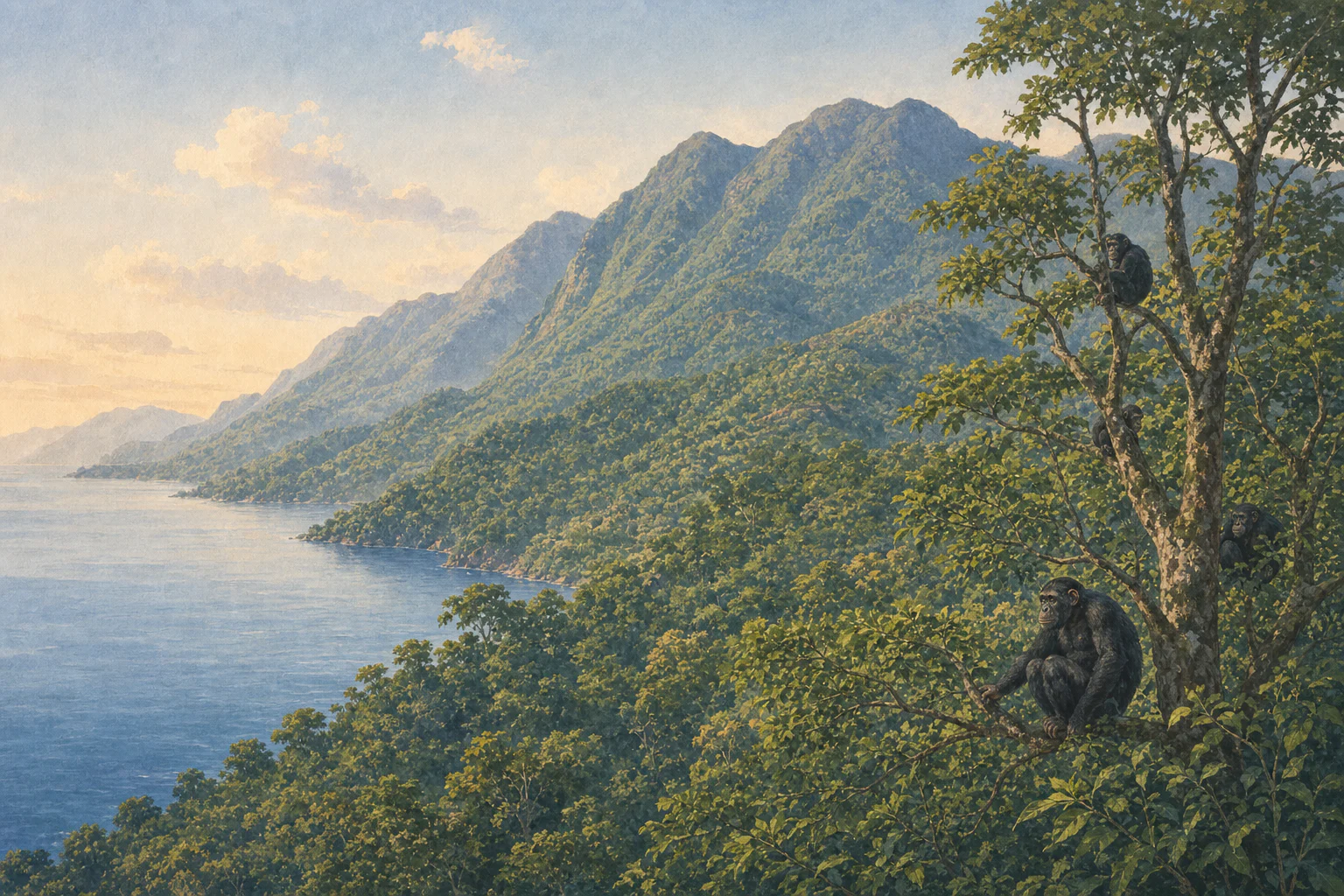
At Mahale, the forest begins close to Lake Tanganyika and climbs into a rugged mountain interior. Moist valleys and wooded slopes provide feeding habitat for chimpanzees and other primates, with a very different view of the landscape from the open lakeshore. A tracking route may move from warm lower forest into cooler, steeper ground as the animals range for food. Streams and waterfalls link the mountain catchments to the lake, while sandy shoreline pockets create places to pause between forest outings. The visitor experience is therefore shaped by both slope and water: this is not a park organised around a network of game-drive roads.
Park fees and restrictions
Published official rates · Jul 1, 2026 – Jun 30, 2027
Per person · International nonresident visitors · TZS
| Visitor | Age | Park entry | Overnight fee | Camping fee |
|---|---|---|---|---|
| 1 adult | 16+ years | TZS 204,400 | Not available | Not available |
| 1 child | 5–15 years | TZS 51,100 | Not available | Not available |
| 1 infant | Under 5 years | Free | Not available | Not available |
Tax treatment is not specified in this schedule. Overnight and camping fees are alternative additions to park entry; activity fees may apply separately.
- Dated non-resident admission fees are listed in Tanzanian shillings. Currency conversion and tax adjustments are not included.
- This is admission only. Accommodation-related charges, chimpanzee activities, boats, guides and transfers require a separate quote. “Not available” means a charge is unconfirmed, not free.
- Below-five entry is free; activity eligibility is separate. Confirm current chimpanzee participation rules before booking children.
Official fee information
- Official TANAPA Mahale tariff dataChecked Sep 7, 2026
- Official TANAPA tariff information and age bandsChecked Sep 7, 2026