
Best time and high seasonality
Compare recommended travel periods, typical demand seasons, weather comfort, and sky conditions across all twelve months.
Weather and travel guidance
January is generally warm and dry across Kenya's major inland travel regions, with bright intervals on the coast and cooler nights in the central highlands. The arid north can be very hot by day, while mountain weather remains changeable. Demand is high after the festive period and availability can tighten. Build sun and hydration measures into road days, add a light layer for Nairobi and high-elevation mornings, verify coastal humidity and marine conditions, and confirm local water, road and activity status rather than treating the dry-season label as uniform.
February is commonly one of Kenya's hottest, driest months before the long rains. Inland plains are often sunny and dusty, the coast is hot and humid, and highland nights remain appreciably cooler; northern districts can face sharper heat and water constraints. It is a high-demand month with broadly reliable roads. Plan early outdoor starts, midday shade and generous hydration, carry layers for altitude, and ask suppliers about current drought, fire, water and access conditions because comfortable Nairobi weather does not describe the coast, mountains or far north.
March begins warm and often bright, but the long-rain transition can arrive unevenly, first as isolated storms and later as more regular showers. The coast may turn more humid, central highlands cool under cloud, and northern areas can remain dry after rain starts elsewhere. Demand remains high in the reviewed calendar, though weather confidence falls as the month advances. Keep waterproofs accessible, avoid fragile same-day road connections, plan unsealed routes with alternatives, and confirm the actual onset of rain for every county and park before departure.
April lies within Kenya's long-rain season and is often among the wettest months in the central highlands and many western or southern travel areas. Heavy showers can be separated by bright periods, while northern and coastal patterns still differ. Mud, flooding and damaged unsealed roads are more important than rainfall totals alone. Use four-wheel-drive where suppliers advise it, protect luggage and electronics, reduce road mileage, and retain contingency time around airstrips, ferries and outdoor activities. Obtain current local access reports rather than assuming country-wide closure.
May usually remains within the long rains, with cloud, repeated showers and saturated ground affecting highlands, western Kenya and many unsealed routes. The coast can be especially wet and humid, while the arid north may receive less dependable rainfall. Lower demand can improve availability, but some camps, tracks or activities operate differently. Build flexible routing and dry footwear into the plan, avoid tight transfer chains, and request current road, airstrip and property status. Rainy Season describes the broad regime, not continuous rain or identical conditions nationwide.
June is a transition toward drier conditions over much of Kenya. Rain usually eases, landscapes remain green, and central highlands can be cool or overcast; northern plains are warmer and drier, while the coast may retain showers and humidity. Supplier rate calendars often treat June as shoulder even when official park guidance groups it with the low period. It can be a strong value month if routing is resilient. Pack layers and light rain protection, retain modest road buffers, and check whether remote tracks and airstrips have fully recovered from the long rains.
July is broadly dry but not uniformly sunny. Nairobi and the central highlands can be cool, cloudy and occasionally drizzly, the coast is milder with trade-wind influence, and northern or eastern plains are often warmer and clearer. Demand rises sharply and popular properties can sell out. Brief clients for cold dawn starts as well as daytime sun, secure high-demand services early, and verify marine, mountain and road conditions by region. The high-season label reflects demand and operating patterns, not a promise of cloudless or warm weather everywhere.
August is a dry, high-demand month across many Kenyan itineraries. Plains and northern areas are often sunny, central highlands stay cool in the morning, and the coast is warm but moderated by seasonal winds; mountain conditions can change quickly. Dust and large day-to-night temperature swings are common planning issues. Book constrained accommodation and internal flights well ahead, recommend layers, eye protection and hydration, and keep migration or wildlife movements separate from weather claims. Confirm exact routes, conservancy access and activity conditions with each supplier.
September commonly combines dry roads, increasing warmth and many clear intervals across Kenya's principal inland circuits. The highlands are less chilly than July, the north can become hot and dusty, and the coast remains humid even when rain is limited. Demand stays high and late booking may restrict room or vehicle choice. Schedule heat-sensitive activities early, carry sun and dust protection, reserve key services in advance, and check local water, road and airstrip reports. Seasonal wildlife movements and rainfall timing still vary by ecosystem and year.
October is a transition month: many areas begin hot and dry, then the short rains may develop unevenly as the month progresses. Showers can be brief and local, with the coast, highlands, Rift Valley and arid north responding differently. Demand often remains high, while weather comfort is Good rather than uniformly Excellent because heat, humidity and storm risk increase. Keep waterproofs accessible, plan flexible road days, secure peak-period services early, and ask each supplier whether local rains have started and how they affect tracks, airstrips and activities.
November is usually within Kenya's short-rain season. Expect humid warmth, building cloud and locally heavy showers, but also useful sunny breaks; the northeast may receive limited or erratic rain while coast and highlands follow different patterns. Demand and rate calendars vary between shoulder and low by property. Prioritise flexible itineraries, four-wheel-drive advice and protected luggage, and build time around road or airstrip disruption. Confirm supplier operations and local flood conditions close to travel instead of reading a rainy icon as all-day rain.
December often shifts from short rains toward drier, warmer conditions, but timing varies and early-month showers can remain substantial. The coast becomes hot and popular, central highlands are milder, and northern districts stay hotter and drier. Festive demand creates a clear booking exception even where weather is transitional. Secure rooms, flights and guides well ahead, retain light rain protection, brief for heat and sun, and verify roads, marine conditions and supplier minimum stays. The month is recommended broadly, not because every region is dry from its first day.
- Travel recommended
- June to October, December to March
- Typical travel season
- High · July to October, December to March
- Weather comfort
- Excellent · January to February, July to September
How to read this: month icons show the typical sky and rain pattern; Weather grades broad travel comfort; Travel Seasons show typical demand and pricing. None is a forecast, and supplier periods vary.
Wildlife Overview
Broad planning guide for Kenya’s principal wildlife regions. Visibility varies by reserve, habitat, season and itinerary; no sighting is guaranteed.
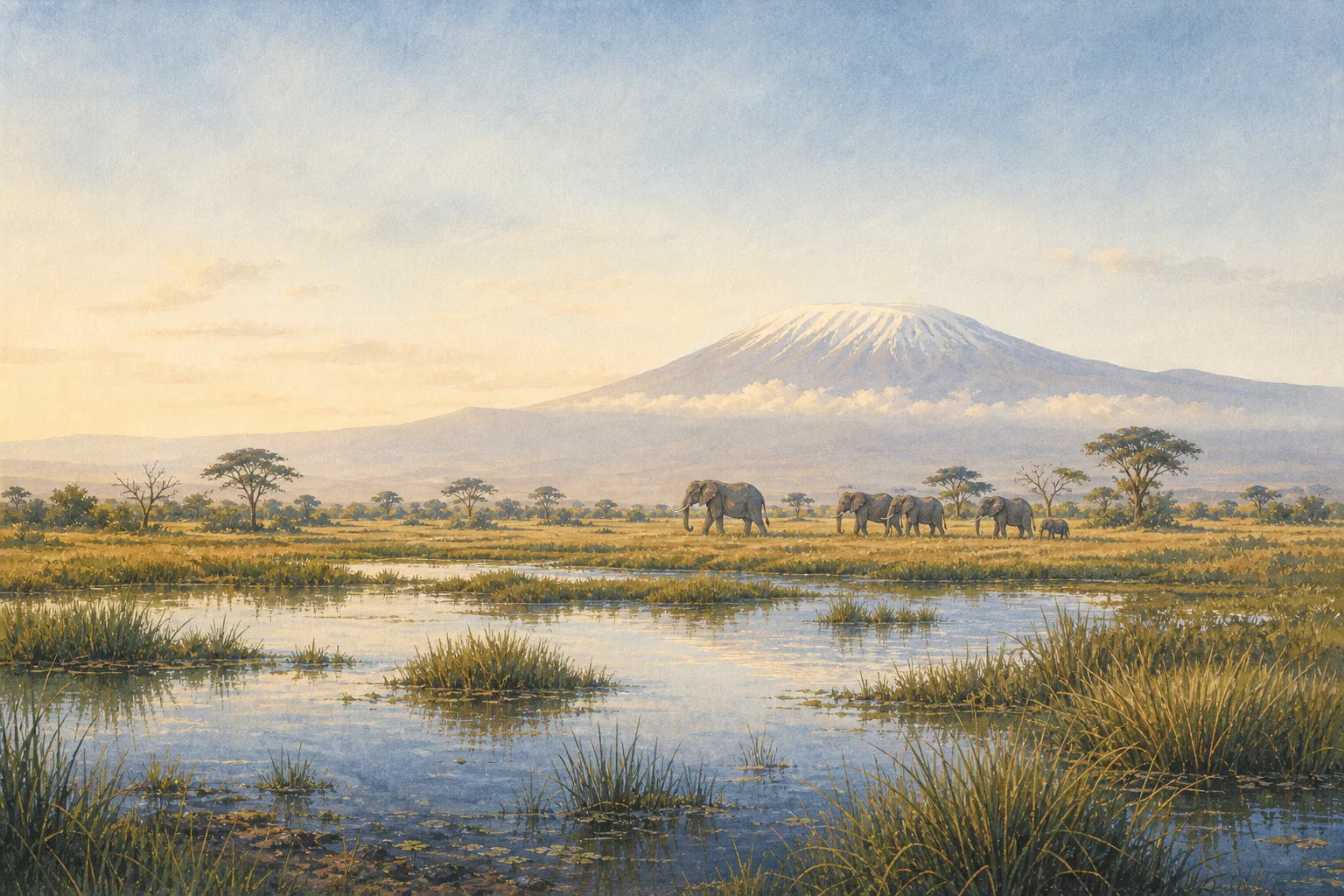
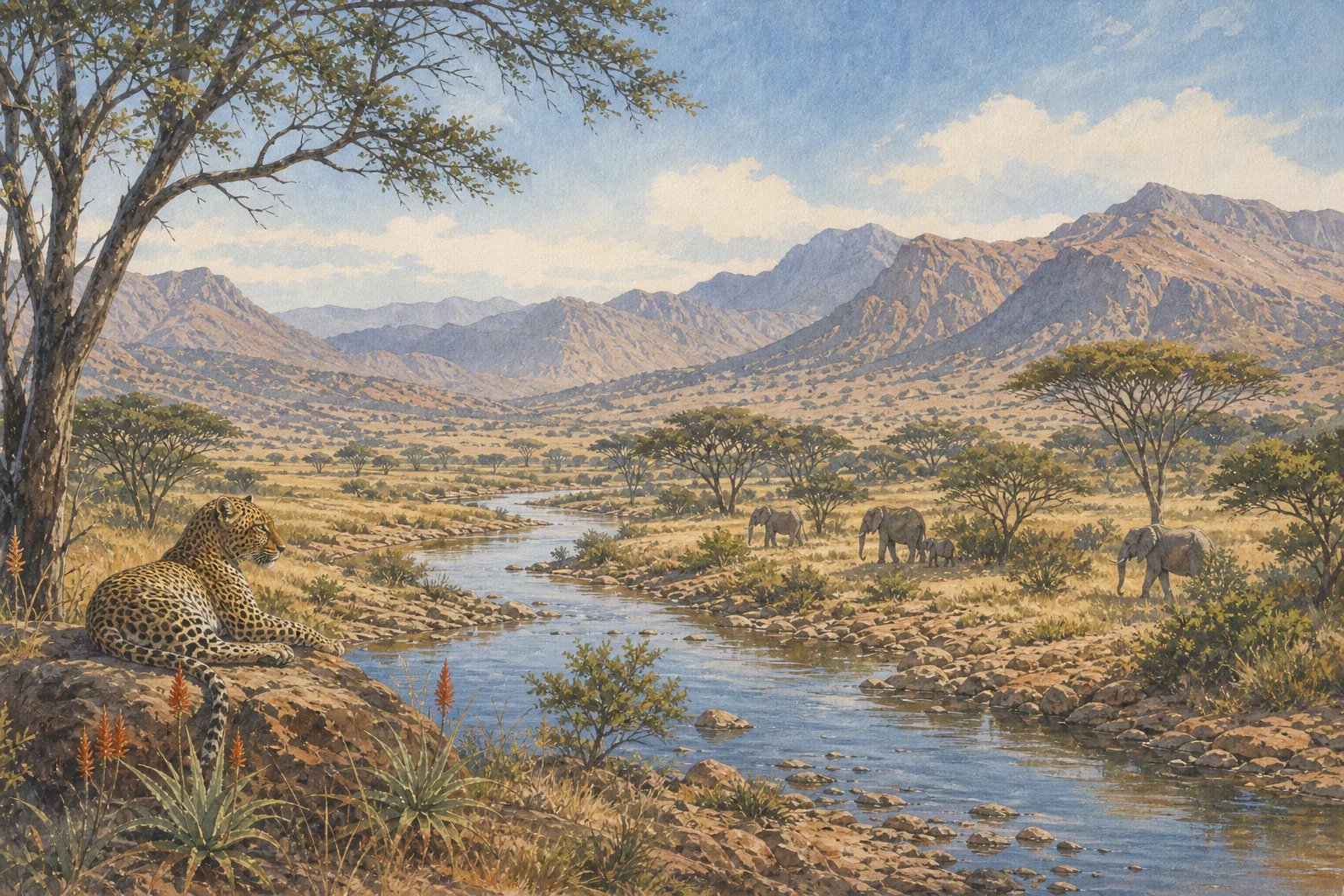
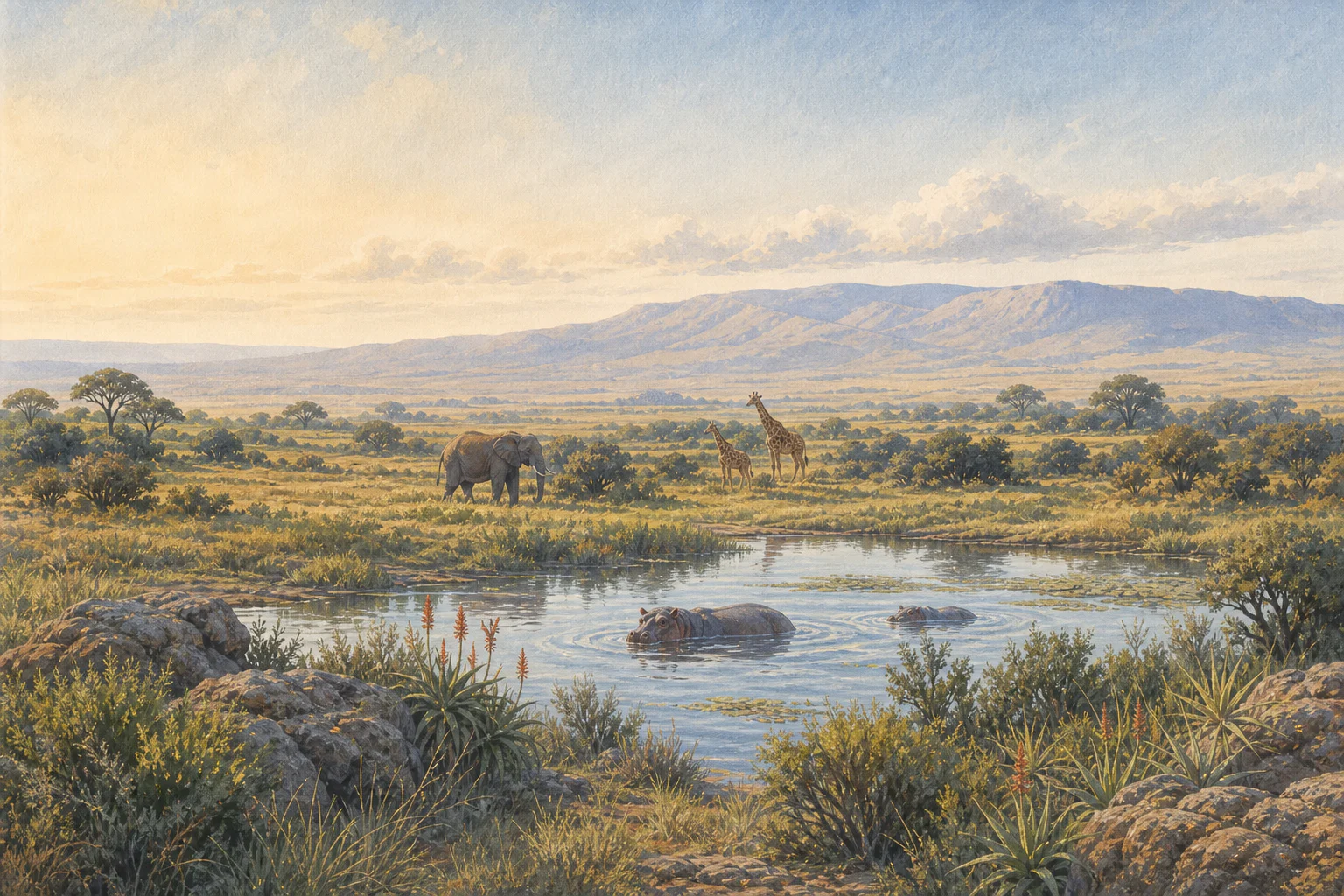
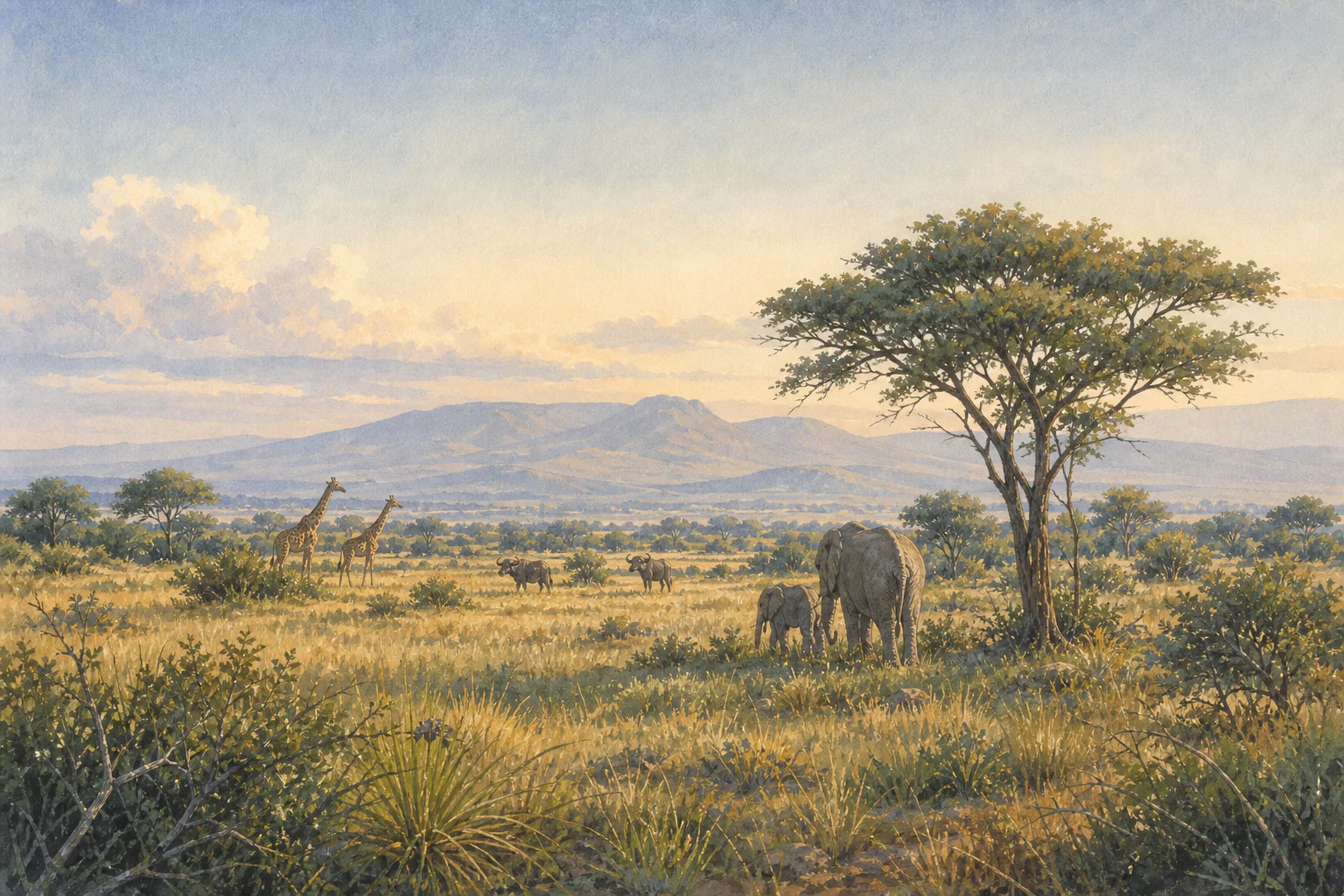
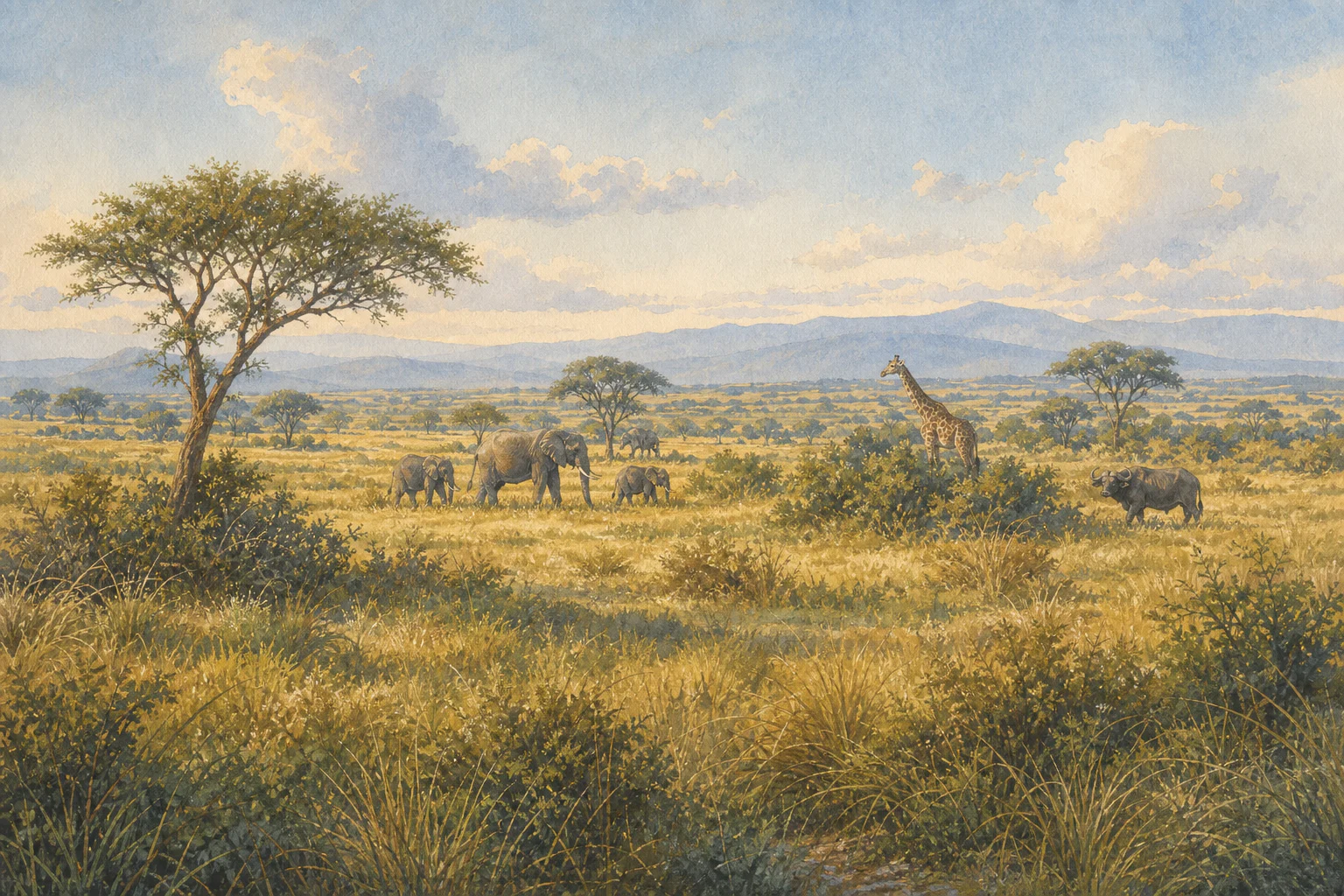
- African bush elephantPrincipal savannah circuitsLikelihood: Abundant
- Masai giraffeMara and southern savannah routesLikelihood: Abundant
- African buffaloPrincipal savannah circuitsLikelihood: Abundant
- Plains zebraMara and principal savannah circuitsLikelihood: Abundant
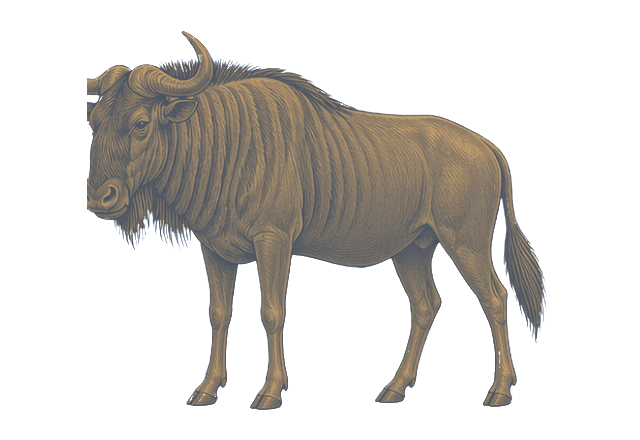
- Blue wildebeestJul–Oct · correctly timed Mara routesLikelihood: Abundant
- Reticulated giraffeLaikipia and Samburu routesLikelihood: Common
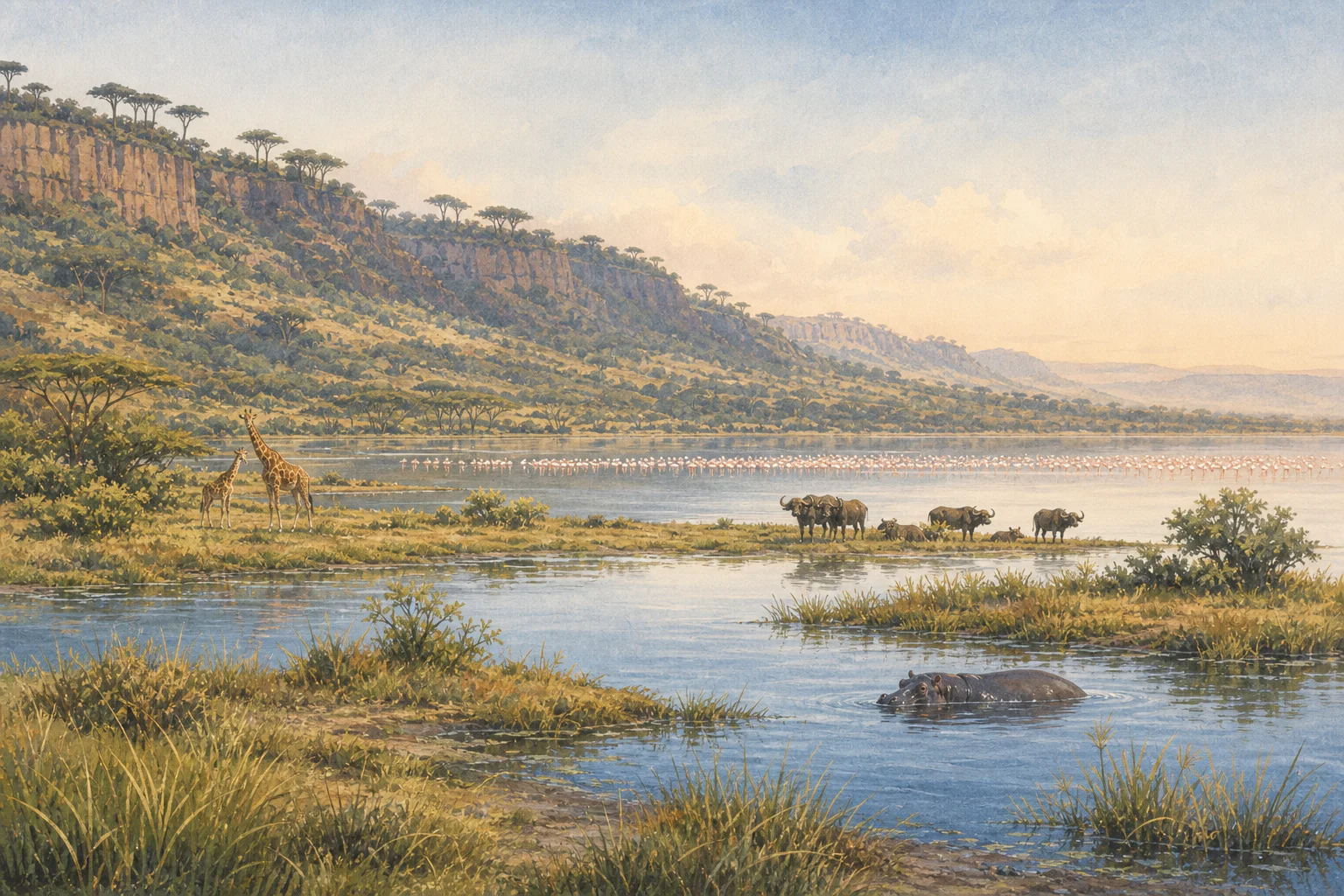
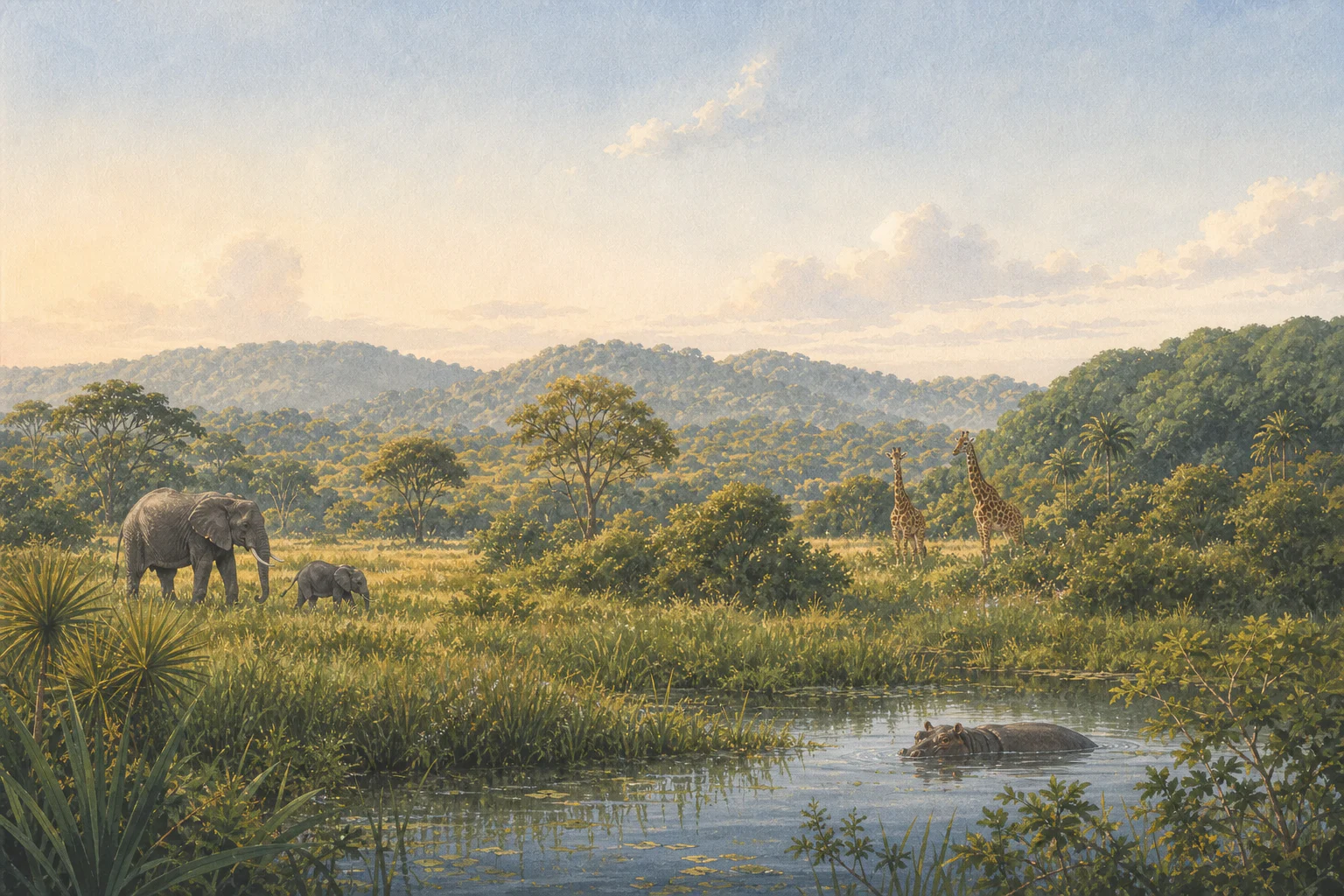
- HippopotamusMara and lake or river routesLikelihood: Common
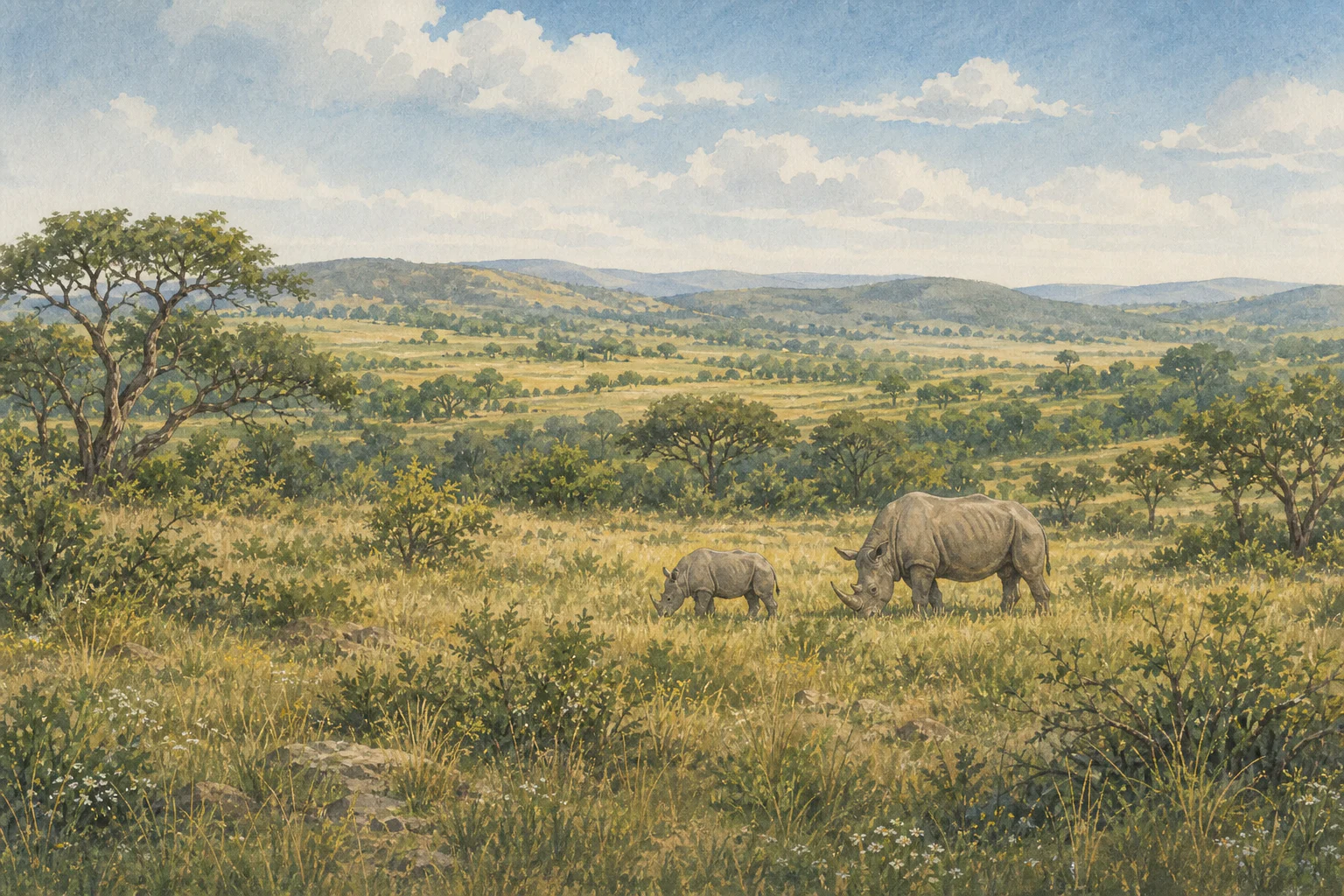
- White rhinocerosLake Nakuru and managed sanctuariesLikelihood: Common
- LionPrincipal savannah circuitsLikelihood: Common
- Spotted hyenaMara and principal savannah circuitsLikelihood: Common
- Grevy’s zebraLaikipia and Samburu routesLikelihood: Common
- Black rhinocerosLake Nakuru and managed sanctuariesLikelihood: Occasional
- LeopardPrincipal savannah circuitsLikelihood: Occasional
- CheetahOpen savannah circuitsLikelihood: Occasional
- African wild dogTargeted northern conservation areasLikelihood: Rare














Travel, health, visa, and entry preparation
Check each traveller's circumstances and the official sources below before booking or departure.
Travel advice
Canada advises travellers to exercise a high degree of caution in Kenya because of terrorism risk and a high crime rate, with stronger advice for specified regions.
Regional advice appliesThe advisory identifies terrorism, kidnapping, armed violence and serious crime as risks that vary by destination, including border, coastal and Nairobi areas.
- Respect regional exclusions
- Keep itineraries outside the border and coastal zones where Canada advises against all travel, and verify the current boundaries before confirming transfers or accommodation.
- Review Nairobi routing
- Avoid non-essential travel through Kibera, and use vetted local transport and current operator advice elsewhere in Nairobi. The current advisory no longer applies that regional restriction to Eastleigh or Pangani.
- Reduce security exposure
- Use reputable providers, maintain a low profile, monitor official updates and local instructions, and keep contingency plans for route changes.
Health advice
Review vaccination, yellow fever and malaria guidance for the traveller and itinerary.
- Vaccines
- Review routine vaccines and Kenya-specific recommendations with a travel-health professional at least one month before departure. Advice varies with age, health, season, planned activities and the counties on the itinerary.
- Yellow fever
- CDC generally recommends yellow fever vaccination for travellers aged nine months or older, but gives different advice for itineraries limited to Nairobi and specified northeastern or coastal counties. Kenya requires proof for travellers aged one year or older arriving from a country with yellow fever transmission risk. Obtain itinerary-specific clinical advice.
- Malaria
- CDC lists malaria transmission in Kenyan areas below 2,500 metres, including game parks, with only rare cases in highly urbanized central Nairobi. Prescription prevention is recommended for listed transmission areas; central Nairobi calls for mosquito precautions rather than routine chemoprophylaxis. Confirm the route and medicine choice with a clinician.
Consult a qualified travel-health professional for advice based on the traveller and itinerary.
Visa and entry
Verify the requirements for every traveller.
Kenya uses an Electronic Travel Authorisation rather than an ordinary visitor visa. Travellers generally need an approved eTA before departure unless a current exemption applies.
Check the official eligibility and exemption rules for every traveller, then apply only through the Kenya eTA portal when authorisation is required. Prepare the passport, photograph, itinerary and accommodation details, allow at least three working days and do not travel until approval is issued.