
Best time and high seasonality
Compare recommended travel periods, typical demand seasons, weather comfort, and sky conditions across all twelve months.
- Average daytime high
- 33.7°C
- Average nighttime low
- 24.1°C
- Average rainfall
- 35.8 mm / month
1991–2020 monthly means for Kisite-Mpunguti seascape; gridded regional estimates, not a forecast or a measurement for every part of the destination.
Weather and travel guidance
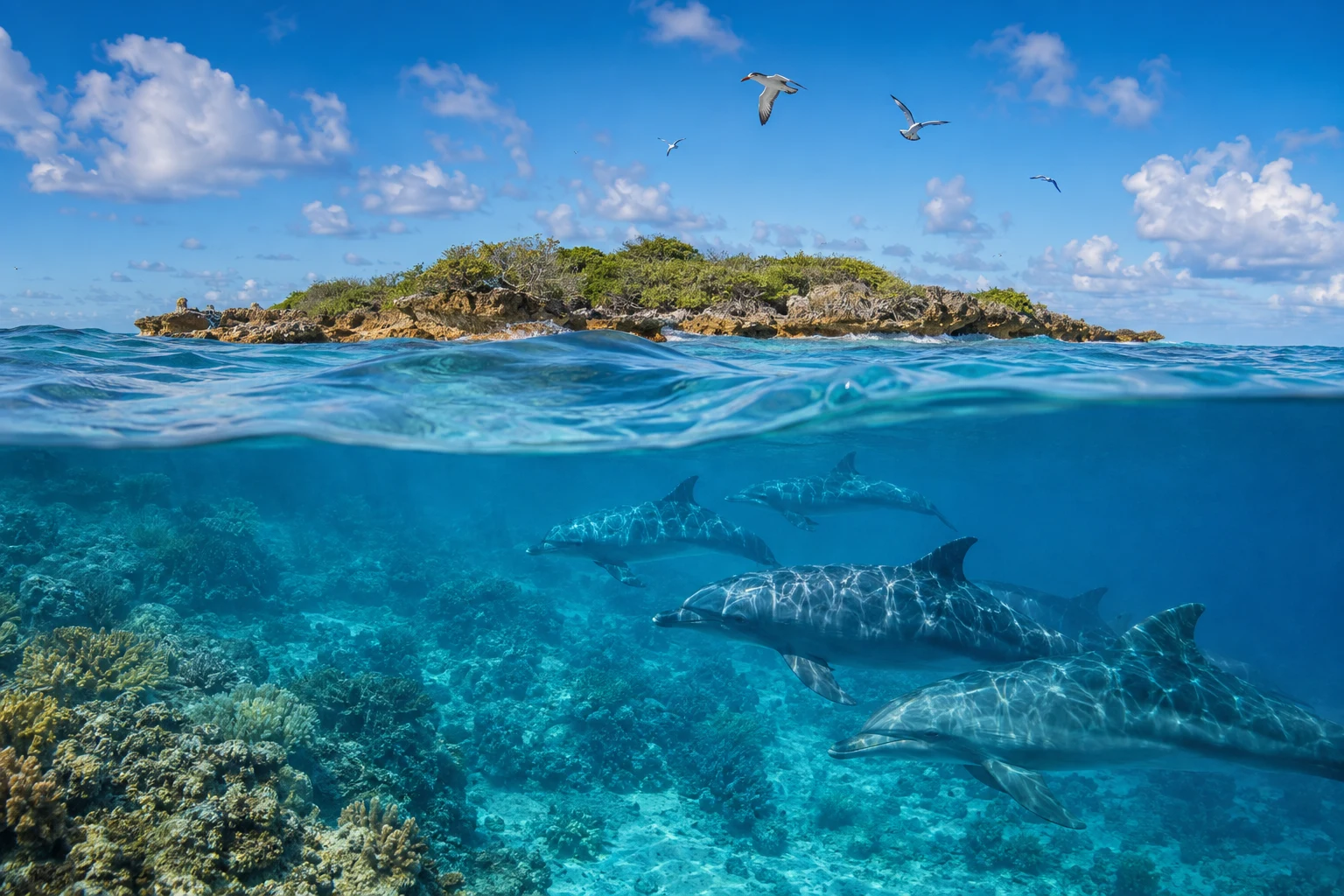
January at Kisite-Mpunguti Marine National Park is a comparatively dry planning month, often favouring firmer access while increasing dust and midday exposure. The destination is defined by coral reefs, clear channels and dolphin habitat reached by regulated boat excursions from the Shimoni coast. The 1991–2020 grid mean is about 33.7°C by day and 24.1°C overnight, with 35.8 mm of rain across the month; nearby sectors and elevations can differ. Marine trips remain subject to wind, sea state, tide, guide assessment and protected-area rules.
February at Kisite-Mpunguti Marine National Park is a comparatively dry planning month, often favouring firmer access while increasing dust and midday exposure. The destination is defined by coral reefs, clear channels and dolphin habitat reached by regulated boat excursions from the Shimoni coast. The 1991–2020 grid mean is about 34.5°C by day and 24.2°C overnight, with 22.9 mm of rain across the month; nearby sectors and elevations can differ. Marine trips remain subject to wind, sea state, tide, guide assessment and protected-area rules.
March at Kisite-Mpunguti Marine National Park is a transition month, when showers and bright intervals can both influence access and viewing. The destination is defined by coral reefs, clear channels and dolphin habitat reached by regulated boat excursions from the Shimoni coast. The 1991–2020 grid mean is about 34.1°C by day and 25°C overnight, with 83.9 mm of rain across the month; nearby sectors and elevations can differ. Marine trips remain subject to wind, sea state, tide, guide assessment and protected-area rules.
April at Kisite-Mpunguti Marine National Park is a wetter planning month, with showers that can soften unsealed approaches and change wildlife distribution. The destination is defined by coral reefs, clear channels and dolphin habitat reached by regulated boat excursions from the Shimoni coast. The 1991–2020 grid mean is about 31.9°C by day and 24.7°C overnight, with 163.7 mm of rain across the month; nearby sectors and elevations can differ. Marine trips remain subject to wind, sea state, tide, guide assessment and protected-area rules.
May at Kisite-Mpunguti Marine National Park is a wetter planning month, with showers that can soften unsealed approaches and change wildlife distribution. The destination is defined by coral reefs, clear channels and dolphin habitat reached by regulated boat excursions from the Shimoni coast. The 1991–2020 grid mean is about 30°C by day and 23.5°C overnight, with 185.6 mm of rain across the month; nearby sectors and elevations can differ. Marine trips remain subject to wind, sea state, tide, guide assessment and protected-area rules.
June at Kisite-Mpunguti Marine National Park is a transition month, when showers and bright intervals can both influence access and viewing. The destination is defined by coral reefs, clear channels and dolphin habitat reached by regulated boat excursions from the Shimoni coast. The 1991–2020 grid mean is about 28.8°C by day and 22.4°C overnight, with 56.8 mm of rain across the month; nearby sectors and elevations can differ. Marine trips remain subject to wind, sea state, tide, guide assessment and protected-area rules.
July at Kisite-Mpunguti Marine National Park is a comparatively dry planning month, often favouring firmer access while increasing dust and midday exposure. The destination is defined by coral reefs, clear channels and dolphin habitat reached by regulated boat excursions from the Shimoni coast. The 1991–2020 grid mean is about 28.3°C by day and 21.6°C overnight, with 31.5 mm of rain across the month; nearby sectors and elevations can differ. Marine trips remain subject to wind, sea state, tide, guide assessment and protected-area rules.
August at Kisite-Mpunguti Marine National Park is a comparatively dry planning month, often favouring firmer access while increasing dust and midday exposure. The destination is defined by coral reefs, clear channels and dolphin habitat reached by regulated boat excursions from the Shimoni coast. The 1991–2020 grid mean is about 28.6°C by day and 21.5°C overnight, with 26.4 mm of rain across the month; nearby sectors and elevations can differ. Marine trips remain subject to wind, sea state, tide, guide assessment and protected-area rules.
September at Kisite-Mpunguti Marine National Park is a comparatively dry planning month, often favouring firmer access while increasing dust and midday exposure. The destination is defined by coral reefs, clear channels and dolphin habitat reached by regulated boat excursions from the Shimoni coast. The 1991–2020 grid mean is about 29.6°C by day and 22°C overnight, with 30.6 mm of rain across the month; nearby sectors and elevations can differ. Marine trips remain subject to wind, sea state, tide, guide assessment and protected-area rules.
October at Kisite-Mpunguti Marine National Park is a transition month, when showers and bright intervals can both influence access and viewing. The destination is defined by coral reefs, clear channels and dolphin habitat reached by regulated boat excursions from the Shimoni coast. The 1991–2020 grid mean is about 31°C by day and 22.8°C overnight, with 77.6 mm of rain across the month; nearby sectors and elevations can differ. Marine trips remain subject to wind, sea state, tide, guide assessment and protected-area rules.
November at Kisite-Mpunguti Marine National Park is a wetter planning month, with showers that can soften unsealed approaches and change wildlife distribution. The destination is defined by coral reefs, clear channels and dolphin habitat reached by regulated boat excursions from the Shimoni coast. The 1991–2020 grid mean is about 31.8°C by day and 23.8°C overnight, with 106.3 mm of rain across the month; nearby sectors and elevations can differ. Marine trips remain subject to wind, sea state, tide, guide assessment and protected-area rules.
December at Kisite-Mpunguti Marine National Park is a transition month, when showers and bright intervals can both influence access and viewing. The destination is defined by coral reefs, clear channels and dolphin habitat reached by regulated boat excursions from the Shimoni coast. The 1991–2020 grid mean is about 32.9°C by day and 24.3°C overnight, with 81.4 mm of rain across the month; nearby sectors and elevations can differ. Marine trips remain subject to wind, sea state, tide, guide assessment and protected-area rules.
- Travel recommended
- June to October, December to March
- Typical travel season
- High · January to February, July to September
- Weather comfort
- Excellent · January to February, July to September
How to read this: month icons show the typical sky and rain pattern; Weather grades broad travel comfort; Travel Seasons show typical demand and pricing. None is a forecast, and supplier periods vary.
Wildlife Overview
Wildlife to look for in Kisite-Mpunguti Marine National Park. Labels describe typical encounters in suitable habitat; season, conditions and time spent exploring all make a difference.
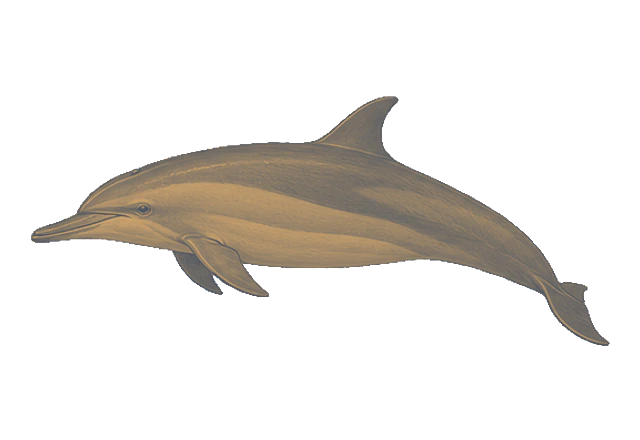
- Spinner dolphinSuitable visitor habitat; sightings vary by season, sector and guide effortLikelihood: Common
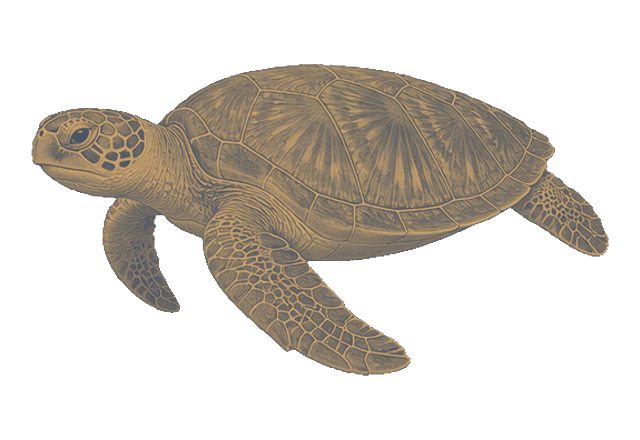
- Green sea turtleSuitable visitor habitat; sightings vary by season, sector and guide effortLikelihood: Common
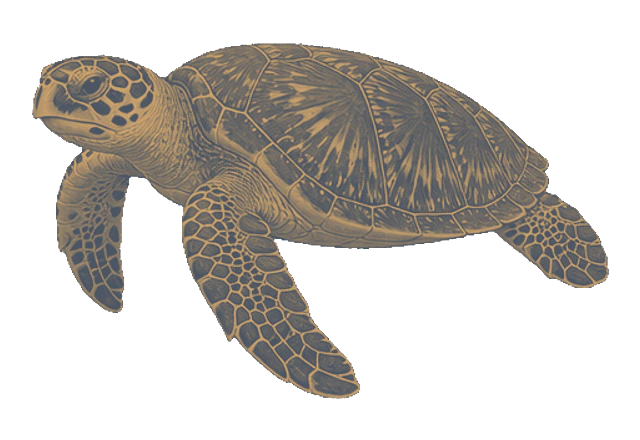
- Hawksbill turtleSuitable visitor habitat; sightings vary by season, sector and guide effortLikelihood: Occasional
Things to do in Kisite-Mpunguti Marine National Park
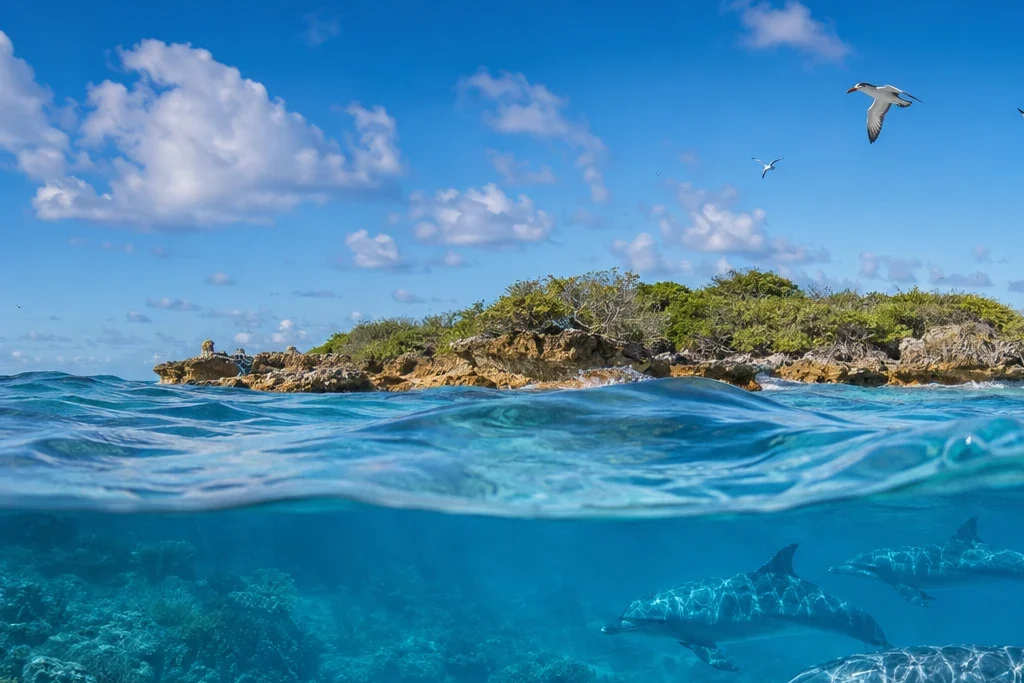
Guided snorkelling
Guided snorkelling at Kisite-Mpunguti Marine National Park should be arranged around the protected area's authorised routes, current conditions and guide requirements. The experience sits within coral reefs, clear channels and dolphin habitat reached by regulated boat excursions from the Shimoni coast, so route choice matters as much as the activity label. Allow time to observe rather than rushing between distant points.
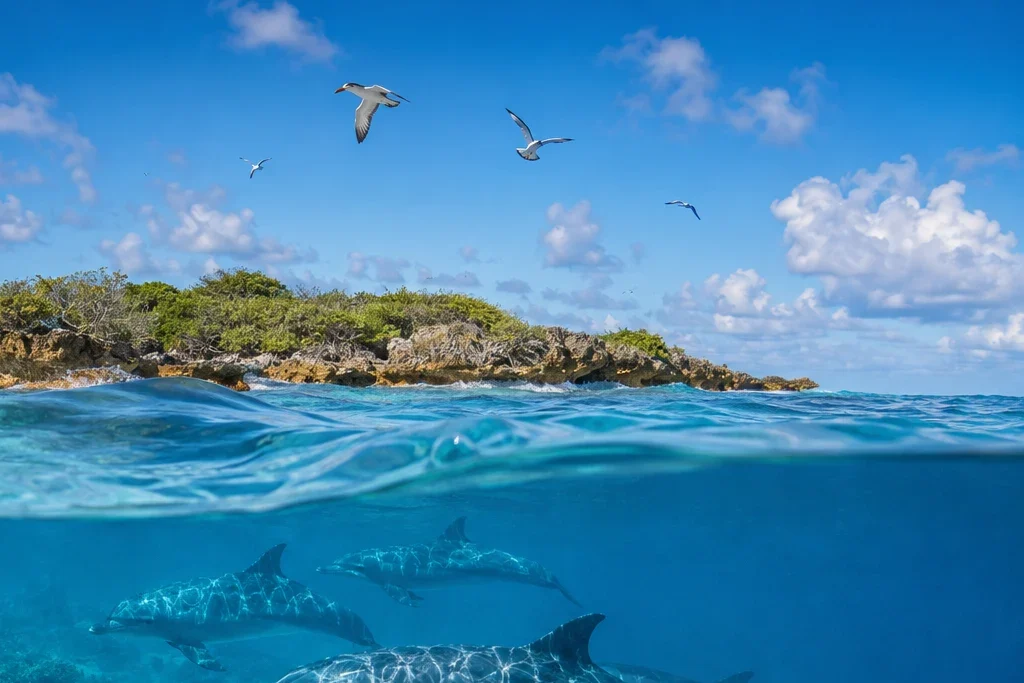
Marine wildlife observation
Marine wildlife observation at Kisite-Mpunguti Marine National Park should be arranged around the protected area's authorised routes, current conditions and guide requirements. The experience sits within coral reefs, clear channels and dolphin habitat reached by regulated boat excursions from the Shimoni coast, so route choice matters as much as the activity label. Allow time to observe rather than rushing between distant points.
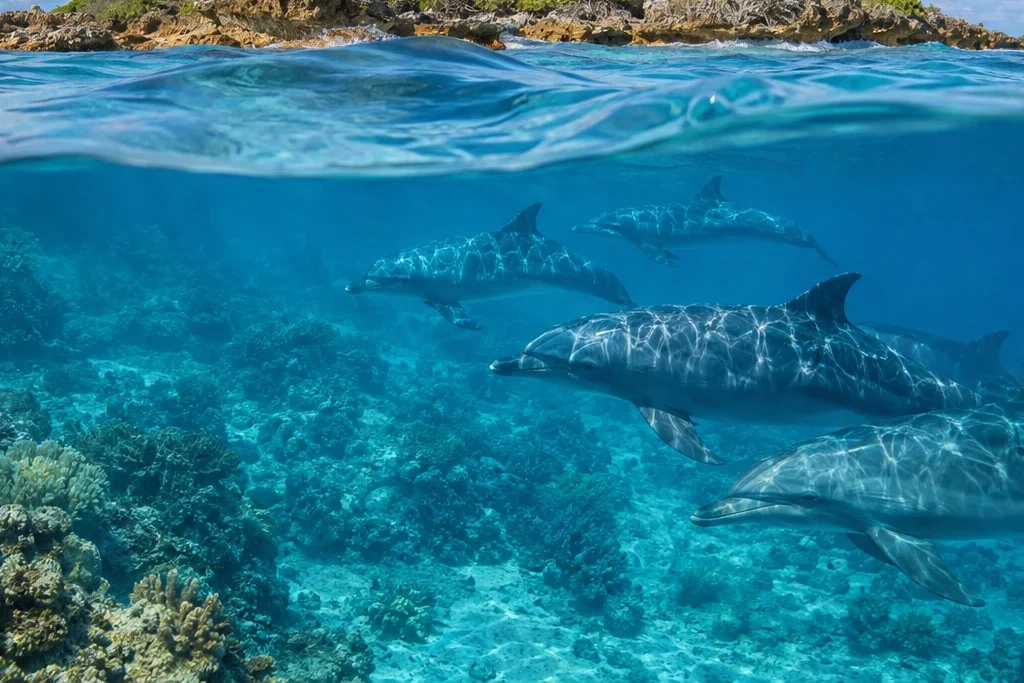
Reef and coast interpretation
Reef and coast interpretation at Kisite-Mpunguti Marine National Park should be arranged around the protected area's authorised routes, current conditions and guide requirements. The experience sits within coral reefs, clear channels and dolphin habitat reached by regulated boat excursions from the Shimoni coast, so route choice matters as much as the activity label. Allow time to observe rather than rushing between distant points.
Habitats and flora
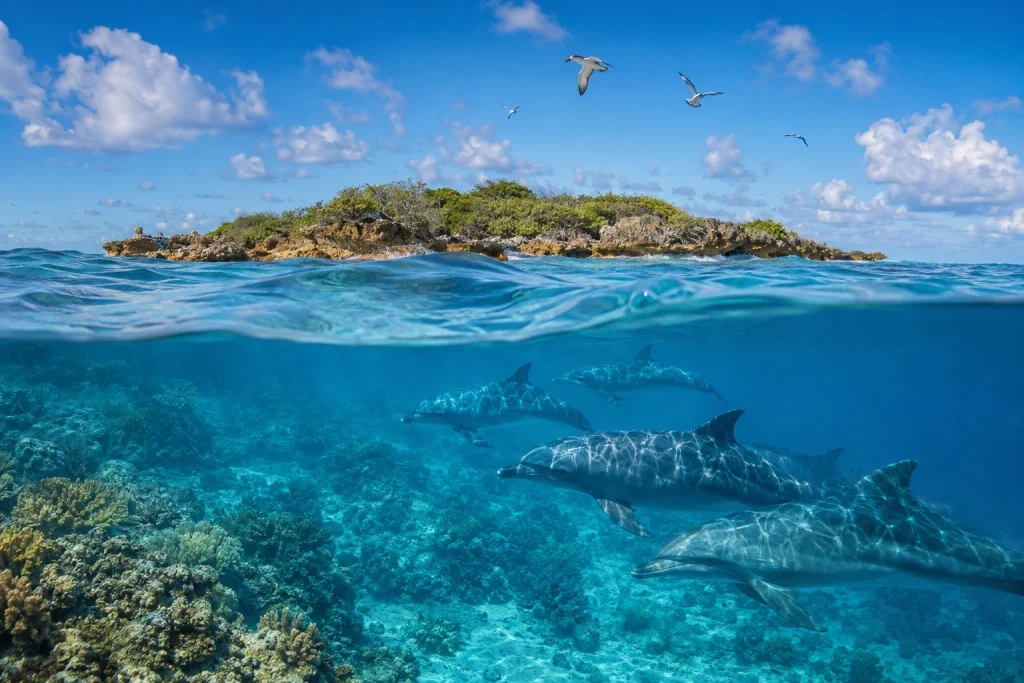
Kisite-Mpunguti Marine National Park is best understood through coral reefs, clear channels and dolphin habitat reached by regulated boat excursions from the Shimoni coast. Its connected coral habitat, seagrass or sandy shallows, open channels and a closely connected coast influence where animals, birds or marine life can be encountered and how a visit works on the ground. Conditions shift with rain, water levels, fire management, tide, vegetation growth and conservation operations, so no single viewpoint represents the whole area. Use the named habitat as an orientation tool, then let an authorised guide choose routes that fit current access and wildlife movement.
Park fees and restrictions
Planning reference rates · Jan 1, 2026 – Dec 31, 2026
Per person · International nonresident visitors · USD
| Visitor | Age | Park entry | Overnight fee | Camping fee |
|---|---|---|---|---|
| 1 infant | Under 6 years | Free | Not available | Not available |
| 1 child | 6–17 years | USD 15 | Not available | Not available |
| 1 adult | 18+ years | USD 25 | Not available | Not available |
Tax treatment is not specified in this schedule. Overnight and camping fees are alternative additions to park entry; activity fees may apply separately.
- Planning rates from the supplied workbook. Zero values are shown as free only for the lowest age band; unavailable older-band and optional charges are left blank. Overnight and camping amounts are alternatives, not cumulative additions. Reconfirm eligibility, tax, activity permits and payment rules before quoting.
Official fee information
- Kenya Wildlife Service park referenceChecked Sep 8, 2026